
Award Winning White Chicken Chili

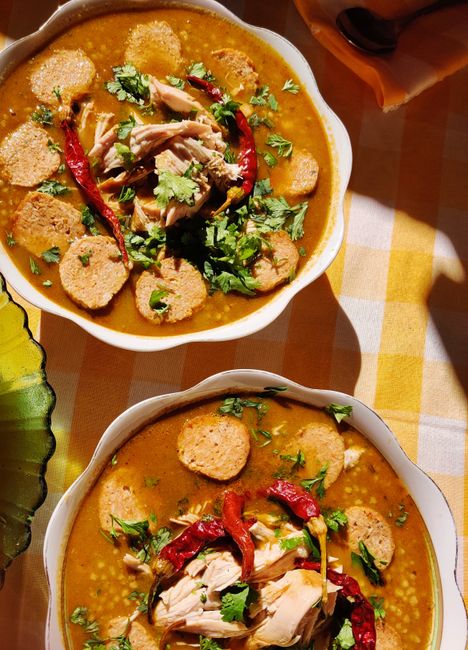
Award-Winning White Chicken Chili: A Deep Dive into Flavor, Technique, and Culinary Excellence
The quest for the ultimate white chicken chili recipe often leads to a labyrinth of variations, each promising a unique twist on a beloved classic. However, discerning home cooks and seasoned chefs alike recognize that true culinary excellence lies not just in the ingredients, but in the meticulous execution of technique and the profound understanding of flavor profiles. This article delves into the essence of an award-winning white chicken chili, dissecting the components that elevate it from a simple supper to a celebrated dish. We will explore the critical choices in protein, the nuanced world of aromatics, the strategic selection of chilies, the creamy emulsifiers that define its texture, and the final garnishes that provide the perfect punctuation to this symphony of taste.
The foundation of any exceptional white chicken chili rests firmly on the quality of its chicken. While convenience often points towards pre-cooked rotisserie chicken, an award-winning recipe typically demands a more hands-on approach. Opting for bone-in, skin-on chicken thighs and breasts offers a superior flavor depth. The bones, when simmered, release collagen and marrow, contributing a richness and body to the broth that boneless, skinless cuts simply cannot replicate. The skin, rendered crispy and then incorporated into the chili, adds a delightful textural contrast and an extra layer of savory goodness. Poaching the chicken gently in a flavorful liquid – a combination of water, aromatics like bay leaves, peppercorns, and perhaps a sprig of thyme – ensures that it remains incredibly moist and tender. This poaching liquid, rich with chicken essence, becomes the essential base for the chili, infusing every spoonful with inherent chicken flavor. Once cooked, the chicken is shredded or diced into substantial, bite-sized pieces, providing a satisfying chew and a prominent presence in the finished dish. Some award-winning variations even embrace the practice of pan-searing or broiling the cooked chicken pieces for a brief period before adding them to the chili. This extra step caramelizes the exterior, deepening the savory notes and adding a subtle char that complements the creamy broth.
Aromatic vegetables are the unsung heroes of any well-crafted chili, and white chicken chili is no exception. The classic mirepoix of onions, celery, and carrots forms a robust flavor base. However, the award-winning approach often amplifies this by introducing elements that bring a distinct personality. Sweet yellow or Vidalia onions, when slowly sautéed until deeply caramelized, lend a natural sweetness and a complex, almost syrupy depth. This slow caramelization is crucial; rushing the process results in a raw, pungent onion flavor that detracts from the overall harmony. Garlic, of course, is indispensable, but the method of its introduction matters. Minced garlic, added towards the end of the sautéing process for the onions, prevents it from burning and developing a bitter edge, ensuring its pungent sweetness shines through. Beyond the standard trio, consider the subtle sweetness and peppery notes of leeks, the white and pale green parts finely diced and incorporated with the onions, or the mild earthiness of parsnips, which can offer a delightful complexity when finely diced and sautéed. The quality and freshness of these aromatics directly impact the final flavor, so sourcing the best available produce is a non-negotiable aspect of achieving award-winning status.
The soul of any chili lies in its chilies. For white chicken chili, the challenge is to impart a nuanced heat and distinctive flavor without the deep, earthy, and often reddish hues associated with darker chili powders. This is where a strategic blend of dried and fresh chilies becomes paramount. Dried New Mexico chilies (also known as Anaheim or green chilies when fresh) are a cornerstone, offering a mild, fruity heat and a pleasant green pepper flavor. Their seeds and membranes can be removed for a milder chili, or left in for a more pronounced warmth. Poblano peppers, with their slightly smoky, earthy flavor and mild heat, add another layer of complexity. Roasting these dried chilies before rehydrating them significantly enhances their flavor, imparting a toasty, almost nutty aroma that is crucial for depth. Fresh green chilies, such as jalapeños, serranos, or even the milder Anaheim peppers, provide bright, fresh heat. Finely dicing them and sautéing them with the aromatics releases their volatile oils and distributes their heat evenly throughout the chili. For an award-winning chili, the precise balance of these chilies is key. It’s not about overwhelming heat, but about a layered, building warmth that complements, rather than masks, the other flavors. Consider the subtle citrusy notes of a few dried árbol chilies for a touch of brighter heat, or the mild sweetness of a single dried ancho chili, rehydrated and blended into the sauce for a hint of smoky depth without adding overt color. The careful selection and preparation of these chilies are what differentiate a good white chicken chili from an unforgettable one.
The characteristic creamy texture of white chicken chili is achieved through a combination of strategic ingredients. While some recipes rely solely on dairy, award-winning variations often employ a more sophisticated approach. The base of the chili is typically a well-seasoned chicken broth, as mentioned earlier. To achieve that signature creaminess, pureed white beans are a revelation. Cannellini beans, Great Northern beans, or even navy beans, when cooked until very tender and then blended with a portion of the broth, create a smooth, velvety emulsion that thickens the chili and imparts a subtle bean flavor without the distinct earthiness of darker beans. This bean puree also contributes a pleasing mouthfeel and a significant boost of protein and fiber. Some recipes also incorporate a touch of masa harina, the finely ground corn flour used to make tortillas. When bloomed in liquid and added to the chili, masa harina provides a unique, slightly nutty flavor and a subtle thickening quality that is distinct from a simple flour roux. A small amount of heavy cream or full-fat coconut milk can be added towards the end of cooking for an extra layer of richness and luxurious mouthfeel, but it should be used judiciously to avoid overpowering the other flavors. The goal is a creamy, luscious consistency that coats the back of a spoon, not a heavy, cloying texture.
The spice blend in an award-winning white chicken chili is a delicate dance of complementary flavors. Cumin, with its warm, earthy, and slightly smoky notes, is almost always present. However, the quality of the cumin matters; freshly ground toasted cumin seeds offer a significantly more vibrant and complex flavor than pre-ground varieties. Mexican oregano, with its more robust, citrusy, and slightly peppery profile compared to Mediterranean oregano, is another key player, adding a distinct aromatic quality. Ground coriander, with its bright, citrusy, and floral notes, acts as a beautiful counterpoint to the earthiness of the cumin and chilies, lifting the overall flavor profile. White pepper, with its subtle, less pungent heat than black pepper, allows the other spices to shine while still providing a gentle warmth. Some award-winning recipes also incorporate a touch of smoked paprika, not for color, but for its subtle smoky depth that harmonizes with the roasted chilies. A whisper of cayenne pepper can be added for an extra kick, but it should be used sparingly to maintain the delicate balance. The key is to toast these dried spices briefly before adding them to the aromatics; this "blooming" process releases their essential oils and intensifies their flavors, ensuring they are fully integrated into the chili.
The final touches on an award-winning white chicken chili are not mere afterthoughts; they are integral to its success, providing textural contrast, a burst of freshness, and a final layer of flavor. A squeeze of fresh lime juice, added just before serving, cuts through the richness and brightens all the other flavors, acting as a vital palate cleanser. Fresh cilantro, chopped liberally, offers a burst of herbaceous freshness and a signature aroma that is synonymous with Latin American cuisine. For added creaminess and a touch of tang, a dollop of sour cream or Greek yogurt is a classic choice. However, for a more nuanced flavor, consider a homemade crema, a mixture of sour cream and milk, or a dollop of Mexican crema for its authentic tang. The crunch of thinly sliced radishes provides a welcome textural counterpoint to the creamy chili. Diced avocado adds a luxurious, buttery richness and a beautiful green hue. Toasted pepitas (pumpkin seeds) offer a delightful nutty crunch and a visual appeal. For those who crave a bit more heat and a touch of brine, finely diced pickled jalapeños or a sprinkle of cotija cheese can elevate the experience. Each garnish should be chosen with intention, contributing to the overall balance and enhancing the multifaceted flavors of the chili. The presentation itself is part of the award-winning experience, encouraging diners to engage with the dish and customize their own perfect bite. The ultimate award-winning white chicken chili is a testament to thoughtful ingredient selection, precise technique, and a deep understanding of how individual components harmonize to create a truly exceptional culinary masterpiece.


