Roasted Asparagus with Feta and Almonds: A Mediterranean Culinary Gem

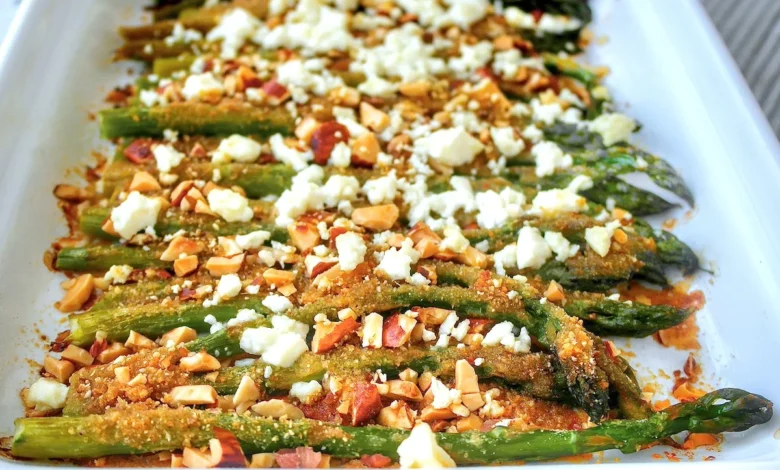
A vibrant and flavorful Mediterranean-style side dish, roasted asparagus with feta and almonds offers a delightful combination of textures and tastes. This dish, characterized by asparagus roasted until caramelized and crisp, enhanced by the salty tang of feta cheese and the nutty crunch of toasted almonds, is remarkably quick to prepare and versatile enough to serve as either a sophisticated side or a satisfying main course.
The Allure of Asparagus: A Mediterranean Staple
Asparagus, often perceived as a spring delicacy, holds a significant place in Mediterranean cuisine, particularly in regions like Greece. While not always recognized as a staple by global consumers, wild asparagus is abundant in Greece during springtime, sought after by those knowledgeable in its foraging. This wild variety, known for its delicate thinness and exceptional flavor, underscores the vegetable’s deep roots in the region’s culinary traditions. Beyond its taste, asparagus is a nutritional powerhouse, boasting a rich profile of vitamins, minerals, and potent antioxidants. Its versatility in the kitchen is undeniable, lending itself to roasting, steaming, incorporation into omelets and pasta dishes, or as the star of savory tarts and grilled preparations.
The addition of feta cheese and almonds elevates simple roasted asparagus into a dish with enhanced protein content and a delightful textural contrast. Each serving of this thoughtfully prepared dish provides approximately 10 grams of protein, contributing to its appeal as a balanced meal component.
Culinary Synergy: Why This Dish Excels
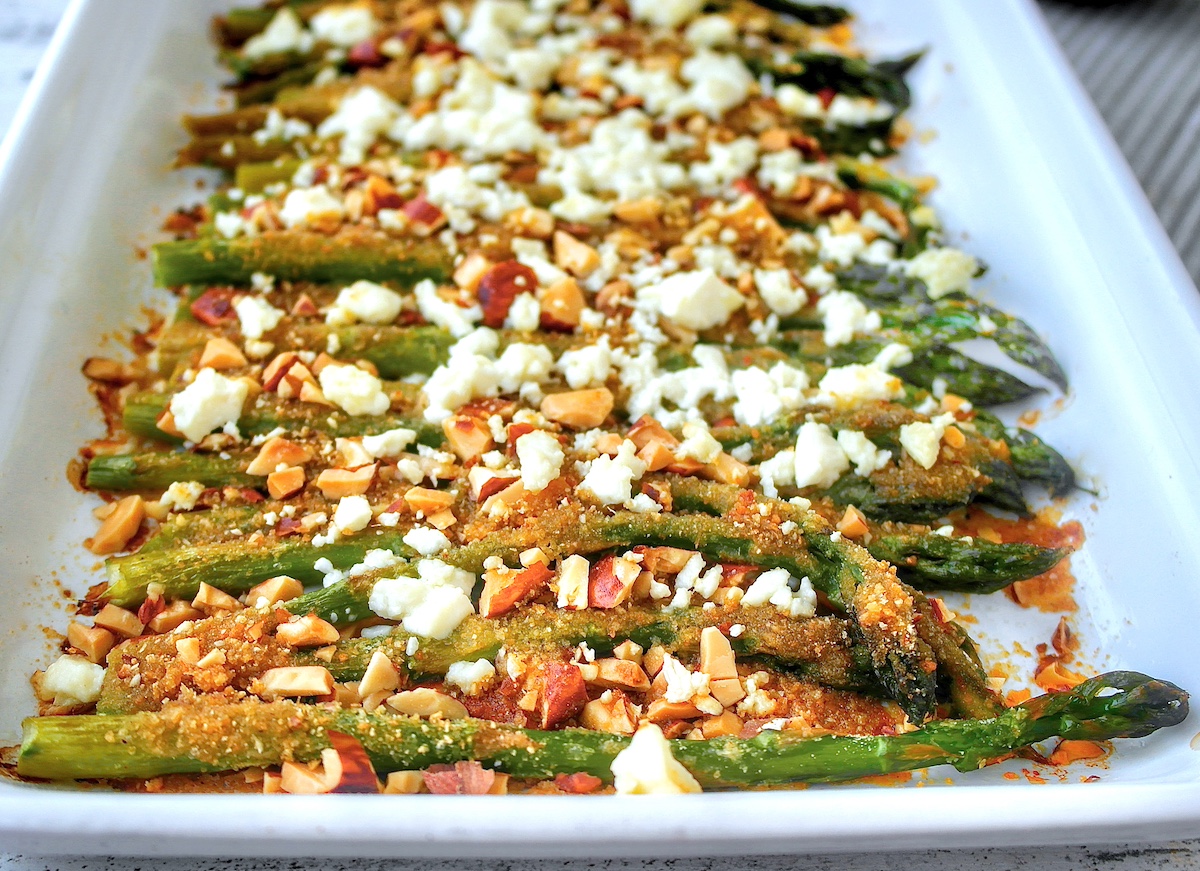
The success of roasted asparagus with feta and almonds lies in the harmonious integration of Mediterranean ingredients. Asparagus, an ideal candidate for roasting due to its ability to caramelize and develop a tender-crisp texture, serves as the perfect canvas for a medley of flavors. The recipe distinguishes itself from more basic preparations by layering ingredients that contribute healthy fats, satisfying crunch, and bright acidity. Almonds provide essential healthy fats and a desirable crunch, while feta cheese introduces a characteristic tanginess and a pleasant saltiness that complements the subtle sweetness of the roasted asparagus. This dynamic combination makes the dish a compelling option for weeknight meals, offering both nutritional value and culinary satisfaction without demanding extensive preparation time.
Nutritional Deep Dive: The Health Benefits of Asparagus
From a nutritional standpoint, asparagus is a remarkably nutrient-dense vegetable. It is an excellent source of essential vitamins and minerals, and it is particularly rich in Vitamin K and folate. Additionally, it provides a good supply of Vitamin C, Vitamin A, Vitamin E, and various B vitamins. Perhaps most critically, asparagus is laden with powerful antioxidants, including flavonoids, phenolic acids, and glutathione. These compounds are vital in combating oxidative stress and are associated with a reduced risk of chronic diseases, such as cardiovascular disease and certain types of cancer.
The presence of carotenoids, specifically lutein and zeaxanthin, further enhances asparagus’s health profile. These compounds are crucial for cellular protection and play a significant role in supporting optimal vision. Furthermore, asparagus contains inulin, a type of prebiotic fiber that nourishes beneficial gut bacteria, thereby promoting a healthy digestive system. The cooking method itself, utilizing olive oil for roasting, contributes additional antioxidants to the dish. The inclusion of almonds and feta cheese not only enhances the flavor and texture but also significantly boosts the dish’s protein content, making it a more complete and satiating option.
Expert Insights on Asparagus Selection and Storage
Choosing the freshest asparagus at the market involves a few key indicators. Look for firm, straight spears that exhibit a vibrant green color and possess tightly closed tips. The stalks should feel crisp to the touch and stand upright when bundled, avoiding any signs of limpness or a rubbery texture.
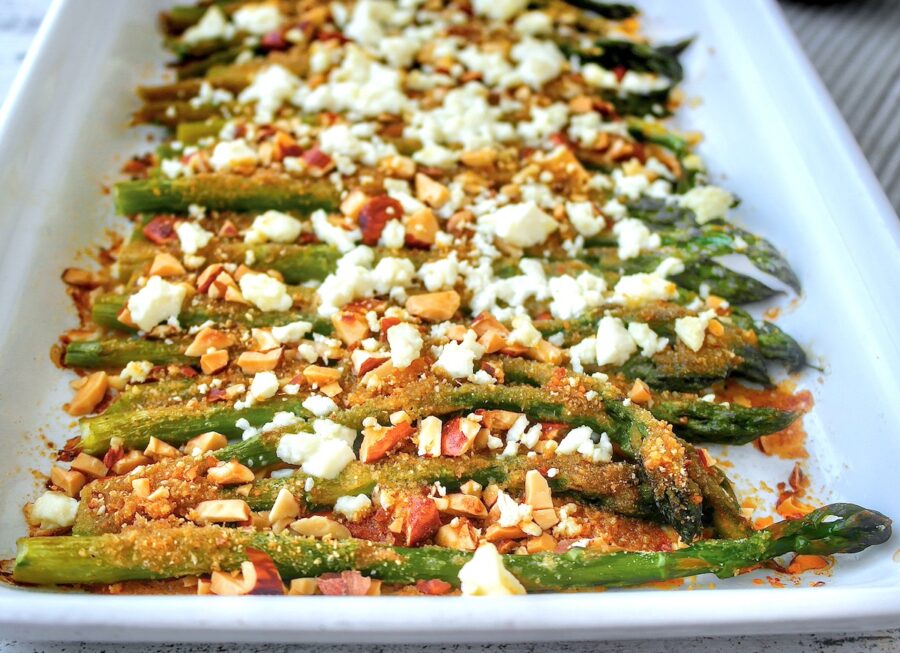
Proper storage is crucial for maintaining the freshness of asparagus. To preserve its quality, trim about half an inch to an inch from the ends of the spears. Then, place the trimmed stalks upright in a glass or jar filled with a small amount of water, much like arranging a bouquet of flowers. Loosely cover the asparagus with a plastic bag and refrigerate. This method helps to keep the stalks hydrated and prevents the tips from drying out, ensuring they remain fresh for up to a week.
Preparation Techniques: Roasting for Optimal Flavor
For most asparagus varieties, peeling before roasting is unnecessary. However, very thick or woody stalks might benefit from peeling on the lower third of the stem to ensure optimal tenderness. White asparagus, a distinct variety, typically requires peeling.
Boiling asparagus before roasting is generally not recommended, as it can lead to a mushy texture and diminished flavor. Roasting raw asparagus directly allows for better flavor development, a more appealing texture, and enhanced caramelization, creating a superior culinary outcome.
The readiness of roasted asparagus is determined by its texture. The spears should be tender when pierced with a fork but still retain a slight firmness. The tips should be lightly browned or crisp. Overcooked asparagus will become mushy and unappetizing.
Troubleshooting Common Roasting Issues
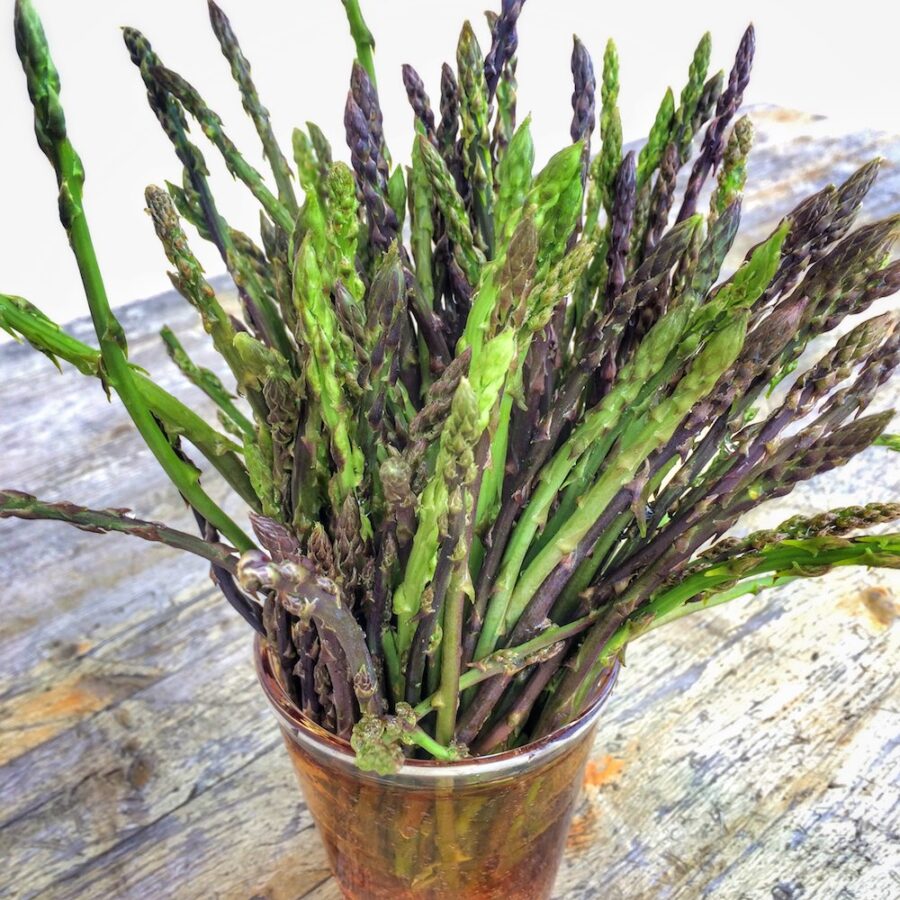
A common pitfall in roasting asparagus is the development of a soggy texture. This typically occurs when the baking sheet is overcrowded, preventing adequate air circulation, or when the oven temperature is too low. When the pan is too full, excess moisture is trapped, leading to steaming rather than roasting. To achieve perfectly crisp asparagus, ensure the spears are spread in a single layer and lightly coated with olive oil.
When preparing asparagus ends, both snapping and cutting are viable methods. Many chefs prefer snapping, as the natural bend in the asparagus stalk indicates the point where it will break most easily, naturally identifying the woody, tough portion to be removed.
While roasted asparagus can be prepared ahead of time, it is undeniably best consumed immediately after cooking to preserve its optimal texture and flavor. For reheating, an oven set at approximately 180°C (350°F) for a few minutes is recommended. Microwaving should be avoided if possible, as it tends to soften the asparagus’s texture significantly.
Cooked asparagus can be stored in an airtight container in the refrigerator for 2 to 3 days. Its health benefits remain, as it is low in calories and rich in fiber, folate, vitamins K and C, and antioxidants, supporting digestion and overall nutrient intake within a balanced diet.
Recipe Overview: Oven Roasted Asparagus with Feta and Almonds
This recipe yields approximately 4 servings and requires a preparation time of about 5 minutes and a cooking time of 20 minutes, for a total of 25 minutes. The dish is classified as an Entree or Side Dish, falling under Mediterranean Cuisine, with "Asparagus" as a key ingredient. Each serving is estimated to contain around 276 calories.
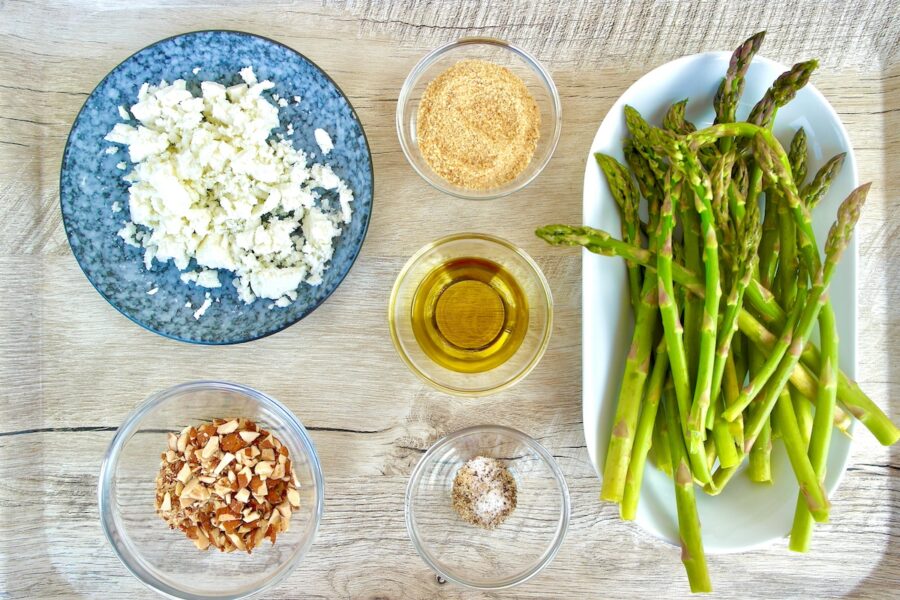
Ingredients:
- 1 pound fresh asparagus, trimmed
- 2 tablespoons olive oil
- 1/4 cup crumbled feta cheese
- 1/4 cup sliced almonds, toasted
- Salt and freshly ground black pepper to taste
- Optional: Lemon zest or a squeeze of fresh lemon juice for garnish
Instructions:
- Preheat Oven: Preheat your oven to 200°C (400°F).
- Prepare Asparagus: Wash the asparagus thoroughly and trim off the woody ends. If the stalks are particularly thick, you can peel the lower third of each spear.
- Toss with Olive Oil: In a large bowl, toss the trimmed asparagus with olive oil, salt, and pepper until evenly coated.
- Arrange on Baking Sheet: Spread the asparagus in a single layer on a baking sheet. Ensure there is adequate space between the spears to allow for proper roasting.
- Roast: Roast for 10-15 minutes, or until the asparagus is tender-crisp and lightly browned. The exact time will depend on the thickness of the asparagus spears.
- Add Feta and Almonds: Remove the baking sheet from the oven. Sprinkle the crumbled feta cheese and toasted almonds over the roasted asparagus.
- Return to Oven (Optional): For a slightly softer feta and more toasted almonds, return the baking sheet to the oven for another 2-3 minutes, or until the feta is warmed through and the almonds are fragrant. Watch carefully to prevent the almonds from burning.
- Serve: Transfer the roasted asparagus to a serving dish. Garnish with fresh lemon zest or a squeeze of lemon juice, if desired. Serve immediately.
Storage and Nutritional Information
Leftover roasted asparagus with feta and almonds should be cooled to room temperature before being stored in an airtight container in the refrigerator for up to 2-3 days. For optimal results when reheating, use an oven at 180°C (350°F) for a few minutes to help restore some crispness.
The nutritional profile of this dish is noteworthy. Beyond the benefits of asparagus, the inclusion of feta provides calcium and protein, while almonds contribute healthy monounsaturated fats, fiber, and additional protein. The olive oil adds beneficial monounsaturated fats and antioxidants. This combination results in a dish that is not only delicious but also contributes positively to a balanced and healthy diet.
The author, Elena Paravantes, MS, RDN, is a Registered Dietitian Nutritionist with extensive expertise in the Mediterranean Diet. Her work has been featured in numerous reputable publications, underscoring her authority on healthy eating and Mediterranean culinary practices. This recipe is a testament to her commitment to creating flavorful and nutritionally sound dishes.