
Easy Blender Red Pepper Sauce

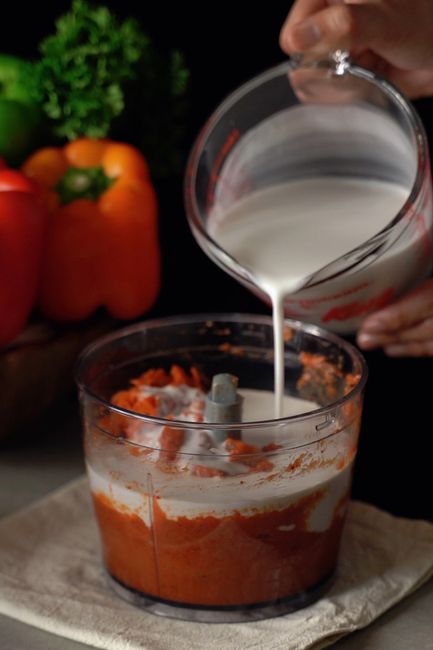
Effortless Blender Red Pepper Sauce: A Versatile Culinary Staple
Creating a vibrant and delicious red pepper sauce from scratch has never been simpler than with this easy blender recipe. This adaptable sauce, requiring minimal prep and cook time, transforms ordinary ingredients into a flavor powerhouse. Its smooth texture and bright, slightly sweet, and smoky notes make it a perfect accompaniment to a vast array of dishes, from pasta and grilled meats to dips and sandwiches. The beauty of this recipe lies in its simplicity and its ability to be customized to individual taste preferences. Whether you’re a seasoned home cook looking for a quick flavor boost or a beginner seeking an impressive yet accessible recipe, this blender red pepper sauce is a game-changer. We will delve into the core ingredients, the straightforward preparation process, variations for flavor enhancement, storage solutions, and a comprehensive exploration of its culinary applications. The goal is to provide a detailed guide that empowers you to confidently recreate this versatile sauce and integrate it into your regular cooking repertoire.
The foundational elements of this easy blender red pepper sauce are remarkably few, emphasizing fresh, readily available ingredients. The star, of course, is the red bell pepper. Opt for ripe, firm red bell peppers, as their sweetness and vibrant color are crucial to the sauce’s appeal. The quantity will depend on your desired batch size, but generally, 2-3 medium to large red bell peppers will yield a substantial amount. Roasting the red peppers is an optional but highly recommended step that significantly deepens their flavor, imparting a subtle smoky char that elevates the sauce from good to exceptional. Roasting can be done by charring them directly over a gas flame, under a broiler, or in a hot oven until the skin is blackened and blistered. Once roasted, the peppers are typically peeled and deseeded to ensure a smooth sauce texture. If time is a constraint, using jarred roasted red peppers is a convenient alternative, though the flavor profile will be slightly less complex.
Beyond the peppers, aromatics play a vital role in building the sauce’s flavor base. Garlic is indispensable, providing a pungent counterpoint to the sweetness of the peppers. A few cloves are usually sufficient, but adjust according to your garlic preference. Onion, typically a yellow or white variety, contributes another layer of sweetness and depth. It’s usually sautéed until softened and translucent to mellow its sharp bite before being blended. A splash of olive oil or another neutral cooking oil is necessary for sautéing the aromatics and for contributing to the sauce’s smooth consistency.
Liquid components are essential for achieving the desired sauce consistency and for binding the flavors together. Water is the simplest option, but for a richer sauce, consider using vegetable broth or chicken broth, depending on your dietary needs and the intended use of the sauce. A touch of acidity is crucial for balancing the sweetness of the peppers and the richness of the other ingredients. Red wine vinegar or apple cider vinegar are excellent choices, providing a bright tang. Lemon juice can also be used, offering a fresher, more citrusy acidity. Seasoning is paramount, with salt and freshly ground black pepper being the non-negotiable staples. A pinch of sugar can be added if your peppers aren’t exceptionally sweet or if you desire a more pronounced sweetness, though this is often unnecessary.
The preparation of this blender red pepper sauce is designed for maximum efficiency. Begin by preparing the red peppers. If roasting from fresh, preheat your oven to 400°F (200°C) or prepare your grill. Place the whole red bell peppers on a baking sheet or directly on the grill grates. Roast, turning occasionally, until the skins are charred and blistered on all sides, about 20-30 minutes. Alternatively, you can char them over a gas burner, turning with tongs until blackened. Once roasted, immediately place the peppers in a bowl and cover tightly with plastic wrap or a lid. Allow them to steam for about 10-15 minutes; this makes peeling the skin much easier. Once cooled enough to handle, peel away the charred skin, remove the stems, and core the peppers, discarding the seeds and membranes. If using jarred roasted red peppers, simply drain them.
While the peppers are steaming, prepare your aromatics. Finely mince the garlic cloves and dice the onion. Heat a tablespoon of olive oil in a skillet over medium heat. Add the diced onion and sauté until softened and translucent, about 5-7 minutes. Add the minced garlic and cook for another minute until fragrant, being careful not to burn it.
Once the peppers are prepped and the aromatics are sautéed, it’s time for the blending stage. Transfer the peeled and deseeded roasted red peppers, the sautéed onion and garlic mixture, a splash of olive oil (start with 1-2 tablespoons), your chosen liquid (water, broth, or a combination, starting with about 1/4 cup), and the vinegar or lemon juice to your blender. Season generously with salt and freshly ground black pepper.
Begin blending on a low speed, gradually increasing to high. Blend until the sauce is completely smooth and emulsified. You may need to stop the blender and scrape down the sides a few times. If the sauce is too thick, add more liquid, a tablespoon at a time, until you reach your desired consistency. Taste and adjust seasonings as needed. If you find it too tart, a tiny pinch of sugar can be added. If it needs more zip, a little more vinegar or lemon juice can be incorporated.
For those who prefer a richer, more complex flavor profile, several variations can elevate this basic recipe. Consider adding a pinch of smoked paprika during the sautéing stage with the onions and garlic to enhance the smoky notes. A dash of cayenne pepper or red pepper flakes can introduce a pleasant level of heat. For an herbaceous twist, fresh basil, parsley, or thyme can be added to the blender along with the other ingredients. If you’re aiming for a slightly sweeter and more robust flavor, a roasted red bell pepper and tomato combination works wonderfully; simply add a ripe, cored, and roughly chopped tomato to the roasting pan with the peppers. A spoonful of sun-dried tomatoes (oil-packed, drained) can also provide an intense burst of umami and sweetness. For a creamier sauce, a tablespoon or two of heavy cream, coconut milk, or even a dollop of plain Greek yogurt can be blended in at the end. Nutritional yeast can be added for a subtle cheesy, umami flavor, making it a fantastic vegan option.
Proper storage is key to maximizing the lifespan and versatility of your homemade red pepper sauce. Once cooled completely, transfer the sauce to an airtight container or glass jar. Refrigerated, this sauce will typically keep well for 4-5 days. For longer storage, freezing is an excellent option. You can freeze the sauce in portion-sized containers, ice cube trays (for small dollops), or freezer bags. Frozen, it can last for up to 2-3 months. When ready to use, thaw frozen sauce in the refrigerator overnight or gently reheat it on the stovetop or in the microwave. Stir well before serving, as some separation may occur during storage, especially if you’ve incorporated creamy elements.
The culinary applications of this easy blender red pepper sauce are nearly limitless, making it an invaluable addition to any kitchen. Its primary use is as a pasta sauce, where its vibrant color and rich flavor can transform simple spaghetti or penne into a gourmet meal. Toss it with cooked pasta, and for an extra touch, add some sautéed vegetables like zucchini, mushrooms, or spinach, and perhaps some grilled chicken or shrimp.
As a condiment, it shines. Spread it generously on sandwiches and wraps, adding a flavorful punch that’s far more interesting than plain mayonnaise or mustard. It’s a fantastic dip for crudités, crackers, or pita bread. Serve it alongside grilled or roasted meats, poultry, and fish, where its bright, slightly sweet, and smoky notes cut through richness and complement savory flavors beautifully. It can also be used as a base for other sauces, such as a spicy arrabbiata by adding more chili, or a creamy rosé by incorporating cream or coconut milk.
For breakfast enthusiasts, it’s a delightful addition to huevos rancheros, shakshuka, or even scrambled eggs. Dollop it onto a baked potato or sweet potato for an instant flavor upgrade. It can be incorporated into dips and spreads, like a red pepper hummus or a blended feta dip. Consider using it as a topping for pizzas or flatbreads, creating a unique and flavorful base. When roasting vegetables like Brussels sprouts, cauliflower, or potatoes, toss them with a little of this sauce before roasting for an incredibly flavorful side dish. Even a small amount stirred into a soup or stew can impart a wonderful depth of flavor and a beautiful color. The adaptability of this sauce means it can be an everyday staple or a special occasion enhancement, depending on how you choose to incorporate it. Mastering this simple blender recipe opens up a world of flavor possibilities, proving that delicious and versatile sauces don’t need to be complicated.


