
Osso Bucco Style Beef Shank

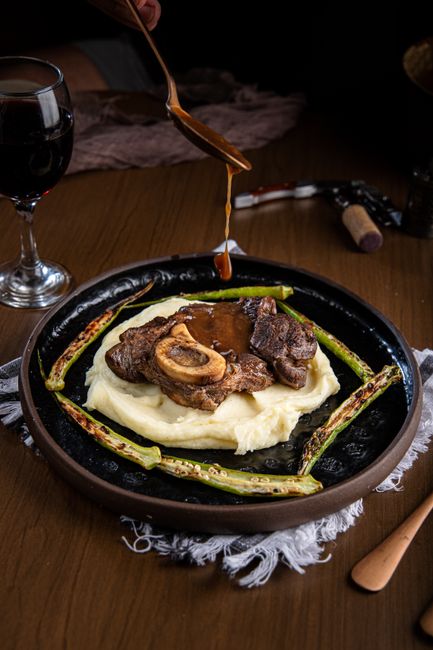
Osso Bucco Style Beef Shank: A Deep Dive into Flavor and Technique
Osso bucco, a classic Italian dish, translates literally to "bone with a hole," referring to the signature cross-cut beef shank bone that is the centerpiece of this rich and flavorful braise. The marrow within the bone is prized for its unctuous texture and contributes significantly to the dish’s luxurious mouthfeel and deep umami profile. While traditionally made with veal, beef shanks offer a more robust flavor and are widely available, making osso bucco style beef shank an accessible yet impressive culinary endeavor. This article explores the intricacies of preparing this dish, from selecting the right cut of beef to achieving the perfect tender texture and nuanced sauce.
Choosing the Right Beef Shank for Osso Bucco
The success of osso bucco hinges on the quality and cut of the beef shank. For optimal results, opt for cross-cut beef shanks. These should be at least 1.5 to 2 inches thick, showcasing a generous portion of bone and surrounding muscle. Look for well-marbled meat, as the intramuscular fat will render during the long braising process, contributing to tenderness and flavor. Avoid shanks that are too lean, as they can become dry. The ideal beef shank will have a visible circle of bone in the center, with marrow clearly visible within. Many butchers will happily cut shanks to your desired thickness; don’t hesitate to request this. The origin of the beef can also play a role; grass-fed beef may have a slightly different flavor profile and texture compared to grain-fed. Experimentation can lead to personal preferences. The color of the meat should be a bright, healthy red, indicating freshness. Aging of the beef can also impart additional depth of flavor, so if a butcher offers dry-aged shanks, consider them.
The Essential Components of a Flavorful Osso Bucco Braise
A true osso bucco is characterized by its slow braising process, which transforms tough connective tissues into gelatin, resulting in meltingly tender meat. The braising liquid is crucial for infusing the beef with layers of flavor. A foundational aromatic mirepoix, comprised of finely diced onions, carrots, and celery, is sautéed until softened and slightly caramelized. This forms the base for the sauce’s complexity. Garlic, minced, adds pungency and depth. Dry white wine is essential for deglazing the pan, lifting any browned bits from the bottom, and contributing acidity and a subtle fruity note. Low-sodium beef broth or stock provides the primary liquid for the braise, ensuring ample moisture for the slow cooking process. Tomato paste, sautéed until it darkens, intensifies the tomato flavor and adds a touch of sweetness and body to the sauce. Fresh herbs, such as thyme, rosemary, and bay leaves, are typically added to the braising liquid to impart their aromatic qualities. A splash of milk or cream can be added towards the end of cooking or when finishing the sauce for added richness, though this is a matter of regional variation and personal preference.
The Technique: Browning and Deglazing for Maximum Flavor
The initial searing of the beef shanks is a critical step that develops crucial flavor through the Maillard reaction. Pat the beef shanks thoroughly dry with paper towels; moisture hinders browning. Season generously with salt and freshly ground black pepper. Heat a heavy-bottomed Dutch oven or oven-safe pot over medium-high heat with a high smoke point oil, such as canola or grapeseed oil. Once the oil is shimmering, carefully add the beef shanks, ensuring not to overcrowd the pot. Brown each side until a deep, golden-brown crust forms. This may take several minutes per side. Remove the browned shanks and set aside.
Deglazing is the next vital step. Reduce the heat to medium and add the diced mirepoix to the same pot. Cook, stirring frequently, until the vegetables are softened and beginning to caramelize, about 8-10 minutes. Add the minced garlic and cook for another minute until fragrant, being careful not to burn it. Add the tomato paste and cook, stirring constantly, for 1-2 minutes until it darkens and becomes fragrant, indicating that its raw flavor has been cooked out. Pour in the dry white wine, scraping the bottom of the pot with a wooden spoon to loosen all the browned bits of meat and vegetables. Let the wine simmer and reduce by about half, allowing the alcohol to evaporate and the flavors to concentrate.
Building the Braising Liquid and Slow Cooking
Once the wine has reduced, return the browned beef shanks to the pot, nestling them into the vegetables. Add enough beef broth or stock to come about two-thirds of the way up the sides of the shanks. Submerge the fresh herbs (thyme sprigs, rosemary sprigs, bay leaves) into the liquid. Bring the liquid to a gentle simmer on the stovetop.
Preheat your oven to 325°F (160°C). Cover the Dutch oven tightly with its lid. Transfer the pot to the preheated oven and allow the osso bucco to braise slowly and gently. The slow cooking process is paramount for tenderizing the beef. The braising time will vary depending on the thickness of the shanks, but typically ranges from 2.5 to 3.5 hours, or until the beef is fork-tender and easily pulls away from the bone. Check periodically to ensure the liquid hasn’t evaporated too much; add more broth or water if necessary. The goal is to maintain a gentle simmer throughout the braising process, not a rolling boil, which can toughen the meat.
Finishing the Sauce and Gremolata
Once the beef shanks are tender, carefully remove them from the pot and set them aside. Strain the braising liquid through a fine-mesh sieve into a clean saucepan, discarding the solids (vegetables and herbs). Skim off any excess fat from the surface of the strained liquid. Return the saucepan to medium heat and bring the liquid to a simmer. Continue to simmer, reducing the liquid until it has thickened into a rich, glossy sauce. This may take 15-30 minutes, depending on how much liquid you started with. Season the sauce with salt and freshly ground black pepper to taste. If a richer sauce is desired, a knob of cold butter can be whisked into the sauce off the heat just before serving.
A traditional osso bucco is always finished with gremolata, a bright and zesty condiment that cuts through the richness of the braise. To make gremolata, finely mince fresh parsley, lemon zest, and garlic. Combine these ingredients in a small bowl. The contrast of the fresh, herbaceous, and citrusy gremolata with the deep, savory osso bucco is what elevates this dish to its iconic status.
Serving Suggestions for Osso Bucco Style Beef Shank
Osso bucco is traditionally served with risotto alla Milanese, a creamy saffron-infused rice dish that complements the richness of the shank perfectly. The vibrant yellow of the saffron also provides a beautiful visual contrast. Other excellent accompaniments include creamy polenta, mashed potatoes, or a simple side of crusty bread to soak up the incredible sauce. When plating, place a beef shank in the center of the plate, spooning a generous amount of the finished sauce over it. Sprinkle liberally with the freshly made gremolata just before serving. The bone marrow should be scooped out and enjoyed, often spread on toast or mixed into the risotto.
Variations and Modern Interpretations
While the classic recipe is time-tested, there are numerous variations that can be explored. For a deeper, more complex flavor, some recipes incorporate a splash of red wine alongside or instead of white wine. A touch of balsamic vinegar can add a subtle sweetness and acidity. For those who prefer a more intensely tomato-forward sauce, crushed tomatoes can be added to the braising liquid. Some modern interpretations might include additions like mushrooms, olives, or even a hint of spice from chili flakes. The key is to maintain the slow braising technique and the balance of savory, aromatic, and acidic elements. Experimentation with different herbs, such as tarragon or marjoram, can also yield interesting results.
Nutritional Considerations and Health Benefits of Beef Shank
Beef shank, while a rich cut, offers notable nutritional benefits. It is an excellent source of high-quality protein, essential for muscle repair and growth. It is also a good source of B vitamins, particularly B12, which is crucial for nerve function and DNA synthesis, and niacin, important for energy metabolism. Iron is another key nutrient found in beef shank, vital for oxygen transport in the blood and preventing anemia. The collagen present in the connective tissues of the shank breaks down into gelatin during cooking, which is believed to have benefits for joint health and skin elasticity. While the dish is inherently rich due to the braising liquid and marrow, the leaner aspects of the beef can be partially trimmed before browning for those mindful of fat content. However, the fat is integral to the dish’s texture and flavor, so moderation and mindful preparation are key.
Culinary Significance and Cultural Context
Osso bucco holds a significant place in Italian cuisine, particularly Lombardy, where it is a beloved regional specialty. Its origins are deeply rooted in the culinary traditions of Milan. The dish embodies the principles of slow cooking and resourcefulness, transforming a less tender cut of meat into a dish of exquisite flavor and texture. It is a dish often associated with celebratory meals and family gatherings, reflecting the communal nature of Italian dining. The tradition of serving it with risotto alla Milanese further solidifies its cultural identity and culinary importance. The artistry lies in coaxing maximum flavor from humble ingredients through patience and technique.
Troubleshooting Common Osso Bucco Issues
Overcooked meat: If the beef becomes too dry and falls apart excessively, it may have been braised for too long or at too high a temperature. Reduce cooking time and ensure a consistent, gentle simmer.
Tough meat: If the meat remains tough after the recommended braising time, it likely needs more time. Continue braising at a low temperature until tender. Ensure sufficient liquid is present.
Sauce too thin: If the sauce remains watery after reducing, you can thicken it further by simmering it uncovered for a longer period, or by creating a beurre manié (a paste of equal parts butter and flour) and whisking it into the simmering sauce.
Bland flavor: Insufficient seasoning during the browning and braising stages can lead to a dull flavor. Ensure generous seasoning of the shanks and the mirepoix. The quality of the beef broth also plays a significant role.
Slightly bitter taste: If garlic is burned during sautéing or if certain herbs are overcooked, a bitter note can develop. Be mindful of cooking times for aromatics.
The enduring appeal of osso bucco style beef shank lies in its ability to deliver profound flavor and satisfying tenderness through a process that, while requiring time, is remarkably straightforward. By understanding the key elements of ingredient selection, meticulous technique, and patient braising, home cooks can consistently produce this classic Italian masterpiece. The rich marrow, the succulent beef, and the fragrant, reduced sauce, all crowned with the bright zing of gremolata, make for an unforgettable culinary experience that celebrates the art of slow cooking.


