
Skinny Seven Layer Dip
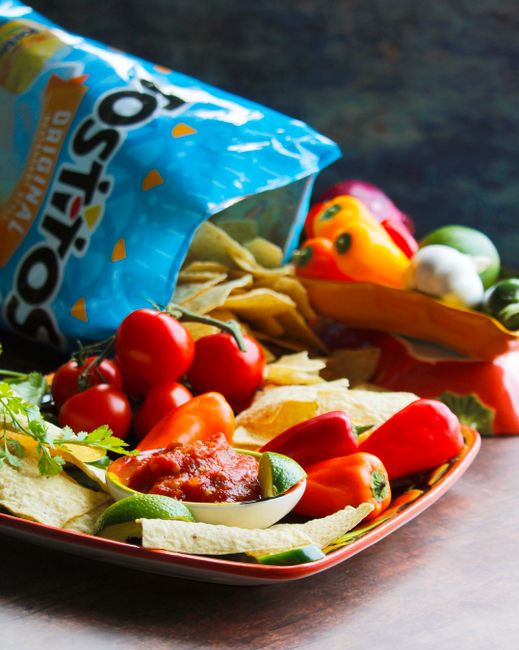
Skinny Seven Layer Dip: A Lighter Take on a Crowd-Pleasing Classic
This article explores the creation and benefits of a skinny seven-layer dip, a lighter interpretation of the beloved party appetizer. We’ll delve into ingredient substitutions, preparation methods, and nutritional advantages, aiming to provide a comprehensive guide for health-conscious individuals seeking to enjoy this classic without the traditional calorie and fat load. The focus will be on maximizing flavor and texture while minimizing less desirable nutritional components.
The foundation of a traditional seven-layer dip typically involves calorie-dense ingredients like sour cream and full-fat cheese. Our skinny version prioritizes lighter alternatives that deliver similar satisfaction. For instance, plain Greek yogurt, specifically non-fat or low-fat varieties, can effectively replace a significant portion of the sour cream. Greek yogurt offers a creamy texture and a tangy flavor profile that complements the other layers beautifully. Its higher protein content also contributes to increased satiety, making the dip a more filling option. When selecting Greek yogurt, opt for plain to avoid added sugars, which can significantly increase the calorie count. It’s crucial to taste and adjust seasoning as Greek yogurt can sometimes be more tart than sour cream. A touch of lemon juice or a pinch of salt can help balance the flavors.
Another area for calorie reduction lies in the cheese layer. Instead of relying solely on full-fat cheddar or Monterey Jack, a blend of reduced-fat cheeses can be employed. Consider using a reduced-fat Mexican cheese blend, which often contains Monterey Jack and Colby Jack, or a mix of reduced-fat cheddar and a lighter hard cheese like Parmesan. Some recipes might even incorporate a sprinkle of cotija cheese for its salty bite, which can be used sparingly due to its potent flavor. The key is to achieve cheesy satisfaction without the excessive saturated fat found in full-fat versions. Often, the perceived "richness" of the cheese comes from its saltiness and umami, qualities that can be achieved with smaller amounts of reduced-fat options. Grating the cheese finely also helps distribute it more evenly and can make a smaller quantity feel more substantial.
The "bean" layer is another crucial component of seven-layer dip. While refried beans are traditional, they are often prepared with lard or oil, adding significant fat. Our skinny iteration can utilize lighter refried beans, often found in the canned goods aisle and specifically labeled as "fat-free" or "reduced-fat." Alternatively, a layer of mashed black beans or pinto beans, seasoned with cumin, chili powder, and a hint of garlic and onion powder, can serve as a healthier substitute. To achieve a creamy texture without added fat, mash the beans with a little vegetable broth or water. This approach allows for control over the sodium content as well, which is often high in canned refried beans. Rinsing canned beans thoroughly before mashing also helps reduce their sodium and can improve their overall flavor.
The salsa layer is generally a lower-calorie component, but choosing wisely is still important for a skinny version. Opt for a fresh pico de gallo, which is made with chopped tomatoes, onions, cilantro, and jalapeños. This provides vibrant flavor and a refreshing crunch without added sugars or fats. If using store-bought salsa, select brands that are low in sodium and sugar. Many commercially available salsas contain added thickeners and preservatives; a simpler, more natural option will always be healthier. Exploring different types of salsa, like a roasted red pepper salsa or a corn salsa, can also add variety and flavor dimensions to the dip. The key is a salsa that is flavorful on its own, requiring minimal additional seasoning.
Moving to the guacamole layer, this can be a nutritional powerhouse of healthy fats when prepared correctly. While avocados are calorie-dense, their monounsaturated fats are beneficial for heart health. For a skinny seven-layer dip, we’re not eliminating the guacamole, but rather ensuring its preparation is as clean as possible. This means focusing on fresh ingredients: ripe avocados, lime juice, chopped red onion, cilantro, and a pinch of salt. Avoid pre-made guacamole, which can contain preservatives and unhealthy oils. The acidity from the lime juice not only brightens the flavor but also helps prevent browning. Some variations might incorporate a small amount of plain Greek yogurt into the guacamole to lighten it further, but this should be done cautiously to avoid altering the signature avocado flavor. The ideal consistency is chunky, providing a pleasing texture against the smoother layers below.
The "topping" layers often include shredded lettuce and diced tomatoes. These are inherently healthy and low in calories, so no significant modifications are needed here. However, the quality of the produce matters. Fresh, crisp romaine lettuce provides a satisfying crunch, and ripe, juicy tomatoes add a burst of sweetness and acidity. For added flavor and a touch of heat, finely diced jalapeños can be incorporated into the tomato layer or sprinkled on top. The visual appeal of the dip is significantly enhanced by these fresh, colorful elements. Ensuring these vegetables are finely and uniformly chopped will create a more cohesive and enjoyable eating experience.
Finally, the consideration of how the skinny seven-layer dip is assembled and served is as important as the ingredient choices. The order of the layers is crucial for both structural integrity and the ultimate flavor experience. A typical order from bottom to top includes: refried beans (or mashed beans), guacamole, salsa, Greek yogurt (or a sour cream/yogurt blend), reduced-fat cheese, lettuce, and tomatoes. Spreading each layer evenly and pressing down gently ensures a compact and easily scoopable dip. The fat content of the underlying layers helps to prevent the drier top layers from becoming too crumbly.
The preparation process for a skinny seven-layer dip is straightforward and doesn’t require advanced culinary skills. Most of the ingredients are prepared raw or require simple mashing and chopping. The most time-consuming part is often the chopping of vegetables. To save time, especially when entertaining, pre-chopped vegetables can be a convenient option, though fresh chopping will always yield superior flavor and texture. When making the bean layer, mashing with a fork or potato masher works well. For the Greek yogurt layer, simply whisk it with a little seasoning if desired. The cheese should be grated, and the lettuce and tomatoes chopped finely.
The nutritional benefits of a skinny seven-layer dip are numerous, particularly when compared to its full-fat counterpart. By reducing saturated fat and calories, this lighter version is more heart-healthy and suitable for individuals managing their weight or dietary fat intake. The increased protein from the Greek yogurt contributes to satiety, helping to curb cravings and prevent overeating. The fiber content, primarily from the beans and fresh vegetables, aids in digestion and promotes a feeling of fullness. Furthermore, the dip provides essential vitamins and minerals from the fresh produce and healthy fats from the avocado. The key takeaway is that a "skinny" version doesn’t mean sacrificing flavor; it means making informed ingredient choices that prioritize nutritional value.
To optimize the SEO of this article, keywords such as "skinny seven layer dip," "healthy seven layer dip," "low-calorie dip," "lightened-up appetizer," "Greek yogurt dip," "fat-free refried beans," "healthy party food," and "nutritious appetizer" should be strategically incorporated throughout the text. Internal linking to other healthy recipe articles or ingredient guides on a website would further enhance SEO performance. External links to reputable health and nutrition websites can also lend credibility. Image alt text for any accompanying images should also be descriptive and keyword-rich.
The versatility of a skinny seven-layer dip extends beyond just a party appetizer. It can be enjoyed as a nutritious snack, a light lunch option paired with a salad, or even as a topping for baked potatoes or sweet potatoes. The possibilities are numerous, making it a valuable addition to any healthy eating repertoire. When serving, consider offering a variety of dippers. Whole-wheat tortilla chips, vegetable sticks like carrots, celery, bell peppers, and cucumber, or even whole-grain crackers are excellent choices that complement the healthy nature of the dip.
When it comes to sourcing ingredients for a skinny seven-layer dip, focus on fresh, whole foods. Prioritize ripe avocados, fresh herbs like cilantro, and vibrant vegetables. When purchasing canned goods, carefully read labels to select options with the lowest sodium and fat content, and without added sugars or preservatives. For dairy, choose plain, non-fat or low-fat Greek yogurt and reduced-fat cheeses. Buying in bulk for staples like beans and spices can also be a cost-effective strategy.
For those with dietary restrictions or preferences, the skinny seven-layer dip is highly adaptable. It can be made vegan by substituting the Greek yogurt with a plant-based alternative like cashew cream or a dairy-free yogurt, and ensuring the cheese layer uses a vegan cheese. For individuals seeking to reduce sodium further, opting for low-sodium canned beans and controlling the salt added during preparation is essential. Using fresh herbs and spices, rather than salt, to enhance flavor is a widely recommended strategy for managing sodium intake.
The aesthetic appeal of a skinny seven-layer dip is also an important consideration. The layers should be distinct and visually appealing. A clear serving dish is ideal for showcasing the vibrant colors of the ingredients. Garnish can elevate the presentation further. A sprinkle of fresh cilantro, a few thin slices of jalapeño, or a drizzle of reduced-fat sour cream can add a professional touch. The visual appeal often influences perceived taste, so taking a moment for presentation can enhance the overall enjoyment of the dish.
In conclusion, the skinny seven-layer dip represents a smart and delicious evolution of a classic. By intelligently substituting ingredients and focusing on fresh, whole foods, it’s possible to enjoy all the flavor and satisfaction of a traditional seven-layer dip with significantly improved nutritional value. This lighter, healthier version caters to a growing demand for nutritious yet crowd-pleasing appetizers, proving that “skinny” doesn’t have to mean compromise. Its adaptability, ease of preparation, and wealth of health benefits make it an indispensable recipe for any health-conscious entertainer or individual looking to enjoy a flavorful, guilt-free treat.





