
Red Cabbage And Apples

Red Cabbage and Apples: A Nutritional Powerhouse for Optimal Health and Culinary Versatility
Red cabbage and apples, often found together in a variety of savory and sweet dishes, represent a potent nutritional duo. Their combined properties offer a wide spectrum of health benefits, from antioxidant protection and digestive support to enhanced immune function and potential cancer prevention. This article delves into the specific nutritional profiles of each ingredient, explores their synergistic effects, and highlights their considerable culinary applications, making them indispensable components of a health-conscious diet.
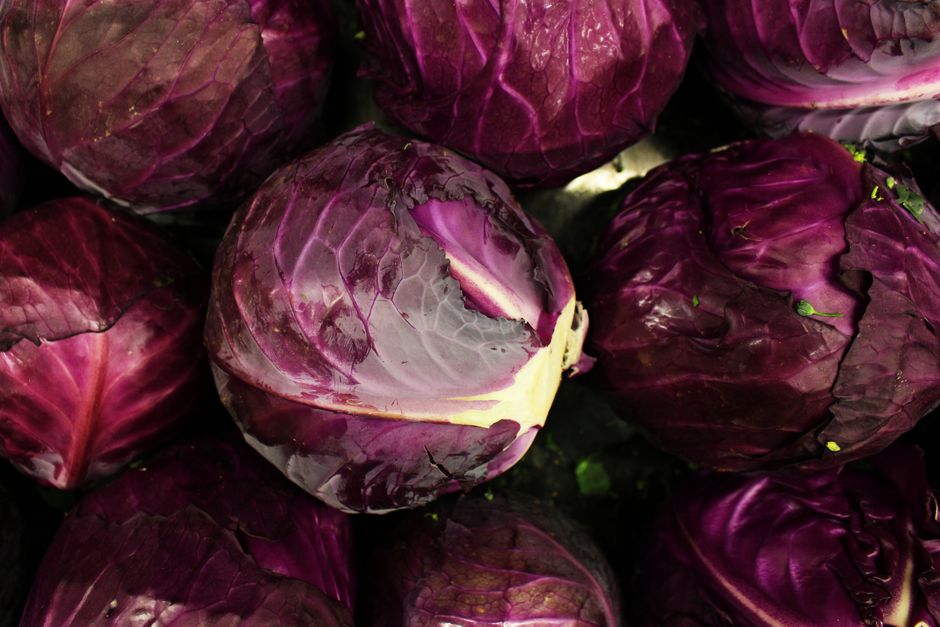
Red cabbage, scientifically known as Brassica oleracea var. capitata f. rubra, is a cruciferous vegetable celebrated for its vibrant purple hue. This color is not merely aesthetic; it signifies the presence of powerful anthocyanins, a class of flavonoids that act as potent antioxidants. Beyond anthocyanins, red cabbage is a rich source of vitamins and minerals essential for human health. It provides significant amounts of Vitamin C, a vital nutrient for immune system function, collagen synthesis, and as an antioxidant itself. Vitamin K is another key nutrient found in red cabbage, crucial for blood clotting and bone health. Furthermore, it contains Vitamin A in the form of beta-carotene, important for vision and skin health. The mineral content of red cabbage includes potassium, manganese, and smaller amounts of iron and calcium. Fiber is abundant in red cabbage, playing a critical role in digestive health, promoting regular bowel movements, and contributing to a feeling of fullness, which can aid in weight management. The phytonutrients in red cabbage, beyond anthocyanins, include glucosinolates, compounds that, upon breakdown, can form isothiocyanates. These compounds have demonstrated anti-inflammatory and potential anti-cancer properties.
Apples, originating from the species Malus domestica, are among the most widely consumed fruits globally. Their nutritional value is equally impressive, offering a different but complementary set of health-promoting compounds. The primary health benefits of apples are often attributed to their fiber content, particularly pectin, a soluble fiber that ferments in the gut, feeding beneficial bacteria and promoting a healthy microbiome. Pectin also contributes to lowering cholesterol levels by binding to bile acids. Apples are also a good source of Vitamin C, though typically in lower concentrations than red cabbage. They contain various other antioxidants, including quercetin, catechin, and chlorogenic acid. The skin of the apple is particularly rich in these antioxidants, making it advisable to consume apples with their skin intact whenever possible. While not as mineral-dense as red cabbage, apples provide trace amounts of potassium and other essential minerals. The sweetness of apples, derived from natural sugars like fructose, makes them an appealing and healthier alternative to processed sweets.
The synergy between red cabbage and apples in terms of health benefits is remarkable. The anthocyanins in red cabbage and the quercetin and other flavonoids in apples work in concert to provide powerful antioxidant effects, combating oxidative stress and cellular damage caused by free radicals. This combined antioxidant capacity can contribute to reducing the risk of chronic diseases, including heart disease, certain cancers, and neurodegenerative disorders. The high fiber content of both ingredients, particularly the soluble fiber in apples (pectin) and the varied fiber types in red cabbage, offers significant benefits for digestive health. This dual fiber action supports a healthy gut microbiome, aids in nutrient absorption, and can help regulate blood sugar levels. Furthermore, the anti-inflammatory properties of compounds found in both red cabbage (isothiocyanates) and apples (flavonoids) can help mitigate chronic inflammation, a known contributor to a wide range of health issues. The Vitamin C present in both ingredients bolsters the immune system, enhancing the body’s ability to fight off infections. The water content of both red cabbage and apples contributes to hydration, an often-overlooked aspect of overall health.
From a culinary perspective, the pairing of red cabbage and apples is a classic for a reason, offering a delightful interplay of textures and flavors. The slight bitterness and peppery notes of red cabbage are beautifully balanced by the sweetness and subtle tartness of apples. This combination lends itself to a wide array of preparations, making it a versatile ingredient in diverse cuisines.
One of the most popular and accessible ways to enjoy this duo is in a braised or sautéed dish. Thinly sliced red cabbage and diced or sliced apples are typically cooked together with a liquid base, which can include apple cider, red wine, or a simple vegetable broth. Aromatics like onion, garlic, and spices such as caraway seeds, juniper berries, or cinnamon are often added to enhance the flavor profile. The slow cooking process softens the cabbage, melds the flavors, and creates a tender, slightly sweet, and savory side dish that pairs exceptionally well with roasted meats, poultry, or pork. The natural sugars from the apples caramelize during cooking, adding a delightful depth of sweetness.
A raw preparation, such as a slaw, is another excellent way to showcase red cabbage and apples. Finely shredded red cabbage and julienned or grated apples are tossed with a vinaigrette. The vinaigrette can be a simple lemon-juice-and-olive-oil base, or it can incorporate ingredients like apple cider vinegar, Dijon mustard, honey, or maple syrup for added complexity. Nuts, such as walnuts or pecans, and dried cranberries or raisins can be added to enhance texture and flavor. This raw salad offers a refreshing crunch and a vibrant burst of flavor, making it a perfect accompaniment to grilled dishes, sandwiches, or as a standalone light meal. The crispness of the raw ingredients is preserved, offering a different textural experience compared to cooked preparations.
The natural sweetness of apples also makes them a valuable addition to dishes where red cabbage is the primary focus, providing a counterpoint to its earthier notes. In stews and hearty soups, adding diced apples towards the end of the cooking process can introduce a subtle sweetness and acidity that brightens the overall flavor. The apples will soften but retain some of their structure, offering pleasing textural contrast.
Red cabbage and apples can also be incorporated into baked goods, albeit less commonly. The sweetness and moisture content of apples can be utilized in savory baked dishes, such as savory tarts or bread, where finely chopped red cabbage and apple can add moisture and a subtle tang.
When selecting red cabbage, look for heads that are firm, heavy for their size, and have crisp outer leaves without wilting or browning. The deeper the purple hue, the richer the anthocyanin content. For apples, choose varieties that suit your intended use. For sweet and tender applications like braising, sweeter varieties like Fuji, Gala, or Honeycrisp are ideal. For a more tart and firm texture in slaws or salads, Granny Smith or Pink Lady apples are excellent choices. It is important to note that the nutritional content can vary slightly based on the variety of apple and the specific growing conditions of both the cabbage and apples.
The ease of preparation and the accessibility of both red cabbage and apples further contribute to their widespread appeal. They are typically available year-round in most grocery stores, making them a consistent option for incorporating into regular meal planning. Their affordability also makes them a budget-friendly way to enhance the nutritional value of meals.
In summary, the combination of red cabbage and apples represents a nutritional powerhouse with significant health benefits and remarkable culinary versatility. Their rich antioxidant profiles, coupled with substantial fiber content and essential vitamins and minerals, contribute to a robust immune system, improved digestive health, and a reduced risk of chronic diseases. From comforting braised dishes to refreshing raw slaws, this dynamic duo offers a delightful and accessible way to enhance the health and flavor of any meal. Incorporating red cabbage and apples into your diet is a simple yet effective strategy for promoting overall well-being and enjoying delicious, wholesome food. The specific compounds and their synergistic effects warrant their consistent inclusion in a balanced and health-conscious eating pattern.


