Beef And Lentil Stew
Hearty Beef and Lentil Stew: A Nutrient-Rich, Flavorful Meal
This article explores the creation and benefits of a beef and lentil stew, a dish renowned for its robust flavor profile and impressive nutritional density. Combining tender chunks of beef with the earthy goodness of lentils, this stew offers a satisfying and wholesome meal suitable for a variety of dietary needs and preferences. The foundation of this recipe lies in slow cooking, allowing the flavors to meld and deepen, resulting in a complex and comforting culinary experience. The beef provides essential protein and iron, while lentils contribute significant fiber, complex carbohydrates, and additional plant-based protein. This synergistic combination makes beef and lentil stew an excellent choice for individuals seeking a filling and health-conscious meal.
The selection of beef is a crucial starting point for any successful beef and lentil stew. For optimal flavor and tenderness, opt for tougher cuts that benefit from long, slow cooking. Chuck roast, brisket, or even stewing beef are ideal candidates. These cuts, when subjected to moist heat over an extended period, break down, rendering them incredibly succulent and infused with the surrounding stew ingredients. When purchasing beef, look for good marbling, which indicates intramuscular fat that will contribute to moisture and flavor during the cooking process. Trimming excess fat before cubing the beef is advisable to prevent the stew from becoming overly greasy, though a moderate amount of fat is desirable for richness. The size of the beef cubes is also important; aim for approximately 1-inch pieces. This size ensures that the beef cooks evenly and remains tender without disintegrating entirely. Browning the beef before adding it to the stew is a fundamental step that contributes significantly to the final depth of flavor. This process, known as the Maillard reaction, creates rich, complex aromas and a desirable crust on the beef’s exterior. It’s essential to brown the beef in batches, avoiding overcrowding the pan. Overcrowding will steam the meat rather than sear it, leading to a less intense flavor and a paler appearance. A hot skillet with a suitable cooking fat, such as vegetable oil, olive oil, or even rendered beef fat, is necessary to achieve this crucial browning.
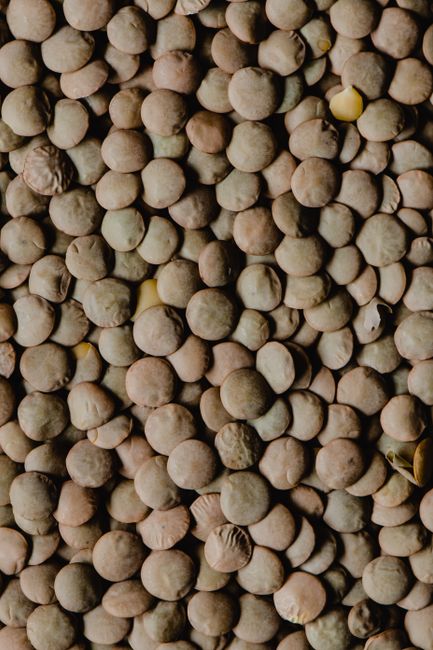
Lentils, the second star of this hearty stew, offer a wealth of nutritional benefits and a satisfying texture. A variety of lentils can be used, each offering slightly different characteristics. Brown and green lentils are excellent choices for stews as they hold their shape well during extended cooking. Red and yellow lentils, on the other hand, tend to break down more readily, thickening the stew and creating a creamier consistency. For this recipe, brown or green lentils are generally preferred for their texture and ability to absorb the stew’s flavors without becoming mushy. Prior to cooking, rinsing the lentils thoroughly under cold water is essential to remove any dirt or debris. Some recipes recommend soaking lentils, particularly older or larger varieties, to reduce cooking time and improve digestibility, although many modern varieties do not require soaking. The quantity of lentils will influence the stew’s thickness; a common ratio is approximately 1 cup of dry lentils per 2 pounds of beef. The lentils should be added to the stew during the simmering process, allowing them to soften and cook through. Their earthy notes complement the richness of the beef, and their high fiber content contributes to the stew’s overall heartiness and satiety.
The aromatic base of the beef and lentil stew is built upon a foundation of mirepoix – a culinary trio of finely diced onions, carrots, and celery. These vegetables, when sautéed, release their natural sugars and develop a sweet, savory foundation that underpins the entire dish. Onions, typically yellow or sweet onions, provide a pungent sweetness and depth. Carrots, with their inherent sweetness and vibrant color, add both flavor and visual appeal, while celery contributes a subtle, savory note and a pleasant textural contrast. The size of the dice for these vegetables should be relatively uniform, ensuring they cook evenly and meld seamlessly into the stew. Sautéing these vegetables in the same pot used for browning the beef allows for the capture of any browned bits (fond) left behind by the meat, further enhancing the stew’s flavor. A moderate amount of cooking fat, such as olive oil or butter, is used to soften and caramelize these aromatics.
Beyond the mirepoix, other aromatics and seasonings play a vital role in elevating the beef and lentil stew. Garlic, minced finely, adds a pungent and savory dimension that is indispensable to many slow-cooked dishes. Bay leaves, a classic addition to stews and braises, impart a subtle, herbaceous aroma that deepens with long cooking. Thyme, both fresh and dried, offers a warm, earthy flavor that complements the beef and lentils beautifully. Rosemary, while more potent, can also be used judiciously for a more pronounced herbal note. Black pepper, freshly ground, provides a gentle heat and pungency. Salt, of course, is essential for enhancing all the other flavors; it’s generally advisable to season the stew incrementally throughout the cooking process, adjusting to taste in the final stages. For a richer, more complex flavor profile, consider incorporating a tablespoon or two of tomato paste. When sautéed briefly with the mirepoix, tomato paste caramelizes, intensifying its savory flavor and adding a subtle acidity that balances the richness of the stew.
The liquid component of the beef and lentil stew is crucial for both cooking the ingredients and developing the desired consistency. Beef broth or stock forms the primary liquid base, providing a rich, savory foundation that enhances the beef’s flavor. Using a high-quality, low-sodium beef broth allows for better control over the final saltiness of the stew. For an even deeper flavor, consider using beef stock, which is typically made from simmering beef bones, imparting a more robust and gelatinous quality. Red wine is another common and highly recommended addition. A dry red wine, such as Merlot, Cabernet Sauvignon, or Pinot Noir, adds acidity, complexity, and a beautiful depth of color to the stew. The alcohol content evaporates during the simmering process, leaving behind only the nuanced flavors of the grape. When adding red wine, it’s often beneficial to deglaze the pot after browning the beef and sautéing the vegetables, scraping up any browned bits from the bottom of the pan to incorporate them into the liquid.
The cooking process for beef and lentil stew is a testament to the power of slow, gentle heat. The stew can be prepared using various methods, including stovetop simmering, oven braising, or a slow cooker. Stovetop simmering involves bringing the stew to a gentle simmer over low heat, covered, for several hours. Oven braising, where the pot is transferred to a preheated oven, offers more consistent heat and can lead to exceptionally tender results. A slow cooker provides ultimate convenience, allowing the stew to cook unattended for extended periods. Regardless of the method chosen, the key is low and slow cooking. This prolonged exposure to moist heat allows the connective tissues in the beef to break down, resulting in fork-tender meat. It also gives the flavors of the beef, lentils, and aromatics ample time to meld and intensify. The initial cooking phase typically involves simmering the stew until the beef is nearly tender, which can take anywhere from 1.5 to 3 hours, depending on the cut of beef and the cooking method.
Once the beef is approaching tenderness, the lentils are added to the stew. The cooking time for lentils can vary, but generally, they will require between 30 minutes and 1 hour to become fully tender. It’s important to monitor the liquid level during this phase, adding more broth or water as needed to maintain a stew-like consistency. As the stew continues to cook, the starches from the lentils will naturally thicken the liquid, contributing to a satisfying viscosity. If a thicker stew is desired, a cornstarch or flour slurry can be used in the final stages of cooking. A slurry is made by whisking together a small amount of cornstarch or flour with an equal amount of cold water or broth until smooth, then stirring it into the simmering stew until it thickens.
The nutritional benefits of beef and lentil stew are substantial. Beef is an excellent source of high-quality protein, essential for muscle growth and repair, as well as iron, which is crucial for oxygen transport in the blood and plays a role in energy production. Iron deficiency anemia is a common concern, and incorporating iron-rich foods like beef into the diet can help prevent or address it. Lentils, on the other hand, are a powerhouse of plant-based nutrition. They are exceptionally high in dietary fiber, both soluble and insoluble, which aids in digestion, promotes satiety, and can contribute to healthy cholesterol levels and blood sugar regulation. Lentils are also a good source of complex carbohydrates, providing sustained energy release, and they offer a significant amount of plant-based protein, making the stew a well-rounded meal for vegetarians and vegans (by omitting the beef). Furthermore, lentils contain various vitamins and minerals, including folate, potassium, magnesium, and phosphorus. The vegetables in the stew, such as carrots and onions, contribute vitamins, minerals, and antioxidants, further enhancing its nutritional profile.
This beef and lentil stew is remarkably versatile and can be adapted to suit various dietary preferences and culinary occasions. For a gluten-free version, ensure all broths and any added thickeners are certified gluten-free. To create a vegetarian or vegan rendition, omit the beef and substitute with additional hearty vegetables such as mushrooms, sweet potatoes, or extra lentils. The base of mirepoix and aromatics can remain, and vegetable broth can be used in place of beef broth. For those seeking a lower-fat option, trim the visible fat from the beef more thoroughly and consider using leaner cuts. The stew can be seasoned with a wide array of herbs and spices to achieve different flavor profiles. For instance, a touch of smoked paprika can add a smoky depth, while a pinch of cayenne pepper can introduce a subtle heat. A splash of Worcestershire sauce, while not vegetarian, can also contribute umami and complexity.
Serving beef and lentil stew is typically a straightforward affair. It is often enjoyed piping hot, straight from the pot. Common accompaniments include crusty bread for dipping, a dollop of sour cream or plain Greek yogurt for a creamy counterpoint, or a scattering of fresh parsley for a burst of freshness. For a more substantial meal, it can be served over mashed potatoes, rice, or even polenta. The rich, savory flavors of the stew lend themselves well to being paired with simple, complementary side dishes that allow the stew’s complex profile to shine. The robust nature of this dish also makes it an excellent candidate for meal preparation, as its flavors often improve with time, making it ideal for leftovers. Stored in an airtight container in the refrigerator, beef and lentil stew can typically be kept for 3-4 days. Freezing is also an option, and the stew can be frozen for up to 3 months. When reheating, it is best to do so gently on the stovetop or in the microwave, adding a splash of broth or water if the stew has become too thick.
In conclusion, beef and lentil stew represents a culinary masterpiece of simplicity and nourishment. Its ability to transform humble ingredients into a deeply satisfying and health-promoting meal is undeniable. The careful selection of beef, the earthy contributions of lentils, the aromatic foundation of vegetables, and the slow, patient cooking process all converge to create a dish that is both comforting and profoundly beneficial. Whether enjoyed as a weeknight staple or a celebratory feast, this beef and lentil stew stands as a testament to the enduring power of well-crafted, wholesome food. Its SEO-friendly nature stems from its descriptive title, the detailed exploration of key ingredients and their benefits, and the comprehensive explanation of the cooking process, all of which are likely to be searched by individuals looking for recipes, nutritional information, and cooking techniques related to this classic dish. The inclusion of terms like "beef stew," "lentil stew," "hearty meal," "protein," "fiber," "iron-rich," and various cooking methods ensures its discoverability for a broad audience seeking this specific culinary experience.