
Apple Pie Ice Cream Topping

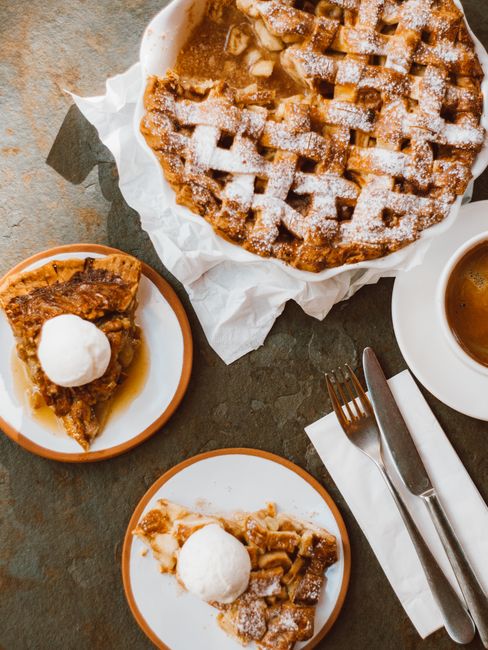
The Ultimate Apple Pie Ice Cream Topping: A Comprehensive Guide
The humble ice cream sundae, a canvas for culinary creativity, finds its apotheosis when adorned with the warm, spiced embrace of apple pie. This isn’t merely a topping; it’s an experience, a nostalgic journey that transforms a simple scoop of vanilla into a symphony of autumnal delight. Apple pie ice cream topping, at its core, is about capturing the essence of a freshly baked apple pie – the tender, caramelized fruit, the fragrant whisper of cinnamon and nutmeg, the subtle sweetness that balances tartness, all rendered in a luscious, spoonable consistency that drapes perfectly over frozen dessert. Its SEO appeal lies in its widespread popularity, the inherent comfort food factor, and the myriad of search queries it attracts, from "best apple pie topping recipe" to "how to make apple pie ice cream sauce." The quest for the perfect apple pie topping involves understanding its fundamental components, exploring variations, mastering preparation techniques, and appreciating its versatile applications.
At its most basic, an apple pie ice cream topping is a cooked mixture of apples, sweeteners, spices, and a liquid base. The selection and preparation of these ingredients are paramount to achieving the desired flavor profile and texture. Apples, the star of the show, dictate much of the topping’s character. For a classic apple pie ice cream topping, a blend of apple varieties is often recommended. Tart apples like Granny Smith provide essential acidity to cut through the sweetness of the ice cream and the topping itself, preventing it from becoming cloying. Their firm texture holds up well during cooking, preventing them from becoming mushy. Complementing these, sweeter apples such as Honeycrisp, Fuji, or Gala contribute natural sugars and a more nuanced flavor. Their softer texture, when cooked, can create a desirable, melt-in-your-mouth quality. The apple cut is also critical. Dicing apples into small, uniform pieces ensures even cooking and a pleasant bite. For a smoother, more sauce-like consistency, some recipes opt for a finer dice or even a light mash after cooking. The objective is to have discernible pieces of apple, not a homogenous puree, unless a specific "apple pie sauce" is the desired outcome.
Sweeteners play a vital role in balancing the tartness of the apples and enhancing their natural sugars. Granulated white sugar is a staple, providing clean sweetness. Brown sugar, however, is often preferred for its molasses undertones, which add a depth of flavor reminiscent of a true apple pie crust. Light brown sugar offers a milder caramel note, while dark brown sugar imparts a richer, more robust molasses flavor. A combination of both white and brown sugar can achieve a well-rounded sweetness. Maple syrup is another excellent sweetener that can infuse the topping with a distinct, earthy sweetness, perfectly complementing the apple and spice flavors. Honey, while offering its own unique floral notes, can sometimes be too dominant, so its use should be considered carefully. The quantity of sweetener will depend on the tartness of the apples and personal preference. It’s often best to start with a conservative amount and adjust as needed during the cooking process.
The soul of apple pie ice cream topping resides in its spice blend. Cinnamon is non-negotiable, providing its warm, woody aroma and taste. Nutmeg, with its slightly sweet, peppery notes, adds complexity and depth. Allspice, a warm spice that combines notes of cinnamon, clove, and nutmeg, can further enhance the complexity. A pinch of ground cloves, while potent, can provide a subtle warmth and pungency. Ginger, either ground or fresh, can introduce a gentle heat and zing. The key is to achieve a harmonious balance; no single spice should overpower the others or the apple flavor. Experimentation is encouraged, as personal preferences for spice levels vary greatly. Some may prefer a subtle whisper, while others desire a more pronounced, zesty kick.
The liquid base acts as a solvent for the sugars and spices, allowing them to meld with the apples, and also contributes to the topping’s viscosity. Water is the simplest option, but can result in a less rich flavor. Apple cider or apple juice, however, offers a concentrated apple essence, amplifying the fruit’s natural flavors. A good quality, unfiltered apple cider is particularly beneficial for its robust taste and natural pectin content, which can contribute to a slightly thicker consistency. For a richer, more decadent topping, unsalted butter can be incorporated. It adds a luxurious mouthfeel and a savory counterpoint to the sweetness. Some advanced recipes might even incorporate a splash of brandy or bourbon for an adult twist, adding a layer of sophisticated warmth.
The preparation of apple pie ice cream topping typically involves a stovetop simmering process. Begin by sautéing the diced apples in a bit of butter or oil, if using, over medium heat. This initial sauté helps to soften the apples slightly and begin the caramelization process, releasing their natural sugars. Once the apples have softened, introduce the sweeteners, spices, and liquid base. Bring the mixture to a gentle simmer, then reduce the heat to low, cover, and cook until the apples are tender. This cooking time can vary depending on the apple variety and the size of the dice, but typically ranges from 15 to 30 minutes. Stirring occasionally prevents sticking and ensures even cooking. As the apples cook, they will release their juices, and the liquid will reduce and thicken.
Achieving the ideal consistency is crucial. Some prefer a slightly chunky topping with distinct apple pieces suspended in a thickened sauce. Others favor a smoother, more syrupy consistency that easily coats the ice cream. To achieve a thicker topping, several techniques can be employed. Allowing the mixture to simmer uncovered for a longer period will encourage more evaporation, thus thickening the sauce. The natural pectin in apples, especially when using cider, will also contribute to thickening as it cools. For a more immediate thickening, a slurry of cornstarch or flour can be whisked into the simmering liquid. A common ratio is one tablespoon of cornstarch or flour mixed with two tablespoons of cold water, added to the simmering topping and cooked for another minute or two until thickened. Be cautious not to add too much thickener, as it can result in a gummy or overly stiff topping.
For those seeking a topping that truly mimics the textural experience of biting into a slice of apple pie, incorporating elements of the crust is a natural progression. While not strictly a "sauce," this variation elevates the concept. Pre-baked and crumbled pie crust pieces, or even toasted graham cracker crumbs, can be folded into the cooled apple mixture. These additions provide a delightful crunch and a buttery, baked flavor that directly evokes the pie itself. The timing of adding these dry ingredients is important; they should be folded in just before serving to maintain their crispness.
Beyond the classic preparation, numerous variations on apple pie ice cream topping cater to diverse palates and dietary needs. A "caramel apple pie topping" can be achieved by incorporating caramel sauce into the apple mixture or drizzling it generously over the finished apple topping. This doubles down on the sweetness and adds a rich, buttery depth. For a spicier iteration, consider adding a pinch of cayenne pepper for a subtle, unexpected heat that dances on the tongue. A "bourbon caramel apple pie topping" combines the warmth of bourbon with the sweetness of caramel and the comforting spices of apple pie, offering a sophisticated and adult-oriented dessert experience.
For vegan and dairy-free consumers, apple pie ice cream topping can be easily adapted. Instead of butter, use a neutral-flavored oil like coconut oil or a vegan butter substitute. For a creamier sauce, plant-based milks such as almond milk, oat milk, or soy milk can be used as the liquid base, and a dairy-free caramel sauce can be incorporated for a richer finish. The natural thickening properties of apples and potential use of cornstarch or tapioca starch ensure a satisfying texture without dairy.
The versatility of apple pie ice cream topping extends far beyond a simple sundae. It’s a magnificent accompaniment to a wide range of frozen treats, including vanilla bean, cinnamon, or even pumpkin spice ice cream. Its warm, spiced notes also pair surprisingly well with chocolate ice cream, offering a delightful contrast. Beyond ice cream, consider spooning it over warm waffles, pancakes, or French toast for a decadent breakfast or brunch. It can also be a delightful filling for crepes or a topping for baked goods like pound cake or shortcake. A drizzle over a warm slice of cheesecake or pound cake also elevates a simple dessert into something extraordinary. Its appeal for search engine optimization is multifaceted, encompassing terms like "best ice cream toppings," "fall dessert recipes," "easy homemade dessert sauces," and "apple recipes for dessert."
The storage of homemade apple pie ice cream topping is relatively straightforward. Once cooled, it can be transferred to an airtight container and stored in the refrigerator for up to a week. Freezing is also an option for longer-term storage. Allow the topping to cool completely before transferring it to a freezer-safe container or individual portions in ice cube trays or silicone molds. Frozen topping can be stored for several months and can be thawed in the refrigerator or gently reheated on the stovetop. When reheating, a splash of liquid might be necessary to achieve the desired consistency.
Ultimately, the creation of the perfect apple pie ice cream topping is a journey of flavor and texture, a testament to the enduring appeal of comfort food. It’s a recipe that invites personalization, encouraging cooks to adjust sweeteners, experiment with spices, and fine-tune the consistency to their exact specifications. Its widespread popularity and inherent deliciousness ensure it will remain a sought-after search term and a beloved addition to any dessert repertoire. From its humble beginnings as a simple fruit preparation, it has evolved into a culinary staple, a symbol of warmth, nostalgia, and pure, unadulterated dessert pleasure. The continuous online interest in this topping, driven by recipe searches, flavor variations, and application ideas, solidifies its SEO significance. Understanding the nuances of its ingredients, preparation, and versatility allows for the creation of a truly exceptional topping that satisfies cravings and delights taste buds, cementing its place in the pantheon of beloved dessert accompaniments.


