
Garlic Ginger Chicken Wings

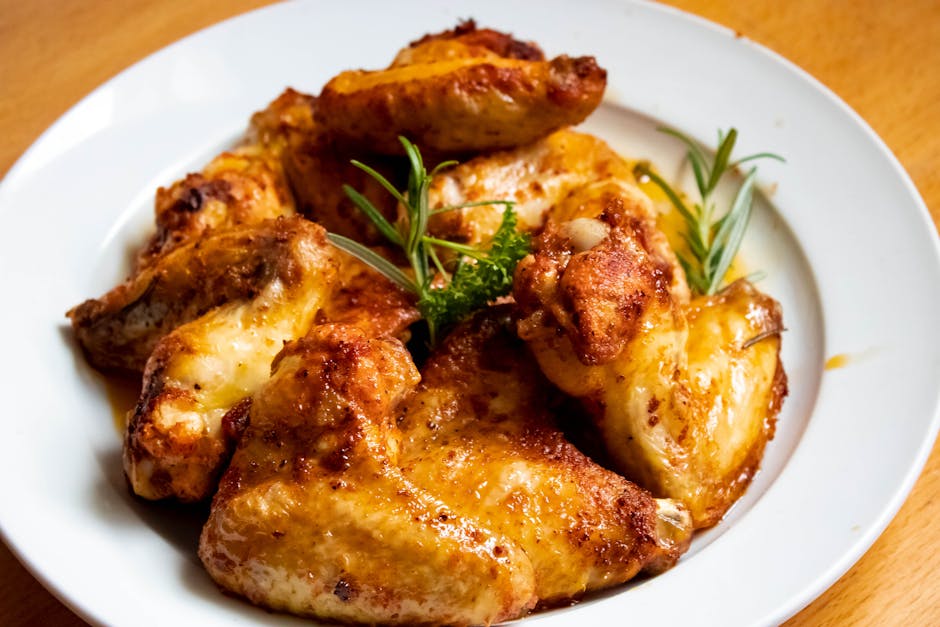
Garlic Ginger Chicken Wings: A Comprehensive Guide to Flavor and Technique
Garlic ginger chicken wings represent a beloved appetizer and main course, celebrated for their potent flavor profile, satisfying texture, and versatility. This culinary cornerstone marries the pungent warmth of garlic with the zesty, slightly peppery bite of ginger, creating an aromatic symphony that coats tender chicken wings. The beauty of this dish lies not only in its deliciousness but also in its adaptability, lending itself to various cooking methods and spice levels, catering to a wide range of palates. From crispy baked wings to succulent pan-fried or air-fried variations, the fundamental flavor combination remains constant, delivering a consistently crowd-pleasing result. Understanding the key ingredients and techniques involved is crucial for mastering this popular preparation.
The foundational elements of garlic ginger chicken wings are, as the name suggests, garlic and ginger. The quality and quantity of these aromatics significantly impact the final taste. Fresh garlic, minced or grated, releases its potent allicin compounds, contributing a sharp, savory depth. Similarly, fresh ginger, grated or finely chopped, provides a bright, invigorating counterpoint. The ratio of garlic to ginger is often a matter of personal preference, but a common starting point involves an equal or slightly higher proportion of garlic to ginger. Beyond the primary flavor agents, the marinade or sauce typically includes a liquid base, such as soy sauce or tamari, which provides umami and saltiness. Sugar, whether in the form of granulated sugar, brown sugar, honey, or maple syrup, is essential for balancing the savory and spicy notes, and crucially, for caramelization during cooking, which imparts a beautiful glaze and enhanced crispiness. Acids, like rice vinegar or lime juice, can be incorporated to cut through richness and brighten the overall flavor. For heat, chili flakes, sriracha, or fresh chilies can be added to achieve desired spice levels. A binding agent, such as cornstarch or flour, is often included in the marinade or used as a dusting for the wings to promote a crispier exterior. The choice of oil for cooking also plays a role; a neutral oil with a high smoke point, like vegetable, canola, or peanut oil, is generally preferred to prevent burning and facilitate even browning.
Chicken wings themselves, specifically drumettes and flats, are the canvas for this flavor explosion. The preparation of the wings before cooking is a critical step. This involves thoroughly washing and drying the wings to remove any excess moisture. Moisture is the enemy of crispiness, and patting the wings exceptionally dry with paper towels ensures a better sear and a more desirable texture. Some chefs advocate for allowing the wings to air-dry in the refrigerator for a period, further reducing surface moisture. Before marinating or saucing, many recipes call for separating the flats and drumettes from the wing tips, which are often discarded or saved for stocks. This separation is usually done by locating the joint between the segments and cutting through it. The skin of the wings should be intact, as it contributes significantly to the final crispy texture.
The marinating process is where the garlic and ginger truly infuse their essence into the chicken. A typical marinade for garlic ginger chicken wings would combine minced garlic, grated ginger, soy sauce, a sweetener, rice vinegar, and a touch of sesame oil for added nutty depth. The chicken wings are then submerged in this mixture and allowed to marinate for a minimum of 30 minutes at room temperature, or preferably for several hours, or even overnight, in the refrigerator. Extended marination allows the flavors to penetrate deeper into the meat, resulting in a more intensely flavored wing. It is important to ensure that all parts of the wings are coated evenly in the marinade. After marinating, it’s often recommended to drain any excess marinade, especially if a separate sauce is being used for glazing during cooking.
Baking is a popular and relatively hands-off method for preparing garlic ginger chicken wings, especially for those seeking a healthier alternative to frying. To achieve maximum crispiness when baking, several techniques are employed. First, as mentioned, thoroughly drying the wings is paramount. Second, a light coating of cornstarch or baking powder (not to be confused with baking soda) is often dusted over the dried wings. Baking powder, in particular, helps to break down proteins in the skin, leading to a crispier texture. The wings are then arranged in a single layer on a baking sheet, ideally lined with parchment paper or aluminum foil for easier cleanup. A wire rack placed on top of the baking sheet allows for better air circulation around the wings, promoting even cooking and crisping on all sides. The oven temperature for baking wings is typically high, often ranging from 400°F to 425°F (200°C to 220°C). The wings are baked for a specific duration, usually 40-50 minutes, flipping them halfway through to ensure even browning and crisping. Towards the end of the baking time, the prepared garlic ginger sauce or glaze is often brushed onto the wings, allowing it to caramelize under the heat, creating that signature sticky and glossy finish.
Pan-frying offers a more direct and potentially faster route to crispy garlic ginger chicken wings, with a focus on achieving a golden-brown crust. After marinating and ensuring the wings are well-dried, they are typically dusted with a light coating of flour or cornstarch. This dry coating absorbs excess moisture and helps to create a crispier exterior during the frying process. A generous amount of neutral oil is heated in a large skillet or wok over medium-high heat. The wings are then added to the hot oil in a single layer, being careful not to overcrowd the pan, as this can lead to steaming rather than frying, hindering crispiness. The wings are fried for several minutes per side, until golden brown and cooked through. Once the wings are cooked and crisp, they are removed from the oil and drained on a wire rack or paper towels to remove excess grease. The prepared garlic ginger sauce is then often tossed with the hot, crispy wings in a separate bowl or returned to the skillet briefly with the sauce to coat them evenly.
Air-frying has emerged as a highly effective and increasingly popular method for achieving crispy chicken wings with significantly less oil compared to traditional frying. The air fryer’s circulating hot air mimics the effect of deep-frying, producing wonderfully crisp results. Similar to baking and pan-frying, thoroughly drying the wings is crucial. A light coating of cornstarch or flour can further enhance crispiness. The marinated and dried wings are then placed in the air fryer basket in a single layer, ensuring they are not overcrowded. Air fryers typically operate at temperatures between 375°F and 400°F (190°C and 200°C). The wings are air-fried for approximately 20-25 minutes, with a shake of the basket or a flip of the wings halfway through the cooking time to ensure even browning. During the last few minutes of cooking, the prepared garlic ginger sauce can be brushed onto the wings and returned to the air fryer for a short period to allow the sauce to caramelize and glaze the wings.
The sauce and glaze are arguably the heart of the garlic ginger chicken wing experience. While a marinade provides the initial flavor infusion, the finishing sauce or glaze creates the sticky, glossy coating that elevates the dish. A basic garlic ginger sauce often starts with the reserved marinade, or a fresh batch made with similar ingredients. This can be simmered in a saucepan until thickened. To thicken, a cornstarch slurry (cornstarch mixed with a small amount of cold water) is often added gradually while stirring. Sweeteners like honey or brown sugar are critical for achieving that desirable caramelization. The addition of chili elements, such as sriracha or red pepper flakes, allows for adjustable heat. A splash of sesame oil at the end can add a final layer of aromatic complexity. The sauce should be reduced to a consistency that coats the wings effectively without being overly watery. The application of the sauce is typically done just before serving, by tossing the hot, cooked wings in the sauce or brushing it generously over them.
Variations on the classic garlic ginger chicken wing theme abound, allowing for endless customization. For a spicier kick, one can increase the amount of chili in the marinade or sauce, or incorporate fresh chilies like jalapeños or bird’s eye chilies. A touch of honey or brown sugar can be increased to enhance sweetness and promote better caramelization. Some recipes call for the addition of other aromatics, such as shallots, scallions, or lemongrass, to introduce additional layers of flavor. For a sweeter profile, maple syrup or a fruit-based component like pineapple juice can be incorporated into the glaze. A touch of citrus, such as lime or orange juice, can add a refreshing tang. For a richer flavor, a tablespoon of peanut butter can be whisked into the sauce, creating a satay-inspired wing. The use of different soy sauces, like dark soy sauce for color and a more robust flavor, or light soy sauce for a saltier profile, also influences the outcome.
Serving garlic ginger chicken wings often involves garnishes that complement the bold flavors. Freshly chopped scallions or green onions add a fresh, oniony bite and a vibrant visual appeal. Toasted sesame seeds provide a nutty crunch and enhance the visual attractiveness. A wedge of lime can be served alongside for those who prefer an extra burst of citrus. These wings are incredibly versatile in terms of accompaniment. They can be enjoyed as a standalone appetizer, served with a variety of dipping sauces like ranch dressing or blue cheese dressing (though these might clash with the dominant flavors, some palates enjoy the contrast). As a main course, they pair well with steamed rice, a simple green salad, or stir-fried vegetables. The richness of the wings is often balanced by the coolness and freshness of these accompaniments.
The key to truly exceptional garlic ginger chicken wings lies in the balance of flavors and the execution of the cooking technique. Achieving a crispy exterior that can withstand the sticky, flavorful glaze is paramount. The intense aroma of garlic and ginger should be present but not overpowering, complementing the natural flavor of the chicken. Overcooking should be avoided, as it can lead to dry, tough meat. Conversely, undercooking can result in an unappetizing texture and potential food safety concerns. Seasoning should be adjusted to individual preferences, with careful consideration given to the salt content of soy sauce. The goal is a harmonious blend of savory, sweet, spicy, and aromatic notes that leave a lasting impression. The pursuit of the perfect garlic ginger chicken wing is an ongoing culinary adventure, with each iteration offering an opportunity to refine techniques and explore new flavor dimensions.


