
German Chocolate Cake Frosting

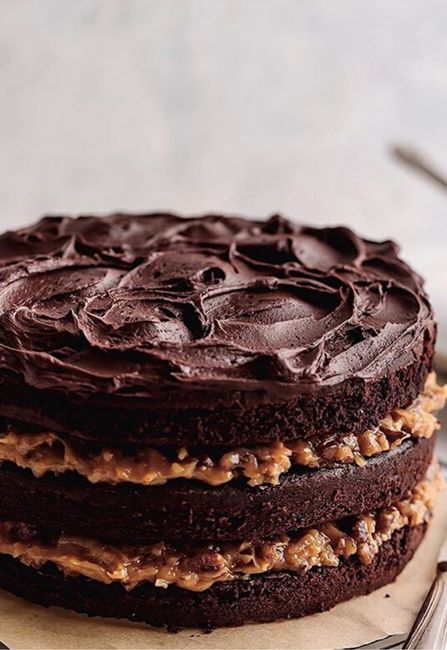
German Chocolate Cake Frosting: The Ultimate Guide to Achieving Decadent Sweetness
The iconic German chocolate cake frosting is more than just a topping; it’s a symphony of textures and flavors, a culinary masterpiece that elevates a simple chocolate cake into an unforgettable dessert experience. Unlike many frostings that rely on powdered sugar and butter for their foundation, this distinctive glaze boasts a unique caramelized custard base, enriched with the nutty crunch of pecans and the sweet chewiness of coconut. This complex profile, often misunderstood and sometimes mistaken for a simple buttercream, is what sets it apart and makes it so desirable. The magic lies in its carefully balanced sweetness, subtle warmth from brown sugar, and the satisfying textural contrast provided by the additions. Mastering this frosting is an achievable goal for home bakers and a guaranteed way to impress guests.
The fundamental components of authentic German chocolate cake frosting are deceptively simple yet crucial for achieving the desired outcome. The base is typically a cooked custard, achieved by gently simmering egg yolks, evaporated milk, and granulated sugar. This simmering process is key to thickening the mixture without scrambling the eggs, creating a smooth, luscious foundation. The richness comes from butter, which is incorporated after the custard has thickened, lending a velvety mouthfeel and a subtle buttery aroma. Brown sugar plays a vital role, contributing a deeper, more complex sweetness and a hint of molasses that complements the chocolate cake beautifully. Finally, the characteristic additions of chopped pecans and shredded coconut are what truly define this frosting. The pecans offer a satisfying crunch and an earthy, slightly bitter note that cuts through the sweetness, while the coconut provides a tropical, chewy counterpoint. The type of shredded coconut is important; unsweetened shredded coconut is often preferred to allow for better control over the overall sweetness, but sweetened varieties can be used with minor adjustments.
Achieving the perfect texture in German chocolate cake frosting is paramount. The custard base needs to be cooked slowly and carefully to prevent curdling. Using a double boiler or a heavy-bottomed saucepan over low heat minimizes the risk of scorching. Constant whisking is essential to ensure even cooking and prevent lumps from forming. The mixture should thicken to a consistency that coats the back of a spoon, a stage often referred to as "nappe." This thickened custard, when cooled, will become even firmer, providing the ideal base for incorporating the butter and other ingredients. Overcooking can lead to a grainy or overly stiff frosting, while undercooking will result in a runny, unmanageable glaze. Patience is a virtue when it comes to this specific frosting.
The role of evaporated milk in German chocolate cake frosting is significant. Unlike regular milk or cream, evaporated milk has a more concentrated flavor and a slightly thicker consistency due to the removal of water. This concentration contributes to the richness and depth of the custard base. The heating process also caramelizes some of the natural sugars present in the milk, adding another layer of complexity to the flavor profile. When choosing evaporated milk, opt for a full-fat version for the richest results. Some recipes might suggest alternatives, but for an authentic German chocolate cake frosting, evaporated milk is the gold standard. Its unique properties contribute to the signature mouthfeel and flavor that home bakers strive to replicate.
Brown sugar versus granulated sugar is another critical decision in German chocolate cake frosting. While granulated sugar provides straightforward sweetness, brown sugar introduces a nuanced flavor and a slightly chewier texture to the finished product. The molasses present in brown sugar adds a subtle caramel note and a hint of earthiness that pairs exceptionally well with chocolate. Light brown sugar offers a milder molasses flavor, while dark brown sugar provides a more pronounced and robust taste. Many recipes recommend a combination of both to achieve a balanced sweetness and complexity. When measuring brown sugar, it’s important to pack it into the measuring cup to ensure accurate proportions, as its moist texture can lead to discrepancies if not packed.
The incorporation of butter is usually done once the custard base has cooled slightly. Adding cold butter to a hot custard can cause it to melt too quickly and separate. It’s best to add softened or room-temperature butter, cut into cubes, and whisk it in gradually. This emulsifies the butter into the custard, creating a smooth, glossy, and luxurious frosting. The butter contributes significantly to the richness and mouthfeel of the frosting, transforming the cooked custard into a spreadable, decadent glaze. The quality of the butter also plays a role; unsalted butter is generally preferred, allowing for better control over the salt content in the final frosting.
Pecans and coconut are the star textural elements of German chocolate cake frosting. The type of pecans used can influence the flavor and crunch. Halved or coarsely chopped pecans are ideal, providing noticeable pieces of nut within the frosting. Toasting the pecans before adding them to the frosting can significantly enhance their flavor, bringing out their natural oils and creating a more aromatic and nutty profile. Similarly, toasting the coconut, particularly if using sweetened shredded coconut, can add depth and a delightful crispness. The amount of pecans and coconut can be adjusted to individual preference, but a good starting point is typically around one cup each.
The method of preparing German chocolate cake frosting can vary slightly between recipes, but the core principles remain consistent. A common approach involves whisking egg yolks, granulated sugar, and evaporated milk in a double boiler until thickened. This is then cooled, and softened butter is gradually whisked in until fully incorporated. Finally, toasted pecans and shredded coconut are folded in. Some recipes might involve cooking the entire mixture with butter and sugar, then adding the eggs and milk, but the double boiler method for the custard is often considered the most foolproof for beginners. The key is to maintain a gentle heat and constant agitation.
Troubleshooting common issues with German chocolate cake frosting is essential for home bakers. If the frosting is too thin, it might not have cooked long enough, or too much liquid was added. Gently reheating the mixture over low heat, whisking constantly, can sometimes help thicken it. If it’s too thick, a small amount of evaporated milk or even water can be carefully whisked in to loosen it. Curdled frosting is often a result of cooking the eggs too quickly or at too high a heat. While difficult to fully rectify, sometimes vigorously whisking the mixture can help to emulsify it somewhat. Lumps can be removed by straining the frosting through a fine-mesh sieve, although this will result in a less texturally interesting product. Ensuring all ingredients are at the correct temperature and adding them gradually is the best preventative measure.
Storage of German chocolate cake frosting is important to maintain its quality. Once cooled, the frosting can be stored in an airtight container in the refrigerator for up to a week. Due to its custard base, it is not typically left at room temperature for extended periods. Before using refrigerated frosting, it may need to be gently warmed and whisked to achieve a spreadable consistency. Some recipes are designed to be made fresh just before frosting the cake, as the texture is at its peak when at room temperature. Freezing German chocolate cake frosting is generally not recommended, as the custard base can become watery and separated upon thawing.
Variations on the classic German chocolate cake frosting exist, allowing for customization. Some bakers might add a splash of vanilla extract to the custard base for an extra layer of aroma and flavor. A pinch of salt is often included to balance the sweetness and enhance the overall taste. For those who enjoy a bit more warmth, a hint of cinnamon or nutmeg can be added, though this deviates from the traditional profile. The type of coconut used can also be varied, with toasted coconut flakes offering a more pronounced crunch and richer flavor than regular shredded coconut. Some modern interpretations might even incorporate a touch of bourbon or rum for an adult twist.
The historical context of German chocolate cake frosting is often a point of fascination. Despite its name, the cake and its accompanying frosting did not originate in Germany. It was developed in the United States in the late 19th century by an American baker named Samuel German, who created a type of dark baking chocolate that later became known as "German’s sweet chocolate." The cake recipe that became popular, featuring this specific chocolate and its distinctive frosting, emerged in the mid-20th century. The "German’s chocolate cake" moniker stuck, eventually evolving into the familiar "German chocolate cake" that is so beloved today. The frosting, with its unique combination of ingredients, quickly became an integral part of this iconic dessert.
The application of German chocolate cake frosting is a crucial step in the final presentation of the cake. The frosting should be applied once the cake layers have cooled completely. Spreading the frosting evenly between the layers creates a visually appealing sandwich. The sides and top of the cake are then generously covered. Due to its slightly softer texture compared to some buttercreams, it might require a gentle hand. Some bakers prefer a rustic, swirled appearance, while others aim for a smoother finish. The pecans and coconut naturally adhere to the frosting, creating the signature speckled and textured exterior.
The ideal German chocolate cake to pair with this frosting is typically a moist, rich chocolate cake. The cake itself should have a deep chocolate flavor without being overly sweet, as the frosting provides a significant amount of sweetness. Recipes for German chocolate cake often utilize buttermilk or sour cream for added moisture and tenderness. The density of the cake is also important; it should be sturdy enough to hold the generous amount of frosting. A light and airy cake might struggle to support the weight and richness of the frosting.
In conclusion, German chocolate cake frosting is a complex yet rewarding creation. Its distinctive caramelized custard base, enriched with butter, brown sugar, pecans, and coconut, offers a flavor and texture profile unmatched by simpler frostings. Mastering the cooking of the custard, the incorporation of butter, and the careful balance of additions are key to achieving its signature decadence. While variations exist, the classic recipe provides a timeless and universally loved dessert experience. Understanding the nuances of each ingredient and the proper techniques ensures that home bakers can successfully recreate this iconic frosting and elevate their chocolate cakes to extraordinary heights. The SEO value of this comprehensive guide lies in its detailed explanation of ingredients, methods, troubleshooting, and historical context, catering to a wide range of search queries related to German chocolate cake frosting.


