Red Wine Marinated Beef Stew
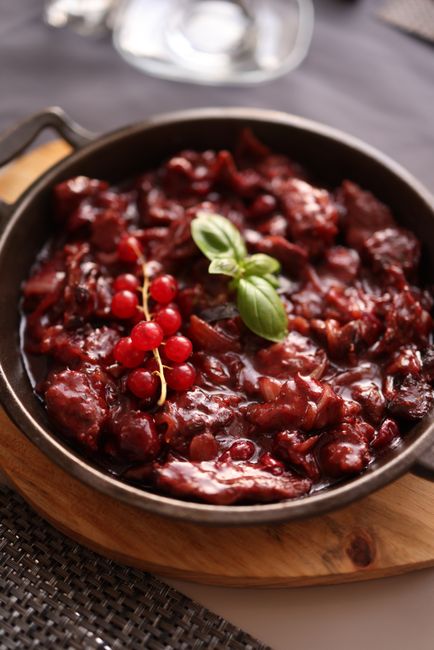
The Ultimate Guide to Red Wine Marinated Beef Stew: Deep Flavors, Tender Results
Red wine marinated beef stew transcends the ordinary, transforming humble beef cuts into a culinary masterpiece. The slow braising process, infused with the complex tannins and fruit notes of red wine, breaks down tough connective tissues, yielding impossibly tender beef. This article explores the science and art behind this beloved dish, offering a comprehensive guide to achieving unparalleled flavor and texture. We’ll delve into ingredient selection, marination techniques, the essential components of a rich stew base, and troubleshooting common issues. Prepare to unlock the secrets to a truly exceptional red wine marinated beef stew, a dish that promises warmth, comfort, and a depth of flavor that lingers long after the last bite.
The foundation of an exceptional red wine marinated beef stew lies in the quality of the beef. Opt for cuts rich in connective tissue and fat, as these elements are crucial for developing tenderness and flavor during the slow cooking process. Chuck roast, also known as chuck shoulder or blade roast, is an undisputed champion for stew. Its marbling and abundant collagen break down into gelatin, creating a luscious, unctuous texture. Other excellent choices include beef brisket, short ribs, and even beef shank. Avoid lean cuts like sirloin or tenderloin, as they will become dry and tough when subjected to the prolonged cooking times inherent in stew preparation. For optimal marination, cut the beef into uniform 1.5 to 2-inch cubes. This ensures even penetration of the marinade and consistent cooking throughout.
The red wine marinade is where the magic begins, imbuing the beef with its characteristic depth and aroma. The alcohol in the wine acts as a tenderizer, while its acidity helps to break down muscle fibers. Furthermore, the wine imparts its complex flavor profile, which can range from fruity and bold to earthy and robust, depending on the varietal chosen. When selecting wine for your marinade, consider a full-bodied red with good acidity and moderate tannins. Cabernet Sauvignon, Merlot, and Syrah are excellent starting points. Avoid overly sweet or overly tannic wines, as they can overpower the other flavors in the stew. A good rule of thumb is to use a wine you would enjoy drinking. The quantity of wine is also important; typically, you’ll need enough to generously coat the beef cubes. Reserve about half a cup of the marinade wine for deglazing the pot later in the cooking process.
Marination time is a critical factor in achieving tender, flavorful beef. For a robust flavor infusion and optimal tenderness, marinate the beef for at least 4 hours, and ideally, overnight. The longer the beef sits in the marinade, the more thoroughly the flavors will penetrate and the more tender the meat will become. When marinating, use a non-reactive container, such as a glass bowl or a food-grade plastic bag. Ensure all the beef is submerged in the marinade. During the marination period, the enzymes in the wine will begin their work. After the marination period, drain the beef, reserving the marinade liquid for later use. Pat the beef cubes thoroughly dry with paper towels before searing. This is a crucial step; excess moisture will steam the beef instead of searing it, preventing the formation of a deeply browned crust, which contributes significantly to the stew’s flavor complexity.
The browning of the beef, often referred to as the Maillard reaction, is an indispensable step in developing rich, savory flavors. Sear the marinated and dried beef cubes in batches in a hot, heavy-bottomed pot or Dutch oven over medium-high heat. Use an oil with a high smoke point, such as canola or grapeseed oil. Do not overcrowd the pot, as this will lead to steaming rather than searing. Brown the beef on all sides until a deep, caramelized crust forms. This crust will dissolve into the stew during braising, adding layers of umami and depth. Once seared, remove the beef from the pot and set it aside.
The aromatic foundation of any great stew is built upon mirepoix, a classic combination of diced carrots, celery, and onions. Sauté these vegetables in the same pot where the beef was seared, using the rendered beef fat and a little additional oil if needed. The residual browned bits from the beef, known as fond, will cling to the bottom of the pot and add immense flavor when they are deglazed. Cook the mirepoix until the onions are softened and translucent, and the vegetables have begun to caramelize, releasing their natural sweetness. This process typically takes about 8-10 minutes.
Garlic is another essential aromatic. Mince fresh garlic and add it to the pot with the mirepoix during the last minute of sautéing. Cook just until fragrant; overcooked garlic can become bitter. Other aromatics, such as bay leaves and fresh thyme or rosemary sprigs, can also be added at this stage to infuse their herbaceous notes into the stew.
Deglazing the pot is a critical step that lifts all those flavorful browned bits from the bottom and incorporates them into the liquid base of the stew. Pour in the reserved marinade wine (approximately half a cup) and scrape the bottom of the pot with a wooden spoon to loosen the fond. Allow the wine to simmer and reduce slightly, concentrating its flavors.
The liquid base of the stew provides moisture for braising and carries the dissolved flavors throughout the dish. After deglazing with wine, add beef broth or stock. A good quality, low-sodium beef broth is recommended to control the saltiness of the final dish. The amount of liquid will depend on the size of your pot and the desired consistency of the stew. Aim for enough liquid to mostly cover the beef and vegetables. You may also want to incorporate a tablespoon or two of tomato paste. Sautéing the tomato paste briefly with the mirepoix before adding the liquid intensifies its flavor and adds a subtle sweetness and color to the stew.
Once the liquid base is established, return the seared beef to the pot. Ensure the beef is submerged in the liquid. Bring the stew to a gentle simmer on the stovetop. Then, cover the pot tightly and transfer it to a preheated oven. Oven braising provides a more consistent and gentle heat than stovetop simmering, which is ideal for tenderizing tough cuts of beef without drying them out. The optimal oven temperature for braising is typically between 300°F and 325°F (150°C to 160°C).
The braising time is determined by the cut of beef and the desired tenderness. For chuck roast or brisket, this can range from 2 to 4 hours, or until the beef is fork-tender. Check for tenderness periodically by inserting a fork into a piece of beef; it should yield with little resistance. The stew is ready when the meat is so tender it easily falls apart. During this time, the connective tissues will break down into gelatin, creating that signature rich, glossy texture of a well-made stew.
While the beef braises, prepare any additional vegetables you wish to include. Root vegetables like potatoes, parsnips, or sweet potatoes can be added during the last 45-60 minutes of cooking to prevent them from becoming mushy. Heartier vegetables like mushrooms can be sautéed separately and added towards the end.
Once the beef is tender, it’s time to finish the stew. Carefully remove the pot from the oven. If using bay leaves or herb sprigs, discard them. Skim off any excess fat from the surface of the stew using a spoon or a fat separator. This step helps to create a cleaner flavor profile and a more visually appealing stew.
To achieve a thicker, more luxurious sauce, you can create a slurry. In a small bowl, whisk together 2 tablespoons of all-purpose flour or cornstarch with 4 tablespoons of cold water until smooth. Slowly stir this slurry into the simmering stew and cook for a few more minutes, stirring constantly, until the sauce has thickened to your desired consistency. Alternatively, you can mash some of the cooked vegetables against the side of the pot to release their starch, or simply let the stew simmer uncovered for a short period to reduce and thicken naturally.
Seasoning is the final but crucial touch. Taste the stew and adjust the salt and freshly ground black pepper as needed. A pinch of sugar can also help to balance the acidity of the wine and tomato, if used. For an extra layer of complexity, consider a dash of Worcestershire sauce or a splash of balsamic vinegar.
Serving red wine marinated beef stew is a celebration of comfort food. It is traditionally served with mashed potatoes, crusty bread for soaking up the rich sauce, or wide egg noodles. Garnish with fresh parsley or chives for a burst of color and freshness. The flavors of a beef stew are often even better the next day, as the ingredients have more time to meld and deepen. Therefore, preparing this stew a day in advance is highly recommended for optimal flavor.
Troubleshooting common issues can elevate your stew-making prowess. If your stew is too thin, use the slurry method or simmer it uncovered to reduce. If it’s too thick, add a splash more beef broth or water. If the beef is not tender after the recommended cooking time, it likely needs more time. Continue braising, checking every 30 minutes. If the flavor seems flat, consider adding more salt, pepper, a touch of acidity (lemon juice or vinegar), or a dash of umami-rich Worcestershire sauce. Burnt bits at the bottom of the pot can be salvaged by carefully scraping them out and discarding them, then deglazing with a fresh liquid.
Red wine marinated beef stew is a testament to the power of slow cooking and thoughtful ingredient integration. The careful selection of beef, the transformative marination, the aromatic foundation, and the patient braising all converge to create a dish that is both deeply satisfying and remarkably versatile. Mastering this recipe not only yields a consistently delicious meal but also provides a foundation for countless variations, allowing you to adapt and personalize this classic for any occasion. The rich aroma, the tender texture of the beef, and the profound depth of flavor make this a dish that will undoubtedly become a cherished staple in your culinary repertoire.