
Chombolini Italian Anise Cake

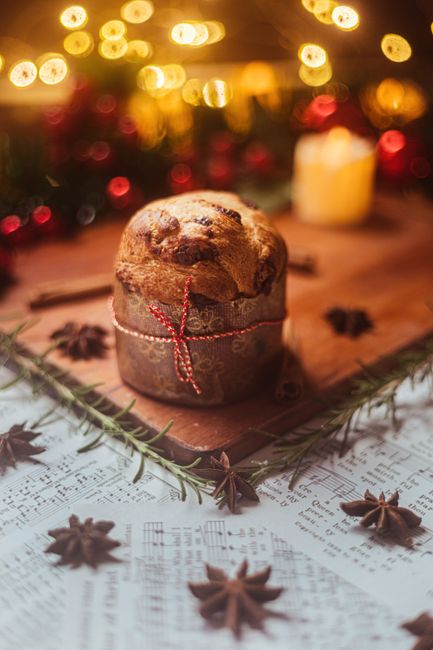
Chombolini Italian Anise Cake: A Deep Dive into Tradition, Flavor, and Culinary Heritage
Chombolini, a staple in Italian baking, is a distinctive anise-flavored cake renowned for its unique texture and aromatic profile. Far from a fleeting trend, this confection boasts a rich history deeply intertwined with regional Italian culinary traditions, particularly those of Southern Italy. Its name, often debated in its precise etymology, is believed to derive from regional dialects, hinting at its humble origins as a peasant or everyday cake. Unlike the elaborate layered cakes common in modern patisseries, chombolini typically presents itself in a rustic, often free-form shape, reflecting a time when baking was more about sustenance and shared enjoyment than visual extravagance. The cornerstone of its flavor lies in the liberal use of anise, both in seed and extract form, which imparts a sweet, licorice-like aroma and taste that is both comforting and invigorating. This characteristic flavor is not merely an ingredient but a defining element, setting chombolini apart from other cakes and forging its identity in the vast landscape of Italian desserts.
The essence of chombolini’s appeal is its deceptively simple yet profoundly satisfying flavor combination. The dominant note of anise, a spice with ancient roots and a long history of use in Mediterranean cuisines, lends a warm, slightly peppery sweetness. This is often balanced and enhanced by other complementary flavors, depending on regional variations. Citrus zest, most commonly lemon or orange, adds a bright, zesty counterpoint that cuts through the richness of the cake and amplifies the anise. In some recipes, a touch of cinnamon or nutmeg might be incorporated, introducing subtle earthy warmth. The sweetness of the cake itself is typically moderate, allowing the anise and citrus to shine. Sugar, whether granulated, brown, or a combination, provides structure and caramelization during baking, contributing to the cake’s desirable crust. The fat component, usually olive oil or butter, contributes moisture and tenderness, though the specific choice significantly impacts the final texture. Olive oil, a cornerstone of Mediterranean cooking, often imparts a slightly fruitier, more robust flavor and a characteristic moistness. Butter, conversely, offers a richer, creamier mouthfeel and a more delicate aroma.
The textural profile of chombolini is as crucial to its identity as its flavor. It is not a light and airy sponge, nor is it a dense pound cake. Instead, chombolini typically occupies a middle ground, characterized by a pleasing crumb that is simultaneously tender and slightly chewy. This unique texture is often achieved through a combination of ingredients and baking techniques. The flour used is usually all-purpose, providing adequate gluten development for structure without becoming tough. The leavening agents, typically baking powder or a combination of baking soda and an acidic ingredient, work to create a subtle rise, resulting in that signature chewiness. The batter’s moisture content is also key. A well-balanced recipe will yield a batter that is thick enough to hold its shape during baking but not so dry that it produces a crumbly cake. The baking process itself plays a vital role. Chombolini is often baked at moderate temperatures for a sufficient duration to ensure it is cooked through without becoming over-baked and dry. The development of a golden-brown crust, often slightly crisp to the touch, provides a delightful textural contrast to the moist interior.
Exploring the variations of chombolini reveals a fascinating tapestry of regional adaptations and personal preferences that enrich its culinary heritage. While the core components of flour, sugar, fat, and anise remain constant, the nuances in their application and the addition of other ingredients tell stories of local bounty and historical influences. In some southern Italian regions, particularly Sicily, a hint of almond flour might be incorporated, adding a subtle nutty depth and a slightly finer crumb. The inclusion of raisins, either plain or plumped in Marsala wine or orange juice, is another common variation, introducing pockets of sweetness and a pleasant chewiness. Candied citrus peel, a testament to Italian resourcefulness in preserving seasonal produce, can also be folded into the batter, offering bursts of concentrated citrus flavor and a delightful textural surprise. For those seeking a more pronounced anise flavor, an additional sprinkle of anise seeds over the top before baking, or even a drizzle of anise-flavored syrup after cooling, can elevate the aromatic experience. The choice of fat also leads to distinct variations; cakes made with olive oil tend to be moister and possess a more robust flavor, while those using butter are often richer and more delicate. These regional and personal touches transform chombolini from a singular recipe into a family of related confections, each with its own subtle charm.
The preparation of chombolini, while straightforward, requires attention to detail to achieve the desired outcome. The typical process begins with creaming the fat and sugar together, incorporating air and establishing a smooth base. Eggs are then added, one at a time, ensuring they are fully incorporated to create an emulsified mixture. The dry ingredients – flour, leavening agents, and any spices like cinnamon or nutmeg – are usually whisked together separately to ensure even distribution. The wet ingredients, which might include milk, yogurt, or citrus juice, are combined with the anise extract. The dry and wet ingredients are then alternated and gently folded into the creamed mixture, taking care not to overmix, which can develop the gluten too much and result in a tough cake. The addition of anise seeds, citrus zest, or other inclusions typically occurs at this stage, ensuring they are evenly dispersed throughout the batter. The batter is then spooned or poured into a prepared baking pan, often a simple round cake pan, a loaf pan, or even a ring mold. The surface is then smoothed, and any decorative additions, such as a dusting of sugar or a scattering of anise seeds, are applied. Baking time and temperature are critical; a moderate oven, typically around 350°F (175°C), is standard, with baking durations varying based on the cake’s size and density. A skewer inserted into the center should come out clean when the cake is ready.
The sensory experience of enjoying chombolini is as multifaceted as its preparation and ingredients. The initial aroma is what captivates, a warm, inviting fragrance dominated by anise, with subtle undertones of citrus and perhaps a hint of spice. As one approaches the cake, the visual appeal, though often rustic, is satisfying. A golden-brown crust, perhaps lightly cracked, suggests a delightful crispness. The first bite delivers a symphony of textures: the yielding crumb, moist and tender, punctuated by the slight chewiness, and perhaps the occasional burst of sweetness from a raisin or candied peel. The flavor profile unfolds on the palate. The sweet, licorice-like embrace of anise is the protagonist, perfectly balanced by the bright, zesty notes of citrus. The sweetness of the cake is present but not overwhelming, allowing the complex interplay of flavors to be appreciated. The finish is clean and lingering, with the warmth of anise and citrus leaving a pleasant aftertaste. Chombolini is best enjoyed at room temperature, allowing its complex aromas and flavors to fully develop. It pairs exceptionally well with a strong espresso or a robust black tea, its robust flavors cutting through the richness of the coffee or tea. A glass of sweet dessert wine, such as Vin Santo or Marsala, also complements its character beautifully.
Beyond its immediate enjoyment, chombolini holds a significant place in Italian culinary tradition as a symbol of hospitality, celebration, and comfort. Its presence at family gatherings, festivals, and religious holidays is a testament to its enduring appeal. In many Italian households, the recipe for chombolini is a cherished heirloom, passed down through generations, with each family adding its own subtle modifications and anecdotes. The act of baking chombolini is often a communal activity, bringing families together in the kitchen, sharing stories and the anticipation of a delicious outcome. Its simplicity and accessibility make it a beloved cake for everyday occasions, while its distinct flavor makes it a welcome treat during more festive times. The aroma of chombolini baking in the oven can evoke powerful memories and emotions, transporting individuals back to childhood kitchens and warm family moments. It represents a connection to the past, a taste of home, and a fundamental element of Italian culinary identity, proving that true culinary excellence often lies in the mastery of simple, well-loved ingredients. The enduring popularity of chombolini speaks volumes about its ability to transcend time and trends, offering a consistently satisfying and deeply resonant experience for all who partake.


