
Authentic Key Lime Pie

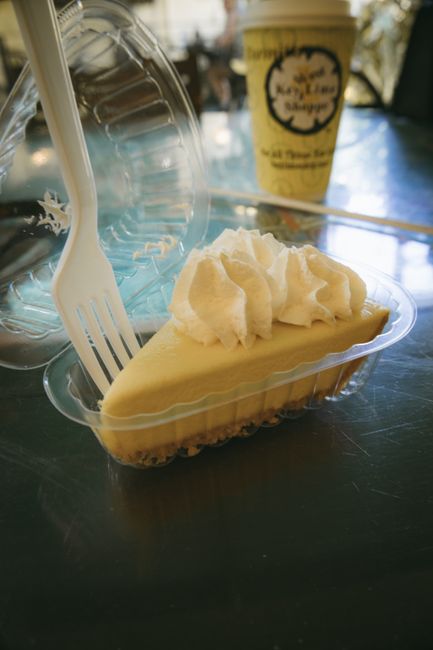
Authentic Key Lime Pie: The True Taste of the Florida Keys
Authentic key lime pie is a culinary icon, a dessert synonymous with the sun-drenched shores and vibrant culture of the Florida Keys. Its allure lies in its deceptive simplicity: a creamy, tart filling encased in a buttery graham cracker crust, often crowned with a dollop of whipped cream or a swirl of meringue. However, achieving true authenticity transcends mere ingredient assembly; it requires understanding the nuances of the star ingredient, the key lime, and the traditional methods that have defined this beloved pie for generations. Unlike its larger, more common Persian or Tahitian lime counterparts, the key lime (Citrus aurantiifolia) is smaller, seedier, and possesses a distinctively more intense, floral, and tart flavor profile. This concentrated zest and aroma are the bedrock of an authentic key lime pie, providing a bright, bracing counterpoint to the richness of the egg yolks and condensed milk that form its creamy base. The quest for genuine key lime pie is often a quest for these specific, small limes, whose juice is the soul of the dessert. Sourcing fresh key limes, or high-quality, unadulterated key lime juice, is the first and most crucial step in recreating this Florida Keys classic at home. The very essence of the pie’s character—its signature tartness that awakens the palate without being overwhelmingly sour—is directly attributable to the unique acidity and aromatic compounds present in these specific citrus fruits.
The foundation of any truly authentic key lime pie is the crust. While modern interpretations might incorporate cookie crumbs or even biscuit bases, the traditional and most widely accepted crust is made from graham crackers. The process involves finely crushing graham crackers, typically to a coarse meal consistency, and then binding them together with melted butter. Some purists advocate for a touch of sugar, a mere tablespoon or two, to enhance the sweetness and aid in browning, but the focus remains on the graham cracker’s inherent sweetness and slightly salty undertones. The ratio of graham cracker crumbs to butter is critical; too much butter results in a greasy crust that fails to set properly, while too little can lead to a crumbly, disintegrating base. The mixture is then pressed firmly and evenly into a pie plate, ensuring coverage all the way up the sides to create a sturdy vessel for the filling. Baking the crust for a short period, usually around 8-10 minutes at a moderate temperature (approximately 350°F or 175°C), is essential. This pre-baking step toasts the graham cracker crumbs, deepening their flavor and, more importantly, creating a crisp texture that resists becoming soggy from the custard-like filling. A well-baked, firm graham cracker crust provides a satisfying textural contrast to the smooth, creamy filling, a crucial element in the overall sensory experience of an authentic key lime pie. The art lies in achieving a crust that is both structurally sound and imparts a subtle, complementary flavor that doesn’t overpower the delicate balance of the lime filling.
The heart of the authentic key lime pie is its filling, a deceptively simple emulsion of key lime juice, egg yolks, and sweetened condensed milk. This three-ingredient marvel is where the magic truly happens. The key lime juice, freshly squeezed from ripe key limes, provides the essential tartness and vibrant citrus flavor. The quality and quantity of this juice are paramount. While some recipes might call for a touch of lime zest, the true depth of flavor comes directly from the juice itself. Sweetened condensed milk serves as both the sweetener and the emulsifier, its high sugar content and thick, syrupy consistency creating the characteristic rich, creamy texture of the filling. The egg yolks contribute to the richness, act as a binding agent, and impart a beautiful golden hue to the finished pie. The traditional method of preparation involves gently whisking together the egg yolks and sweetened condensed milk until well combined. Then, the key lime juice is gradually incorporated, stirring continuously. It’s crucial to avoid over-mixing at this stage, as excessive aeration can lead to a foamy filling that may crack during baking. The resulting mixture should be smooth, homogenous, and slightly thickened. The absence of any other thickeners, like cornstarch or flour, is a hallmark of an authentic recipe, relying solely on the properties of the condensed milk and egg yolks to achieve the desired custard-like consistency.
Baking an authentic key lime pie requires precision and a gentle hand. The pie is typically baked in a moderately hot oven, around 350°F (175°C), for a relatively short duration, usually 15-20 minutes. The objective is to set the filling without overcooking it. Over-baking can lead to a rubbery texture and a cracked surface, detracting from the pie’s signature silky smoothness. The pie is considered done when the edges are set, and the center still has a slight wobble, indicating that it will continue to firm up as it cools. Some bakers employ a water bath, or bain-marie, during baking. This technique involves placing the pie tin within a larger baking dish filled with hot water, which surrounds the pie with gentle, even heat. The water bath helps to prevent the edges of the filling from cooking too quickly and over-baking before the center is set, promoting a more uniform and creamy texture. After baking, the pie must be thoroughly chilled. Refrigeration for at least 4 hours, and ideally overnight, is essential for the filling to fully set and for the flavors to meld. This chilling period is not merely for temperature; it allows the molecular structure of the filling to solidify, achieving that signature dense yet yielding texture that defines an exceptional key lime pie. The transition from warm, wobbly filling to cool, set custard is a critical transformation.
The finishing touch for an authentic key lime pie often involves a topping, with whipped cream or meringue being the most traditional and popular choices. Sweetened whipped cream, made from heavy cream whipped with a touch of sugar and perhaps a hint of vanilla, offers a cool, light, and subtly sweet contrast to the tart lime filling. It provides a refreshing counterpoint and a pleasant textural variation. Meringue, on the other hand, represents a more complex and visually dramatic finish. Traditional meringue for key lime pie is often a cooked meringue, made by whipping egg whites with sugar over a double boiler, or a baked meringue, where uncooked egg whites and sugar are whipped and then spread over the pie and briefly baked until golden brown. The baked meringue offers a toasted, slightly crisp texture that contrasts beautifully with the smooth filling. The meringue is often swirled or peaked artistically, adding to the pie’s visual appeal. Some purists might even argue that a key lime pie is best served unadorned, allowing the pure, unadulterated flavor of the lime to shine without any added embellishments. However, the inclusion of either a cloud of whipped cream or a crown of meringue is widely accepted as part of the authentic key lime pie experience, elevating the dessert with complementary flavors and textures. The choice of topping often reflects personal preference and regional variations within the Keys.
The provenance and history of key lime pie are as rich and flavorful as the dessert itself. While the exact origin story is debated, it is widely believed that the pie’s roots are deeply embedded in the culinary traditions of Key West, Florida, particularly within the households of early settlers and seafarers. The key lime, native to the region and abundant in the Keys, was a readily available ingredient. Early versions of the pie likely emerged in the late 19th or early 20th century, evolving from simple lime custards and tarts. The iconic combination of graham cracker crust, condensed milk, and key lime juice is thought to have been popularized by a woman named Aunt Sally, a cook at a prominent Key West restaurant in the early 1900s. Her recipe, a closely guarded secret, is often cited as the blueprint for the modern key lime pie. The development of sweetened condensed milk, which became commercially available in the mid-19th century, was a pivotal factor in the pie’s creation, providing a readily accessible and stable base for the custard filling, eliminating the need for more complex methods of thickening. The pie’s reputation grew, becoming a staple in local eateries and a must-try for tourists visiting the Keys. Its popularity spread beyond the islands, eventually earning it a place as an unofficial state dessert of Florida. This historical context underscores the importance of simple, high-quality ingredients and time-tested preparation methods in achieving an authentic flavor. The pie’s evolution is a testament to its adaptability and enduring appeal, yet its core identity remains tied to the unique character of the key lime and the resourceful culinary spirit of its origin.
Understanding the differences between authentic key lime pie and its imposters is crucial for any serious dessert enthusiast. Many commercially produced "key lime" pies often fall short of true authenticity for several reasons. Firstly, the widespread use of Persian or Tahitian limes, which are larger and less intensely flavored, dilutes the signature tartness. These limes are more acidic but lack the complex floral notes and concentrated zest of the key lime. Secondly, commercial recipes frequently rely on artificial flavorings and colorings to mimic the taste and appearance of key lime, a practice that bypasses the natural vibrancy of fresh lime juice. The addition of cornstarch or flour as thickeners, while effective in creating a stable custard, alters the texture, making it less silken and more gelatinous than a traditional pie. Furthermore, the crust in many mass-produced versions might be overly sweet, lacking the subtle balance of buttery graham cracker notes. The absence of the characteristic slight wobble in the center when baked, or an overly firm, set texture, are further indicators of a departure from the authentic approach. An authentic key lime pie is a delicate dance of tartness and sweetness, a creamy yet light texture, and a distinct citrus aroma that speaks of its tropical origins. Recognizing these distinctions allows for a more discerning appreciation of the genuine article and a more informed approach to recreating it at home. The quest for authenticity is often a journey of sensory discernment, learning to identify the subtle but significant characteristics that set the true key lime pie apart.
The versatility of key lime pie, while seemingly straightforward, also offers avenues for thoughtful variations that can still honor its authentic spirit. While the classic recipe is king, subtle enhancements can elevate the experience without compromising its core identity. For instance, some recipes incorporate a small amount of lime zest in addition to the juice. When used judiciously, this zest can add an extra layer of aromatic complexity, infusing the filling with a more pronounced citrus perfume. The key is to use only the green outer layer of the peel, avoiding the bitter white pith. Another popular variation involves infusing the condensed milk with lime zest before combining it with other ingredients, allowing the oils from the zest to permeate the milk for a more subtle yet pervasive citrus essence. In terms of crust, while graham crackers remain the undisputed champion, some bakers experiment with finely ground shortbread cookies or even gingersnap crumbs for a slightly different flavor profile. Gingersnaps, with their spicy warmth, can offer an interesting contrast to the tart lime, but it’s a departure from strict tradition. For the topping, beyond classic whipped cream and meringue, a drizzle of passion fruit coulis can introduce another tropical note, or a scattering of toasted coconut flakes can add a textural and flavor dimension that complements the lime’s bright acidity. However, it’s crucial to remember that any deviation should be approached with a deep respect for the original flavor profile. The goal is to enhance, not to mask, the signature tartness of the key lime. These variations are best explored after mastering the foundational, authentic recipe, allowing one to appreciate the nuances of the original before venturing into more adventurous territory. The true beauty of key lime pie lies in its ability to evoke the specific taste of a place, and any authentic interpretation should strive to capture that essence.
The nutritional profile of authentic key lime pie, while not its primary draw, reflects its ingredient composition. As a dessert, it is inherently rich in sugar, primarily from the sweetened condensed milk and the graham cracker crust. The egg yolks contribute healthy fats and protein, as well as cholesterol. The key lime juice itself offers a small amount of vitamin C and other antioxidants, but in the quantities used in a pie, these are not significant nutritional contributions. The fat content comes primarily from the butter in the crust and the dairy in the condensed milk and any cream-based topping. Due to its rich nature, key lime pie is typically enjoyed in modest portions. Its appeal is rooted in its indulgent flavor and satisfying texture, rather than any perceived health benefits. For those mindful of calorie intake, enjoying a smaller slice or opting for a topping of fresh berries instead of whipped cream or meringue can be considerations. However, the essence of an authentic key lime pie lies in its unadulterated indulgence. Understanding the caloric and macronutrient breakdown is important for informed consumption, but it should not overshadow the sensory experience and the culinary significance of this classic dessert. The joy of an authentic key lime pie is in its pure, uncompromised taste, a decadent treat to be savored.
The enduring appeal of authentic key lime pie lies in its ability to transport the diner to the tropical paradise of the Florida Keys with every bite. It’s more than just a dessert; it’s a culinary representation of a specific place and a testament to the power of simple, high-quality ingredients. The bright, zesty punch of the key lime, perfectly balanced by the creamy sweetness of the condensed milk and the crisp, buttery foundation of the graham cracker crust, creates a harmonious symphony of flavors and textures. The quest for authenticity is a rewarding journey, one that encourages a deeper appreciation for the nuances of flavor and the time-honored techniques that have defined this beloved classic. Whether enjoyed under the shade of a palm tree or in the comfort of one’s own home, an authentic key lime pie remains a vibrant, unforgettable taste of paradise. Its simplicity is its strength, its tartness its signature, and its legacy a delicious chapter in American culinary history. The continuous pursuit of the genuine article, from sourcing the finest key limes to mastering the delicate balance of ingredients and baking techniques, ensures that this iconic dessert will continue to captivate palates for generations to come, a true taste of the Florida Keys.


