Mushroom And Black Bean Quesadillas
Mushroom and Black Bean Quesadillas: A Flavorful and Nutritious Powerhouse
Mushroom and black bean quesadillas represent a culinary fusion that is both deeply satisfying and remarkably versatile. This dish, at its core, is a celebration of earthy umami from sautéed mushrooms and the hearty, protein-rich foundation of black beans, all bound together by melted cheese and encased in a toasted tortilla. Beyond their delicious flavor profile, these quesadillas offer a significant nutritional advantage, making them a smart choice for a quick weeknight dinner, a portable lunch, or even an impressive appetizer. The combination of fiber-rich beans and the unique bioactive compounds found in mushrooms contributes to a meal that supports digestive health, boosts the immune system, and provides sustained energy. Furthermore, the inherent simplicity of quesadilla preparation allows for extensive customization, accommodating various dietary needs and flavor preferences, from vegan adaptations to the inclusion of spicy elements or additional vegetables. This article will delve into the components of an exemplary mushroom and black bean quesadilla, explore essential preparation techniques, discuss nutritional benefits in detail, offer creative variations and serving suggestions, and provide tips for optimizing flavor and texture, ultimately showcasing why this dish deserves a prominent place in any home cook’s repertoire.
The foundation of any great mushroom and black bean quesadilla lies in the quality and preparation of its key ingredients. For the mushrooms, a diverse selection often yields the most complex flavor. Cremini, shiitake, and portobello mushrooms are excellent choices, each offering a distinct texture and taste. Cremini provide a mild, earthy flavor and a pleasant chew, while shiitake contribute a more intense, smoky umami. Portobellos, with their larger size, offer a meaty texture and a robust flavor that can stand up well to other ingredients. The crucial step in preparing mushrooms for quesadillas is proper sautéing. This process is not merely about softening the mushrooms; it’s about coaxing out their inherent moisture and concentrating their flavor. Begin by cleaning the mushrooms thoroughly; while some prefer to rinse them, others opt for a gentle brushing to remove any dirt. Slice them uniformly, aiming for pieces that are neither too thick nor too thin, ensuring even cooking. Heat a tablespoon or two of a healthy fat, such as olive oil or avocado oil, in a skillet over medium-high heat. Once the oil is shimmering, add the mushrooms in a single layer, avoiding overcrowding the pan. Overcrowding will steam the mushrooms rather than sauté them, resulting in a watery and less flavorful outcome. Allow the mushrooms to cook undisturbed for a few minutes until they begin to brown. Then, stir and continue cooking until they are tender and have released their liquid, which should then evaporate. Seasoning during this stage is vital. A pinch of salt will draw out moisture, and a grind of black pepper will enhance their natural taste. Some cooks also add a minced clove of garlic or a shallot towards the end of the sautéing process to impart an aromatic depth without overpowering the mushrooms.
Black beans serve as the second pillar of this flavor combination. Canned black beans are a convenient and readily available option, but it’s important to rinse them thoroughly under cold water before use to remove excess sodium and the sometimes-slippery canning liquid. For a richer flavor, dried black beans can be soaked overnight and then simmered until tender. Regardless of whether canned or dried beans are used, a simple seasoning can elevate them. A quick sauté of some finely chopped onion and garlic in the same skillet used for the mushrooms, followed by the addition of the rinsed black beans, a splash of vegetable broth or water, and a pinch of cumin and chili powder, creates a flavor base that complements the mushrooms beautifully. Cumin provides a warm, earthy note, while chili powder adds a subtle smokiness and a hint of heat. A squeeze of lime juice added at the end can brighten the beans and cut through their inherent richness. The texture of the beans is also important; they should be tender but not mushy, providing a satisfying bite within the quesadilla.
The binding agent that brings these two star ingredients together is cheese. A good melting cheese is essential for achieving that coveted gooey, stretchy texture that defines a well-made quesadilla. A blend of cheeses often yields the most dynamic flavor and texture. Monterey Jack, with its mild, creamy, and excellent melting properties, is a classic choice. Cheddar, whether sharp or mild, adds a distinct tang and a beautiful golden hue. For a spicier kick, Pepper Jack cheese, infused with jalapeños, is an excellent option. If a more complex, nutty flavor is desired, a touch of Oaxaca cheese or a mild provolone can be incorporated. The quantity of cheese is a matter of personal preference, but a generous amount ensures that the quesadilla holds together well and delivers on its cheesy promise.
The vessel for this delicious filling is the tortilla. Flour tortillas are the most common choice for quesadillas due to their pliability and ability to crisp up nicely when heated. The size of the tortilla can vary, with larger "burrito-sized" tortillas being suitable for large quesadillas that can be cut into wedges, or smaller "taco-sized" tortillas for individual servings or appetizers. Whole wheat tortillas offer a nutritional advantage, providing more fiber and a slightly nuttier flavor. For those following a gluten-free diet, corn tortillas can be used, though they are typically more brittle and may require careful handling. When assembling the quesadilla, it’s important to heat the tortilla before adding the filling. This can be done in a dry skillet over medium heat for a few seconds per side, just until it becomes pliable.
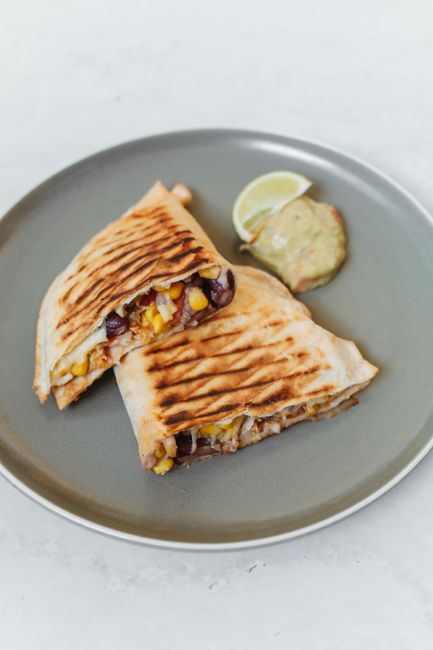
The assembly and cooking process of a mushroom and black bean quesadilla are straightforward but require attention to detail for optimal results. Lay one tortilla flat. On one half of the tortilla, layer a portion of the sautéed mushrooms, followed by a generous amount of seasoned black beans. Then, sprinkle a liberal amount of your chosen cheese blend over the filling. Fold the other half of the tortilla over the filling, creating a semi-circle. Heat a lightly oiled skillet or griddle over medium heat. Carefully place the folded quesadilla into the hot skillet. Cook for 3-5 minutes per side, or until the tortilla is golden brown and crispy, and the cheese is thoroughly melted and gooey. The key here is medium heat; too high and the tortilla will burn before the cheese melts, too low and the tortilla may become leathery. Some cooks prefer to cook their quesadillas on a griddle, which allows for more even heat distribution and potentially cooking multiple quesadillas at once. A crucial tip for achieving perfectly cooked quesadillas is to avoid overcrowding the pan. Cook in batches if necessary, and ensure each quesadilla has ample space to crisp up properly.
Nutritionally, mushroom and black bean quesadillas are a powerhouse. Black beans are an excellent source of plant-based protein and dietary fiber, both of which are crucial for satiety, digestive health, and blood sugar regulation. A single cup of cooked black beans can provide around 15 grams of protein and 11 grams of fiber. Fiber aids in digestion, helps prevent constipation, and can contribute to a feeling of fullness, making this dish a satisfying meal that supports weight management efforts. The protein content of black beans also contributes to muscle repair and growth. Furthermore, black beans are rich in essential minerals such as iron, magnesium, potassium, and folate. Iron is vital for oxygen transport in the blood, magnesium plays a role in numerous biochemical reactions in the body, potassium helps regulate blood pressure, and folate is important for cell growth and DNA formation.
Mushrooms, often overlooked in discussions of nutrition, offer a unique array of health benefits. They are a good source of B vitamins, including riboflavin, niacin, and pantothenic acid, which are essential for energy production and metabolism. Mushrooms also contain selenium, an important antioxidant that helps protect cells from damage. Certain types of mushrooms, particularly shiitake and maitake, are known for their beta-glucans, a type of soluble fiber that has been shown to support immune function by stimulating the activity of immune cells. They also contain ergothioneine, a powerful antioxidant that helps protect against cellular damage. The low-calorie and low-fat content of mushrooms makes them an excellent addition to any healthy diet, and their ability to absorb and impart flavors makes them a valuable ingredient for adding depth and complexity to dishes without relying on excessive salt or fat.
The combination of black beans and mushrooms creates a synergistic nutritional profile. The fiber from the beans and the unique compounds in mushrooms work together to promote gut health. A healthy gut microbiome is linked to a stronger immune system, improved nutrient absorption, and even better mental well-being. The protein from the beans provides sustained energy, while the vitamins and minerals from both ingredients support overall bodily functions. When paired with whole grain tortillas, the fiber content is further enhanced, leading to a more stable release of energy and a prolonged feeling of fullness. The cheese, while adding fat and calories, also contributes calcium and vitamin D, which are important for bone health. However, it’s important to be mindful of the type and quantity of cheese used, especially for those monitoring their fat or sodium intake.
Creative variations and serving suggestions can elevate mushroom and black bean quesadillas from a simple meal to a culinary experience. For an extra layer of flavor and texture, consider adding finely chopped bell peppers (such as red or green), onions, or corn to the mushroom and bean mixture. A pinch of smoked paprika can impart a delightful smoky undertone, while a dash of cayenne pepper or a few thinly sliced jalapeños can add a welcome kick of heat. For a vegetarian or vegan option, omit the cheese or use a plant-based shredded cheese alternative. Nutritional yeast can also be incorporated into the bean mixture for a cheesy, umami flavor without dairy.
When it comes to serving, the possibilities are vast. Classic accompaniments include a dollop of cool sour cream or plain Greek yogurt (for added protein), a generous serving of fresh salsa (ranging from mild pico de gallo to a spicier roasted tomato salsa), and creamy guacamole or sliced avocado. A squeeze of fresh lime juice over the finished quesadilla can brighten all the flavors. For a more substantial meal, serve with a side of seasoned rice, a simple green salad with a light vinaigrette, or a bowl of hearty chili. For appetizers, cut the quesadillas into smaller wedges and serve with a trio of dips: salsa, guacamole, and a creamy cilantro-lime dressing.
To optimize the flavor and texture of your mushroom and black bean quesadillas, several key techniques are worth noting. Firstly, don’t rush the sautéing process for the mushrooms. Allowing them to caramelize properly is essential for developing their deep, savory flavor. Secondly, season each component – the mushrooms, the beans, and even the tortilla if desired – as you go. This layered seasoning approach ensures that every bite is flavorful. Thirdly, use a good quality, well-seasoned skillet or griddle. This will promote even heating and help achieve that desirable crispy tortilla. Fourthly, control the heat when cooking the quesadillas. Medium heat is generally optimal for melting the cheese thoroughly without burning the tortilla. Finally, consider the moisture content of your fillings. If your beans or sautéed vegetables are too wet, it can lead to a soggy quesadilla. Draining excess liquid from canned beans and allowing sautéed vegetables to release and evaporate their moisture are crucial steps.
In conclusion, mushroom and black bean quesadillas are more than just a simple meal; they are a testament to the power of thoughtful ingredient combinations and efficient preparation techniques. Their inherent nutritional value, stemming from the fiber and protein of black beans and the micronutrients and unique compounds of mushrooms, makes them a smart and satisfying choice for a wide range of dietary needs and preferences. The versatility of this dish, allowing for endless customization and creative serving suggestions, ensures that it can be enjoyed in countless ways, from a quick and easy weeknight dinner to an impressive appetizer. By understanding and implementing the techniques discussed – from proper mushroom sautéing to careful heat management during cooking – home cooks can consistently produce delicious and nourishing mushroom and black bean quesadillas that are sure to become a beloved staple. The harmonious marriage of earthy mushrooms, hearty black beans, and melted cheese within a perfectly crisped tortilla offers a culinary experience that is both comforting and invigorating, proving that simple ingredients, when prepared with care, can create truly exceptional dishes.