The Culinary Heritage of Kelantan and the Cultural Significance of Nasi Ulam at D’Umi Nasi Ulam Restaurant

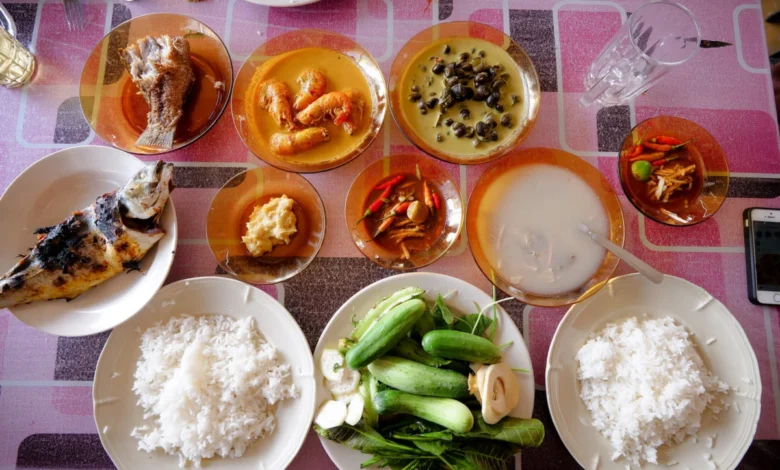
The northernmost state of Kelantan, situated on the east coast of Peninsular Malaysia, serves as a primary custodian of traditional Malay culinary practices, with Nasi Ulam standing as a cornerstone of its gastronomic identity. Often translated as "Herb Rice," Nasi Ulam is far more than a simple carbohydrate dish; it is a complex assembly of indigenous botany, maritime bounty, and ancient fermentation techniques. At D’Umi Nasi Ulam, a prominent establishment located near the border with Thailand, this dish is presented not merely as a meal but as a reflection of the region’s geographical and cultural intersection. By examining the components of this Kelantanese staple—ranging from the selection of wild herbs to the application of fermented condiments like Budu and Tempoyak—one gains insight into a food system that prioritizes biodiversity, probiotic health, and communal dining traditions.
Geographical Context and the Evolution of Kelantanese Cuisine
Kelantan’s culinary profile is distinct from the rest of Malaysia due to its proximity to the Gulf of Thailand and its historical isolation by the Titiwangsa Mountains. This geography has fostered a fusion of flavors that incorporate the spice-heavy profiles of southern Thailand with the coconut-rich, herbaceous traditions of the Malay Archipelago. Nasi Ulam represents the pinnacle of this synthesis. Unlike the blue-tinted Nasi Kerabu, which relies on the butterfly pea flower, Nasi Ulam focuses on the raw, medicinal, and aromatic properties of "Ulam"—a category of traditional Malaysian salads consisting of fresh herbs and vegetables.
The economic landscape of the region also dictates the operations of local eateries. D’Umi Nasi Ulam, for instance, maintains operational hours from 10:00 AM to 5:00 AM the following day. This schedule is strategically designed to accommodate the logistical flow of the region, specifically catering to long-haul truck drivers and transporters crossing the border from Thailand during the late-night and early-morning hours. This 19-hour operational window ensures that Nasi Ulam remains a constant in the local economy, providing high-protein, nutrient-dense meals to a transient workforce.

The Anatomy of Nasi Ulam: Botanical Diversity and Preparation
The foundational element of Nasi Ulam is the "Ulam" itself. At D’Umi Nasi Ulam, the variety of greenery provided to diners is extensive, drawing from both cultivated gardens and the surrounding jungle. The selection typically includes:
- Indian Pennywort (Pegaga): Known for its cognitive-enhancing properties in traditional medicine.
- Wild Pepper Leaves (Daun Kaduk): Providing a subtle, peppery undertone.
- Cashew Tree Leaves (Daun Gajus): Offering a tart, astringent flavor profile that cuts through the richness of seafood.
- Vietnamese Mint (Daun Kesum): Essential for its sharp, citrusy aroma.
- Mango Tree Leaves and Betel Nut Leaves: Utilized for their unique textures and bitter notes, which are believed to aid digestion.
These herbs are not merely garnishes; they are consumed in large quantities alongside white rice. The preparation involves a self-service model where patrons select their preferred herbs, which are then often finely julienned or consumed whole. This emphasis on raw vegetation ensures the preservation of volatile oils and enzymes, contributing to the dish’s reputation as a health-conscious choice within the Malaysian diet.

Maritime Integration: Seafood and Grilling Techniques
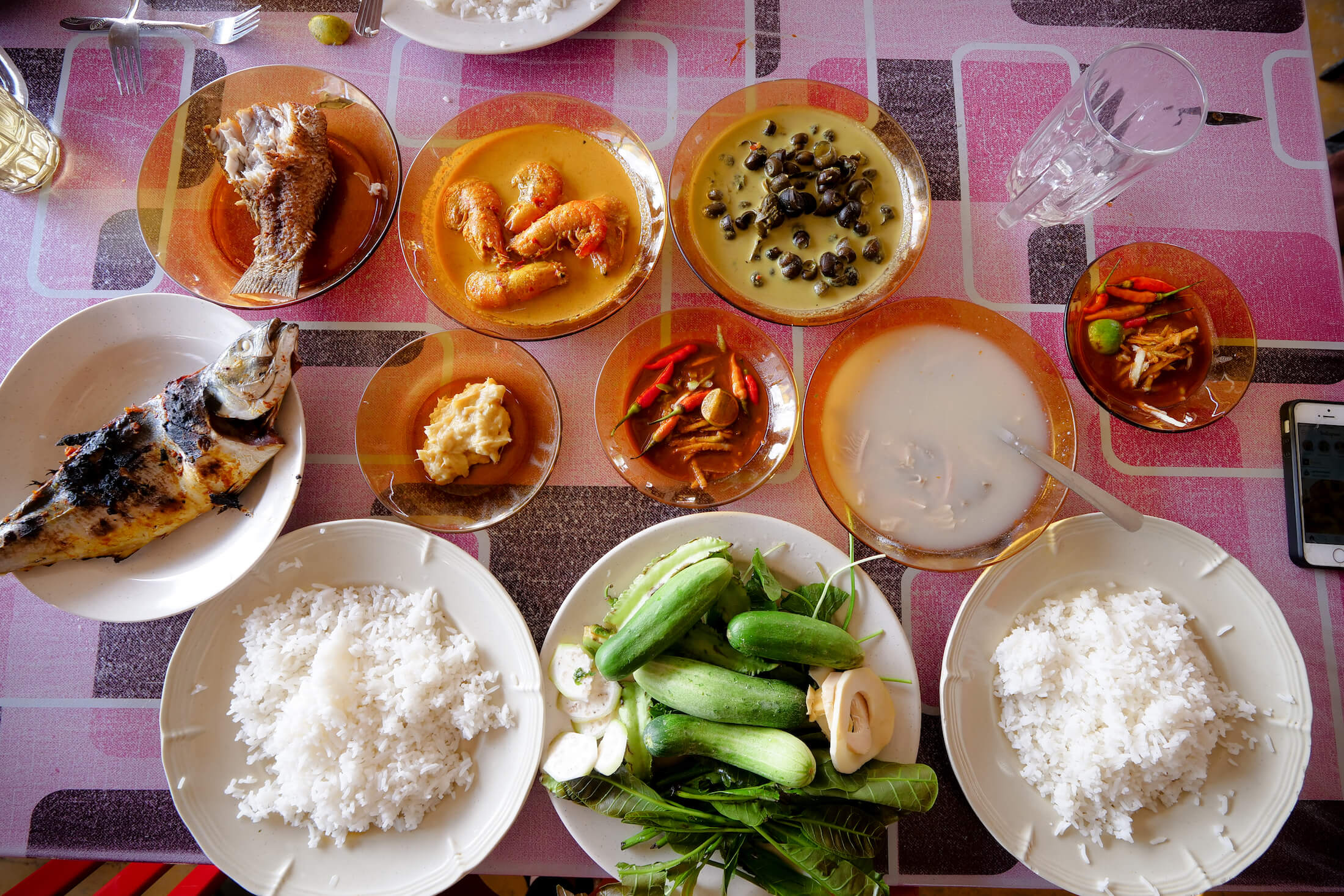
While the herbs provide the structural complexity of the meal, the protein components highlight Kelantan’s access to the South China Sea. D’Umi Nasi Ulam is noted for its high-quality seafood, which is delivered daily to ensure freshness.
Giant Ocean Shrimp
The restaurant features exceptionally large ocean shrimp, often prepared in a coconut-based curry. The sauce is characterized by a creamy, nutty profile with a balanced sweetness. Culinary analysts note that the use of thick coconut milk (santan) in these curries provides a caloric density necessary for manual laborers, while the inclusion of turmeric and lemongrass serves as a natural preservative and flavor enhancer.

Ikan Bakar (Grilled Fish)
The grilled mackerel at D’Umi Nasi Ulam utilizes a specific regional technique. Rather than simply applying a marinade to the exterior, chefs incise the fish to insert a "Sambal" mash—a concentrated paste of chilies, shallots, and spices—directly into the body cavity. The fish is then grilled, allowing the spices to infuse the meat from the inside out while the skin develops a smoky, charred exterior. This double-infusion method is a hallmark of Kelantanese Ikan Bakar, distinguishing it from the versions found in southern states like Melaka or the capital, Kuala Lumpur.
The Role of Fermentation: Budu and Tempoyak
The defining characteristic of a Kelantanese feast is the application of fermented condiments, which serve as flavor catalysts. The two most significant are Budu and Tempoyak.

Budu: The Anchovy Extract
Budu is a traditional fermented fish sauce originating from the east coast of the Malay Peninsula. It is produced by mixing anchovies with salt in specific ratios (typically 2:1 or 3:1) and allowing the mixture to ferment in large earthenware vats for six months to a year.
From a scientific perspective, Budu is a rich source of halophilic bacteria and bioactive peptides. Research into the probiotic benefits of Budu suggests that the fermentation process breaks down fish proteins into easily absorbable amino acids and may contribute to cardiovascular health. At D’Umi Nasi Ulam, Budu is served as a base for a dipping sauce, often customized by the diner with additions of lime juice, bird’s eye chilies, and sliced shallots. The resulting sauce provides an intense umami profile, characterized by its salty and pungent notes.

Tempoyak: Fermented Durian
Tempoyak is made from the flesh of the durian fruit, which is salted and fermented at room temperature for several days. This process transforms the sweet, custardy fruit into a sour, pungent paste. While Tempoyak is eaten across Malaysia and Indonesia, the Kelantanese tradition involves mixing it directly with Budu. This combination creates a complex flavor profile that hits multiple taste receptors: the saltiness of the fish sauce, the acidity of the fermented fruit, and the heat of added chilies.
Chronology of a Traditional Meal
The dining experience at a traditional Nasi Ulam establishment follows a specific sequence that reflects local etiquette and culinary logic:

- Selection: Upon arrival, diners approach the central counter to select their primary proteins (grilled fish, curried shrimp, or shellfish).
- Herb Assembly: Patrons then move to the "Ulam" station, where they gather a variety of raw leaves, bean sprouts, and cucumbers.
- Sauce Customization: This is the most critical phase, where diners mix their own "Budu" bowls. A standard mixture includes a base of Budu, a dollop of Tempoyak, a squeeze of lime, and crushed chilies.
- Consumption: In accordance with traditional Malay custom, many patrons eat with their right hand. This method is said to enhance the sensory connection to the food, allowing the diner to feel the texture of the herbs and ensure the sauces are thoroughly incorporated into each morsel of rice and fish.
Economic and Cultural Implications
The persistence of restaurants like D’Umi Nasi Ulam has significant implications for the regional economy and cultural preservation. As globalization introduces fast-food chains and standardized international cuisines to Malaysia, the "Nasi Ulam" model serves as a bulwark for local agriculture. By maintaining a high demand for indigenous herbs and locally caught seafood, these eateries support small-scale farmers and artisanal fishermen.
Furthermore, the "probiotic" nature of the Kelantanese diet, long a staple of rural life, is now gaining recognition in the context of modern nutritional science. The traditional use of Budu and Tempoyak aligns with global trends toward fermented foods for gut health, positioning Kelantanese cuisine as both an ancient heritage and a contemporary health-conscious option.

Conclusion
Nasi Ulam is more than a regional specialty; it is a sophisticated culinary system that integrates botany, maritime geography, and microbiology. Establishments like D’Umi Nasi Ulam play a vital role in maintaining this heritage, providing a space where traditional flavors are preserved and shared with both locals and travelers. Through the meticulous use of fresh herbs, expert grilling techniques, and the transformative power of fermentation, the people of Kelantan continue to offer one of the most unique and health-dense dining experiences in Southeast Asia. As tourism to the northern states of Malaysia increases, the global appreciation for these complex, pungent, and herbaceous flavors is likely to grow, ensuring that the legacy of "Herb Rice" remains a vibrant part of Malaysia’s national identity.