
Tortilla Espanola Spanish Tortilla

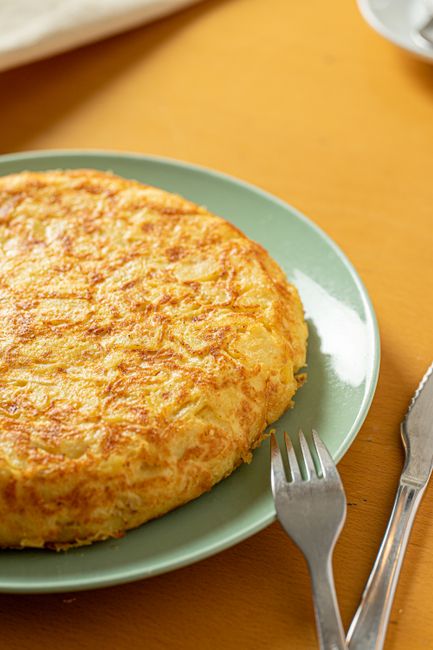
Tortilla Española: The Quintessential Spanish Omelette – A Deep Dive into its History, Preparation, and Cultural Significance
Tortilla Española, often referred to as Spanish tortilla or potato omelette, stands as a culinary icon of Spain. Far from a simple omelette, it is a substantial dish, deeply rooted in the nation’s history and celebrated for its humble ingredients transformed into something truly extraordinary. Its essence lies in the harmonious interplay of thinly sliced potatoes, caramelized onions, and eggs, bound together to create a dense, flavorful, and incredibly versatile meal. The beauty of Tortilla Española is its accessibility; readily available ingredients, a straightforward cooking process (though mastery takes practice), and its adaptability to any meal – from a light breakfast to a hearty tapas offering or a satisfying main course. Understanding Tortilla Española requires exploring its origins, the nuances of its preparation, and its pervasive presence in Spanish daily life and gastronomic culture.
The genesis of Tortilla Española is shrouded in the mists of agricultural history, with many regions of Spain laying claim to its origin. The prevailing theory places its birth in the rural areas of Navarre in the mid-19th century, a time of hardship and scarcity. During this period, when sustenance was paramount, local cooks sought to create a filling and economical meal using readily available ingredients. Potatoes, introduced to Europe centuries earlier, had become a staple crop, especially among the working classes, due to their resilience and affordability. Eggs, another readily accessible protein source, provided the necessary binding agent. The addition of onions, a common and inexpensive vegetable, further enhanced flavor and moisture. This trio of potatoes, eggs, and onions formed the bedrock of what would become the beloved Tortilla Española. While specific historical documentation is scarce, the pragmatic nature of its creation points to a utilitarian origin, born out of necessity rather than elaborate culinary design. Over time, this simple peasant dish evolved from a regional specialty to a national treasure, its popularity spreading throughout Spain and eventually to international recognition. Variations emerged across different regions, with some favoring a higher onion-to-potato ratio, others incorporating other vegetables, but the fundamental potato-and-egg base remained constant. The evolution of its preparation methods also reflects advancements in culinary technology, from open fires to modern stovetops.
The meticulous preparation of Tortilla Española is as crucial as its humble ingredients. The quality of the potatoes is paramount. Waxy varieties, such as Yukon Gold or Maris Piper, are preferred as they hold their shape well during cooking and do not become overly mushy. The potatoes are typically peeled and thinly sliced, often into rounds or half-moons, about 2-3 millimeters thick. Some cooks opt for a julienne cut, but the classic is thin slices. The key to achieving the signature texture of Tortilla Española lies in the slow cooking of the potatoes. They are traditionally fried in abundant olive oil over medium-low heat, rather than being crisped like French fries. This gentle frying process, often referred to as "poaching" in olive oil, allows the potatoes to soften and become tender while absorbing the rich flavor of the oil. Crucially, the potatoes should not brown or become crispy; they should be cooked through and yielding. This slow cooking process is where patience is rewarded, as it ensures the potatoes are perfectly cooked before being combined with the eggs. Alongside the potatoes, onions are slowly sautéed in the same olive oil, often until translucent and slightly caramelized. The sweetness of the caramelized onions complements the earthy flavor of the potatoes beautifully. The ratio of potatoes to onions is a subject of passionate debate among aficionados. Some prefer a higher proportion of potatoes for a more substantial tortilla, while others favor a greater amount of onion for added moisture and sweetness. The cooked potatoes and onions are then drained of excess oil, though not completely, as a little retained oil adds to the dish’s succulence.
The eggs are the binder and the heart of the Tortilla Española. They are typically beaten thoroughly in a large bowl, seasoned generously with salt, and sometimes a pinch of black pepper. The cooked, drained potatoes and onions are then gently folded into the beaten eggs. It’s essential to allow this mixture to sit for a few minutes, allowing the potatoes and onions to absorb some of the egg mixture. This resting period helps to ensure the tortilla holds together well when cooked. The next stage is the cooking itself, which requires a specific technique and the right pan. A non-stick frying pan, ideally around 8-10 inches in diameter, is crucial for easy flipping. A generous amount of olive oil is heated in the pan over medium heat. Once hot, the potato and egg mixture is poured into the pan, spreading evenly. The heat should be moderate to allow the inside to cook through without the outside burning. The key to achieving a perfectly cooked tortilla is the flip. Once the bottom is set and lightly golden, the tortilla needs to be inverted to cook the other side. This is often achieved by placing a large plate or a flat lid over the pan, carefully inverting the pan and its contents onto the plate, and then sliding the tortilla back into the pan to cook the second side. This maneuver requires confidence and practice. Some cooks prefer to leave the center slightly moist, while others aim for a fully cooked interior. The desired doneness is a matter of personal preference and regional tradition. Once cooked, the Tortilla Española is typically slid onto a serving plate and allowed to cool slightly before being sliced.
The cultural significance of Tortilla Española in Spain cannot be overstated. It is a ubiquitous presence in virtually every aspect of Spanish life. As a staple of tapas culture, it is found in bars and restaurants across the country, served in bite-sized wedges or larger portions. Its affordability and satisfying nature make it a popular choice for a quick snack or a light meal. Beyond tapas, it is a beloved home-cooked meal, often prepared for family gatherings, picnics, and casual lunches. The aroma of Tortilla Española cooking is a familiar and comforting scent in Spanish households. It is also a common item in "bocadillos," or Spanish sandwiches, where thick slices of warm tortilla are tucked into crusty bread, often with a dollop of mayonnaise or alioli. This adaptability and widespread appeal have cemented its status as a true national dish. Its simplicity belies its deep connection to Spanish identity, representing the country’s culinary heritage of making delicious and nourishing food from basic ingredients. The ongoing debates about its preparation, such as the ideal potato-to-onion ratio or the desired level of onion caramelization, highlight the passion and personal connection Spaniards have with this iconic dish.
Variations of Tortilla Española abound, reflecting the diverse culinary landscape of Spain and the creativity of home cooks. While the classic potato and onion combination forms the undisputed foundation, many additions and subtle alterations are embraced. Some regions, like Galicia, are known for their "tortilla de patatas con cebolla," emphasizing a more pronounced onion flavor, often caramelized to a deep sweetness. Others might incorporate a touch of garlic for an extra layer of aroma and taste, though this is less common in the most traditional preparations. Certain coastal areas might feature seafood, such as small prawns or mussels, adding a delicate oceanic note. However, these are often considered distinct dishes rather than direct variations of the pure Tortilla Española. Another common variation involves the texture of the potatoes. While slow-fried is the norm, some prefer to lightly parboil the potatoes before frying to ensure tenderness. The "al punto" (medium-rare) style of tortilla, where the center is intentionally left a little runny, is a popular preference among those who enjoy a softer, more custardy texture. This method requires precise timing and careful monitoring of the cooking process. Conversely, a fully cooked, firm tortilla appeals to those who prefer a more solid and easily sliceable dish. The choice of olive oil also plays a role; a robust, extra virgin olive oil imparts a more pronounced flavor than a milder variety. The use of different potato varieties, as mentioned, can also subtly influence the final texture and taste. Ultimately, these variations are not deviations but rather evolutions, demonstrating the enduring appeal and adaptability of the core concept.
The nutritional profile of Tortilla Española, while seemingly simple, offers a balanced combination of macronutrients. Potatoes provide complex carbohydrates for energy, along with essential vitamins like Vitamin C and potassium. Eggs are an excellent source of high-quality protein, healthy fats, and a range of vitamins and minerals, including Vitamin D, B vitamins, and choline. Olive oil, particularly extra virgin olive oil, is a source of monounsaturated fats, known for their cardiovascular benefits. When prepared with moderate amounts of oil, Tortilla Española can be a surprisingly wholesome meal. The onion contributes fiber and antioxidants. However, the calorie count can vary significantly depending on the amount of olive oil used in the frying process. For those mindful of fat intake, methods like using less oil during the potato cooking stage or employing non-stick pans more effectively can help manage the overall fat content. Nonetheless, in the context of a balanced diet, and especially when consumed as part of a meal with other nutrient-rich foods like salads or vegetables, Tortilla Española remains a satisfying and relatively healthy option. Its high protein content from the eggs contributes to satiety, making it a filling choice. The presence of fiber from the potatoes and onions also aids in digestion.
Serving and enjoying Tortilla Española is an experience steeped in tradition and flexibility. It is rarely served piping hot, as its flavors and textures are best appreciated when it has had a few minutes to rest and firm up. The ideal temperature is warm, or even at room temperature. It is typically sliced into wedges, similar to a cake, making it easy to share and handle. As a tapas dish, small squares or triangles are common. For a light meal, a larger wedge accompanied by a simple green salad dressed with vinaigrette is a classic pairing. The acidity of the salad cuts through the richness of the tortilla, creating a balanced bite. Aioli, a garlic mayonnaise, is a popular accompaniment, adding an extra layer of creamy flavor and pungency. Other common condiments include a drizzle of high-quality olive oil or a sprinkle of chopped fresh parsley for added color and freshness. In some homes, a side of pickled vegetables or a small portion of cured ham might accompany the tortilla. The beauty of Tortilla Española lies in its versatility; it can be dressed up or down to suit any occasion. It is equally at home on a sophisticated tapas platter as it is on a humble family picnic blanket. Its ability to be prepared in advance and enjoyed at room temperature makes it an ideal dish for entertaining or for busy individuals. The lingering taste of potato, onion, and egg, infused with the essence of olive oil, is a comforting and deeply satisfying culinary experience that has endured for generations.


