
Honey Dijon Balsamic Vinaigrette

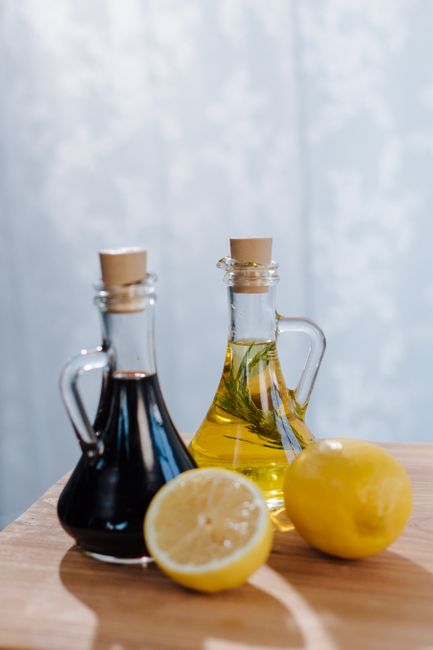
Honey Dijon Balsamic Vinaigrette: The Ultimate Flavor Enhancer for Salads and Beyond
The honey dijon balsamic vinaigrette is a culinary cornerstone, transcending its role as a mere salad dressing to become a versatile flavor enhancer with extensive applications in the kitchen. Its balanced profile, marrying the tang of balsamic vinegar with the sharp bite of Dijon mustard and the subtle sweetness of honey, creates a symphony of tastes that elevates simple ingredients to gourmet status. This article will delve into the intricate details of crafting, understanding, and maximizing the potential of this beloved vinaigrette, providing actionable insights for home cooks and culinary enthusiasts alike.
At its core, a classic honey dijon balsamic vinaigrette recipe comprises a harmonious trinity: extra virgin olive oil, balsamic vinegar, and Dijon mustard. The ratios can be adjusted to suit individual preferences, but a common starting point involves a 3:1 or 2:1 ratio of olive oil to vinegar. The emulsification process is key to achieving a smooth, cohesive dressing. Vigorous whisking or shaking in a jar breaks down the oil and vinegar into tiny droplets, suspending them within each other to prevent separation. Dijon mustard acts as a natural emulsifier, its mucilaginous properties aiding in this crucial step. Honey is introduced to temper the sharpness of the vinegar and mustard, adding a layer of sweetness that rounds out the flavor profile. The type of honey used can subtly influence the final taste; clover honey offers a mild sweetness, while darker, more robust honeys like buckwheat can impart richer, more complex notes.
The quality of ingredients directly impacts the final product. Opting for a high-quality extra virgin olive oil (EVOO) is paramount. Look for oils that are cold-pressed, indicating a gentler extraction process that preserves beneficial compounds and delicate flavors. The origin and varietal of the olives can also contribute distinct characteristics. Similarly, selecting a good quality balsamic vinegar, preferably aged, will yield a more nuanced and less acidic dressing. True balsamic vinegar from Modena, Italy, undergoes a lengthy aging process, developing a syrupy consistency and a deep, complex flavor profile that is far superior to standard wine vinegars. Dijon mustard, while generally consistent, can range in pungency. Some brands offer a milder, creamer Dijon, while others provide a more robust, grainy mustard. Experimentation with different brands can lead to discovering a personal favorite.
Beyond the foundational components, a plethora of additions can be incorporated to customize the honey dijon balsamic vinaigrette. Garlic, minced or grated, infuses a pungent aroma and a savory depth. Fresh herbs, such as parsley, chives, basil, or thyme, add a bright, herbaceous counterpoint. Dried herbs can also be used, though they require a longer steeping time to release their full flavor. A pinch of salt and freshly ground black pepper are essential for seasoning, enhancing all the other flavors. For a touch of heat, red pepper flakes or a dash of hot sauce can be incorporated. A squeeze of fresh lemon juice can add an extra layer of brightness, particularly if you desire a tangier vinaigrette. Shallots, finely minced, offer a milder, sweeter onion flavor than raw garlic, adding another dimension of savory complexity.
The versatility of honey dijon balsamic vinaigrette extends far beyond its traditional application on leafy greens. It serves as an exceptional marinade for a wide array of proteins, including chicken, pork, and fish. The acidic nature of the balsamic vinegar helps to tenderize the meat, while the oil and honey contribute to a delicious crust during grilling or roasting. Marinating times can vary depending on the thickness and type of protein, but generally range from 30 minutes to several hours. For tougher cuts of meat, overnight marination can be beneficial. The vinaigrette can also be used to glaze grilled vegetables, adding a delightful sweet and tangy finish. Asparagus, broccoli, bell peppers, and zucchini all benefit from a brush of this flavorful dressing.
Furthermore, honey dijon balsamic vinaigrette can be incorporated into grain salads, such as quinoa, farro, or couscous. It binds the ingredients together and provides a cohesive flavor profile. Tossed with roasted vegetables, chickpeas, and feta cheese, it transforms simple grains into a satisfying and flavorful meal. The vinaigrette also works wonderfully as a dipping sauce for crusty bread, crudités, or even as a binder for potato salads or pasta salads, offering a lighter, more vibrant alternative to traditional mayonnaise-based dressings. The sweetness of the honey can even complement certain fruits, making it a surprising yet delightful addition to fruit salads or as a drizzle over grilled peaches or pears.
The process of emulsification is critical for achieving the ideal texture and stability of the vinaigrette. When oil and vinegar are combined without an emulsifier, they will naturally separate due to their immiscible nature. Dijon mustard, containing lecithin, acts as a stabilizing agent, helping to disperse the oil into tiny droplets throughout the vinegar. This creates a creamy, homogenous consistency that clings beautifully to food. There are two primary methods for emulsification: whisking and shaking. Whisking in a bowl requires a steady hand and consistent motion to create the desired suspension. Alternatively, combining all ingredients in a tightly sealed jar and shaking vigorously until emulsified is a simpler and often more effective method for home cooks. If the vinaigrette separates upon standing, a quick whisk or shake will typically re-emulsify it.
The shelf life of homemade honey dijon balsamic vinaigrette is generally a few weeks when stored properly in an airtight container in the refrigerator. The acidity of the vinegar acts as a natural preservative. However, the quality of ingredients, particularly fresh additions like garlic or herbs, can influence its longevity. It’s advisable to use fresh ingredients for optimal flavor and to discard the vinaigrette if it exhibits any signs of spoilage, such as mold or an off odor. Before serving, it’s often beneficial to let the vinaigrette come to room temperature for a few minutes, as refrigeration can solidify the olive oil, affecting its texture.
When considering SEO optimization, the keyword "honey dijon balsamic vinaigrette" should be strategically incorporated throughout the article. Using variations like "honey balsamic dressing," "dijon vinaigrette recipe," and "easy salad dressing" can broaden the reach. Highlighting the benefits, such as "flavor enhancer," "versatile dressing," and "healthy dressing" (when using quality ingredients and in moderation) can attract users searching for specific advantages. Discussing "how to make" and "best ingredients" addresses common user queries.
Understanding the flavor profiles of the individual components is key to mastering this vinaigrette. Balsamic vinegar, with its sweet and tart notes, is derived from cooked grape must. Its aging process significantly impacts its flavor, with younger balsamic being more acidic and sharp, while aged balsamic is richer, sweeter, and more complex. Dijon mustard, originating from Dijon, France, is typically made from brown or black mustard seeds, wine, and vinegar. Its characteristic pungency and slightly spicy kick come from a chemical reaction that occurs when the seeds are crushed and mixed with liquid. Honey, a natural sweetener produced by bees, offers a spectrum of flavors depending on the floral source. These elements, when balanced, create a dressing that is both invigorating and satisfying.
The "why" behind its popularity lies in its adaptability and crowd-pleasing flavor. It strikes a perfect chord between sweet and savory, acidic and mellow, making it a universally appealing choice. It complements a vast range of ingredients, from delicate spring greens to hearty roasted meats. Its ease of preparation also contributes to its widespread adoption in home kitchens. The ability to customize the proportions and add personal touches ensures that each batch can be tailored to individual palates and specific culinary applications.
For those seeking to deepen their understanding and application of this vinaigrette, exploring variations is a natural progression. A "creamy honey dijon balsamic vinaigrette" can be achieved by incorporating a small amount of mayonnaise, Greek yogurt, or even avocado into the base recipe. This adds a luscious texture and a richer mouthfeel, transforming it into a dip or a richer salad dressing. Experimenting with different vinegars, such as apple cider vinegar or red wine vinegar, can also yield distinct flavor profiles, though balsamic remains the quintessential choice for this specific dressing. Substituting maple syrup for honey offers another sweetening option, imparting a slightly different flavor profile and a richer, more viscous texture.
The nutritional aspect of honey dijon balsamic vinaigrette, when made with wholesome ingredients, can be quite favorable. Extra virgin olive oil is rich in monounsaturated fats, which are beneficial for heart health. Balsamic vinegar, in moderation, can have a low glycemic index. While honey is a sugar, it also contains trace amounts of vitamins, minerals, and antioxidants. The key to a "healthy" vinaigrette lies in controlling portion sizes and being mindful of added sugars if using store-bought versions. Making it from scratch allows for complete control over the ingredient list and sugar content.
In conclusion, the honey dijon balsamic vinaigrette is more than just a salad dressing; it is a culinary tool, a flavor catalyst, and a testament to the power of simple, well-balanced ingredients. Its creation is an exercise in culinary alchemy, transforming basic components into a sophisticated and versatile condiment. Whether drizzled over a salad, used as a marinade, or incorporated into a myriad of dishes, this vinaigrette consistently delivers a delightful and memorable taste experience, solidifying its place as an indispensable element in the modern kitchen. The continued exploration of its applications and variations ensures its enduring appeal for home cooks and professional chefs alike.


