
Roasted Tomato Salsa I

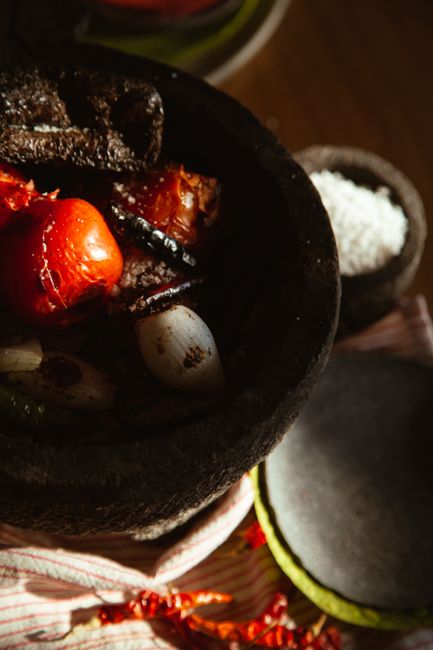
The Ultimate Guide to Roasted Tomato Salsa: Unlocking Deep Flavor and Versatility
Roasted tomato salsa transcends the typical pico de gallo, offering a complex depth of flavor that comes from the caramelization and intensified sweetness of oven-kissed tomatoes. This isn’t just a condiment; it’s a culinary powerhouse, capable of elevating everything from grilled meats and tacos to chips and eggs. The process of roasting unlocks inherent sugars, transforming the raw, slightly acidic notes of fresh tomatoes into a rich, smoky, and subtly sweet foundation. This method also softens the tomatoes, creating a smoother, more integrated salsa texture that allows the other ingredients to meld beautifully. The key to a truly exceptional roasted tomato salsa lies in understanding the fundamental principles of roasting and how each ingredient contributes to the final profile. We’ll explore the ideal tomato varieties, essential aromatics, the role of heat and time, and the myriad of ways to customize this versatile staple.
The foundation of any great roasted tomato salsa is, of course, the tomato. While many varieties can be roasted, some are unequivocally superior for this purpose. Roma tomatoes, also known as plum tomatoes, are an excellent choice due to their lower water content and meaty texture. This means they roast down more effectively, concentrating their flavor without becoming watery. San Marzano tomatoes, an Italian heirloom variety, are revered for their sweet, less acidic profile and fewer seeds, making them ideal for a smooth, rich salsa. Grape or cherry tomatoes also work wonderfully, offering a burst of intense sweetness when roasted, though they may require a slightly shorter roasting time to prevent them from becoming too soft. Avoid overly watery tomatoes like Beefsteak, as they can lead to a diluted flavor and a less desirable texture. The ripeness of your tomatoes is also crucial. Opt for tomatoes that are firm to the touch but yield slightly, indicating peak sweetness and flavor. Overripe tomatoes can become mushy, while underripe ones will lack the necessary sweetness. When preparing tomatoes for roasting, a simple halving or quartering is usually sufficient. For smaller cherry or grape tomatoes, leaving them whole can also yield excellent results, as the skins will char and burst, releasing their sweet juices.
Beyond the star ingredient, the aromatics play a vital role in building the complex flavor profile of roasted tomato salsa. Onions, specifically white or yellow onions, are essential. Their inherent sweetness mellows and deepens during roasting, complementing the tomatoes beautifully. Red onions can also be used, offering a slightly sharper, more pungent flavor that can add an interesting counterpoint, though their color might slightly alter the final hue of the salsa. Garlic, when roasted alongside the tomatoes, transforms from sharp and pungent to mellow, sweet, and nutty. This roasted garlic is a game-changer, offering a depth of flavor that raw garlic simply cannot replicate. Whole cloves, peeled or unpeeled (unpeeled skins will char and protect the garlic, making it easy to squeeze out the softened cloves after roasting), are perfect. Chili peppers are non-negotiable for adding heat and a layer of smoky complexity. Jalapeños are a classic choice, offering a moderate heat and a slightly grassy flavor. Serrano peppers provide a more intense heat and a fruitier undertone. For those who crave significant spice, habaneros or even ghost peppers can be incorporated, but proceed with caution. Removing the seeds and membranes of chili peppers will significantly reduce their heat, allowing you to control the spice level to your preference. Roasting these peppers alongside the tomatoes imparts a subtle smoky char that is distinctive of this salsa style.
The roasting process itself is where the magic happens. A hot oven is key to achieving that desirable char and caramelization on the tomatoes and aromatics. Preheat your oven to a high temperature, typically between 400°F (200°C) and 450°F (230°C). Line a baking sheet with parchment paper or aluminum foil for easy cleanup. Arrange the prepared tomatoes, onions, and chili peppers in a single layer on the baking sheet. Drizzle everything generously with a good quality olive oil. This fat will help conduct heat, promoting browning and preventing sticking. Season with salt and freshly ground black pepper. The salt not only enhances the natural flavors but also draws out moisture, aiding in caramelization. The roasting time will vary depending on the size and type of your ingredients and your oven’s performance, but generally, it will range from 20 to 35 minutes. Look for tomatoes that have softened and are beginning to wrinkle and char around the edges. Onions should be tender and slightly browned. Chili peppers should be softened and blistered. It’s often beneficial to give the ingredients a stir or flip halfway through the roasting process to ensure even cooking and charring. For a smokier flavor, you can even finish the salsa under the broiler for a minute or two, keeping a very close eye to prevent burning.
Once your roasted ingredients have cooled slightly, it’s time to bring them together to form the salsa. The method of combining can significantly impact the final texture. For a chunky, rustic salsa, simply transfer the roasted ingredients to a food processor and pulse a few times until the desired consistency is achieved. Be careful not to over-process, or you’ll end up with a paste. Alternatively, you can finely chop the roasted ingredients by hand on a cutting board for a more artisanal texture. For a smoother, more refined salsa, you can transfer the roasted ingredients, along with their accumulated juices from the baking sheet, to a blender and process until smooth. If you prefer a very silky texture, you can pass the blended salsa through a fine-mesh sieve.
The essential additions to roasted tomato salsa often include fresh herbs and a touch of acidity to balance the richness. Fresh cilantro is a classic pairing, its bright, herbaceous notes cutting through the smoky sweetness. If you’re not a fan of cilantro, fresh parsley, particularly flat-leaf Italian parsley, offers a milder, more peppery flavor that works equally well. A squeeze of fresh lime juice is crucial for adding brightness and acidity. Lime is the traditional choice, its citrus notes perfectly complementing the roasted flavors. Lemon juice can be used as a substitute, offering a slightly different but still effective tang. For a spicier kick, consider adding a pinch of cayenne pepper or a dash of your favorite hot sauce. Some recipes also benefit from a touch of sweetness. If your tomatoes weren’t particularly sweet, a small drizzle of honey or a pinch of sugar can help balance the flavors. For a bit of an unexpected savory depth, a tiny splash of soy sauce or Worcestershire sauce can add an umami element.
Customization is where roasted tomato salsa truly shines. The beauty of this recipe lies in its adaptability to your personal preferences and the ingredients you have on hand. Consider adding other roasted vegetables. Roasted bell peppers, especially red or yellow ones, will contribute sweetness and a subtle fruity flavor. Roasted corn kernels add a delightful pop of sweetness and texture. For a touch of creamy richness, a small amount of roasted sweet potato or butternut squash can be incorporated. If you enjoy a bit of crunch, consider adding finely diced raw red onion or green onion after the salsa has been processed. A small amount of finely chopped pickled jalapeños can add a delightful briny tang and an extra layer of heat. For a more robust and hearty salsa, consider adding roasted corn. The natural sweetness of corn becomes even more pronounced when roasted, creating a wonderful counterpoint to the savory tomatoes and smoky chiles. You can roast corn kernels directly on the baking sheet with the tomatoes, or use pre-cooked corn that has been slightly charred.
When it comes to serving, the possibilities are virtually endless. Roasted tomato salsa is a phenomenal dipping sauce for tortilla chips, pita bread, or crudités. It’s an indispensable topping for tacos, burritos, enchiladas, and quesadillas, adding a burst of fresh flavor and a hint of smoky spice. Drizzle it over grilled chicken, fish, or steak to add a vibrant and complex finishing touch. It’s also a delicious accompaniment to scrambled eggs, omelets, or breakfast burritos, transforming a simple morning meal into something extraordinary. For a unique twist, try adding a dollop to a bowl of chili or a hearty stew. Its rich flavor can deepen and enhance the existing notes.
Storage of roasted tomato salsa is straightforward. Once cooled completely, transfer the salsa to an airtight container. It will keep in the refrigerator for 3 to 5 days. The flavors will often meld and deepen over time, making the salsa even more delicious on the second or third day. If you find the salsa has become too thick after refrigeration, you can loosen it with a tablespoon or two of water or a squeeze of fresh lime juice. For longer storage, you can freeze roasted tomato salsa. Portion it into freezer-safe containers or ice cube trays. Frozen salsa can be stored for up to 3 months. Thaw overnight in the refrigerator before serving. Keep in mind that the texture might change slightly after freezing and thawing, becoming a little more watery. You may need to drain off any excess liquid and adjust the seasonings upon reheating.
The fundamental principles of roasting, coupled with thoughtful ingredient selection and judicious seasoning, allow for the creation of a roasted tomato salsa that is far more than the sum of its parts. It’s a testament to how simple ingredients, treated with care and attention, can yield profoundly delicious results. The depth of flavor achieved through roasting is unparalleled, offering a complexity that brightens and elevates any dish it accompanies. Mastering this roasted tomato salsa recipe is not just about creating a condiment; it’s about unlocking a versatile culinary tool that will become a staple in your kitchen, a go-to for adding that special something to everyday meals and celebratory feasts alike. The subtle smokiness, the intensified sweetness, and the harmonious blend of aromatics create a salsa that is both comforting and exciting, familiar yet sophisticated. Experimentation with chili peppers, herbs, and additional roasted vegetables will lead to your own signature version, a testament to the endless possibilities within this deceptively simple, yet incredibly rewarding, roasted tomato salsa.


