
Recipes 1951 VeggiesandChickenCasserole

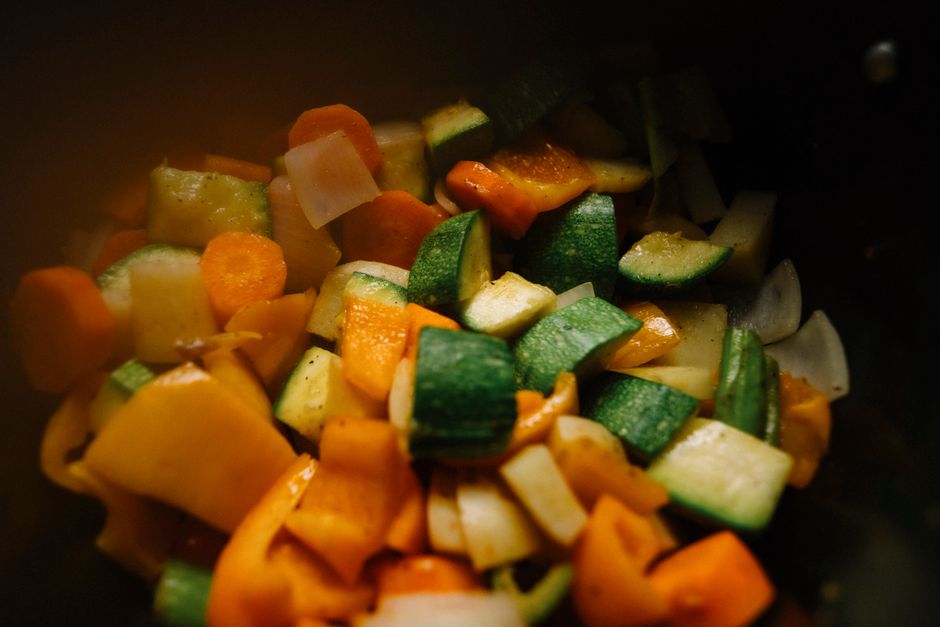
1951 Veggies and Chicken Casserole: A Culinary Time Capsule
The 1951 Veggies and Chicken Casserole is more than just a recipe; it’s a snapshot of post-war American home cooking, reflecting a period of burgeoning convenience, evolving family dynamics, and a renewed focus on wholesome, accessible ingredients. This casserole, often a comforting cornerstone of family dinners, embodies the spirit of its era with its straightforward preparation and reliance on pantry staples and readily available produce. Understanding the context of 1951 is crucial to appreciating this dish. The nation was experiencing a period of economic prosperity and suburban growth. Women were increasingly taking on dual roles as homemakers and, in some cases, part-time workers, necessitating meals that were both nourishing and efficient to prepare. Casseroles, in general, surged in popularity during this time due to their one-dish nature, ease of assembly, and ability to feed a crowd, making them ideal for busy families and impromptu gatherings. The ingredients commonly found in a 1951 Veggies and Chicken Casserole – chicken, common vegetables like peas, carrots, and corn, and a creamy binder often created with condensed soup – speak to the availability and affordability of these items in the mid-20th century. This recipe’s enduring appeal lies not just in its historical significance but also in its inherent deliciousness and adaptability, making it a relevant and satisfying meal even today.
The core components of a classic 1951 Veggies and Chicken Casserole are remarkably consistent across many variations, reflecting the era’s culinary simplicity and emphasis on robust flavors. At its heart is the chicken, typically pre-cooked and then cubed or shredded. This pre-cooking step was a hallmark of mid-century efficiency, with many households utilizing leftover roast chicken or boiling whole chickens specifically for this purpose. The use of canned or frozen vegetables was also prevalent, offering convenience and year-round availability. Common choices included peas, carrots, corn, and sometimes green beans. These vegetables provided color, texture, and essential nutrients, creating a balanced meal. The binding element, crucial for transforming disparate ingredients into a cohesive casserole, was almost invariably a condensed cream soup. Campbell’s Cream of Mushroom, Cream of Chicken, or Cream of Celery were the titans of this category, providing a creamy, savory, and slightly salty base that held everything together and lent a satisfying richness. Often, a touch of liquid, such as milk or water, was added to thin the soup to the desired consistency. Seasoning was generally kept simple, with salt and pepper being the primary flavor enhancers, though some recipes might have included a pinch of onion powder or garlic powder for an extra layer of taste. The entire mixture was then transferred into a baking dish, often greased or lined with butter to prevent sticking, and baked until heated through and bubbly, with a slightly golden crust forming on top. This unpretentious assembly process is a testament to the era’s focus on practicality and delicious results without fuss.
Deconstructing the ingredient list for a typical 1951 Veggies and Chicken Casserole reveals a deliberate selection of items that were both economical and readily accessible. The foundation, as mentioned, is cooked chicken. For a standard casserole serving 4-6 people, approximately 2 cups of cooked, diced, or shredded chicken would be sufficient. This could be derived from a whole roasted chicken, boiled chicken breasts or thighs, or even canned chicken in a pinch, though fresh or home-cooked chicken would have been the preference. The vegetable medley is equally important. A combination of frozen or canned peas and carrots, often sold pre-mixed, would provide about 1.5 to 2 cups. Canned corn, drained, could add another cup, contributing a touch of sweetness and a different texture. The creamy binder is typically one (10.5-ounce) can of condensed cream soup. Cream of Mushroom is a perennial favorite, its earthy notes complementing the chicken and vegetables beautifully. However, Cream of Chicken or Cream of Celery were equally valid choices, offering subtle variations in flavor profile. To achieve the desired consistency for the sauce, roughly ½ cup of milk or water would be incorporated. This liquid would be mixed with the condensed soup to create a smoother, more spreadable sauce. Seasoning was minimal but impactful. ½ teaspoon of salt and ¼ teaspoon of black pepper were standard, adjustable to personal taste. For those seeking a more pronounced savory flavor, ¼ teaspoon of onion powder or a small amount of finely minced fresh onion, sautéed beforehand, could be added. Some recipes might have included a tablespoon or two of chopped pimento for a touch of color and mild sweetness, reflecting a trend towards incorporating brighter, more visually appealing ingredients. The final touch, often optional but highly recommended for texture and flavor, was a topping. This could range from buttery breadcrumbs, crushed crackers, or even a sprinkle of grated cheese.
The preparation of a 1951 Veggies and Chicken Casserole is characterized by its speed and minimal culinary expertise required, making it a perfect example of mid-century convenience cooking. The initial step involves preheating the oven, typically to 350°F (175°C). While the oven heats, the cook would then prepare their cooked chicken, ensuring it is cut into bite-sized pieces. If using canned vegetables, they would be drained thoroughly. In a large mixing bowl, the cooked chicken and all the prepared vegetables (peas, carrots, corn) would be combined. Next, the condensed soup is opened and added to the bowl. The milk or water is then poured in, followed by the salt, pepper, and any other desired seasonings like onion powder. All the ingredients are then gently but thoroughly mixed together until the chicken and vegetables are evenly coated in the creamy soup mixture. The goal is to create a homogenous blend. This mixture is then spooned into a greased or buttered 8×8 inch or similar-sized casserole dish. The surface should be spread evenly. If a topping is to be used, it would be applied at this stage. For breadcrumb topping, roughly ½ cup of dry breadcrumbs mixed with 1-2 tablespoons of melted butter would be sprinkled evenly over the casserole. Crushed saltine crackers or a thin layer of grated cheddar cheese (a later addition to the classic) could also serve as a topping. The casserole is then placed in the preheated oven. Baking time typically ranges from 25 to 35 minutes, or until the casserole is heated through and the sauce is bubbling around the edges. A golden-brown crust, if a topping was used, signifies readiness. The casserole is then carefully removed from the oven and allowed to rest for a few minutes before serving, allowing the flavors to meld and the sauce to thicken slightly.
The culinary context of 1951 significantly influenced the ingredients and methods employed in the Veggies and Chicken Casserole, making it a dish deeply rooted in its time. The post-war era saw a surge in the availability of processed and convenience foods. Canned goods, in particular, became staples in American kitchens. Condensed soups, pioneered by companies like Campbell’s, offered a quick and easy way to create rich sauces and creamy bases for a multitude of dishes. This bypassed the need for more time-consuming scratch-made roux or béchamel sauces, aligning perfectly with the desire for efficiency in cooking. Frozen vegetables also began to gain traction, providing a convenient alternative to fresh produce, especially during winter months. This ensured that a vibrant vegetable medley was accessible year-round. Chicken, while always a popular protein, became more widely consumed as the economy improved. The ability to purchase pre-cut chicken pieces or rely on whole chickens that could be roasted and then used in multiple meals, including casseroles, was a common practice. The notion of the "one-dish meal" gained immense popularity. Casseroles fit this perfectly, simplifying cleanup and serving as a complete, balanced meal in a single baking dish. This appealed to families with busy schedules and further cemented the casserole’s status as a household favorite. Furthermore, the influence of mass media, such as cookbooks and women’s magazines, played a crucial role in disseminating recipes like the Veggies and Chicken Casserole. These publications often featured simplified recipes that emphasized convenience and affordability, catering to the evolving needs and lifestyles of American homemakers. The aesthetic of the dishes also began to shift, with an increasing emphasis on visually appealing presentations, even within the context of a casserole. The addition of pimento for color or a toasted breadcrumb topping were subtle nods to this growing trend. In essence, the 1951 Veggies and Chicken Casserole is a product of its time, a culinary embodiment of practicality, innovation, and the changing rhythms of American domestic life.
Variations on the classic 1951 Veggies and Chicken Casserole are plentiful, reflecting the adaptability of the core concept and the individual preferences of home cooks across the decades. One of the most common modifications involves the type of condensed soup used. While Cream of Mushroom is a traditionalist’s choice, experimenting with Cream of Chicken offers a more pronounced chicken flavor, and Cream of Celery adds a subtle herbaceous note. For those seeking a lighter option, a low-fat condensed soup or even a homemade creamy sauce made with milk, flour, and broth can be substituted, though this deviates from the strict 1951 interpretation. The vegetable component also offers significant room for creativity. Beyond the standard peas, carrots, and corn, cooks might incorporate diced potatoes, broccoli florets, cauliflower, green beans, or even water chestnuts for added crunch. The key is to ensure vegetables are cooked through or have the capacity to cook within the casserole’s baking time. Some recipes might call for sautéed mushrooms or onions to be added to the mix for a deeper flavor profile, a step that requires a little more time but yields a more complex taste. The protein source can also be varied. While chicken is the namesake, pre-cooked turkey, ham, or even canned tuna can be used to create different flavor profiles. For a vegetarian version, tofu or white beans can be incorporated. The topping is perhaps where the most significant divergence occurs. While buttered breadcrumbs and crushed crackers are classic, modern interpretations might include shredded cheese (cheddar, Monterey Jack, or a blend), a mixture of cheese and breadcrumbs, or even crumbled potato chips for an extra salty crunch. Some adventurous cooks have even incorporated crumbled bacon or fried onions for added texture and flavor. The seasoning can also be elevated. A pinch of thyme, rosemary, or a dash of paprika can introduce new aromatic dimensions. A splash of Worcestershire sauce can add a umami depth. Even a spoonful of Dijon mustard can provide a subtle tang. These variations, while moving away from the strict 1951 blueprint, demonstrate the enduring appeal of the casserole format and its capacity to be molded to contemporary tastes and dietary considerations, all while retaining the comforting essence of the original dish.
The enduring appeal of the 1951 Veggies and Chicken Casserole lies not only in its historical significance or its comforting flavors but also in its remarkable adaptability to modern dietary needs and preferences. While the original recipe relied heavily on processed condensed soups and potentially higher levels of sodium, contemporary cooks can easily create a healthier and more wholesome version. Substituting low-sodium condensed soups, or even better, creating a homemade creamy sauce using whole milk or a non-dairy alternative like almond or soy milk thickened with a gluten-free flour blend or cornstarch, significantly reduces sodium and unhealthy fats. The vegetables, which were already a strength of the original, can be amplified with a wider array of fresh or frozen options like broccoli, spinach, bell peppers, or zucchini, offering a broader spectrum of vitamins and minerals. For protein, lean chicken breast or thigh meat remains an excellent choice. Alternatively, one could opt for shredded turkey, lean ground chicken, or even plant-based protein sources like lentils or chickpeas to cater to vegetarian or vegan diets. When making such substitutions, it’s important to consider the cooking times of the new ingredients. For instance, if adding fresh vegetables that require longer cooking, they might need to be pre-blanched or sautéed before being incorporated into the casserole. The topping, often a source of less healthy fats and refined carbohydrates, can also be reimagined. A mixture of whole-wheat breadcrumbs with healthy fats like olive oil, or a topping of toasted nuts and seeds like slivered almonds or sunflower seeds, can add texture and nutritional value. For those seeking a lower-carb option, crushed pork rinds or a cheese and almond flour crumble can be effective. The sodium content can be further managed by using low-sodium broths or stocks instead of water and by being mindful of added salt during preparation. Even without drastically altering the core ingredients, many simply choose to use less salt than might have been common in the 1950s, relying more on the natural flavors of the chicken and vegetables. The essence of the 1951 Veggies and Chicken Casserole—its comforting, all-in-one nature—remains, but its execution can be readily updated to align with contemporary understandings of healthy eating, proving that even a classic recipe can evolve with the times.
The 1951 Veggies and Chicken Casserole stands as a testament to the ingenuity and practicality of mid-20th-century home cooking, offering a delicious and accessible meal that continues to resonate with diners today. Its straightforward assembly, reliance on readily available ingredients, and comforting, familiar flavors make it a perennial favorite. Whether prepared in its classic form or adapted with modern twists to suit contemporary dietary needs, the Veggies and Chicken Casserole embodies a spirit of home-cooked goodness that transcends generations. Its culinary lineage is deeply intertwined with the post-war era’s emphasis on convenience and wholesome sustenance, making it more than just a recipe, but a cherished piece of culinary history.


