
Recipes 1186 LorneStylelivelyBreakfastSausage

Recipe 1186: Lorne Style Lively Breakfast Sausage – A Comprehensive Guide for the Home Cook
Recipe 1186, known as Lorne Style Lively Breakfast Sausage, offers a distinct departure from traditional pork sausage. Its characteristic square patty shape and finely ground texture, reminiscent of the iconic Scottish Lorne sausage, are complemented by a lively blend of spices that awaken the palate. This recipe is designed for home cooks seeking to replicate this unique breakfast staple, providing detailed instructions, ingredient insights, and considerations for achieving optimal results. The "lively" aspect of this sausage comes from a carefully balanced mix of herbs and spices, offering a more complex flavor profile than typically found in mass-produced breakfast sausages. It’s a sausage that demands attention, not in an overwhelming way, but with a persistent, delightful zest that pairs exceptionally well with a full Scottish breakfast or a lighter brunch offering.
The foundation of Recipe 1186, Lorne Style Lively Breakfast Sausage, lies in its specific meat blend. While variations are possible, the traditional approach often utilizes a combination of lean pork and a fattier cut. A common ratio is approximately 80% lean pork to 20% pork fat. This fat content is crucial for both flavor and texture. Insufficient fat will result in a dry, crumbly sausage, while excessive fat can lead to a greasy texture and a sausage that doesn’t hold its shape. High-quality ground pork is essential. If grinding your own meat, choose cuts like pork shoulder (Boston butt) for its excellent fat marbling. For the fat component, pork belly is an excellent choice, offering a rich, distinct flavor. If pork belly is unavailable, a higher fat content ground pork (e.g., 70/30) can be used, but the overall flavor profile might be slightly less nuanced. The key to achieving the signature Lorne style is the fineness of the grind. This is often achieved through a meat grinder with a fine die or by finely chopping the meat by hand. A food processor can also be employed, but extreme caution is needed to avoid over-processing, which can turn the meat into a paste and negatively impact texture. The goal is a cohesive mixture that holds together without being mushy.
The "lively" spice blend in Recipe 1186 is where its personality truly shines. This is not a subtle sausage; it’s designed to be flavorful and invigorating. The core spices typically include black pepper, white pepper, and a touch of cayenne for warmth. Beyond the foundational peppers, the recipe often incorporates a blend of dried herbs such as sage, thyme, and marjoram. These herbs contribute an earthy, aromatic depth. Some variations might include a whisper of nutmeg or mace for a subtle sweet warmth. The salt content is also critical for both flavor enhancement and preservation. A general guideline is around 1.5% to 2% salt by weight of the meat. For instance, if using 1kg (approximately 2.2 lbs) of meat, this translates to 15-20 grams of salt. Using non-iodized salt, like fine sea salt or kosher salt, is generally preferred as iodized salt can sometimes impart a metallic flavor. The precise quantities of each spice will vary based on personal preference and the specific iteration of Recipe 1186 being followed, but the aim is a harmonious balance where no single spice overpowers the others. The interplay of pungent peppers, aromatic herbs, and the subtle sweetness of nutmeg creates a truly memorable breakfast sausage.
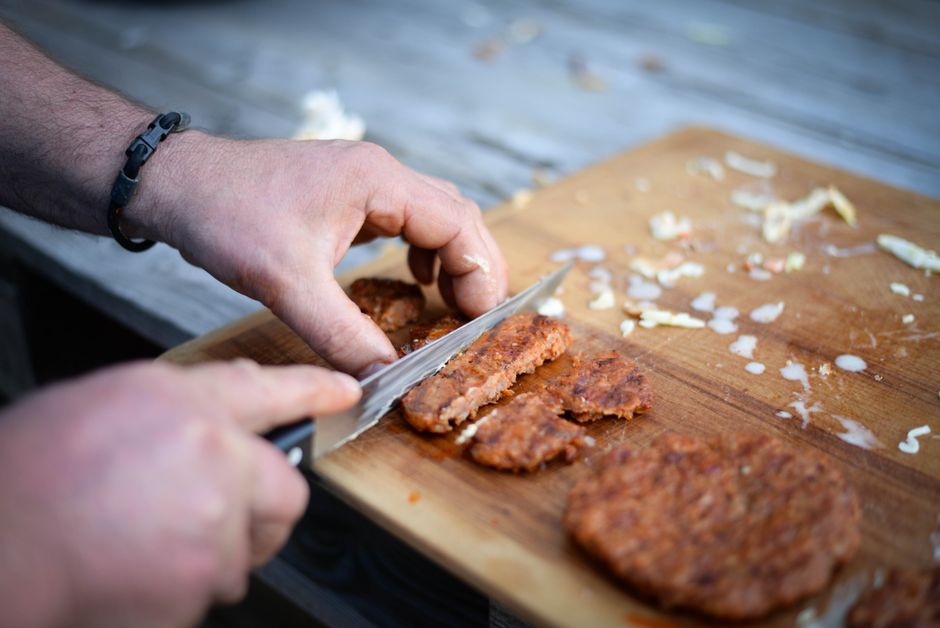
The casing or lack thereof is a defining characteristic of Lorne style sausage, and Recipe 1186 follows suit. Unlike traditional linked sausages, Lorne sausage is typically formed into a rectangular or square patty and cooked without a casing. This allows the spices to permeate the meat directly and contributes to the characteristic texture. When forming the patties, it’s crucial to ensure the mixture is well-chilled. This makes the meat easier to handle and prevents it from becoming sticky. The traditional method involves pressing the mixture into a rectangular mold or shaping it freehand into uniform patties. The thickness of the patties is also a factor. A thickness of approximately 1-1.5 cm (around 0.5 inches) is common, allowing for even cooking without drying out the interior before the exterior is browned. Some recipes might recommend a brief chilling period after forming the patties to help them firm up further before cooking. This is a practical consideration that aids in handling and presentation. The absence of a casing also means a slightly different cooking process is required to ensure the sausage is cooked through safely and develops a pleasant crust.
Preparing the meat for Recipe 1186, Lorne Style Lively Breakfast Sausage, is a multi-step process that demands attention to detail. Begin by ensuring all your meat and fat are very cold. If grinding your own, this means keeping the grinder parts chilled in the freezer for at least an hour beforehand. Cube the lean pork and pork fat into pieces that are easily manageable for your grinder or food processor. Grind the meat through a fine die. If using a food processor, pulse the meat in small batches, taking care not to over-process. The goal is a texture that is finely minced but still discernible as individual pieces of meat and fat. Once ground, transfer the meat to a large mixing bowl. Add all the measured spices, including salt, black pepper, white pepper, cayenne, sage, thyme, marjoram, and nutmeg (if using). It’s important to distribute the spices evenly. The best way to incorporate them is by using your hands, gently but thoroughly mixing the spices into the meat. Avoid over-mixing, which can develop the proteins and lead to a tougher sausage. Continue mixing until the spices are evenly distributed and the meat mixture is cohesive.
The binding and chilling stages are vital for the success of Recipe 1186, Lorne Style Lively Breakfast Sausage. After the spices are incorporated, it’s often beneficial to add a small amount of cold liquid to help bind the mixture. Water is the most common choice, but some recipes might suggest a splash of cold milk or even a lightly seasoned stock. The amount of liquid needed will depend on the moisture content of your meat. Start with a tablespoon or two and add more only if necessary to achieve a mixture that holds together when pressed. Again, avoid over-mixing at this stage. Once the mixture is well-combined, cover the bowl tightly with plastic wrap and refrigerate for at least 2-4 hours, or ideally overnight. This chilling period allows the flavors to meld and the fat to firm up, which is crucial for forming the patties and for achieving the desired texture during cooking. A well-chilled mixture will be firmer and easier to handle, preventing the patties from falling apart. This is a critical step that should not be overlooked for optimal results.
Forming the Lorne Style Lively Breakfast Sausage patties requires precision and a gentle touch. Remove the chilled meat mixture from the refrigerator. You can either shape the entire mixture into a large rectangular block and then slice it into individual patties, or form individual patties directly. For the block method, lightly oil a rectangular baking dish or a piece of parchment paper on a baking sheet. Press the meat mixture evenly into the desired shape, ensuring a consistent thickness. Aim for a thickness of around 1-1.5 cm (0.5 inches). Once the block is formed, refrigerate it for another 30 minutes to an hour to firm it up even further before slicing. This will result in cleaner cuts and more uniform patties. Alternatively, you can divide the mixture into portions and shape each portion into a rectangular or square patty by hand. Again, maintaining a consistent thickness is key for even cooking. Some cooks prefer to use a pastry cutter or even a clean cookie cutter to achieve uniformly shaped patties. The key is to handle the meat as little as possible during the shaping process to avoid warming it up too much.
Cooking Recipe 1186, Lorne Style Lively Breakfast Sausage, demands a moderate heat and patient approach to ensure it cooks through evenly and develops a desirable crust. The absence of a casing means you’ll be cooking directly on the cooking surface. A well-seasoned cast-iron skillet is an excellent choice for this purpose, as it provides consistent heat distribution and promotes excellent browning. Heat a tablespoon of neutral cooking oil, such as vegetable or canola oil, in the skillet over medium heat. Once the oil is shimmering, carefully place the formed sausage patties into the skillet, ensuring not to overcrowd the pan. Cook in batches if necessary. Cook for approximately 4-6 minutes per side, depending on the thickness of your patties and the heat of your stove. The goal is to achieve a rich, golden-brown crust on both sides and to ensure the interior is cooked through to a safe internal temperature of 71°C (160°F). You can check for doneness by gently pressing on the patty; the juices should run clear. Avoid flipping the patties too frequently, as this can cause them to break apart. Allow them to develop a good sear before turning.
Alternative cooking methods for Recipe 1186, Lorne Style Lively Breakfast Sausage, can also yield excellent results. Baking is a convenient option, especially when preparing a larger batch. Preheat your oven to 190°C (375°F). Line a baking sheet with parchment paper. Arrange the sausage patties on the prepared baking sheet, ensuring they have some space between them. Bake for approximately 15-20 minutes, flipping them halfway through, until they are cooked through and nicely browned. This method is less prone to oil splattering and can be easier for cleanup. Grilling is another possibility, offering a smoky flavor. Preheat your grill to medium heat. Lightly oil the grill grates to prevent sticking. Place the sausage patties on the grill and cook for about 4-5 minutes per side, or until cooked through and marked with grill lines. Be mindful of flare-ups due to the fat content. Regardless of the cooking method, always prioritize ensuring the sausage reaches a safe internal temperature. Using a meat thermometer is the most reliable way to confirm doneness.
Storage and Reheating considerations for Recipe 1186, Lorne Style Lively Breakfast Sausage, are straightforward and allow for convenient meal preparation. Once cooked and cooled, the sausage can be stored in an airtight container in the refrigerator for up to 3-4 days. For longer storage, cooked patties can be frozen. Allow them to cool completely, then wrap them individually in plastic wrap and place them in a freezer-safe bag or container. Frozen sausage patties will maintain their quality for up to 2-3 months. When reheating cooked sausage, you can use a variety of methods. The most common is to gently reheat them in a skillet over medium-low heat until warmed through. Alternatively, you can reheat them in a preheated oven at around 175°C (350°F) for a few minutes, or in a microwave for short intervals, checking for warmth. Avoid overheating, as this can dry out the sausage. Reheating from frozen will require a longer cooking time, so it’s often best to thaw them in the refrigerator overnight before reheating. Properly stored and reheated, Recipe 1186 Lorne Style Lively Breakfast Sausage can be enjoyed as part of a convenient and flavorful breakfast.
The versatility of Recipe 1186, Lorne Style Lively Breakfast Sausage, extends beyond the traditional full breakfast. Its square patty shape makes it ideal for breakfast sandwiches. Imagine a toasted English muffin or a brioche bun, layered with a perfectly cooked Lorne sausage patty, a fried egg, and a slice of cheese – a quick and satisfying meal. It can also be crumbled and incorporated into breakfast scrambles or omelets, adding a burst of spiced flavor. For a brunch offering, consider serving it alongside other Scottish delicacies like tattie scones and black pudding. The robust spice profile also makes it an interesting addition to more unconventional dishes. Imagine chopped and fried Lorne sausage incorporated into a savory bread pudding or used as a flavorful filling for stuffed mushrooms. Its unique texture and bold flavor can elevate a variety of dishes, making it a flexible component in the home cook’s repertoire. Exploring these culinary applications can further enhance the enjoyment of this distinctive sausage.
In conclusion, Recipe 1186, Lorne Style Lively Breakfast Sausage, offers a rewarding culinary experience for those seeking a departure from the ordinary. Its distinctive patty form, finely ground texture, and invigorating spice blend combine to create a breakfast sausage that is both comforting and exciting. By understanding the nuances of meat selection, spice balance, and proper preparation techniques, home cooks can confidently recreate this Scottish classic. From the initial grinding of the meat to the final sizzle in the pan, each step contributes to the final product. The "lively" nature of the spice blend ensures a memorable taste experience, making it a standout addition to any breakfast table. Whether enjoyed as part of a traditional spread or incorporated into innovative dishes, Recipe 1186 Lorne Style Lively Breakfast Sausage stands as a testament to the rich culinary heritage of Scotland and a delightful option for discerning palates.


