
Old Fashioned Bread Pudding

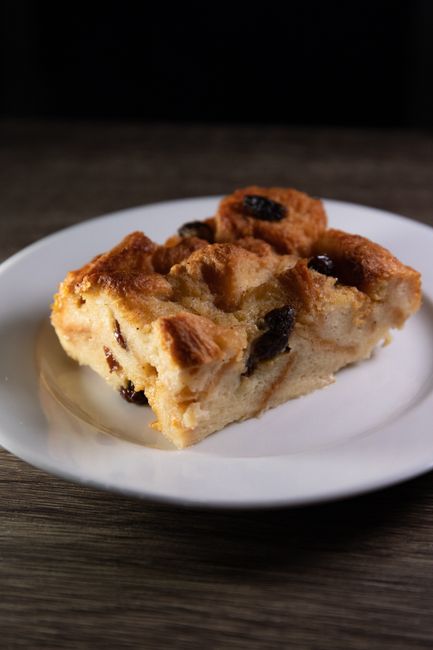
Old Fashioned Bread Pudding: A Culinary Cornerstone of Comfort and Nostalgia
Old fashioned bread pudding stands as a testament to the enduring power of simple ingredients transformed into deeply satisfying comfort food. This classic dessert, often overlooked in favor of more contemporary sweet creations, boasts a rich history and a versatility that continues to endear it to home cooks and discerning palates alike. At its core, bread pudding is a humble yet ingenious dish, born from the necessity of utilizing stale bread, a common practice in kitchens throughout centuries past. This resourceful approach not only prevented waste but also laid the foundation for a dessert that is both economical and incredibly delicious. The fundamental components are straightforward: cubed or torn stale bread, a custard mixture typically comprising eggs, milk or cream, sugar, and flavorings, and then baked until golden brown and custardy. However, within this seemingly simple framework lies a vast landscape of variations, regional interpretations, and personal touches that elevate it from mere sustenance to an art form. Understanding the origins and the fundamental principles of making old fashioned bread pudding is crucial to appreciating its appeal and mastering its creation.
The history of bread pudding is intrinsically linked to the history of bread itself. As a staple food across many cultures, bread’s tendency to stale provided a constant resource for repurposing. Evidence of bread puddings, or similar dishes involving soaked bread, can be traced back as far as ancient Rome, where bread was often soaked in milk and baked. However, the more direct ancestors of modern bread pudding likely emerged in medieval Europe. With limited refrigeration, bread was a daily necessity, and preserving its freshness was a challenge. Bakers and homemakers developed techniques to make use of bread that had become too hard to eat. Soaking stale bread in liquids like milk, water, or even wine, and then baking it with other readily available ingredients like eggs and sweeteners, was a practical and flavorful solution. Over time, as dairy products became more accessible and refined sugars were introduced, the dish evolved into the rich, custard-like dessert we recognize today. The term "bread pudding" itself became more prevalent in the 17th and 18th centuries, with recipes appearing in early cookbooks. Its popularity spread across Europe and eventually to the Americas, where it became a staple in colonial kitchens and a beloved comfort food across various socio-economic strata. The beauty of old fashioned bread pudding lies in its adaptability. It’s a dish that can be dressed up or down, served as a simple dessert after a weeknight meal or as a sophisticated accompaniment to a holiday feast.
The foundational elements of an old fashioned bread pudding recipe are deceptively simple, yet their interplay is what creates its magic. The type of bread used is paramount. Traditionally, day-old or slightly stale white bread, brioche, challah, or even sourdough can be employed. The key is that the bread has lost some of its moisture, allowing it to readily absorb the custard mixture without becoming completely mushy. Crusty artisan loaves, French bread, or Italian bread are excellent choices due to their structure and ability to hold their shape. The bread is typically cut into cubes or torn into bite-sized pieces. Next comes the custard, the heart of the pudding. This is a mixture of eggs, milk, and sugar, often enriched with cream for a more decadent texture. The ratio of these ingredients is critical for achieving the desired consistency. Too much egg can lead to a rubbery texture, while too little will result in a pudding that is too loose. A common starting point involves whisking together eggs with sugar until pale and slightly thickened. Then, milk and/or cream are gradually incorporated, followed by flavorings.
Flavorings are where the true personality of old fashioned bread pudding emerges. Vanilla extract is almost ubiquitous, providing a warm, aromatic base. Nutmeg, grated fresh or from a jar, adds a subtle spice that complements the sweetness beautifully. Cinnamon is another popular choice, lending its warm, comforting notes. For a more sophisticated profile, citrus zest, such as lemon or orange, can introduce a bright counterpoint to the richness. More adventurous additions might include a splash of brandy, rum, or bourbon for an adult twist, or even a hint of almond extract for a delicate floral aroma. The quality of the ingredients significantly impacts the final outcome. Using good quality bread, fresh eggs, and full-fat dairy will undoubtedly yield a superior bread pudding.
The preparation process is generally straightforward, making it an ideal dish for novice bakers and seasoned cooks alike. The stale bread is placed in a large bowl. The custard mixture is prepared separately by whisking together the eggs, sugar, milk, cream (if using), and flavorings. This mixture is then poured over the bread, ensuring that all the pieces are thoroughly coated. It’s often beneficial to let the bread soak for at least 15-30 minutes, or even longer, allowing it to fully absorb the liquid. This soaking period is crucial for ensuring a homogenous texture and preventing dry pockets of bread. Once soaked, the mixture is typically transferred to a baking dish. While individual ramekins are popular for elegant presentation, a larger baking dish is common for family-style servings.
Baking old fashioned bread pudding is typically done in a moderate oven, around 325-350°F (160-175°C). Many recipes call for a water bath, or bain-marie, which involves placing the baking dish within a larger pan filled with hot water. This gentle cooking method helps to ensure even cooking and a creamy, custardy texture, preventing the edges from overcooking before the center is set. The baking time will vary depending on the size of the dish and the depth of the pudding, but it generally ranges from 45 minutes to an hour or more. The pudding is ready when the edges are set and golden brown, and the center is just barely firm, with a slight jiggle. Overbaking can lead to a dry, dense texture, while underbaking will result in a runny center.
The beauty of old fashioned bread pudding extends to its incredible versatility, both in terms of ingredients and serving suggestions. While a classic vanilla or cinnamon version is universally loved, countless variations can be explored. Adding dried fruits like raisins, currants, or cranberries provides bursts of sweetness and chewiness. Fresh fruit, such as diced apples, pears, or berries, can also be incorporated, offering a lighter, more vibrant flavor profile. Chocolate lovers can rejoice by adding chocolate chips, chunks of chocolate bar, or even a layer of chocolate sauce within the pudding. Nuts, like chopped pecans, walnuts, or almonds, introduce a welcome crunch and earthy flavor. For a more savory twist, though less common in the "old fashioned" sweet category, one could explore adding herbs like rosemary or thyme, or even cheese.
Serving old fashioned bread pudding is an occasion in itself. It’s traditionally served warm, allowing its comforting aroma to fill the air. A classic accompaniment is a simple sauce. A crème anglaise, a light vanilla custard sauce, is a natural partner, enhancing the pudding’s creaminess. Another popular choice is a caramel sauce, which adds a rich, buttery sweetness. For a brighter note, a fruit compote or a dollop of whipped cream can be delightful. In many homes, a simple dusting of powdered sugar or a drizzle of maple syrup is all that is needed to elevate this humble dessert. The pudding can be enjoyed on its own or as a side dish, particularly with hearty fall or winter meals. Its ability to be prepared ahead of time and then reheated makes it an excellent option for entertaining.
When it comes to SEO, targeting keywords like "old fashioned bread pudding recipe," "classic bread pudding," "easy bread pudding," "homemade bread pudding," and "comfort food dessert" is essential. Providing detailed instructions, ingredient lists, and variations will improve search engine rankings. High-quality images and encouraging user engagement through comments and ratings further enhance SEO. Explaining the historical significance and the fundamental techniques behind old fashioned bread pudding adds depth and authority, making the content more valuable to readers and search engines alike. The enduring appeal of this dessert lies in its ability to evoke memories of simpler times, of warm kitchens and loving hands. It’s a dish that transcends trends, a reliable source of comfort and satisfaction, and a true cornerstone of culinary heritage. Mastering the art of old fashioned bread pudding is not just about following a recipe; it’s about understanding the alchemy of simple ingredients and the enduring power of home-baked goodness. Its adaptability ensures it will remain a beloved dessert for generations to come, a timeless reminder that sometimes, the most extraordinary flavors emerge from the most ordinary ingredients. The nostalgic appeal of old fashioned bread pudding is undeniable, making it a sought-after recipe for those seeking a taste of tradition and a deeply satisfying culinary experience. Whether it’s a family gathering or a quiet evening at home, this classic dessert always finds a way to warm the heart and delight the senses.


