
Hot Cross Buns I

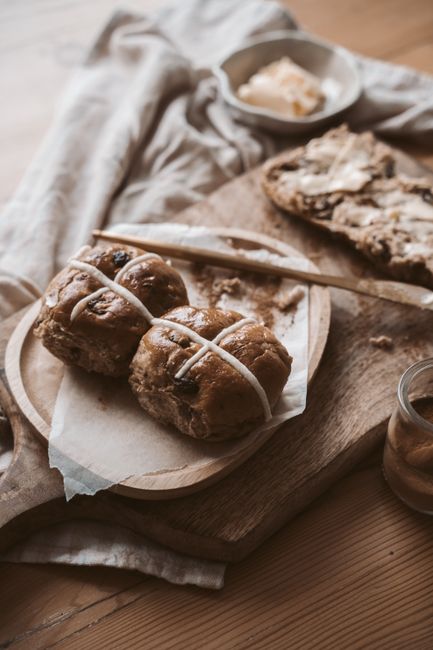
The Enduring Legacy and Culinary Evolution of Hot Cross Buns
Hot cross buns, a springtime staple deeply ingrained in many Western cultures, particularly those with Christian traditions, are far more than a mere sweet bread. Their origins are steeped in history, their symbolism rich, and their culinary evolution a testament to adaptation and innovation. The distinctive cross emblazoned on their surface, often signifying the crucifixion of Jesus Christ, links them indelibly to the Easter festival. However, their story begins centuries before this association, with ancient pagans baking spiced buns marked with crosses to celebrate the arrival of spring and the goddess Eostre, a deity of dawn and fertility. These early buns were likely simpler, perhaps unleavened, but the fundamental concept of a spiced, marked baked good for seasonal celebrations laid the groundwork for the modern iteration. The Christianization of these pagan festivals saw the bun’s meaning shift, but its celebratory nature persisted. Early mentions of what we recognize as hot cross buns can be traced back to the 16th century in England, where they were sold by street vendors, particularly during Lent. The tradition of eating them on Good Friday became firmly established, a practice that continues to resonate today. The ingredients themselves, while seemingly straightforward, contribute significantly to the bun’s appeal and its historical context. The spices, such as cinnamon, nutmeg, cloves, and allspice, were once precious commodities, adding an element of luxury and festive aroma to the baking process. Dried fruits, typically currants, raisins, or sultanas, provided sweetness and texture, reflecting a time when fresh fruit was not readily available year-round. The dough, leavened to achieve its characteristic soft and airy texture, signifies a break from the more austere Lenten diet. The iconic cross, historically made from flour paste, is perhaps the most recognizable element. While its religious significance is paramount for many, it has also evolved into a visual marker that distinguishes the hot cross bun from other sweet breads. The practice of boiling or steaming the buns after baking, a technique employed in some recipes, contributes to their dense, moist crumb and glossy finish. This seemingly small detail adds another layer to the bun’s unique character and differentiates it from simpler enriched doughs.
The recipe for hot cross buns has undergone considerable adaptation over the centuries, reflecting changing tastes, ingredient availability, and regional variations. While the core components – flour, yeast, sugar, butter, eggs, dried fruit, and spices – remain constant, the proportions and specific additions can vary dramatically. Traditional recipes often emphasize a rich, buttery dough, providing a decadent base for the spices and fruit. Some variations lean towards a lighter, brioche-like texture, while others aim for a denser, more cake-like crumb. The type and quantity of dried fruit are also points of divergence. Classic recipes typically call for currants and raisins, but modern interpretations might incorporate chopped dates, cranberries, or even candied peel for added complexity and chew. The spice blend is another area ripe for personalization. While a standard mix of cinnamon, nutmeg, and allspice is common, some bakers experiment with ginger, cardamom, or even a pinch of black pepper to add a subtle warmth and depth of flavor. The method of creating the cross has also evolved. The traditional flour and water paste, while effective, can sometimes be prone to cracking or burning. Modern bakers often opt for a richer paste made with butter and sugar, or even a simple icing sugar glaze applied after baking. The glazing itself is another area of variation, with some preferring a simple sugar syrup for shine, while others opt for apricot jam or a more elaborate royal icing. The emergence of gluten-free and vegan hot cross bun recipes highlights the ongoing adaptation of this beloved treat to cater to diverse dietary needs and preferences. These modern interpretations often involve the use of alternative flours, egg substitutes, and dairy-free fats, demonstrating a commitment to preserving the essence of the hot cross bun while making it accessible to a wider audience. The challenge in developing these variations lies in replicating the texture and flavor profile of the traditional bun, which can be achieved through careful selection of ingredients and precise baking techniques.
The cultural significance of hot cross buns extends far beyond their culinary attributes. As a symbol of Easter, they are deeply intertwined with religious observance and family traditions. For many, the act of baking or purchasing hot cross buns marks the culmination of Lent and the celebration of the resurrection. The aroma of spices wafting from the kitchen during Holy Week evokes memories of childhood and generations past. The tradition of sharing hot cross buns with loved ones, often on Good Friday, reinforces communal bonds and the spirit of togetherness. Beyond their religious context, hot cross buns have also become a secular symbol of springtime. Their appearance in bakeries and supermarkets signals the end of winter and the arrival of warmer weather, longer days, and renewed life. This secular association has broadened their appeal, making them a popular treat for people of all backgrounds. The folklore surrounding hot cross buns adds another layer of intrigue. One popular belief is that a hot cross bun baked and hung in the kitchen will ward off evil spirits and ensure good luck throughout the year. Another superstition suggests that a bun baked on Good Friday and kept until the following Good Friday will never go stale. These quaint beliefs, while not universally practiced, underscore the enduring hold the hot cross bun has on collective imagination and its transition from a religious artifact to a cultural icon. The act of breaking bread together, a fundamental human practice, is amplified by the symbolic weight of the hot cross bun, further solidifying its place in communal rituals. The visual of a shared plate of these spiced buns serves as a potent reminder of shared heritage and the continuity of tradition.
The global reach of hot cross buns, though most pronounced in the UK, Commonwealth countries, and parts of the United States, is a testament to their enduring appeal and the adaptability of their form. While the core concept of a spiced, fruited bun with a cross remains, regional variations emerge, reflecting local palates and available ingredients. In Australia and New Zealand, hot cross buns are incredibly popular, often enjoyed toasted with butter. Their availability is extensive, from supermarket bakeries to artisan producers, and they are a ubiquitous part of the Easter landscape. The typical Australian hot cross bun leans towards a slightly sweeter, more heavily spiced profile than some UK versions, with a generous inclusion of fruit. In South Africa, the hot cross bun tradition is also strong, with recipes often incorporating a touch of citrus zest, such as orange or lemon, to provide a bright, refreshing counterpoint to the richness of the dough and spices. The use of dried apricots alongside traditional raisins and currants can also be observed in some South African recipes, adding a different textural and flavor dimension. Canada, particularly in regions with historical British influence, embraces hot cross buns with similar enthusiasm. The recipes are often quite traditional, emphasizing a soft, enriched dough and a balanced blend of spices and dried fruits. In some Caribbean nations, influenced by colonial history, variations of spiced buns are also present, though not always strictly adhering to the "hot cross bun" nomenclature. These might incorporate local spices or fruits and are often enjoyed as a sweet bread throughout the year, not solely tied to Easter. The American adoption of hot cross buns is more varied. While they are readily available in many bakeries, particularly in areas with significant British heritage, they are not as universally ingrained in the national Easter traditions as they are in other English-speaking countries. However, their popularity is growing, with many artisanal bakeries now offering their own interpretations. The fundamental appeal – a warm, spiced, sweet bread – transcends these regional differences, ensuring its continued presence in the global culinary landscape during the Easter season and, for many, beyond. The ease with which the basic formula can be adapted makes it a perennial favorite, allowing for local nuances to shine through while maintaining the essence of what makes a hot cross bun so special.
The evolution of hot cross bun production, from individual home baking to industrial-scale manufacturing, reflects broader trends in food production and consumer demand. Historically, hot cross buns were a labor of love, meticulously prepared in home kitchens. The process involved kneading dough by hand, carefully incorporating dried fruits and spices, and patiently waiting for the dough to rise. This hands-on approach fostered a deep connection with the food and a sense of occasion. The advent of commercial bakeries in the late 19th and 20th centuries transformed the accessibility of hot cross buns. Mass production allowed for consistent quality and wider distribution, making them available to a larger segment of the population. Modern industrial production employs sophisticated machinery to automate tasks such as dough mixing, shaping, and baking, significantly increasing efficiency. This has led to the ubiquitous presence of hot cross buns in supermarkets and convenience stores during the Easter season. However, this shift also raises questions about authenticity and tradition. While factory-made buns are convenient and often delicious, they may lack the nuanced flavors and textures achieved through traditional baking methods. The careful hand-placing of fruits, the precise measurement of spices, and the artisanal touch of a skilled baker are often absent in mass-produced versions. This has fueled a counter-trend towards artisan bakeries and a renewed appreciation for home baking. Many individuals seek out small, independent bakeries that prioritize quality ingredients and traditional techniques, valuing the perceived authenticity and superior taste. Furthermore, the rise of home baking kits and detailed online recipes has empowered individuals to recreate the experience of making hot cross buns from scratch, bridging the gap between industrial convenience and traditional craftsmanship. This resurgence of interest in home baking reflects a desire for connection to food origins and a more mindful approach to consumption. The ongoing dialogue between industrial production and artisanal revival ensures that the hot cross bun, in its many forms, continues to thrive. The accessibility of both mass-produced and meticulously crafted options allows for diverse consumer choices, catering to varying levels of engagement with the culinary tradition.
The economic impact of hot cross buns, particularly during the Easter period, is substantial, highlighting their importance in the food retail sector. For bakeries, both large and small, hot cross buns represent a significant revenue stream. The seasonal nature of their production creates a surge in demand, necessitating increased staffing, ingredient sourcing, and marketing efforts. Supermarket chains often dedicate prime shelf space to hot cross buns in the weeks leading up to Easter, with promotional pricing and multi-buy offers encouraging impulse purchases. This intense competition among retailers drives innovation in packaging, flavor variations, and marketing campaigns, all aimed at capturing consumer attention. The supply chain for hot cross buns is extensive, involving suppliers of flour, sugar, butter, eggs, dried fruits, spices, and packaging materials. The increased demand during the Easter season creates a ripple effect throughout this chain, benefiting numerous industries. Specialized ingredients like currants and sultanas often see a significant uptick in sales, as do the individual spices that give hot cross buns their distinctive aroma. The economic benefit also extends to ancillary industries, such as yeast manufacturers and oven producers. Beyond the direct sales of the buns themselves, the associated marketing and advertising campaigns contribute to the broader economy. Furthermore, the tradition of gifting hot cross buns, whether as a small token of appreciation or as part of a larger Easter hamper, adds another layer to their economic significance. This gifting culture further amplifies sales and fosters goodwill between businesses and consumers. The visual merchandising of hot cross buns in bakeries and supermarkets also plays a crucial role in their economic success. The appealing display of these golden-brown, cross-marked treats creates an irresistible visual cue for consumers, often triggering cravings and prompting purchases. The economic cycle of hot cross buns thus exemplifies a successful seasonal product that stimulates demand, supports a wide range of industries, and reinforces cultural traditions through commerce. The consistent demand year after year underscores the robust economic foundation of this seemingly simple baked good.
The nutritional profile of hot cross buns, while often perceived as an indulgence, warrants consideration, especially with the increasing focus on health and wellness. Traditionally, hot cross buns are an energy-dense food, owing to their enrichment with butter, sugar, and eggs. The presence of dried fruits contributes natural sugars and fiber, while the flour provides carbohydrates. The spices, beyond their flavor contributions, are also known to possess various health benefits. Cinnamon, for instance, is often associated with its antioxidant properties and potential to help regulate blood sugar levels. Nutmeg and cloves are also recognized for their antioxidant and anti-inflammatory qualities. However, it is important to acknowledge that the overall nutritional value is often offset by the refined nature of the flour, the added sugars, and the fats used in their preparation. Modern interpretations and healthier alternatives are emerging to address these concerns. Bakeries and home bakers are experimenting with wholemeal or spelt flours, reducing the amount of refined sugar, and utilizing healthier fats like olive oil or coconut oil. The incorporation of ingredients like oats or chia seeds can also boost the fiber content and add nutritional value. Furthermore, mindful portion control is a key factor in enjoying hot cross buns as part of a balanced diet. Instead of consuming multiple buns, a single, well-made bun can be savored as a treat. The development of sugar-free or reduced-sugar versions, as well as gluten-free and vegan options, further caters to individuals with specific dietary needs and health goals. These adaptations demonstrate a growing awareness of the nutritional impact of traditional baked goods and a commitment to making them more accessible and beneficial for a wider range of consumers. The ongoing evolution of hot cross bun recipes reflects a nuanced understanding of both culinary tradition and contemporary health consciousness, allowing for enjoyment without compromising well-being. This dynamic approach ensures the longevity and continued relevance of hot cross buns in a health-aware world.
The future of hot cross buns appears robust, driven by a confluence of tradition, innovation, and evolving consumer preferences. While the classic recipe will undoubtedly remain a cherished staple, the demand for creative variations is likely to intensify. We can anticipate further exploration of novel flavor combinations, incorporating ingredients like matcha, lavender, or even savory elements for unexpected twists. The trend towards healthier baking is also set to influence future iterations, with an emphasis on whole grains, natural sweeteners, and reduced fat content. The rise of plant-based diets will undoubtedly lead to more sophisticated and widely available vegan hot cross bun recipes that closely mimic the texture and flavor of their traditional counterparts. Furthermore, the increasing interconnectedness of global food cultures may foster the integration of international flavors and techniques into hot cross bun recipes, creating exciting fusion interpretations. The influence of social media and food blogging will continue to play a significant role in disseminating new ideas and inspiring bakers worldwide. Challenges may arise in maintaining the authenticity of the hot cross bun while embracing innovation. Striking a balance between honoring tradition and catering to evolving tastes will be crucial. The economic viability of artisanal production versus mass manufacturing will continue to be a consideration, influencing accessibility and affordability. However, the enduring appeal of the hot cross bun as a symbol of springtime, celebration, and shared tradition provides a strong foundation for its continued popularity. Its ability to adapt and reinvent itself, while staying true to its core identity, ensures its place on breakfast tables and in dessert platters for generations to come. The ongoing dialogue between heritage and modernity will undoubtedly lead to a vibrant and diverse future for this beloved baked good, ensuring its relevance in a dynamic culinary landscape. The inherent versatility of the hot cross bun, both in its preparation and its symbolic meaning, guarantees its enduring legacy.


