
Pastiera Italian Easter Tart

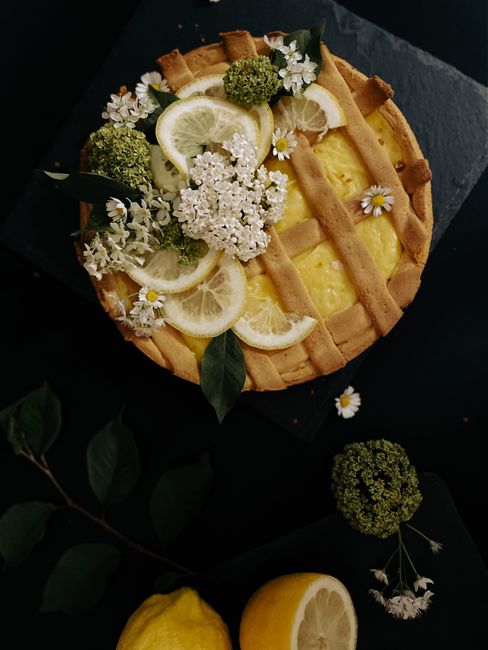
The Ultimate Guide to Pastiera: An Italian Easter Tart Masterpiece
Pastiera Napoletana, a traditional Italian Easter tart originating from Naples, is more than just a dessert; it’s a fragrant symphony of flavors and textures deeply embedded in Italian culinary heritage. This iconic pastry, typically enjoyed during the Easter season, showcases a unique combination of cooked wheat berries and ricotta cheese, infused with the intoxicating aroma of orange blossom water. While seemingly simple in its core ingredients, the pastiera boasts a rich history, regional variations, and a meticulous preparation process that elevates it to a true culinary masterpiece. Understanding its nuances, from the selection of quality ingredients to the precise baking techniques, is key to unlocking its authentic flavor and creating a pastiera that rivals those found in the most esteemed Neapolitan bakeries.
The historical roots of pastiera are intertwined with ancient Neapolitan traditions and the pagan celebration of spring. Legend has it that the Sirena Partenope, enchanted by the beauty and scent of the sea, offered her most precious gifts to the city: wheat for its bounty, ricotta for its sweetness, eggs for new life, and orange blossoms for their exquisite perfume. The mermaids, in turn, kneaded these ingredients together, creating a cake that was presented to the goddess Ceres, the deity of agriculture. Over centuries, this pagan offering transformed into the Christian pastiera, a symbol of the resurrection and the sweetness of new beginnings. Another fascinating theory links pastiera to the Benedictine nuns of San Gregorio Armeno in Naples. They are said to have created the tart as a way to express their joy and gratitude during Easter, using the ingredients available in their convent gardens. Regardless of the exact origin, the pastiera has been a cherished Easter delicacy for generations, passed down through families and meticulously prepared with love and devotion.
The foundation of any exceptional pastiera lies in the quality of its ingredients. The star of the show is undoubtedly the grano cotto, or cooked wheat berries. This isn’t just any wheat; traditionally, it’s a specific type of soft wheat that, when cooked slowly, develops a tender, almost creamy texture. The preparation of the grano cotto is a crucial step, often beginning days in advance. The dried wheat berries are soaked overnight, then simmered gently with water, sometimes milk, and a pinch of salt until they are perfectly tender and have absorbed most of the liquid. Some modern recipes suggest a quicker cooking method using canned or pre-cooked wheat, but purists insist that the slow simmering process is indispensable for achieving the characteristic texture and subtle flavor that distinguishes a true pastiera. The resulting cooked wheat should be soft enough to mash easily with a fork but still retain a slight bite, avoiding a mushy consistency. The creamy sweetness derived from this ingredient is what sets pastiera apart from other ricotta-based desserts.
Ricotta cheese is the other cornerstone of the pastiera filling. Traditionally, buffalo ricotta, known for its rich, creamy, and slightly tangy flavor, is preferred. However, cow’s milk ricotta, if of high quality and well-drained, can also be used. The key is to ensure the ricotta is fresh, smooth, and free of excess moisture. Draining the ricotta thoroughly is essential to prevent a watery filling, which can compromise the tart’s structure and texture. This is often achieved by placing the ricotta in a fine-mesh sieve lined with cheesecloth and allowing it to drain in the refrigerator for several hours, or even overnight. The goal is a thick, velvety ricotta that will meld beautifully with the cooked wheat and other filling components. The subtle tang of the ricotta balances the sweetness of the sugar and the richness of the eggs, creating a harmonious flavor profile.
The aromatic heart of the pastiera is the acqua di fiori d’arancio, or orange blossom water. This fragrant essence is what gives pastiera its signature, intoxicating perfume. The quality of the orange blossom water is paramount; a good quality product will impart a delicate floral aroma without being overpowering or medicinal. Some recipes also incorporate citrus zest, typically from lemons or oranges, adding another layer of bright, fresh flavor that complements the floral notes. The combination of orange blossom water and citrus zest creates a scent that is synonymous with Easter in many Italian households, evoking feelings of warmth, tradition, and celebration. The amount of orange blossom water can be adjusted to personal preference, but it should be present enough to be discernibly fragrant.
The pastiera crust, or pasta frolla, is another vital element, providing a sturdy and flavorful base for the rich filling. A classic Neapolitan pasta frolla is typically made with flour, butter, sugar, eggs, and often a hint of lemon zest for added fragrance. The dough should be tender and slightly crumbly, with a delicate sweetness. Proper chilling of the dough before rolling is crucial for easy handling and to prevent shrinkage during baking. The pasta frolla can be made either as a single bottom crust or as a lattice top, or even a combination of both. The lattice-top design is particularly iconic, allowing the fragrant filling to peek through and creating a visually appealing presentation. Some families prepare their pasta frolla days in advance, allowing it to develop more flavor and a better texture.
The process of assembling a pastiera is a labor of love. Once the pasta frolla is prepared and chilled, it’s rolled out and carefully lined into a tart pan, ensuring the edges are well-formed. The filling is then prepared by gently combining the drained ricotta, cooked wheat berries, sugar, eggs, candied citrus peel (optional but traditional), and the all-important orange blossom water. The mixture should be homogenous but not overmixed, as overworking can toughen the texture. Some recipes also incorporate a small amount of milk or cream to achieve a silkier consistency. The filling is then poured into the pasta frolla shell. If a lattice top is desired, strips of pasta frolla are woven over the filling. The pastiera is then ready for baking.
Baking the pastiera is a delicate balance. It requires a moderate oven temperature and a longer baking time to ensure the filling cooks through evenly without burning the crust. The traditional method involves baking the pastiera at a relatively low temperature, around 160-170°C (320-340°F), for an extended period, often 1.5 to 2 hours, or until the filling is set and the crust is golden brown. The tart should have a slight wobble in the center when it’s done, as it will continue to set as it cools. Some bakers cover the pastiera with aluminum foil during the latter stages of baking if the top begins to brown too quickly. The aroma that fills the house during the baking process is a testament to the pastiera’s rich ingredients and festive nature.
One of the most crucial steps in achieving the perfect pastiera is the cooling and resting period. Unlike many other tarts, pastiera is best enjoyed after it has had ample time to cool completely and, ideally, to rest for at least 24 hours, or even two to three days, before serving. This resting period allows the flavors to meld and deepen, and the texture to fully set. The filling, which might seem slightly unset when it comes out of the oven, will firm up beautifully as it cools. This patience is rewarded with a pastiera that is perfectly textured and intensely flavorful. Some believe that the pastiera is even better on the second or third day, making it an excellent make-ahead dessert for Easter celebrations.
Regional variations of pastiera exist, each with its own subtle nuances. While the Neapolitan version is the most renowned, other regions in Campania and beyond have their own adaptations. Some might omit the wheat berries altogether, focusing solely on a ricotta and egg filling, or incorporate different flavorings like cinnamon or vanilla. However, the classic Neapolitan pastiera, with its characteristic blend of cooked wheat, ricotta, and orange blossom water, remains the gold standard. The specific ratio of ingredients, the type of flour used in the pasta frolla, and the precise baking temperature can all vary slightly from family to family and from bakery to bakery, leading to a delightful diversity within the pastiera tradition.
The serving of pastiera is as much a ritual as its preparation. It is typically served at room temperature, often dusted with a light snowfall of powdered sugar just before being cut. While it’s a traditional Easter dessert, its rich and complex flavor profile makes it a delightful treat any time of the year for those who appreciate authentic Italian baking. It pairs beautifully with a strong espresso, a sweet dessert wine like Vin Santo, or simply enjoyed on its own. The visual appeal of a sliced pastiera, revealing the creamy filling studded with wheat berries and flecks of candied peel, is a testament to its artisanal nature.
For those embarking on the journey of making pastiera at home, several tips can ensure success. Firstly, don’t be intimidated by the ingredient list or the multiple steps; breaking down the process into manageable stages, often starting a few days in advance, makes it far less daunting. Secondly, invest in high-quality ingredients, especially the ricotta and orange blossom water, as they significantly impact the final flavor. Thirdly, pay close attention to the cooking time and temperature of the wheat berries and the tart itself; undercooked wheat or an overbaked tart will detract from the experience. Fourthly, embrace the cooling and resting period; this is not a step to be rushed. Finally, consider making a test batch if you are preparing for a large gathering, allowing you to refine your technique and ensure you are happy with the result before committing to a larger quantity.
In conclusion, pastiera is a testament to the enduring power of tradition and the beauty of simple, high-quality ingredients transformed into something extraordinary. Its rich history, unique flavor profile, and the care required in its preparation make it a truly special dessert. Whether enjoyed as part of an Easter feast or as a delightful indulgence at any time, the pastiera Napoletana offers a sensory experience that is deeply rooted in the heart of Italian culinary culture. Mastering this iconic tart is a rewarding endeavor for any home baker, offering a delicious connection to centuries of Italian culinary heritage. The complex interplay of textures – the tender wheat, the creamy ricotta, the delicate crust – and the fragrant aroma of orange blossom water create a dessert that is both comforting and sophisticated, a true masterpiece of Italian Easter baking.


