
Fried Mushrooms With Dipping Sauce

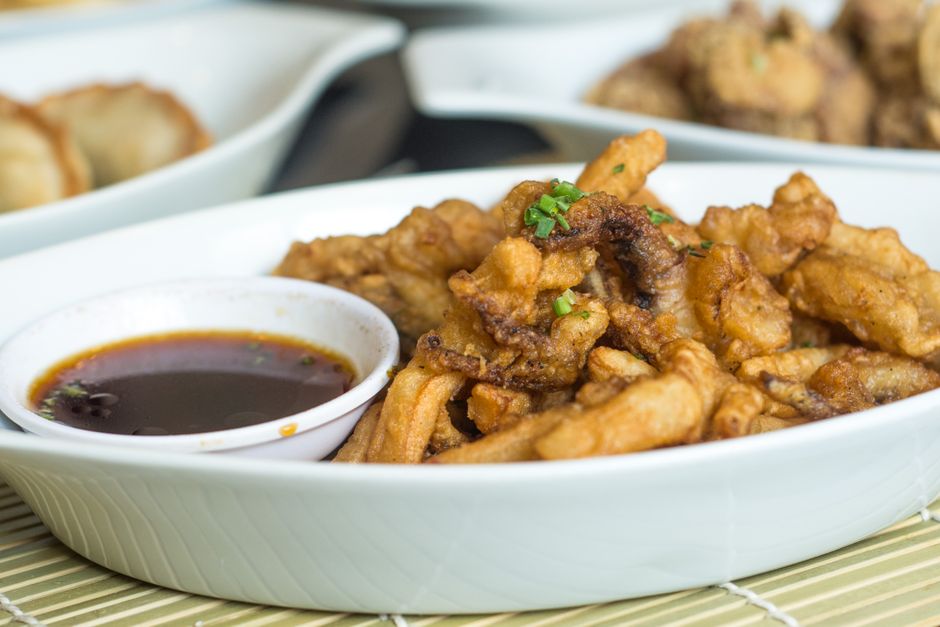
Crispy Fried Mushrooms with Irresistible Dipping Sauces: A Culinary Deep Dive
Fried mushrooms, a universally beloved appetizer and snack, offer a delightful textural contrast between a perfectly crisp, golden-brown coating and a tender, earthy mushroom interior. This seemingly simple dish is a masterclass in achieving satisfying crunch and robust flavor, making it a staple at gatherings, pubs, and home kitchens alike. The magic of fried mushrooms lies not only in their inherent deliciousness but also in their incredible versatility, particularly when paired with an array of complementary dipping sauces. From classic ranch to zesty aioli and beyond, the dipping sauce elevates the fried mushroom experience from good to truly exceptional. This comprehensive guide will delve into the nuances of creating perfect fried mushrooms, explore various coating techniques, and present a curated selection of dipping sauces designed to tantalize every palate.
The foundation of exceptional fried mushrooms begins with selecting the right type of mushroom. While many varieties can be fried, some lend themselves better to the process than others due to their size, texture, and moisture content. Button mushrooms (Agaricus bisporus), also known as white mushrooms or cremini mushrooms (which are simply mature button mushrooms), are the most common and readily available choice. Their firm texture holds up well to frying, and their mild flavor absorbs marinades and coatings beautifully. Portobello mushrooms, with their larger size and meaty texture, can also be a fantastic option, especially when cut into thick wedges. Their substantial size makes them ideal for a heartier appetizer. Shiitake mushrooms, with their distinct umami flavor and slightly chewier texture, offer a more sophisticated fried mushroom experience. However, their gills can sometimes release excess moisture during frying, so a thorough pat-down is essential. Oyster mushrooms, with their delicate, fan-like appearance and subtle flavor, can also be fried, but their tender structure requires a lighter touch and a shorter frying time to prevent them from becoming greasy. Regardless of the chosen variety, fresh, firm mushrooms with no signs of sliminess or bruising will yield the best results. Before preparing them for frying, it is crucial to clean them properly. Avoid washing mushrooms directly under running water, as they are porous and can absorb too much moisture, leading to a soggy coating. Instead, use a damp paper towel or a soft pastry brush to gently wipe away any dirt or debris. For tougher spots or stubborn dirt, a quick rinse and immediate pat-down with a clean kitchen towel will suffice.
The coating is paramount to achieving that coveted crispy exterior that defines a superior fried mushroom. Several methods can be employed, each offering slightly different textures and flavor profiles. The most traditional and arguably the most popular method involves a three-step breading process: flour, egg wash, and breadcrumbs. The first dredge in all-purpose flour helps the egg wash adhere better and provides a base for the breadcrumbs. The egg wash, typically made with beaten eggs and a splash of milk or water, acts as the "glue" that binds the breadcrumbs to the mushroom. Finally, the breadcrumbs create the signature crunch. Panko breadcrumbs, a Japanese-style breadcrumb, are highly recommended for their light, airy texture and ability to absorb less oil, resulting in an exceptionally crispy finish. Regular dried breadcrumbs can also be used, but they tend to be denser and can absorb more grease. For added flavor, consider seasoning the flour and breadcrumbs generously with salt, black pepper, garlic powder, onion powder, paprika, and any other desired herbs and spices. Another popular coating alternative is a batter-based approach. This involves coating the mushrooms in a thick batter, often made with flour, cornstarch, baking powder, and a liquid such as beer, milk, or soda water. The cornstarch contributes to crispiness, while the leavening agent (baking powder) creates a lighter, airier coating. Beer batter, in particular, adds a subtle malty flavor and contributes to a very crisp, almost tempura-like texture. A third, simpler method involves coating the mushrooms in a seasoned flour mixture and then frying them directly. This approach results in a lighter, more delicate crispness compared to the breadcrumb coating. For an extra layer of flavor and a richer mouthfeel, consider incorporating grated Parmesan cheese into the breadcrumb or flour mixture.
The frying technique is as critical as the coating itself. Deep-frying is the most common and effective method for achieving perfectly crispy fried mushrooms. This involves submerging the coated mushrooms in hot oil until they are golden brown and cooked through. The ideal oil temperature for frying mushrooms is typically between 350°F and 375°F (175°C to 190°C). Using a thermometer is essential to maintain this temperature consistently. If the oil is too cool, the mushrooms will absorb excess oil and become greasy. If the oil is too hot, the coating will burn before the mushroom is cooked. A neutral oil with a high smoke point, such as canola oil, vegetable oil, or peanut oil, is recommended for deep-frying. Ensure that the frying vessel, whether a deep fryer or a heavy-bottomed pot, has enough oil to fully submerge the mushrooms, allowing them to cook evenly without overcrowding the pan. Overcrowding will lower the oil temperature, leading to soggy results. Fry the mushrooms in small batches, allowing enough space between each piece. The frying time will vary depending on the size of the mushrooms and the coating, but typically ranges from 3 to 5 minutes per batch, until they are a deep golden brown and crispy. Once fried, remove the mushrooms with a slotted spoon or spider strainer and place them on a wire rack set over a baking sheet to drain any excess oil. This allows air to circulate around the mushrooms, maintaining their crispness. Season them immediately with a sprinkle of salt while they are still hot. For healthier alternatives or for those who prefer a less hands-on approach, oven-baking or air-frying are viable options. Oven-baking involves placing the coated mushrooms on a baking sheet lined with parchment paper and baking them in a preheated oven at around 400°F (200°C) for 15-20 minutes, flipping them halfway through. While not as uniformly crispy as deep-fried, it offers a lighter, less oily alternative. Air-frying, similarly, utilizes hot air circulation to crisp food with significantly less oil. Air-fry the mushrooms at approximately 375°F (190°C) for 8-12 minutes, shaking the basket periodically for even cooking.
No discussion of fried mushrooms is complete without an exploration of their indispensable companions: dipping sauces. The right sauce can transform a simple fried mushroom into a complex flavor experience. The classic choice, and for good reason, is Ranch Dressing. Its creamy, tangy, and herbaceous profile, with notes of dill, parsley, and chives, perfectly complements the richness of fried mushrooms. Homemade ranch, with its fresh ingredients, offers a superior flavor compared to store-bought versions. A simple recipe involves combining sour cream, mayonnaise, buttermilk, fresh dill, fresh parsley, garlic powder, onion powder, and a pinch of salt and pepper. For a spicier kick, a Spicy Ranch can be achieved by incorporating sriracha or a dash of cayenne pepper.
Moving beyond the ubiquitous ranch, Garlic Aioli presents a more sophisticated and intensely flavored option. A basic aioli is an emulsion of garlic, egg yolk, and oil, but a true aioli is made by pounding garlic with a mortar and pestle and then emulsifying it with olive oil. For a quicker version, blend roasted garlic cloves with mayonnaise, a squeeze of lemon juice, salt, and pepper. The roasted garlic lends a sweeter, milder garlic flavor compared to raw garlic, which can be overpowering. The richness of the aioli coats the mushrooms beautifully, and the garlic provides a pungent counterpoint to the earthy mushroom flavor.
For those who enjoy a bit of heat and acidity, Sweet Chili Sauce is an excellent choice. Its balance of sweet, spicy, and slightly vinegary notes provides a vibrant contrast. The sticky, glaze-like consistency of sweet chili sauce adheres well to the crispy coating. For a homemade version, simmer chili peppers, garlic, ginger, sugar, and vinegar until thickened.
A more adventurous option, particularly for those who appreciate bold flavors, is Barbecue Sauce. The smoky, sweet, and tangy profile of barbecue sauce offers a robust pairing for fried mushrooms. From classic Kansas City-style sweet and smoky to vinegary Carolina-style or spicy Texas-style, the variety of barbecue sauces available allows for endless customization. Consider a smoky chipotle barbecue sauce for an extra layer of complexity.
For a refreshing and zesty accompaniment, a Lemon-Herb Yogurt Dip is an excellent alternative to richer options. Combine plain Greek yogurt with minced garlic, fresh lemon zest and juice, chopped fresh herbs like parsley, mint, or dill, and a pinch of salt and pepper. The tanginess of the yogurt and lemon cuts through the richness of the fried mushrooms, while the herbs add a bright, aromatic quality.
A Honey Mustard Dip offers a delightful balance of sweet and savory. Whisk together Dijon mustard, honey, and a touch of mayonnaise or Greek yogurt for a creamy texture. The sharpness of the Dijon mustard is mellowed by the sweetness of the honey, creating a perfectly balanced dip that appeals to a wide range of palates.
Finally, for a truly decadent experience, consider a Blue Cheese Dip. Combine crumbled blue cheese with sour cream, mayonnaise, a splash of milk, and a pinch of black pepper. The pungent, salty, and creamy nature of blue cheese is a bold and satisfying pairing for fried mushrooms, especially for those who enjoy strong cheese flavors.
Beyond these core recommendations, consider experimenting with other flavor profiles. A Spicy Gochujang Mayo, combining Korean chili paste with mayonnaise, offers a trendy and flavorful kick. A Basil Pesto Aioli, blending basil pesto with mayonnaise, provides an Italian-inspired herbaceousness. Even a simple Marinara Sauce, warmed and served with fried mushrooms, can be surprisingly delightful, offering a taste of classic Italian comfort. The key to a successful dipping sauce pairing is to consider the inherent flavors of the mushroom and the coating and to choose a sauce that either complements or contrasts those flavors in an appealing way.
In conclusion, the art of preparing and enjoying fried mushrooms with dipping sauces is a multifaceted culinary pursuit. From the careful selection and preparation of the mushrooms to the skillful application of coatings and the precise execution of the frying process, each step contributes to the final, glorious outcome. The vast array of dipping sauces available offers an opportunity for endless customization, allowing individuals to tailor their fried mushroom experience to their unique taste preferences. Whether you opt for the comforting familiarity of ranch, the pungent allure of garlic aioli, or the vibrant zest of a lemon-herb dip, the combination of crispy fried mushrooms and an irresistible dipping sauce is a guaranteed crowd-pleaser and a testament to the enduring appeal of this beloved appetizer. Experimentation is encouraged; the perfect fried mushroom and dipping sauce pairing awaits your discovery.


