
Char Siu Bao Steamed Bbq Pork Buns

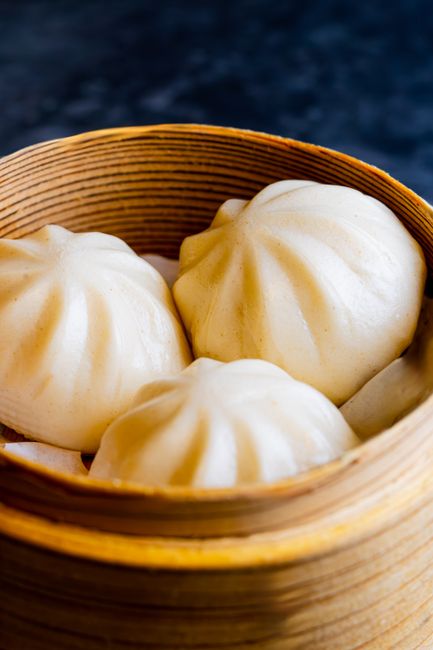
Char Siu Bao: Steamed BBQ Pork Buns – A Culinary Deep Dive for Food Enthusiasts and Home Cooks
Char siu bao, the iconic steamed BBQ pork buns, represent a cornerstone of Cantonese dim sum cuisine. These fluffy, slightly sweet, and savory buns, generously filled with succulent, glistening char siu (Chinese BBQ pork), are a global phenomenon. Their appeal lies in a delightful textural contrast: the pillowy softness of the steamed bun against the tender, flavorful bite of the char siu filling. This article delves into the intricate world of char siu bao, exploring its history, ingredients, preparation techniques, variations, and tips for achieving authentic, restaurant-quality results at home. Understanding the nuances of both the bun and the filling is paramount for mastering this beloved dish.
The foundation of a successful char siu bao lies in the preparation of the char siu itself. Authentic char siu pork requires a specific marinade that balances sweet, savory, and aromatic notes. The traditional marinade typically includes hoisin sauce, soy sauce, Shaoxing wine, honey or maltose, five-spice powder, and minced garlic and ginger. The pork, usually pork shoulder or belly for its ideal fat-to-meat ratio, is marinated for at least several hours, and ideally overnight, to allow the flavors to penetrate deeply. Cooking methods vary, with grilling or roasting in a high-temperature oven being the most common. The high heat caramelizes the sugars in the marinade, creating that signature sticky, glossy exterior and intensely flavorful interior. Achieving the perfect balance of tenderness and slight crispiness on the edges is key. The char siu should be cut into small, bite-sized pieces for the bao filling, ensuring a harmonious distribution within each bun.
The bao dough is equally crucial, demanding a specific approach to achieve its characteristic airy and tender texture. The dough for char siu bao is a yeasted dough, often incorporating a slight sweetness and a touch of richness. Common ingredients include all-purpose flour, sugar, yeast, water, and sometimes a small amount of oil or lard for added softness. The key to a light and fluffy bun lies in proper proofing and steaming. The dough is kneaded until smooth and elastic, then allowed to rise twice. The first rise develops flavor and structure, while the second rise, after shaping the buns, ensures they achieve maximum volume before steaming. Over-kneading can lead to a tough bun, while under-proofing will result in a dense, heavy texture. The sugar in the dough not only contributes to a pleasant sweetness but also aids in yeast activity and browning (though char siu bao are not typically browned).
Shaping char siu bao is an art form in itself, requiring a deft hand to enclose the generous filling without compromising the dough’s integrity. A common method involves flattening a portion of the dough into a circle, placing a dollop of char siu filling in the center, and then pleating the dough around the filling, gathering it at the top to form a sealed bun. The pleating technique is important for both aesthetics and functionality, helping the bun to retain its shape during steaming. The number of pleats can vary, with more experienced cooks achieving intricate, evenly spaced folds. Some variations utilize a simpler method of forming a round bun and then pressing the filling into the center. Regardless of the specific technique, the goal is to create a well-sealed, attractive bun that will expand beautifully during steaming.
Steaming is the final and most critical step in the char siu bao cooking process. This method of cooking is what imparts the signature soft, moist, and slightly chewy texture to the bun. Proper steaming requires a consistent and even heat. Traditional bamboo steamers are ideal, allowing for good air circulation and preventing condensation from dripping onto the buns. If bamboo steamers are unavailable, a large pot with a tight-fitting lid and a steamer rack can be used. It’s essential to leave ample space between the buns to allow them to expand without touching, as they will nearly double in size during steaming. Overcrowding will lead to uneven cooking and a less desirable texture. The steaming time is crucial; typically 10-15 minutes for individually shaped buns, though larger buns or those steamed in larger batches may require slightly longer. Under-steaming will result in a doughy, uncooked interior, while over-steaming can lead to a gummy texture or the buns collapsing.
The char siu filling itself can be a point of variation and personal preference. While the classic recipe features diced char siu pork, other elements can be incorporated to enhance the flavor and texture. Many recipes include finely chopped shiitake mushrooms, which add an earthy depth and a pleasant chew. Water chestnuts can be added for a subtle crunch and freshness. A small amount of sesame oil is often drizzled over the filling before sealing the buns to impart its distinctive aroma. The sauce for the filling is usually thickened with a cornstarch slurry to ensure it coats the pork and vegetables, preventing it from making the bun soggy. The consistency of the filling is key; it should be moist but not overly wet.
Beyond the traditional char siu bao, there are regional and stylistic variations. Some bao might feature a slightly different dough composition, perhaps incorporating a tangzhong or yudane method for even greater softness and shelf life. The char siu marinade itself can be adjusted; some prefer a spicier char siu, while others might opt for a sweeter profile. The size of the bao can also differ, from smaller, bite-sized dim sum portions to larger, more substantial buns. The most common form of char siu bao, however, is the white, steamed bun with the rich, red-tinged char siu filling peeking through the pleats.
Achieving restaurant-quality char siu bao at home requires attention to detail and a willingness to practice. Key considerations for success include using fresh yeast, ensuring proper dough hydration, and understanding the importance of adequate proofing. The quality of ingredients plays a significant role; good quality pork for the char siu and fresh flour for the dough will yield superior results. Patience is also a virtue; rushing the proofing process or the steaming will compromise the final outcome. Many home cooks find it beneficial to prepare the char siu a day in advance, allowing the flavors to meld and the pork to cool before dicing. This also streamlines the process on the day of steaming.
The history of char siu bao is intertwined with the evolution of Cantonese cuisine and its global spread. Dim sum, meaning "to touch the heart," originated as a light meal accompanying tea. Over time, it evolved into a complex culinary art form, with a vast array of steamed, fried, and baked dishes. Char siu bao, with its comforting combination of sweet and savory, quickly became a dim sum staple. Its popularity is a testament to its deliciousness and its accessibility. The bun itself is believed to have evolved from earlier forms of steamed buns found across China. The inclusion of char siu, however, is distinctly Cantonese. As Cantonese immigrants spread across the globe, they brought their culinary traditions with them, and char siu bao became a beloved dish in Chinatowns worldwide.
SEO considerations for this article focus on using relevant keywords naturally throughout the text. Primary keywords include "char siu bao," "steamed BBQ pork buns," "Cantonese dim sum," "Chinese BBQ pork recipe," "bao dough recipe," and "how to steam buns." Secondary keywords and related terms that enhance search engine visibility include "dim sum recipes," "homemade char siu," "fluffy steamed buns," "Cantonese cuisine," "Asian baking," "food preparation," and "culinary techniques." The article’s structure, with clear headings and a deep dive into various aspects of the dish, is designed to satisfy user intent and provide comprehensive information, which search engines favor. The inclusion of detailed steps and tips also contributes to its value for searchers looking for practical guidance.
Troubleshooting common issues encountered when making char siu bao can be beneficial for aspiring home cooks. If the buns are not rising sufficiently, it could be due to inactive yeast, insufficient proofing time, or a dough that is too stiff. If the buns are dense or gummy after steaming, it often indicates under-steaming or an overly wet dough. A dry or tough bun can result from over-steaming or a dough that is too lean (lacking enough fat or sugar). If the char siu filling is too watery, it can make the bun soggy. This can be mitigated by ensuring the filling is properly thickened and cooled before assembling the bao. Ensuring the steamer basket is adequately heated before adding the buns is also crucial for even cooking.
The appeal of char siu bao extends beyond its delicious taste; it’s also a culturally significant dish that evokes warmth and nostalgia for many. The act of gathering with family or friends for dim sum, and the shared experience of enjoying these delightful buns, adds to their charm. For home cooks, mastering char siu bao is a rewarding culinary journey, offering the satisfaction of creating an authentic and beloved dish from scratch. The process, while requiring precision, is also forgiving enough to allow for experimentation and personalization. From the initial marination of the pork to the final steaming, each step contributes to the creation of a truly exceptional culinary experience.
In conclusion, char siu bao are more than just steamed buns; they are a testament to the art of Cantonese cooking, a harmonious blend of textures and flavors, and a culinary icon. Whether enjoyed as part of a dim sum spread or as a satisfying snack, these steamed BBQ pork buns continue to capture the hearts and palates of food lovers worldwide. This comprehensive exploration aims to equip both novice and experienced cooks with the knowledge and confidence to recreate this classic dish with authentic flair.


