
Slow Cooker Squirrel And Veggies

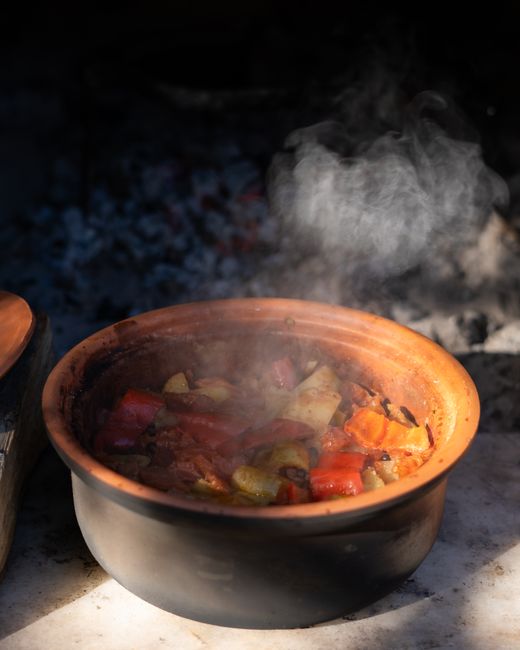
Slow Cooker Squirrel and Veggies: A Delicious and Sustainable Wilderness Meal
The allure of wild game, when prepared with care and transformed into a comforting, slow-cooked meal, offers a unique culinary experience. Squirrel, often overlooked due to its small size and perceived toughness, becomes incredibly tender and flavorful when given the slow and low treatment in a crock pot. This recipe for Slow Cooker Squirrel and Veggies leverages the magic of time and moisture to break down the connective tissues, resulting in succulent meat that falls off the bone. Beyond its deliciousness, incorporating wild-caught squirrel aligns with principles of sustainable food sourcing, utilizing a readily available and underutilized protein source. This guide will delve into every aspect of creating this satisfying dish, from selecting and preparing your squirrel to selecting the perfect vegetable medley and achieving optimal slow cooker results.
Understanding Squirrel as a Culinary Ingredient
Before embarking on this culinary adventure, it’s essential to understand the characteristics of squirrel meat. Squirrels are lean animals, which can sometimes lead to dryness if overcooked or prepared using high-heat, quick-cooking methods. However, this leanness also makes them excellent candidates for braising and slow cooking. The inherent flavor of squirrel is mild and slightly nutty, making it a versatile protein that readily absorbs the flavors of its accompaniments. There are two primary species commonly consumed: the gray squirrel and the fox squirrel. While their flavors are similar, fox squirrels tend to be slightly larger and may offer a bit more meat per animal. The key to unlocking squirrel’s potential lies in moisture and extended cooking times, which are precisely what a slow cooker excels at providing. Preparing squirrel for the slow cooker typically involves jointing the animal into manageable pieces, often hindquarters, forequarters, and the back. Removing the skin is a matter of personal preference; some find it adds a richer flavor, while others prefer a cleaner taste and texture without it. Thorough cleaning is paramount, ensuring all sinew and excess fat are removed.
Selecting and Preparing Your Squirrel for the Slow Cooker
The success of your Slow Cooker Squirrel and Veggies hinges on proper preparation. Sourcing your squirrel is the first step. This can involve hunting, trapping, or purchasing from a reputable wild game supplier. If hunting, ensure proper field dressing techniques are employed to maintain meat quality. Once you have your squirrel, the process begins with thorough cleaning. Rinse the squirrel under cold running water, both inside and out. Inspect for any remaining shot or debris. Joint the squirrel by locating the natural seams where the legs and back connect. This usually results in 6-8 pieces. For optimal texture, it is often recommended to remove the silverskin, a thin, iridescent membrane that can become tough during cooking. A sharp knife is your best tool for this. You can also choose to trim away any excess fat. Some recipes call for brining the squirrel prior to slow cooking, which can further enhance moisture and tenderness. A simple brine can be made with water, salt, and sugar, allowing the squirrel pieces to soak for several hours or overnight in the refrigerator. This step is not strictly necessary for slow cooker preparations, but it can elevate the final dish. Pat the squirrel pieces dry with paper towels before proceeding to the cooking stage.
Building Flavor: The Aromatics and Liquids
The foundation of any great slow cooker dish lies in building layers of flavor. For Slow Cooker Squirrel and Veggies, this begins with aromatics. Onions, garlic, and celery form a classic mirepoix that provides a savory base. Finely chop these vegetables to ensure they break down and meld with the cooking liquids. Sautéing these aromatics briefly in a skillet before adding them to the slow cooker can deepen their flavor and impart a richer aroma to the finished dish. However, for a simpler approach, they can be added directly to the slow cooker. The choice of liquid is crucial for both flavor and moisture. A good quality chicken or vegetable broth will add depth and body to the sauce. For a more robust flavor profile, consider using beef broth or even a combination of broth and red wine. Red wine can contribute a wonderful complexity and richness, perfectly complementing the gamey notes of the squirrel. Herbs play a vital role in infusing the dish with fragrant notes. Thyme, rosemary, and bay leaves are excellent choices that pair well with game meats. Fresh herbs will offer a brighter flavor, while dried herbs are more concentrated and can be added directly to the slow cooker.
The Perfect Vegetable Medley for Slow Cooker Squirrel
The "veggies" in Slow Cooker Squirrel and Veggies are not an afterthought; they are integral to the dish’s overall success. The key to selecting vegetables for slow cooking is to choose those that can withstand extended cooking times without becoming mushy. Root vegetables are ideal. Carrots, parsnips, and potatoes are classic choices that soften beautifully and absorb the surrounding flavors. Cut them into uniform, bite-sized pieces to ensure even cooking. Other excellent additions include sweet potatoes for a touch of sweetness, turnips for a peppery bite, or even chunks of butternut squash. Beyond root vegetables, hearty greens like kale or Swiss chard can be added during the last hour of cooking to retain some of their texture and vibrant color. Mushrooms, such as cremini or shiitake, add an earthy depth and umami. When assembling your vegetable medley, consider a balance of colors and textures. Aim for a visually appealing and gastronomically satisfying combination. Ensure all vegetables are washed and prepared appropriately – peeled, cored, and chopped to a size that will cook through in the slow cooker. Overcrowding the slow cooker with too many vegetables can hinder even cooking, so be mindful of the capacity of your appliance.
Assembling and Cooking Your Slow Cooker Squirrel and Veggies
With all your components prepped, it’s time to assemble your Slow Cooker Squirrel and Veggies. Begin by layering the aromatics at the bottom of your slow cooker. If you sautéed your onions, garlic, and celery, add them now. Place the prepared squirrel pieces on top of the aromatics. Scatter your chosen root vegetables and any other heartier vegetables around the squirrel. Add your herbs, whether fresh or dried. Pour in your chosen liquid, ensuring it comes about halfway to two-thirds of the way up the ingredients. Avoid overfilling the slow cooker, as this can lead to uneven cooking and a watery sauce. Season generously with salt and freshly ground black pepper. If you’re using a bay leaf, tuck it in amongst the ingredients.
Now, it’s time for the slow cooker to do its magic. Set your slow cooker to the LOW setting for 6-8 hours, or on the HIGH setting for 3-4 hours. The exact cooking time will depend on the size of your squirrel pieces and the efficiency of your slow cooker. The goal is for the squirrel meat to be fork-tender, easily shredding or falling away from the bone. During the cooking process, you can periodically check on the dish. If you notice the liquid level getting too low, you can add a little more broth or water. In the last hour of cooking, if you are adding heartier greens like kale, stir them in to allow them to wilt and become tender. Once the squirrel is tender and the vegetables are cooked through, the dish is ready.
Enhancing and Finishing Your Slow Cooker Creation
While your Slow Cooker Squirrel and Veggies will be delicious as is, there are several ways to elevate and finish the dish. For a thicker, richer sauce, you can remove the squirrel and vegetables from the slow cooker and place them on a platter. Then, in the slow cooker insert or a saucepan, whisk together a slurry of cornstarch or flour with a little cold water. Bring the remaining liquid in the slow cooker to a simmer and gradually whisk in the slurry until the sauce thickens to your desired consistency. Return the squirrel and vegetables to the thickened sauce and stir gently to coat. Another option for thickening is to use a roux, a mixture of equal parts butter and flour cooked together before being added to the liquid.
For an extra layer of flavor, consider adding a splash of Worcestershire sauce, a touch of Dijon mustard, or even a dash of hot sauce during the last 30 minutes of cooking. Freshly chopped parsley or chives stirred in just before serving adds a burst of freshness and color. If you prefer a more deeply browned flavor on your squirrel, you can sear the pieces in a hot skillet with a little oil before adding them to the slow cooker. This step is not essential for tenderness but can contribute to a more complex flavor profile. Taste and adjust seasonings as needed. The beauty of slow cooking is its forgiving nature, allowing for adjustments to be made throughout the process.
Serving Suggestions and Pairing Recommendations
Slow Cooker Squirrel and Veggies is a hearty and complete meal on its own, but it also pairs wonderfully with a variety of accompaniments. It’s traditionally served over fluffy mashed potatoes, which are perfect for soaking up the flavorful sauce. Creamy polenta or grits also provide a comforting and satisfying base. For a lighter option, serve it with crusty bread for dipping. A simple side salad with a vinaigrette can offer a refreshing contrast to the richness of the dish.
When it comes to beverage pairings, consider drinks that complement the earthy and savory notes of the squirrel. A robust red wine, such as a Cabernet Sauvignon, Merlot, or Pinot Noir, can be an excellent choice. For those who prefer beer, a porter, stout, or an amber ale would be a good match. A hearty, unfiltered cider can also be a delightful pairing. The goal is to select beverages that can stand up to the flavors of the wild game without overpowering them.
Nutritional Benefits and Sustainability Aspects
Incorporating wild game like squirrel into your diet offers several nutritional advantages. Squirrel is a lean protein source, providing essential amino acids for muscle building and repair. It is typically lower in fat and cholesterol compared to many commercially raised meats. Furthermore, wild-caught squirrel is free from antibiotics and added hormones often found in farmed animals. Its mineral content can also be significant, providing iron, zinc, and B vitamins.
Beyond nutrition, the sustainability of consuming squirrel is a compelling argument. Squirrel populations are generally robust in many regions, and hunting or trapping them can be a responsible way to manage these populations. By utilizing a readily available and underutilized resource, you contribute to a more diverse and sustainable food system. This practice aligns with principles of foraging and "nose-to-tail" eating, minimizing waste and appreciating the bounty of nature. Choosing to prepare and consume wild game is a connection to our ancestral food traditions and a mindful approach to resource utilization.
Troubleshooting Common Slow Cooker Issues
While slow cooking is generally straightforward, a few common issues can arise. One prevalent problem is a watery sauce. This can happen if too much liquid is added initially or if the lid of the slow cooker isn’t sealing properly, allowing steam to escape and condensation to form. To remedy a watery sauce, as mentioned earlier, you can thicken it with a cornstarch or flour slurry or by reducing the liquid on the stovetop. Another issue can be undercooked vegetables. This often stems from cutting vegetables into pieces that are too large or from overcrowding the slow cooker. Ensure vegetables are cut uniformly and consider adding root vegetables earlier in the cooking process than softer vegetables. If your squirrel seems dry, it likely means it was overcooked or not enough liquid was used. However, with slow cooking, this is less common than with other methods. Always err on the side of a little more liquid than you think you might need for braising. If your slow cooker seems to be cooking too hot, even on the LOW setting, you can always place a clean kitchen towel between the insert and the lid to absorb excess moisture and slightly lower the cooking temperature. Regularly checking on your dish, especially as you become more familiar with your specific slow cooker, will help prevent most of these common pitfalls.
Variations and Creative Adaptations
The beauty of this Slow Cooker Squirrel and Veggies recipe lies in its adaptability. Don’t be afraid to experiment with different flavor profiles and ingredient combinations. For a smoky kick, add a smoked paprika or chipotle powder to the spice blend. For a touch of sweetness and tang, incorporate diced apples or a tablespoon of apple cider vinegar into the liquid. Consider adding other wild game meats like rabbit or venison in place of or in addition to the squirrel for a richer, more varied flavor. If you’re not a fan of root vegetables, try incorporating leeks, bell peppers, or even green beans during the last hour of cooking. For a more international twist, explore different spice palettes. A touch of curry powder, ginger, and coconut milk can transform the dish into a flavorful Thai-inspired stew. Alternatively, a blend of Italian herbs, tomatoes, and a splash of balsamic vinegar can create a Mediterranean-inspired meal. The slow cooker is a forgiving canvas, allowing for endless culinary creativity. Remember to adjust cooking times slightly if you are significantly altering the quantity or density of ingredients.
Conclusion
Slow Cooker Squirrel and Veggies is a testament to the power of low-and-slow cooking to transform humble ingredients into a deeply satisfying and flavorful meal. This recipe offers a delicious and sustainable way to enjoy wild game, showcasing the tender, succulent results achievable with the right approach. From the careful preparation of the squirrel to the thoughtful selection of vegetables and the nuanced layering of aromatics and liquids, each step contributes to a culinary masterpiece. By embracing the simplicity and efficacy of the slow cooker, you can unlock the hidden potential of squirrel meat, creating a dish that is both comforting and conscientious. This dish is more than just a meal; it’s an exploration of flavor, a connection to nature, and a celebration of culinary resourcefulness.


