Stout Braised Lamb Shanks
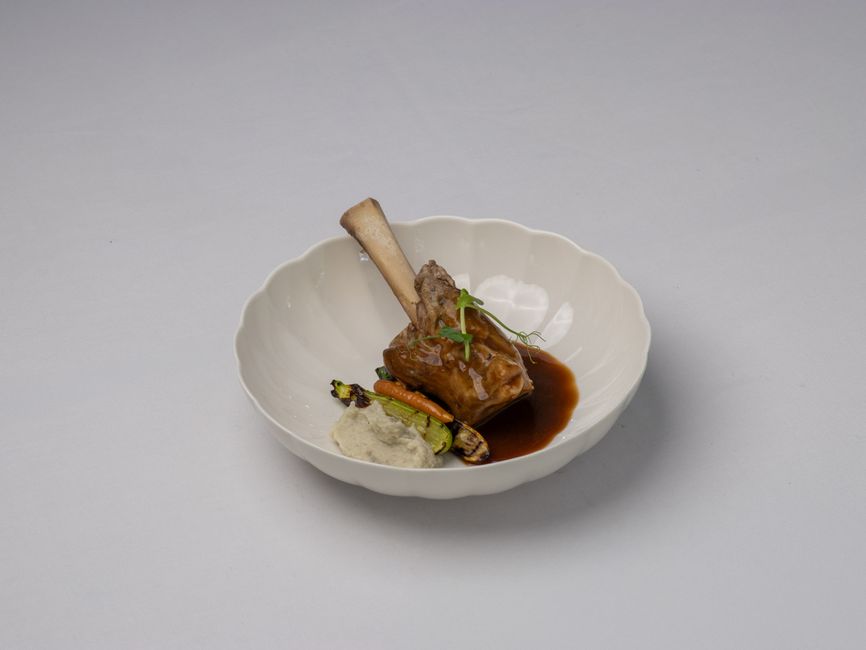
Stout Braised Lamb Shanks: A Deep Dive into Flavor and Technique
Stout braised lamb shanks represent a pinnacle of slow-cooked comfort food, a dish that transforms humble, connective-tissue-rich cuts into melt-in-your-mouth masterpieces. The magic lies in the interplay of rich, malty stout beer, aromatic vegetables, and the long, low-temperature cooking process that breaks down collagen and infuses every fiber of the lamb with profound flavor. This comprehensive guide delves into the why and how of crafting exceptional stout braised lamb shanks, exploring ingredient selection, essential techniques, flavor profiles, and serving suggestions. Understanding the science behind braising unlocks the secrets to achieving that perfect, fall-off-the-bone tenderness and a deeply satisfying, complex sauce.
The foundation of any successful braise begins with the quality of the lamb shanks. Opt for well-marbled, meaty shanks, preferably from a reputable butcher. Lamb shanks, being from the lower leg of the animal, are characterized by a significant amount of connective tissue and fat. This may seem counterintuitive for a tender dish, but this collagen is precisely what breaks down during the long braising process, transforming into gelatin, which enriches the sauce and contributes to the luxurious, unctuous texture of the cooked meat. Look for shanks that are roughly uniform in size to ensure even cooking. While front shanks are generally more tender and meatier than hind shanks, either will yield excellent results. The color of the meat should be a vibrant, healthy red, indicating freshness. Avoid shanks that appear dull or discolored. Trimming excess fat is often recommended, but a moderate amount is beneficial for flavor and moisture retention during the long cooking period. A light searing of the shanks before braising is a crucial step that develops a rich, browned crust through the Maillard reaction, adding significant depth of flavor to the final dish. This browning process caramelizes natural sugars in the meat and creates complex flavor compounds that would otherwise be absent.
The choice of stout beer is paramount to the characteristic flavor of this dish. A good quality stout, with its roasted malt notes, hints of chocolate, coffee, and sometimes even caramel, provides a robust and slightly bitter backbone that complements the richness of the lamb beautifully. Not all stouts are created equal. For braising, aim for a stout that is not overly sweet or cloying. A dry or imperial stout can be excellent choices, offering a more intense, complex flavor profile. Avoid stouts with overpowering hop bitterness, as this can translate unpleasantly into the braised meat. The alcohol in the stout also plays a vital role, acting as a solvent that helps to extract flavors from the lamb and aromatics, and its evaporation during cooking concentrates these flavors. If you prefer a less intense beer flavor, you can use a combination of stout and beef or lamb broth, but the stout should remain the dominant liquid for that signature taste. The volume of stout used will depend on the number of shanks and the size of your braising vessel, but it should be sufficient to submerge at least two-thirds of the shanks.
Beyond the lamb and stout, the supporting cast of aromatics and vegetables forms the flavor base of the braise. Mirepoix – a combination of diced carrots, celery, and onions – is a classic foundation. The sweetness of the carrots, the subtle bitterness of the celery, and the pungent depth of the onions meld together to create a complex flavor profile. Garlic is an indispensable component, adding its pungent aroma and savory notes. Bay leaves impart a subtle, herbaceous depth, while sprigs of fresh thyme and rosemary contribute their characteristic woody and floral aromas that stand up well to slow cooking. A touch of tomato paste, sautéed with the mirepoix, adds a subtle tang and umami, contributing to the richness and color of the sauce. The tomato paste’s sugars also caramelize beautifully when browned, further enhancing the flavor. For an extra layer of savory depth, consider adding mushrooms. Cremini or shiitake mushrooms, with their earthy notes, complement the lamb and stout exceptionally well, absorbing the braising liquid and becoming tender and flavorful.
The braising technique itself is relatively straightforward but requires patience and attention to detail. Begin by searing the lamb shanks in a heavy-bottomed, oven-safe pot or Dutch oven over medium-high heat until deeply browned on all sides. This browning, as mentioned, is critical for flavor development. Remove the shanks and set aside. In the same pot, sauté the mirepoix and garlic until softened and slightly caramelized, about 8-10 minutes. Stir in the tomato paste and cook for another minute until fragrant. Deglaze the pot with a splash of the stout or a bit of beef broth, scraping up any browned bits from the bottom – these are packed with flavor. Return the lamb shanks to the pot, nestling them amongst the vegetables. Pour in the remaining stout, ensuring the liquid comes about two-thirds of the way up the sides of the shanks. Add any additional liquid needed, such as beef or lamb broth, to achieve the desired liquid level. Tuck in the bay leaves and herb sprigs. The pot should then be covered tightly with a lid or heavy-duty foil to create a sealed environment, trapping moisture and steam.
The braising itself occurs in a low oven, typically between 300°F (150°C) and 325°F (160°C). This gentle heat allows the connective tissues in the lamb to break down slowly and evenly, transforming tough cuts into meltingly tender meat without drying it out. The cooking time will vary depending on the size and thickness of the lamb shanks, but expect a minimum of 2.5 to 3 hours, and potentially up to 4 hours for larger shanks. The shanks are done when the meat is exceptionally tender and easily pulls away from the bone with a fork. Periodically checking the liquid level is important; if it appears to be reducing too much, add a little more broth or water to maintain the braising liquid. Basting the shanks with the braising liquid during the cooking process can also enhance moisture and flavor. Once the lamb is tender, carefully remove the shanks from the pot and set them aside to rest.
The braising liquid, now infused with the essence of lamb, stout, and aromatics, forms the basis of a magnificent sauce. Strain the liquid through a fine-mesh sieve into a clean saucepan, discarding the solids. Skim off any excess fat that rises to the surface using a ladle or spoon. For a thicker, more luxurious sauce, you can reduce the strained liquid over medium heat until it reaches your desired consistency. Alternatively, for an even richer and smoother sauce, you can create a slurry of cornstarch or flour mixed with a little cold water and whisk it into the simmering liquid until thickened. Season the sauce generously with salt and freshly ground black pepper to taste. Tasting and adjusting seasoning is a crucial step at this stage; the sauce should be deeply flavorful and balanced. A final swirl of butter or a drizzle of good quality olive oil can add a lovely sheen and further richness to the sauce.
Serving stout braised lamb shanks is an event in itself. The sheer richness and depth of flavor demand accompaniments that can stand up to, or gracefully complement, such a bold dish. Creamy mashed potatoes are a classic pairing, their soft texture and mild flavor providing a perfect canvas for the intense lamb and sauce. Polenta or risotto are also excellent choices, offering their own creamy, comforting textures. For a lighter contrast, consider serving with crusty bread for soaking up every last drop of the glorious sauce, or with a side of simple steamed or roasted green vegetables like broccolini, asparagus, or green beans. A dollop of gremolata – a zesty mix of chopped parsley, lemon zest, and garlic – can provide a bright, fresh counterpoint to the rich braise, cutting through the fattiness and adding a burst of acidity.
The versatility of stout braised lamb shanks extends beyond the immediate serving. The leftover meat, even after being pulled from the bone, is incredibly flavorful and can be repurposed for other dishes. Shredded lamb shanks are fantastic in shepherd’s pie, tacos, or as a filling for savory pies. The remaining braising liquid can be frozen and used as a base for future stocks or sauces. This dish is also a prime candidate for making ahead, as the flavors often deepen and meld beautifully overnight. Reheat gently on the stovetop or in the oven, and you’ll have an even more profound flavor experience.
Achieving the perfect stout braised lamb shanks involves a few key considerations for optimizing flavor and texture. The quality of your ingredients, from the lamb to the stout and aromatics, directly impacts the final outcome. Proper searing is non-negotiable for developing a rich flavor base. The slow, low-temperature braising process is the cornerstone of tenderizing the meat. Don’t rush this stage. Seasoning throughout the process, from the initial searing to the final sauce adjustment, is critical. Finally, thoughtful accompaniments will elevate the entire dining experience. By understanding the principles of braising and the specific contributions of each ingredient, you can consistently produce a deeply satisfying and memorable dish of stout braised lamb shanks. This dish is not merely a meal; it is a testament to the transformative power of slow cooking and the harmonious interplay of robust flavors.