
Roasted Winter Squash Seeds

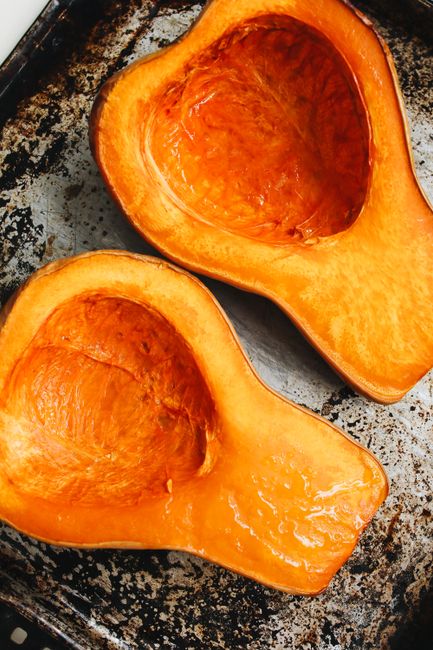
Roasted Winter Squash Seeds: A Nutrient-Dense, Edible Treasure
The humble winter squash seed, often discarded as culinary waste, is a potent source of nutrition and a delightful, crunchy snack when roasted. These tiny powerhouses, found within the fibrous chambers of varieties like butternut, acorn, pumpkin, kabocha, and delicata squash, offer a spectrum of beneficial compounds, making them a valuable addition to a healthy diet. Their texture, ranging from slightly chewy to satisfyingly crisp depending on the roasting method and duration, coupled with their inherent nutty flavor, allows for versatile culinary applications beyond mere snacking. Understanding how to properly prepare and enjoy these seeds unlocks a sustainable and cost-effective way to boost nutrient intake while minimizing food waste. The growing interest in whole-food nutrition and upcycling kitchen scraps has propelled roasted winter squash seeds from an overlooked byproduct to a sought-after delicacy, celebrated for their impressive nutritional profile and unique culinary potential.
The nutritional composition of roasted winter squash seeds is remarkably comprehensive, contributing significantly to daily recommended intakes of various micronutrients and macronutrients. A 1-ounce serving (approximately 28 grams) of roasted pumpkin seeds, a popular and readily available variety, typically contains around 150-160 calories. This calorie count is primarily derived from healthy fats, with approximately 12-14 grams of fat per ounce, a significant portion of which are monounsaturated and polyunsaturated fatty acids. These essential fats play a crucial role in cell function, hormone production, and the absorption of fat-soluble vitamins. The protein content is also noteworthy, with about 7-9 grams per ounce, making them a good plant-based protein source, essential for muscle repair, growth, and overall bodily functions.
Beyond macronutrients, roasted winter squash seeds are particularly rich in essential minerals. Magnesium is a standout, with a single ounce providing over 40% of the daily recommended intake. Magnesium is vital for over 300 biochemical reactions in the body, including energy production, muscle and nerve function, blood glucose control, and blood pressure regulation. Zinc is another mineral abundantly present, contributing significantly to immune function, wound healing, cell growth, and DNA synthesis. Iron, crucial for oxygen transport in the blood and energy metabolism, is also found in considerable amounts, especially beneficial for individuals prone to iron deficiency. Potassium, important for maintaining fluid balance and blood pressure, and phosphorus, essential for bone health and energy production, are also present. Furthermore, selenium, an antioxidant that protects cells from damage and supports thyroid function, contributes to the seeds’ overall health benefits.
Vitamins are also represented in roasted winter squash seeds, though often in smaller quantities compared to minerals. They are a good source of B vitamins, including niacin (B3), pantothenic acid (B5), and folate (B9). Niacin is important for energy metabolism and nervous system function. Pantothenic acid plays a role in the synthesis of hormones and cholesterol. Folate is critical for DNA synthesis and cell division, particularly important during pregnancy. While not a primary source, they also offer trace amounts of vitamin K and vitamin E, both potent antioxidants that contribute to cellular protection and overall well-being.
The antioxidant power of roasted winter squash seeds is a significant aspect of their health benefits. They contain a variety of antioxidant compounds, including carotenoids, lignans, and phenolic acids. These compounds work synergistically to neutralize free radicals, unstable molecules that can cause cellular damage and contribute to chronic diseases such as heart disease, cancer, and aging. The specific types and quantities of antioxidants can vary depending on the squash variety, but generally, these seeds offer a robust defense against oxidative stress.
The process of preparing roasted winter squash seeds is straightforward and requires minimal ingredients, emphasizing their natural goodness. The first step involves harvesting the seeds from the squash. This is typically done by scooping out the fibrous pulp and seeds from the interior cavity using a spoon. The seeds are then separated from the pulp. A common method for cleaning involves placing the seeds in a colander and rinsing them thoroughly under running water. Gently rubbing the seeds between your fingers can help dislodge any remaining pulp. It is crucial to ensure the seeds are as dry as possible before roasting, as excess moisture can lead to steaming rather than crisping, resulting in a less desirable texture. Spreading them on a clean kitchen towel or paper towels and allowing them to air dry for at least an hour, or even overnight, is recommended for optimal results. Some individuals prefer to remove the thin, papery outer hull, but this is optional, as the hull is edible and contains its own set of nutrients.
Once clean and dry, the seeds are ready for roasting. A basic seasoning involves tossing the seeds with a small amount of oil, such as olive oil, avocado oil, or coconut oil, and a pinch of salt. The oil helps to distribute heat evenly and promotes crisping, while the salt enhances their natural flavor. However, the seasoning possibilities are virtually endless. For a savory profile, consider adding garlic powder, onion powder, paprika, chili powder, smoked paprika, or even a sprinkle of nutritional yeast for a cheesy, umami flavor. For a touch of sweetness, cinnamon, nutmeg, or a drizzle of maple syrup can be incorporated, transforming them into a dessert-like snack. Experimentation with different spice blends, such as curry powder, za’atar, or Italian seasoning, can lead to unique and personalized flavor profiles.
Roasting is typically done in a preheated oven, with temperatures ranging from 300°F to 350°F (150°C to 175°C). The baking time will vary depending on the oven and the size of the seeds, but generally ranges from 15 to 30 minutes. It is essential to spread the seeds in a single layer on a baking sheet to ensure even cooking. Stirring the seeds occasionally, about halfway through the roasting process, helps to prevent burning and promotes uniform crisping. The seeds are done when they are golden brown and have a satisfyingly dry and crisp texture. It is important to note that they will continue to crisp up as they cool. Over-roasting can lead to a bitter taste and a burnt texture, so vigilance is key.
The versatility of roasted winter squash seeds extends far beyond a standalone snack. Their crunchy texture makes them an excellent topping for a variety of dishes. Sprinkling them over salads adds a delightful textural contrast and a boost of nutrients. They can be incorporated into soups, stews, and chili for added crunch and flavor. As a topping for grain bowls or roasted vegetables, they provide a satisfying element that elevates simple meals. In baked goods, they can be added to bread, muffins, cookies, and granola for an extra layer of flavor and texture. Their nuttiness complements both sweet and savory applications. Ground roasted seeds can also be used to create a unique seed butter, similar to peanut or almond butter, offering a new culinary avenue for utilizing this ingredient.
The health benefits associated with regular consumption of roasted winter squash seeds are multifaceted and contribute to overall well-being. The high magnesium content plays a vital role in stress management and sleep quality. Adequate magnesium levels have been linked to reduced anxiety and improved sleep patterns. The zinc content supports a robust immune system, helping the body fight off infections and illnesses. For men, zinc is particularly important for prostate health. The iron content is crucial for preventing and managing anemia, a condition characterized by fatigue and weakness due to a lack of red blood cells. The fiber content, while not as prominent as in whole grains, still contributes to digestive health, promoting regularity and potentially aiding in weight management by increasing satiety.
The healthy fats present in roasted winter squash seeds, particularly omega-3 and omega-6 fatty acids, are important for cardiovascular health. These fats can help lower LDL cholesterol (the “bad” cholesterol) and raise HDL cholesterol (the “good” cholesterol), contributing to a healthier heart. The antioxidant properties of the seeds help to protect against oxidative damage, which is a known contributor to the development of chronic diseases. Lignans, a type of phytonutrient found in squash seeds, have shown potential in reducing the risk of certain hormone-related cancers, such as breast and prostate cancer. Their anti-inflammatory properties also contribute to overall health by mitigating chronic inflammation, a root cause of many diseases.
Furthermore, the magnesium in squash seeds contributes to bone health by playing a role in calcium absorption and bone formation. Adequate intake of magnesium, alongside calcium and vitamin D, is essential for maintaining strong and healthy bones and reducing the risk of osteoporosis. The seeds also contain tryptophan, an amino acid that the body converts into serotonin and melatonin, neurotransmitters that regulate mood and sleep. This can contribute to improved mental well-being and a better sleep-wake cycle.
The economic and environmental benefits of consuming roasted winter squash seeds are also significant. By utilizing these seeds, consumers are reducing food waste, a major environmental concern. Globally, a substantial amount of food is discarded annually, contributing to landfill waste and greenhouse gas emissions. Transforming a typically discarded byproduct into a nutritious and delicious food source is a sustainable practice that aligns with the principles of a circular economy. Economically, it provides a cost-effective way to incorporate nutrient-rich foods into the diet, as the seeds are essentially a free byproduct of squash consumption. This is particularly valuable for individuals and families seeking to maximize their food budget without compromising on nutritional intake.
In conclusion, roasted winter squash seeds are a nutritional powerhouse, offering a concentrated source of essential minerals, healthy fats, protein, and beneficial antioxidants. Their preparation is simple, and their versatility in culinary applications is vast, ranging from a crunchy snack to a flavorful addition to a multitude of dishes. By embracing roasted winter squash seeds, individuals can enhance their diet with valuable nutrients, contribute to a more sustainable food system, and discover a delightful and underappreciated edible treasure. The ease of preparation, coupled with the extensive health benefits, makes incorporating these seeds into one’s diet a practical and rewarding endeavor for anyone seeking to optimize their nutrition and minimize waste.


