
Old World Escarole And Beans

The Enduring Appeal of Old World Escarole and Beans: A Culinary Legacy of Simplicity and Sustenance
Escarole and beans, a dish steeped in the culinary traditions of Southern Italy and other Mediterranean regions, represents a harmonious fusion of humble ingredients elevated to remarkable deliciousness through time-tested methods. This seemingly simple preparation belies a depth of flavor and nutritional prowess that has sustained generations. Its enduring appeal lies not just in its comforting taste but also in its accessibility, affordability, and the inherent health benefits it offers. Understanding the nuances of this classic dish, from the characteristics of its core components to the variations in its preparation, unlocks a profound appreciation for its place in the pantheon of peasant cuisine, a category that often signifies resilience, resourcefulness, and exceptional flavor born from necessity and tradition.
The foundation of this dish rests on two primary players: escarole and beans. Escarole, a member of the chicory family, presents a distinctive flavor profile. Unlike its more bitter cousins like radicchio, escarole offers a pleasing balance of bitterness and a subtle, peppery sweetness, particularly when cooked. Its leaves are broad, frilly, and possess a satisfying crispness when raw, making it a popular choice for salads. However, it is in cooked preparations, where its bitterness mellows considerably, that escarole truly shines in this traditional dish. The texture transforms from crisp to tender, yielding a delicate yet robust leafy green that melds beautifully with other flavors. The broad leaves also act as excellent vehicles for absorbing broths and sauces, becoming infused with the essence of the dish. Different varieties of escarole exist, and while most are suitable, those with slightly lighter, less intensely bitter interiors are often preferred for this specific preparation, although the traditional approach embraces a bit of that characteristic bite. The health benefits of escarole are significant. It is an excellent source of vitamins A, C, and K, as well as folate and fiber. Its chlorophyll content contributes to its vibrant green color and is believed to possess antioxidant properties.
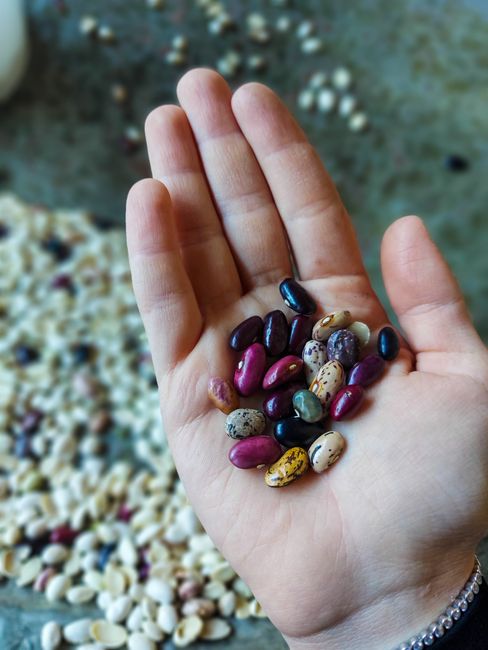
The "beans" in this equation are equally critical, and historically, the most common choice has been cannellini beans, also known as white kidney beans. These large, creamy white beans are prized for their mild, slightly nutty flavor and their ability to hold their shape during cooking while becoming wonderfully tender and yielding. Their inherent creaminess adds a luxurious mouthfeel to the dish, providing a satisfying contrast to the tender greens. Other white bean varieties, such as great northern beans or navy beans, can be substituted, offering slight variations in texture and flavor but remaining within the spirit of the traditional preparation. Dried beans are the preferred choice for authentic old-world flavor, as they offer a superior texture and absorb seasonings more effectively than canned beans. Soaking dried beans overnight or using a quick-soak method rehydrates them, preparing them for a slow, gentle simmer that unlocks their full potential. The cooking process for beans is essential; they should be tender but not mushy, with a creamy interior. The nutritional value of beans is substantial. They are a powerhouse of plant-based protein, complex carbohydrates, and dietary fiber, contributing to satiety and digestive health. They are also rich in minerals like iron, potassium, and magnesium, further underscoring their role as a wholesome and nourishing food.
The preparation of old-world escarole and beans, at its core, is a testament to the "cucina povera" (peasant cooking) philosophy. This approach emphasizes maximizing flavor and nutrition from simple, readily available ingredients. The process typically begins with the beans. Dried beans are soaked and then simmered until tender. This simmering liquid, often enriched with aromatics like garlic, bay leaves, and perhaps a piece of Parmesan rind, becomes a flavorful foundation for the entire dish. Once the beans are cooked, the escarole is introduced. Often, the escarole is roughly chopped or torn, and then wilted into the simmering bean and broth mixture. This is where the magic happens. The heat and moisture from the broth gently cook the escarole, softening its leaves and mellowing its bitterness. As the escarole wilts, it releases its own subtle flavors into the broth, enriching it further.
A crucial element in achieving authentic old-world flavor is the judicious use of garlic and olive oil. Generous amounts of finely minced or sliced garlic are typically sautéed in good quality extra virgin olive oil until fragrant and lightly golden. This garlic-infused oil is then incorporated into the beans and escarole, providing a pungent, aromatic depth that is characteristic of Mediterranean cooking. The olive oil itself plays a vital role, not just as a cooking medium but as a flavor enhancer, adding its fruity, peppery notes to the dish. The broth used for simmering the beans is also fundamental. While water can be used, a vegetable broth or even a light chicken broth will elevate the flavor profile. Some traditional preparations might even use a small piece of pancetta or a ham bone for added savory depth, though vegetarian versions are equally popular and delicious. The simplicity of the ingredients is key; it’s about allowing each component to shine without being overpowered.
The seasoning for this dish is typically straightforward but impactful. Salt and freshly ground black pepper are essential, and their judicious use allows the natural flavors of the escarole and beans to come through. A pinch of red pepper flakes can be added for a subtle kick of heat, a common addition in Southern Italian cuisine. A good quality olive oil is non-negotiable, and its richness and aroma are integral to the dish’s overall character. Some variations might include a splash of white wine during the sautéing of the garlic, adding a touch of acidity and complexity. The finishing touch is often a drizzle of more good olive oil just before serving, enhancing the dish’s richness and aroma.
Variations on the old-world escarole and beans theme are plentiful, reflecting the regional diversity and personal preferences within Mediterranean culinary traditions. One common variation involves adding small pasta shapes, such as ditalini or small elbow macaroni, directly to the simmering pot during the last few minutes of cooking. This transforms the dish into a hearty, one-pot meal, often referred to as "pasta e fagioli" (pasta and beans), though the escarole component distinguishes it further. This addition makes the dish even more filling and a complete meal in itself, perfect for a chilly evening. Another variation involves toasting stale bread, then rubbing it with garlic and drizzling it with olive oil, creating a flavorful crostini to serve alongside or crumbled on top of the dish. This adds a delightful textural contrast and a further layer of garlic and olive oil flavor. Some cooks might also include other vegetables, such as diced carrots, celery, or onions, sautéed with the garlic at the beginning of the cooking process, building a more complex aromatic base. Tomatoes, either diced fresh tomatoes or a small amount of tomato paste, can also be incorporated for a touch of sweetness and acidity, though traditionalists often prefer the purer flavor of escarole and beans without the tomato. The addition of different herbs, such as rosemary or thyme, can also subtly alter the flavor profile, offering a more herbaceous dimension.
The nutritional profile of old-world escarole and beans makes it a dietary powerhouse. It is inherently low in fat, especially when prepared without added meats like pancetta, and high in fiber, which aids digestion and promotes satiety. The combination of protein from the beans and vitamins and minerals from the escarole provides a well-rounded nutritional offering. It is a naturally gluten-free dish, making it accessible to individuals with gluten sensitivities. Furthermore, its plant-based nature makes it an excellent option for vegetarians and vegans, especially when prepared without any animal products. The emphasis on whole, unprocessed ingredients contributes to its status as a healthy and nourishing meal. The complexity of flavors achieved through simple ingredients, coupled with its substantial nutritional benefits, underscores why this dish has endured. It’s a prime example of how mindful cooking and a deep understanding of ingredients can result in food that is both deeply satisfying and profoundly good for you.
The versatility of escarole and beans extends beyond its preparation as a stew-like dish. It can serve as a side dish, complementing grilled meats or fish. It can be served as a light lunch or a hearty appetizer. The leftover dish often develops even deeper flavors as it sits, making it ideal for meal prepping. Reheating is best done gently on the stovetop, adding a splash of water or broth to revive its texture. The simple, robust flavors also pair well with a variety of beverages, from a crisp white wine to a light-bodied red, or even a simple sparkling water.
In conclusion, old-world escarole and beans is far more than just a recipe; it is a culinary artifact, a testament to the ingenuity and resourcefulness of generations past. Its enduring appeal lies in its profound simplicity, its unpretentious nature, and the extraordinary depth of flavor that emerges from the humble marriage of escarole and beans. It’s a dish that speaks of tradition, comfort, and sustenance, proving that the most profound culinary experiences often arise from the most elemental of ingredients. Its SEO-friendly attributes, including its clear ingredient focus, its connection to traditional and healthy eating, and its recognizable name, ensure its continued discovery and appreciation in the digital culinary landscape. For home cooks seeking authentic flavors and nourishing meals, this timeless classic remains an invaluable addition to their repertoire.


