
Best Bread Machine Bread

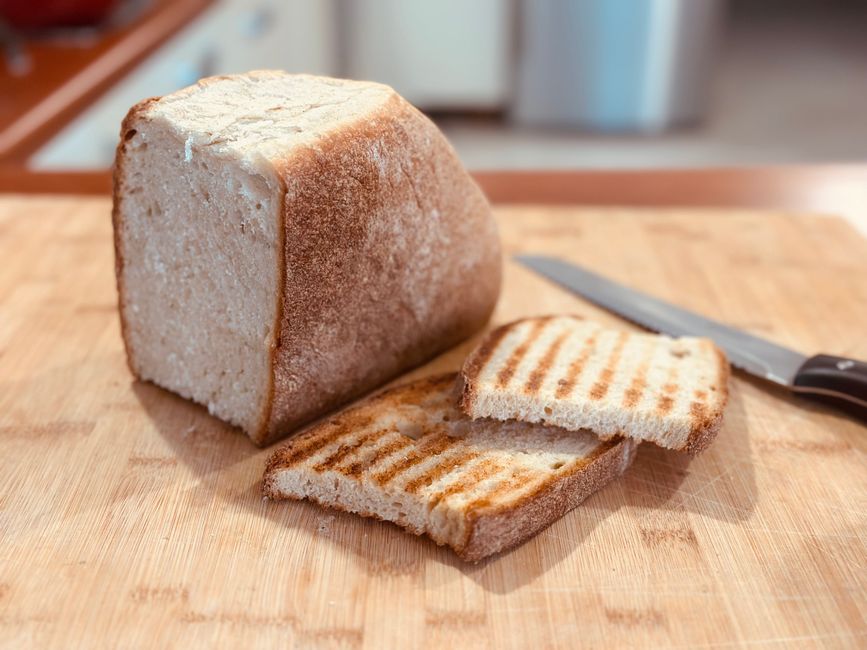
The Ultimate Guide to the Best Bread Machine Bread
Achieving consistently delicious bread from a bread machine requires understanding a few key principles and selecting the right recipes. While the convenience of a bread machine is undeniable, the quality of the output is directly tied to the ingredients used, the machine’s programming, and the specific recipe’s balance of components. This guide delves into the factors that contribute to superior bread machine bread, offering insights into ingredient selection, recipe formulation, troubleshooting common issues, and highlighting recipes that consistently deliver outstanding results. We will explore the nuances of flour types, yeast activation, liquid ratios, and the impact of additives, all crucial for elevating your homemade bread beyond basic loaves. Understanding these elements empowers bakers to move beyond box mixes and create artisanal-quality bread with the ease of a bread machine.
Flour is the foundational element of any bread, and its selection significantly impacts the texture, flavor, and crumb structure of your bread machine loaf. For optimal results, bread flour is generally the preferred choice. Its higher protein content, typically 12-14%, allows for greater gluten development. Gluten is the protein network that gives bread its structure and chewiness. When the dough is kneaded by the bread machine, the gluten strands stretch and trap the gases produced by the yeast, leading to a well-risen loaf with a desirable crumb. All-purpose flour, while usable, will often result in a denser, less voluminous loaf due to its lower protein content. Whole wheat flour introduces a richer flavor and added nutrients but can also lead to a denser bread because the bran and germ interfere with gluten development. To achieve a lighter whole wheat loaf, it’s often recommended to use a blend of bread flour and whole wheat flour, typically a 50/50 ratio or even as little as 25% whole wheat to start. Rye flour adds a distinct earthy flavor and a moist crumb but is also low in gluten-forming proteins, making it best used in smaller quantities, often blended with bread flour. Spelt flour is another ancient grain that offers a nutty flavor and a slightly sweeter taste; it also has a lower gluten potential, so it’s often best used in conjunction with bread flour. When experimenting with different flours, pay close attention to the liquid absorption rate, as whole grains generally require more moisture. Accurate measurement of flour is paramount. Spooning flour into the measuring cup and leveling it off is the most accurate method for home bakers. Using a kitchen scale to weigh flour is even more precise and is highly recommended for consistent results in bread machine baking. The weight-to-volume ratio can vary significantly, and an improperly measured amount of flour can lead to a dough that is too wet or too dry, hindering the machine’s ability to create a properly formed loaf.
The role of yeast in bread machine baking cannot be overstated. It’s the leavening agent responsible for the rise and airy texture of your bread. There are two primary types of yeast used in bread making: active dry yeast and instant yeast (also known as rapid-rise or bread machine yeast). For most bread machine recipes, instant yeast is the preferred choice. It can be mixed directly with dry ingredients, as it doesn’t require pre-activation. This simplifies the process and ensures consistent leavening. Active dry yeast, on the other hand, needs to be proofed in warm liquid (around 105-115°F or 40-46°C) for about 5-10 minutes until it becomes foamy. While some bread machines have a specific compartment for adding yeast, others require it to be added with the dry ingredients. Always consult your bread machine’s manual for the correct yeast addition method. The temperature of the liquid used in your recipe is critical for yeast activation. Too hot, and you’ll kill the yeast; too cold, and it won’t activate effectively. Room temperature or lukewarm water is generally ideal. Freshness of yeast is also crucial. Expired yeast will not leaven your bread properly, resulting in a dense, flat loaf. Always check the expiration date on your yeast packaging and store it in an airtight container in a cool, dry place, or in the refrigerator for extended shelf life. Some recipes may call for a small amount of sugar to "feed" the yeast, providing it with an initial energy source for a more robust rise. However, be mindful of the total sugar content, as excessive sugar can lead to over-browning and a tough crust.
The liquid component of your bread machine recipe plays a vital role in hydrating the flour and activating the yeast. The type and temperature of the liquid can influence the dough’s texture and the final crumb. Water is the most common liquid, providing a clean flavor and allowing the bread’s inherent characteristics to shine through. Milk, whether whole, low-fat, or skim, adds richness, tenderness, and a slightly sweeter flavor to the bread due to its lactose content. Whole milk will yield a richer, softer loaf. For dairy-free options, plant-based milks like almond, soy, or oat milk can be used, though they may impart subtle flavor differences and require slight adjustments to liquid ratios as they can vary in their water content. Some recipes might also incorporate buttermilk, which adds a tangy flavor and a tender crumb due to its acidity. When using milk or buttermilk, ensure they are at room temperature or slightly warmed, as cold liquids can slow down the yeast’s activity. The precise amount of liquid is critical. Too much liquid will result in a sticky, unmanageable dough that can overflow or produce a gummy loaf. Too little liquid will create a stiff dough that may not rise properly and result in a dry, crumbly bread. Always measure liquids accurately, and be prepared for slight variations based on the humidity of your environment and the specific absorption properties of your flour. If the dough appears too dry during the kneading cycle, you can carefully add a teaspoon of liquid at a time until it forms a smooth ball. Conversely, if the dough is too wet and sticky, add a teaspoon of flour at a time.
Fats and sweeteners are often incorporated into bread machine recipes to enhance flavor, texture, and shelf life. Fats, such as butter, oil, or shortening, contribute to a tender crumb, a softer crust, and improved moisture retention. Butter adds a rich, creamy flavor. Vegetable oils (like canola, sunflower, or olive oil) create a light and tender crumb. Shortening generally yields a very soft texture but can contribute a less desirable flavor. The amount of fat can influence the crust’s crispness; less fat generally leads to a crisper crust. Sweeteners, such as sugar, honey, or maple syrup, not only add sweetness but also contribute to browning and can help tenderize the crust. Sugar also provides a food source for yeast, aiding in a more robust rise. Honey and maple syrup impart their unique flavors to the bread, making them excellent choices for specialty loaves. However, their liquid form means they contribute to the overall liquid content, so you may need to slightly reduce other liquids if using them in significant quantities. Be mindful of the amount of sweetener used, as too much can lead to excessive browning, a very soft crust, and a cake-like texture rather than a bread texture. Salt is another essential ingredient, not just for flavor but also for controlling yeast activity. Salt strengthens the gluten network and moderates the rate at which yeast ferments, preventing an overly rapid rise that can collapse the loaf. Omitting salt will result in a bland, poorly structured loaf.
The order of ingredients in your bread machine is critical for optimal performance. Most bread machines follow a specific layering convention to ensure proper mixing and activation of ingredients. Generally, liquids go in first, followed by wet ingredients (like eggs or oil), then dry ingredients (flour, sugar, salt), and finally, the yeast is placed in a small well on top of the dry ingredients, or in a designated dispenser. This layering prevents the yeast from coming into direct contact with salt or hot liquids prematurely, which can inhibit its activity. Always refer to your bread machine’s manual for the exact recommended ingredient order, as variations exist between models. Some machines have a specific yeast dispenser that releases the yeast at the appropriate time during the cycle. Understanding this sequence ensures that the yeast is activated correctly and the gluten development occurs efficiently. Ignoring the recommended order can lead to under-proofing, over-proofing, or an unevenly mixed dough, all of which will negatively impact the final bread quality.
Troubleshooting common bread machine bread issues is essential for consistent success. Dense, heavy loaves are often caused by: insufficient liquid, old or inactive yeast, using all-purpose flour instead of bread flour, or too much salt. Conversely, collapsed loaves or those with a very wide, flat top can result from: too much liquid, too much yeast, dough over-proofing due to a warm environment, or the wrong cycle selection. Unevenly baked loaves might indicate the bread pan is not centered in the machine, or the machine’s heating element may be uneven. A pale crust can be remedied by selecting a darker crust setting, adding a touch more sugar or honey to the recipe, or increasing the baking time slightly. A tough crust can be caused by too much flour, too little fat, or over-baking. Many bread machines offer various cycles: basic, whole wheat, French, quick bread, dough, and jam. Understanding these cycles is key. The basic cycle is for standard white or lightly enriched breads. The whole wheat cycle typically includes longer kneading and resting times to accommodate denser doughs. The French cycle often features longer proofing times for a lighter, airier crumb. The dough cycle is solely for kneading and proofing dough, which can then be removed and shaped for oven baking. Selecting the appropriate cycle for your chosen recipe is as important as the ingredients themselves.
For superior bread machine bread, focusing on well-tested recipes is paramount. Look for recipes specifically designed for bread machines, as they account for the machine’s kneading and baking capabilities. Many reputable sources offer excellent bread machine recipes. King Arthur Baking Company provides a wealth of tested recipes, often with detailed explanations and troubleshooting tips for bread machine users. Their recipes are known for their reliability and often offer variations for different flours and preferences. The Fresh Loaf is a popular online community where bakers share recipes and discuss techniques. You can often find highly-rated bread machine recipes submitted by experienced users. Many bread machine manufacturers also provide recipe booklets with their machines, and these are often a good starting point, as they are tailored to the specific machine’s capabilities. When selecting a recipe, pay attention to the flour type, liquid ratio, and yeast quantity. For beginners, a simple basic white bread recipe is an excellent starting point. These recipes typically use bread flour, water, a small amount of sugar and salt, and instant yeast. As you gain confidence, you can branch out to recipes for whole wheat bread, oatmeal bread, honey wheat bread, or even sourdough starter bread (though sourdough requires a more advanced approach and often a dedicated sourdough bread machine cycle or adapting a traditional recipe). Recipes that call for enrichments like milk, butter, or eggs will produce softer, richer loaves. For instance, a classic sandwich bread recipe often includes milk and a bit of butter or oil for a tender crumb that’s perfect for slicing. Exploring sweet breads like cinnamon raisin bread or brioche can also be rewarding, though these often require careful attention to sugar and fat content to avoid issues with crust browning and texture. The key is to start with a recipe that has clear instructions and positive reviews from other bread machine users.
The precise measurement of all ingredients is non-negotiable for consistent success with bread machine bread. This extends beyond just flour and liquid. Accurately measuring salt, sugar, yeast, and any other additives is just as crucial. A digital kitchen scale is an invaluable tool for this purpose, especially for dry ingredients. For instance, a tablespoon of salt can vary significantly depending on how densely it’s packed, and this variation can impact yeast activity and flavor. Similarly, the precise amount of yeast is critical for proper leavening; too little will result in a flat loaf, while too much can cause the loaf to rise too quickly and collapse. When using liquid sweeteners like honey or maple syrup, remember they contribute to the overall liquid volume in the recipe. If a recipe calls for a specific amount of honey, you may need to slightly reduce the amount of water or milk to maintain the correct liquid-to-dry ratio. The type of oil or fat used also matters. While substitutions are possible, they can subtly alter the texture and flavor. For example, using olive oil in a recipe designed for a neutral vegetable oil might impart a stronger olive flavor than desired. Understanding the role of each ingredient and measuring them with precision will significantly elevate the quality of your bread machine bread, moving you closer to consistently baking artisanal-quality loaves.
The science behind achieving the perfect crust on bread machine bread is a combination of heat, moisture, and sugar. The high heat within the bread machine is responsible for caramelizing the sugars on the surface of the loaf, creating that desirable golden-brown color and crispy texture. The moisture content of the dough also plays a role; a dough that is too dry will result in a tough, leathery crust, while a dough that is too wet can lead to a pale, soft crust that may not crisp up properly. Many bread machines offer different crust settings: light, medium, and dark. Experimenting with these settings is key to finding your personal preference. For a darker, crisper crust, select the "dark" setting. If you find the crust is browning too quickly, you can often pause the cycle and cover the top of the bread machine loaf with aluminum foil for the remaining baking time. Adding a small amount of sugar or honey to the recipe can also contribute to a more attractive and crispier crust due to the Maillard reaction, which intensifies browning. Some bakers also advocate for a slightly higher liquid ratio in recipes intended for a crisper crust, as this can prevent the crust from becoming too dry and hard. Conversely, for a softer crust, a higher fat content and a slightly lower sugar content can be beneficial, along with selecting a lighter crust setting. Ultimately, achieving the perfect crust is a balance of recipe formulation, machine settings, and personal preference, often requiring a few trial-and-error bakes to perfect.
The texture of bread machine bread is influenced by a multitude of factors, all of which interact to create the final crumb. The primary determinant of texture is gluten development, which is directly related to the type of flour used and the kneading action of the machine. Bread flour, with its higher protein content, allows for more extensive gluten networks, resulting in a chewier, more elastic crumb. Whole grains, while nutritious, contain bran and germ that can disrupt gluten formation, leading to a denser, crumbly texture. Hydration levels are also critical. A properly hydrated dough will yield a tender, moist crumb. Too little liquid results in a dry, dense loaf, while too much liquid can lead to a gummy, underdeveloped crumb. The amount and type of fat significantly impacts tenderness; fats coat gluten strands, preventing excessive hardening and creating a softer mouthfeel. Sweeteners also contribute to tenderness by interfering with gluten development, but too much can lead to a cake-like texture. Yeast activity is crucial for aeration; insufficient yeast action results in a dense, tight crumb, while over-activity can cause the loaf to collapse, creating large, irregular holes. Finally, the baking process itself, including the temperature and duration, affects the final texture. Over-baking can dry out the bread, making it crumbly, while under-baking can leave the interior gummy. Understanding these elements allows for informed adjustments to recipes to achieve the desired textural outcome, whether it’s a light and airy sandwich loaf or a hearty, rustic whole grain bread.


