
Ash E Jow Iranianpersian Barley Soup

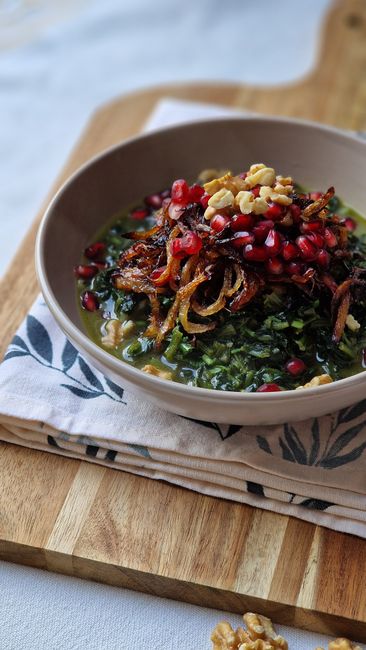
Ash-e Jow: A Comprehensive Guide to Iranian Persian Barley Soup
Ash-e Jow, often translated as Persian barley soup, is a cornerstone of Iranian cuisine, renowned for its hearty texture, wholesome ingredients, and comforting warmth. This versatile soup, which can be adapted to suit various dietary preferences and seasonal availability, offers a nutritional powerhouse and a deeply satisfying culinary experience. Its simplicity belies its complexity of flavor, a testament to the skillful layering of aromatic herbs, nourishing barley, and savory broths. From its humble origins as a peasant staple to its esteemed place on modern Iranian tables, Ash-e Jow embodies the essence of Persian comfort food. Understanding its components, preparation, variations, and cultural significance provides a gateway into a richer appreciation of Iranian culinary traditions.
The foundation of Ash-e Jow lies in its namesake ingredient: barley. Persian pearl barley, with its plump, chewy grains, absorbs flavors beautifully and contributes a substantial body to the soup. The cooking process for barley is crucial, requiring sufficient time to achieve a tender, yielding texture without becoming mushy. Often, the barley is pre-soaked to reduce cooking time and enhance digestibility. The quality of the barley itself can influence the final outcome; a good quality pearl barley will retain its shape and provide a pleasant bite. Beyond its textural contribution, barley is a nutritional marvel. It is an excellent source of dietary fiber, particularly beta-glucans, which are known for their cholesterol-lowering and blood sugar-regulating properties. It also provides a good amount of B vitamins, minerals like manganese and selenium, and complex carbohydrates for sustained energy. This inherent nutritional density is a primary reason for Ash-e Jow’s enduring popularity as a healthy and fortifying meal.
The broth forms the liquid base of Ash-e Jow and is another critical element determining its depth of flavor. Traditionally, a rich meat broth, often made from lamb or beef bones and shank, is used. This slow-simmered broth imbues the soup with a savory umami character and a satisfying richness. For a lighter version or for vegetarian and vegan preparations, vegetable broth is an excellent substitute. The choice of vegetables for the broth can significantly impact the final taste. Carrots, celery, onions, and leeks are common additions, contributing sweetness and aromatic complexity. A good broth should be seasoned judiciously throughout the cooking process, allowing the flavors to meld and intensify. Some recipes also incorporate tomato paste or crushed tomatoes into the broth, adding a subtle tanginess and a beautiful reddish hue to the soup. The quality and depth of the broth are paramount; a bland broth will result in a bland soup, regardless of the other ingredients.
Aromatic herbs are the soul of many Iranian soups, and Ash-e Jow is no exception. A generous infusion of fresh herbs provides a vibrant counterpoint to the hearty barley and rich broth. Common herb combinations include parsley, cilantro, dill, and mint. The proportions of these herbs can vary, with some recipes favoring a more dominant dill flavor, while others lean towards a brighter, more herbaceous profile from parsley and cilantro. Mint, in particular, adds a refreshing coolness that complements the warmth of the soup. Fresh herbs are typically added towards the end of the cooking process to preserve their bright color and potent aroma. Dried mint can also be used, especially in specific regional variations, and provides a different, more concentrated mint flavor. The careful selection and generous use of these herbs elevate Ash-e Jow from a simple soup to a fragrant and complex dish.
Beyond barley, broth, and herbs, Ash-e Jow often incorporates a variety of other vegetables and protein sources, leading to numerous regional and personal variations. Legumes, such as lentils, chickpeas, or kidney beans, are frequently added, further enhancing the soup’s nutritional profile and textural complexity. These legumes contribute protein, fiber, and a creamy element to the soup. Spinach or other leafy greens, like Swiss chard, are also common additions, wilting down to add color and vital nutrients. Some recipes may include diced carrots, potatoes, or even zucchini for added texture and flavor. The protein component can be as simple as the meat used in the broth, or it can include shredded chicken or even small meatballs. These variations are not merely stylistic; they reflect the availability of ingredients, regional culinary traditions, and individual family preferences, making Ash-e Jow a truly adaptable dish.
The preparation of Ash-e Jow, while not overly complicated, requires attention to detail and a methodical approach. The process typically begins with preparing the broth, either by simmering meat bones and vegetables or by creating a flavorful vegetable stock. While the broth is simmering, the barley is often rinsed and sometimes soaked. Once the broth is ready, the barley is added and cooked until it is tender. This can take anywhere from 30 minutes to over an hour, depending on the type and age of the barley. During this time, any additional legumes or heartier vegetables like carrots are also added. Towards the final stages of cooking, the fresh herbs are finely chopped and stirred in, along with any leafy greens. The soup is then seasoned to taste with salt and pepper, and sometimes a touch of turmeric for color and warmth. The consistency can be adjusted with additional broth or water if the soup becomes too thick. The art of making Ash-e Jow lies in balancing the cooking times of each ingredient so that everything is perfectly tender and the flavors are well-melded.
Serving Ash-e Jow is an experience in itself, often accompanied by a range of traditional condiments that further enhance its flavor profile. The most common accompaniment is kashk, a fermented whey product that has a thick, yogurt-like consistency and a distinctive tangy, salty flavor. Kashk is typically drizzled generously over the hot soup, creating beautiful swirls and adding a creamy, pungent dimension. Freshly squeezed lemon or lime juice is another essential accompaniment, its acidity cutting through the richness of the soup and brightening the overall taste. Dried mint, often toasted lightly in a small amount of oil, is also sprinkled over the top, adding a concentrated burst of minty aroma and flavor. Other optional garnishes can include finely chopped fresh herbs, a sprinkle of sumac for a tart, fruity note, or even a drizzle of chili oil for those who prefer a spicy kick. The interplay of these various toppings allows each diner to customize their bowl of Ash-e Jow to their personal preference.
The cultural significance of Ash-e Jow in Iran is profound. It is more than just a soup; it is a symbol of home, comfort, and tradition. It is a dish often prepared during colder months to ward off the chill, and it is frequently served to those who are unwell, its nourishing properties believed to aid in recovery. Family gatherings and special occasions often feature Ash-e Jow as a welcoming starter or a substantial part of the meal. The act of preparing and sharing this soup fosters a sense of community and connection. Its affordability and accessibility have historically made it a staple for people from all walks of life, contributing to its widespread appeal and enduring presence in the Iranian diet. The variations in recipes passed down through generations highlight the dynamic and evolving nature of Iranian cuisine, with each family contributing their unique touch to this beloved dish.
Exploring the nutritional benefits of Ash-e Jow reveals why it is such a valued part of a healthy diet. As mentioned, barley is a primary source of soluble fiber, specifically beta-glucans, which are well-documented for their ability to reduce LDL cholesterol levels and improve cardiovascular health. This fiber also contributes to feelings of fullness, making Ash-e Jow an excellent choice for weight management. The complex carbohydrates in barley provide sustained energy release, preventing blood sugar spikes and crashes. The inclusion of lean protein from meat broth or added legumes significantly enhances the soup’s protein content, essential for muscle repair and satiety. Furthermore, the diverse array of vegetables and herbs packed into Ash-e Jow provides a rich spectrum of vitamins (such as Vitamin A from carrots, Vitamin C from herbs, and B vitamins from barley) and minerals (including iron, magnesium, and potassium). The antioxidants present in the herbs and vegetables also play a crucial role in combating oxidative stress and supporting overall well-being. For those with dietary restrictions, Ash-e Jow can be readily adapted. A vegetarian or vegan version can be made using a flavorful vegetable broth and omitting any meat. Gluten-free variations can be achieved by ensuring the barley used is certified gluten-free or by substituting it with other gluten-free grains like quinoa or millet, though this will alter the traditional texture.
SEO keywords to consider for this article include: Ash-e Jow, Persian barley soup, Iranian barley soup, Iranian soup recipe, hearty barley soup, healthy Persian soup, traditional Iranian food, kashk, barley benefits, Iranian cuisine, lamb barley soup, vegetarian barley soup, gluten-free barley soup, comfort food recipe, nourishing soup. The article strategically incorporates these terms throughout the text, aiming to attract readers searching for information on this specific dish and related culinary topics. The detailed explanations of ingredients, preparation, and variations are designed to provide comprehensive answers to user queries, enhancing search engine visibility.
In conclusion, Ash-e Jow is a quintessential Iranian Persian barley soup that embodies wholesomeness, comfort, and culinary tradition. Its core components of nutrient-rich barley, flavorful broth, and aromatic herbs create a foundation for a deeply satisfying dish. The numerous variations, often enhanced by accompaniments like kashk and fresh lemon, allow for personalization and cater to diverse palates and dietary needs. Beyond its delicious taste, Ash-e Jow offers significant nutritional advantages, making it a valuable addition to a healthy diet. Its enduring popularity and cultural significance in Iran underscore its status as a cherished national treasure, a testament to the power of simple, well-prepared food to nourish both the body and the soul. Exploring and preparing Ash-e Jow offers a delicious and authentic journey into the heart of Persian gastronomy.


