
Country Cooking Slow Cooker Neck Bones

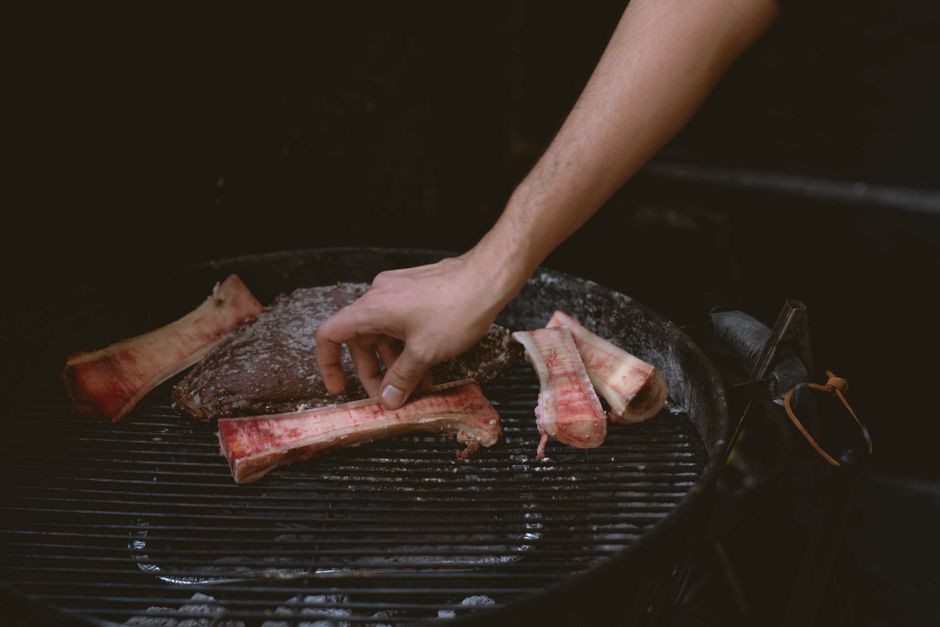
Country Cooking Slow Cooker Neck Bones: A Deep Dive into Flavor, Technique, and Comfort.
Country cooking, at its heart, is about transforming humble ingredients into soul-satisfying meals, and slow cooker neck bones exemplify this philosophy perfectly. Neck bones, often overlooked due to their bony structure and perceived lack of meat, are a treasure trove of rich, unctuous flavor when coaxed by the gentle, prolonged heat of a slow cooker. This method not only tenderizes the connective tissues, rendering them gelatinous and spoon-tender, but also allows for a deep infusion of aromatics and spices, creating a depth of flavor that is difficult to replicate through other cooking methods. The slow cooker’s inherent simplicity makes this often labor-intensive dish accessible to cooks of all skill levels, demystifying a cornerstone of Southern cuisine and making it a weeknight-friendly option. The beauty of slow cooker neck bones lies in their versatility; they can be served as a standalone savory dish, atop creamy grits, or as a foundation for a hearty stew, their rich broth adding unparalleled depth to any accompaniment. Mastering this dish unlocks a gateway to authentic, comforting, and incredibly flavorful country cooking, proving that the most delicious meals often originate from the simplest of ingredients and the most patient of cooking techniques.
The selection of quality neck bones is paramount for achieving the desired texture and flavor. Typically, pork neck bones are the preferred choice for country-style slow cooker preparations, though beef neck bones can also be utilized for a deeper, richer flavor profile. When purchasing pork neck bones, look for pieces that have a good amount of visible fat and connective tissue. These are the components that break down during the slow cooking process, contributing to the succulence and gelatinous texture of the finished dish. Avoid bones that appear overly dry or lean, as they are less likely to yield the desired tenderness and richness. Many butcher shops will offer neck bones, and it’s often beneficial to speak with your butcher about their availability and to request pieces that are suitable for slow cooking. Pre-cut neck bones are readily available in most supermarkets, usually packaged in plastic trays. When selecting these, again, prioritize those with visible marbling and a healthy layer of fat. The color of the meat should be a healthy pinkish-red, indicating freshness. Don’t be deterred by the amount of bone; it’s the collagen and fat within and around the bones that will ultimately contribute to the luxurious mouthfeel and robust flavor of your slow cooker neck bones. For those seeking an even more intense flavor, consider asking your butcher for "smoked" neck bones. The pre-smoking process adds an additional layer of savory complexity that permeates the meat as it cooks, resulting in an exceptionally flavorful dish. If smoked neck bones are not available, you can achieve a similar smoky note by adding a bit of liquid smoke or smoked paprika to your slow cooker. The key is to recognize that the bone itself is a flavor vehicle, and its composition directly influences the final outcome.
Preparing the neck bones for the slow cooker is a crucial step that significantly impacts the final flavor and appearance of the dish. While some recipes call for simply placing the raw bones into the slow cooker, a more nuanced approach involves a preliminary searing or browning process. This step, often referred to as the Maillard reaction, is essential for developing deep, complex flavors that will permeate the entire dish. It’s during this browning phase that the sugars and amino acids on the surface of the meat react under heat, creating hundreds of new flavor compounds. To achieve this, thoroughly pat the neck bones dry with paper towels. Moisture on the surface will steam the meat rather than allowing it to brown. Heat a tablespoon or two of a neutral high-smoke-point oil, such as canola or vegetable oil, in a heavy-bottomed skillet or Dutch oven over medium-high heat. Once the oil is shimmering, carefully add the neck bones in batches, ensuring not to overcrowd the pan. Overcrowding will steam the bones, preventing proper browning. Sear each side of the bones until they are deeply browned and caramelized. This browning process should take several minutes per side. The darker the brown, the more intense the flavor. Don’t be alarmed by any browned bits stuck to the bottom of the pan; these are called "fond" and are packed with flavor. After searing, transfer the browned neck bones directly into your slow cooker. This fond can be deglazed with a small amount of liquid (such as water, broth, or even a splash of vinegar) and poured into the slow cooker to further enhance the broth. If time is a significant constraint, you can omit the searing step, but the depth of flavor will be noticeably diminished. For those who are health-conscious, you can opt to trim some of the excess fat from the neck bones before searing, though remember that fat is a significant flavor carrier in this dish.
The liquid base for slow cooker neck bones is fundamental to creating a rich, savory broth. While water can be used, employing a flavorful liquid will elevate the dish considerably. Beef broth or stock is an excellent choice, providing a robust foundation that complements the richness of the pork neck bones. Chicken broth can also be used, offering a lighter yet still flavorful base. For an even more authentic country flavor, consider using a combination of beef and chicken broth. The amount of liquid required will depend on the size of your slow cooker and the quantity of neck bones. Generally, you want enough liquid to partially submerge the bones, allowing them to braise in the flavorful liquid without being completely covered. A common ratio is to add enough liquid so that it comes about two-thirds of the way up the bones. Beyond broth, consider adding a splash of Worcestershire sauce, which contributes umami and depth, or a tablespoon of soy sauce for a similar effect. A splash of apple cider vinegar can also help to tenderize the meat and add a subtle tang that cuts through the richness. Some recipes also incorporate a bit of tomato paste or diced tomatoes, which add body and a slight sweetness to the broth. Ultimately, the liquid base is an opportunity to tailor the flavor profile to your preferences. Experiment with different broths and additions to discover your ideal slow cooker neck bone liquid.
Aromatic vegetables are the backbone of any flavorful country cooking dish, and slow cooker neck bones are no exception. These humble ingredients, when slowly simmered, release their essential oils and sweeten, infusing the entire dish with their essence. The classic trinity of aromatics – onion, celery, and garlic – forms a crucial foundation. One large yellow onion, roughly chopped, will provide a sweet, savory base. Two to three ribs of celery, also roughly chopped, add a subtle herbaceous note and contribute to the overall complexity of the broth. For garlic, at least 4-6 cloves, minced or roughly chopped, are recommended. Don’t be shy with the garlic; its pungent flavor mellows significantly during slow cooking, leaving behind a sweet, aromatic essence. Beyond these staples, consider adding other complementary vegetables. Carrots, chopped into substantial pieces, will add sweetness and color. A bay leaf, added to the slow cooker, imparts a subtle herbal aroma that is characteristic of slow-cooked dishes. For a touch of earthiness, some cooks include a parsnip. If you enjoy a bit of heat, a finely chopped jalapeño or a pinch of red pepper flakes can be added. The key to incorporating these aromatics is to ensure they are cut into pieces that will hold their shape during the prolonged cooking time, or to mince them finely if you desire their flavor to be more fully integrated into the broth. Remember that the slow cooker is a forgiving environment, so precise chopping is not always necessary. The goal is to release their flavors gradually and build layers of taste.
Spices are essential for transforming simple neck bones into a truly memorable country dish. The classic flavor profile often leans towards savory and slightly peppery notes. Salt and freshly ground black pepper are non-negotiable. Generously season the neck bones with both before they go into the slow cooker. Beyond the basics, consider incorporating a blend of dried herbs and spices. Smoked paprika is a fantastic addition, imparting a smoky depth and a subtle sweetness that mimics the flavor of pre-smoked meat. A teaspoon or two of dried thyme adds an earthy, slightly minty note that pairs beautifully with pork. For a touch of warmth and complexity, consider a pinch of ground allspice or a few whole allspice berries. A pinch of dried sage can also contribute a distinctive herbaceous character. Some recipes include a touch of cayenne pepper for a subtle kick that awakens the palate. If you prefer a more pronounced peppery flavor, a tablespoon of whole peppercorns, added to the slow cooker, will release their oils gradually. For those seeking a more robust, "country" flavor, consider adding a sprig or two of fresh rosemary. Be mindful not to overdo it with strong spices; the goal is to enhance the natural flavor of the neck bones, not to overpower them. Taste the broth towards the end of the cooking time and adjust seasonings as needed. The slow cooker allows for the spices to meld and mature, creating a harmonious flavor profile.
The cooking process in a slow cooker is where the magic happens, transforming tough cuts of meat into tender, fall-off-the-bone delights. For slow cooker neck bones, the low and slow approach is paramount. Set your slow cooker to the "low" setting. This setting is crucial for breaking down the connective tissues and rendering the fat without drying out the meat. The typical cooking time for neck bones on the low setting is between 6 to 8 hours. However, this can vary depending on the size and thickness of the neck bones, as well as the specific model of your slow cooker. The indicator for doneness is when the meat is exceptionally tender and easily pulls away from the bone with a fork. You should be able to pierce the meat with minimal resistance. Resist the urge to stir the contents of the slow cooker too frequently, as this can disrupt the cooking process and release heat. The lid should remain on for the majority of the cooking time to maintain a consistent temperature and moisture level. If, after 6 hours, the meat is still not tender, continue cooking on low, checking periodically. Some individuals may opt to cook on the "high" setting, but this is generally not recommended for neck bones as it can lead to tougher meat and a less desirable texture. If you are in a time crunch and must use the high setting, reduce the cooking time to 3 to 4 hours, but monitor closely for tenderness. The objective is to achieve a melt-in-your-mouth consistency, and patience on the low setting is the most reliable method.
Serving and enjoying slow cooker neck bones opens up a world of comforting culinary possibilities. The rich, gelatinous broth that results from this slow cooking process is a flavor powerhouse. One of the most classic and beloved accompaniments is creamy, stone-ground grits. The porous nature of the grits readily absorbs the savory broth, creating a harmonious pairing. Buttered white rice is another excellent choice, serving as a simple yet effective vehicle for soaking up the flavorful juices. For a heartier meal, consider serving the neck bones and their broth over mashed potatoes. The creamy texture of the potatoes complements the tender meat beautifully. Many enjoy them as a standalone dish, relishing the unctuous meat and its accompanying broth. Beyond simple starch bases, slow cooker neck bones can be transformed into other dishes. They can be removed from the bones, shredded, and incorporated into a hearty stew with additional vegetables like potatoes, carrots, and peas. The shredded meat can also be used in a savory hash. For a touch of acidity to cut through the richness, a dollop of your favorite hot sauce is a popular accompaniment. Pickled onions or a simple side of collard greens can also provide a refreshing contrast. The versatility of this dish is a testament to its foundational nature in country cooking. The rich, savory broth is the star, and it pairs wonderfully with a wide array of comforting sides. Remember to taste the broth before serving and adjust seasoning as needed. A final sprinkle of fresh parsley or chives can add a touch of color and freshness. The true joy of slow cooker neck bones lies in their ability to be both a simple, satisfying meal in themselves and a building block for even more complex and comforting dishes.


