Slow Cooker Leg Of Lamb
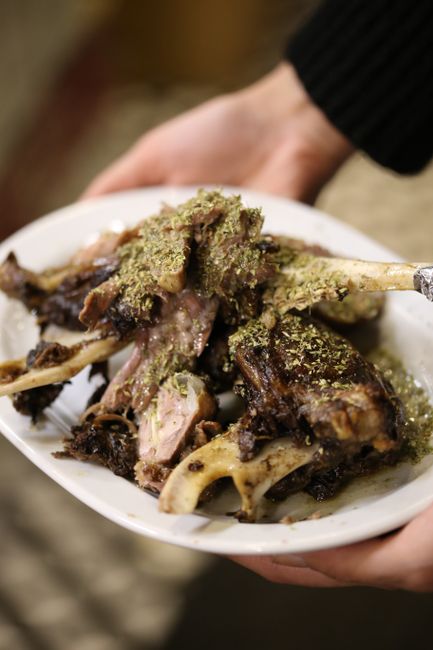
Slow Cooker Leg of Lamb: An In-Depth Guide to Tender, Flavorful Results
Achieving a remarkably tender and deeply flavorful leg of lamb doesn’t necessitate hours of active kitchen time or specialized equipment. The slow cooker, a humble yet powerful kitchen appliance, unlocks a world of effortless culinary excellence for this classic roast. This comprehensive guide delves into the science and technique behind slow cooker leg of lamb, offering practical advice, ingredient suggestions, and troubleshooting tips to ensure success every time. We will explore the optimal cuts, essential flavor profiles, cooking times, and serving suggestions, all designed to maximize taste and minimize effort, making it an ideal choice for busy home cooks and aspiring chefs alike. The slow cooker’s gentle, consistent heat breaks down the tough connective tissues in lamb, transforming a potentially chewy cut into melt-in-your-mouth deliciousness. This method is particularly effective for larger cuts like a leg of lamb, allowing them to become incredibly succulent without drying out. The low and slow cooking process also allows marinades and aromatics to deeply penetrate the meat, resulting in a complex and satisfying flavor profile. Furthermore, the hands-off nature of slow cooking frees up your oven for other dishes or simply allows you more time to relax before a meal.
Selecting the Right Cut: Bone-In vs. Boneless Leg of Lamb for Slow Cooking
The choice between a bone-in and boneless leg of lamb for slow cooking significantly impacts both the cooking process and the final texture and flavor. Bone-in legs offer distinct advantages for slow cooking. The bone itself acts as a natural insulator, helping to distribute heat more evenly throughout the roast and contributing to a more succulent and moist outcome. Furthermore, the marrow within the bone releases rich, gelatinous flavors into the cooking liquid, imbuing the lamb with a deeper, more complex taste. This is particularly beneficial in a slow cooker where the liquid environment can be easily flavored. For slow cooking, a bone-in leg typically requires a slightly longer cooking time compared to its boneless counterpart due to the added density and the need for heat to penetrate around the bone. The bone also provides a helpful handle for removing the roast from the slow cooker once cooked. On the other hand, boneless legs of lamb are more convenient to prep and serve. They are often tied, making them a more compact roast that fits easily into most slow cooker inserts. Boneless lamb will cook more quickly as there is no bone to impede heat penetration. However, without the bone, there’s a slight reduction in the depth of flavor that can be achieved from the marrow. If opting for a boneless leg, it’s crucial to ensure it is well-tied or netted to maintain its shape during the long cooking process, preventing it from falling apart into stringy pieces. Both cuts will yield tender results in the slow cooker, but the bone-in offers a subtle edge in terms of deep flavor and moisture retention. For a truly impressive flavor profile, consider a bone-in leg.
Essential Aromatics and Flavor Enhancements for Slow Cooker Lamb
The beauty of slow cooker leg of lamb lies in its ability to absorb and concentrate flavors. A well-chosen combination of aromatics and seasonings can elevate a simple roast into a culinary masterpiece. Garlic is almost non-negotiable for lamb. Whole cloves, or even halved heads, can be scattered around the roast, their sweetness intensifying and mellowing as they cook. Rosemary and thyme are classic pairings with lamb, their robust, herbaceous notes cutting through the richness of the meat. Fresh sprigs are ideal, as their essential oils are released slowly throughout the cooking process. Other complementary herbs include oregano, marjoram, and even a hint of mint, particularly if serving with a traditional mint sauce or jelly. For a Mediterranean-inspired flavor profile, consider incorporating lemon, both the zest and wedges of the fruit. The acidity of the lemon brightens the lamb and tenderizes it further. Onions, whether white, yellow, or red, provide a foundational sweetness and depth to the cooking liquid. Sliced or quartered, they will soften and meld into the sauce. For a richer, more savory base, consider adding a splash of red wine, beef broth, or chicken broth. These liquids not only contribute flavor but also ensure there is sufficient moisture for the slow cooking process, preventing the lamb from drying out. A tablespoon or two of Worcestershire sauce can add a umami punch. For a touch of sweetness and complexity, consider adding a bay leaf or two, or even a small amount of honey or brown sugar, particularly if creating a glaze or a sweeter sauce. Don’t underestimate the power of salt and freshly ground black pepper; they are the essential building blocks for any flavorful dish, ensuring all other ingredients shine.
Prepping the Lamb: Searing and Seasoning for Optimal Results
While the slow cooker is designed for low-effort cooking, a crucial preparatory step can significantly enhance the final texture and flavor of your leg of lamb: searing. Searing the lamb on all sides before placing it in the slow cooker creates a Maillard reaction, a chemical process that develops complex browning and an intensely savory crust. This browning is not just for aesthetics; it adds a significant depth of flavor that cannot be replicated by slow cooking alone. To sear, heat a tablespoon or two of high-smoke-point oil (like canola, grapeseed, or avocado oil) in a large skillet or Dutch oven over medium-high heat. Pat the leg of lamb completely dry with paper towels – this is critical for achieving a good sear. Generously season the lamb all over with salt and freshly ground black pepper. If using, rub any desired marinades or spice rubs into the meat. Carefully place the lamb in the hot skillet and sear for 2-3 minutes per side, ensuring each surface develops a rich, golden-brown crust. Don’t overcrowd the pan; sear in batches if necessary. Once seared, remove the lamb from the skillet and place it in your slow cooker insert.
The slow cooker itself is where the magic happens. Place the seared leg of lamb into the insert of your slow cooker. Arrange your chosen aromatics around and on top of the lamb. Pour in your chosen cooking liquid, ensuring it comes up about one-third to halfway the side of the roast. This creates a humid environment essential for tenderizing the meat without drowning it. The liquid will also absorb the flavors from the lamb and aromatics, forming a delicious jus or gravy.
Cooking Times and Temperatures: Achieving Fork-Tender Lamb
Slow cooker leg of lamb is all about patience. The low and slow cooking process is key to breaking down connective tissues and achieving that coveted fork-tender texture. The typical cooking times will vary depending on the size of your leg of lamb, whether it’s bone-in or boneless, and the specific settings on your slow cooker. Generally, cooking on the "low" setting is preferred for a more gradual and even tenderization.
For a bone-in leg of lamb weighing approximately 4-5 pounds, expect a cooking time of 8-10 hours on the "low" setting. If you are in a hurry, you can cook it on the "high" setting, but this will likely take 4-5 hours and might result in a slightly less tender, though still enjoyable, outcome. It’s crucial to monitor the internal temperature of the lamb to ensure it has reached a safe and tender state. For a truly tender, falling-off-the-bone texture, aim for an internal temperature of around 195-205°F (90-96°C). Use a meat thermometer inserted into the thickest part of the meat, avoiding the bone if it’s a bone-in roast.
For a boneless leg of lamb of a similar weight, the cooking time on "low" might be slightly shorter, around 7-9 hours, and on "high" around 3-4 hours. Again, the internal temperature is the most reliable indicator of doneness. Remember that slow cooker temperatures can vary, so these are general guidelines. It’s better to err on the side of caution and cook longer if needed. Overcooked lamb in a slow cooker is less likely to be dry and tough than overcooked lamb from a conventional oven. The key is to let the slow cooker do its work.
Resting the Lamb: The Final Step to Ultimate Tenderness
Just as crucial as the cooking process is the resting period after the lamb has finished cooking. Once the lamb has reached its desired internal temperature, carefully remove it from the slow cooker. Place it on a clean cutting board and tent it loosely with aluminum foil. This resting period allows the juices, which have been pushed to the center of the meat during cooking, to redistribute back throughout the roast. If you were to slice the lamb immediately after cooking, those precious juices would run out, leaving the meat drier and less flavorful. Allow the leg of lamb to rest for at least 15-20 minutes. For a larger roast, 25-30 minutes is even better. This seemingly simple step makes a significant difference in the succulence and overall enjoyment of the dish. While the lamb is resting, you can prepare your gravy or pan sauce from the flavorful cooking liquid remaining in the slow cooker.
Serving Suggestions and Gravy/Sauce Creation
The tender, succulent slow cooker leg of lamb is incredibly versatile and pairs well with a wide range of accompaniments. Traditional pairings include roasted root vegetables like potatoes, carrots, parsnips, and sweet potatoes. Creamy mashed potatoes are a classic choice that soaks up the delicious pan juices beautifully. Green beans, asparagus, or a simple side salad can offer a fresh counterpoint to the richness of the lamb.
Creating a rich and flavorful gravy or pan sauce from the slow cooker liquid is a highlight of this dish. Carefully strain the cooking liquid from the slow cooker into a saucepan. Skim off any excess fat from the surface. If the liquid is too thin, you can thicken it by creating a slurry of cornstarch or flour mixed with a little cold water, then whisking it into the simmering liquid until it reaches your desired consistency. Season the gravy to taste with salt and pepper. For an even richer flavor, you can deglaze the skillet used for searing the lamb by adding a splash of wine or broth to capture any browned bits stuck to the bottom.
Consider serving your slow cooker leg of lamb with a classic mint sauce or jelly, a testament to the traditional partnership between lamb and mint. A dollop of horseradish cream or a tangy red currant jelly also makes excellent accompaniments. For a more elaborate meal, consider serving it alongside a risotto or a creamy polenta. The possibilities are endless, and the rich, tender lamb provides a luxurious base for a variety of flavors.
Troubleshooting Common Slow Cooker Lamb Issues
Even with the forgiving nature of slow cooking, occasional issues can arise. One common concern is the lamb not being tender enough. This usually points to insufficient cooking time. Lamb needs time for its connective tissues to break down. If your lamb isn’t tender after the recommended cooking time, simply return it to the slow cooker and continue cooking, checking the internal temperature periodically. Another issue can be a lack of flavor. This often stems from insufficient seasoning or not using enough aromatics. Ensure you’re generous with salt, pepper, herbs, and garlic. Don’t be afraid to add a good quality broth or a splash of wine to the cooking liquid. If your lamb turns out a bit dry, it might be that the liquid level was too low, or the slow cooker is running hotter than usual. Ensure there’s always at least a few inches of liquid in the slow cooker. If the liquid is too salty, you can try diluting it with a little water or unsalted broth before making your gravy. Finally, if your slow cooker is overflowing, reduce the amount of liquid you add to the insert. Most slow cookers are not meant to be filled to the very brim.
Conclusion: Effortless Excellence with Slow Cooker Leg of Lamb
The slow cooker leg of lamb transcends the perception of a simple, budget-friendly meal. It represents a sophisticated approach to cooking that prioritizes deep flavor, unparalleled tenderness, and remarkable ease. By understanding the nuances of cut selection, flavor building, and cooking methodology, you can consistently achieve a restaurant-quality roast with minimal active kitchen effort. The ability to prepare a centerpiece meal that is both impressive and practically hands-off makes the slow cooker an indispensable tool for any home cook. From intimate family dinners to larger gatherings, this method of preparing leg of lamb offers a reliable and delicious solution. Embracing the slow cooker for this classic cut unlocks a new level of culinary convenience without compromising on taste or texture, making it a staple for busy weeknights and stress-free entertaining. The inherent moisture retention and even heat distribution of the slow cooker ensure that even less experienced cooks can achieve perfectly cooked, succulent lamb every time, cementing its place as a go-to recipe for delicious and satisfying meals.