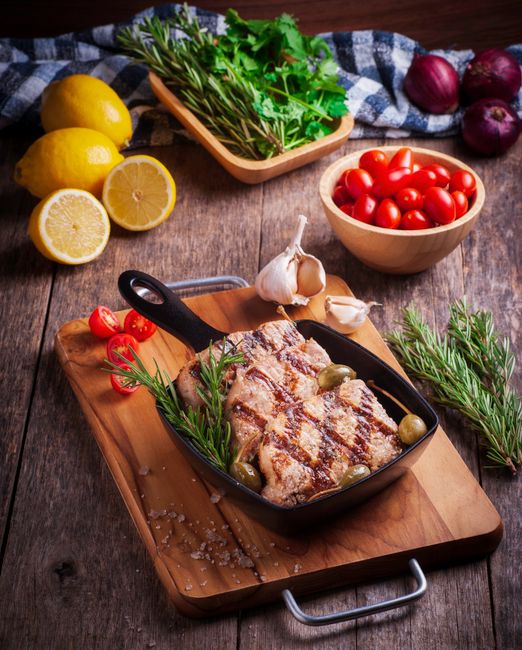
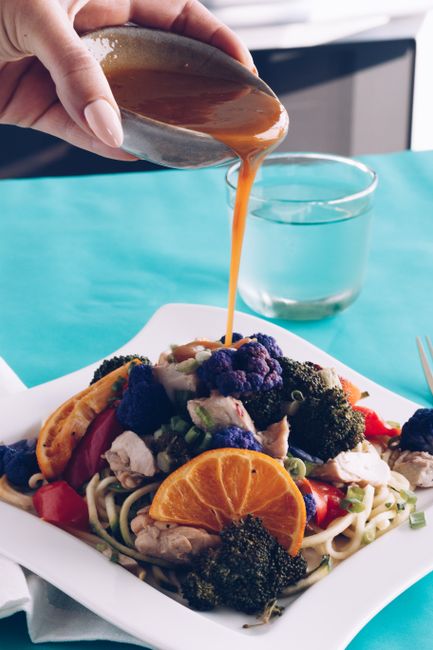
Pan Fried Pork Chops With Sweet Bbq Sauce

Pan-Fried Pork Chops with Sweet BBQ Sauce: A Culinary Masterclass
Pan-fried pork chops, when executed with precision and paired with a delectable sweet BBQ sauce, represent a cornerstone of accessible yet incredibly satisfying home cooking. This method elevates a humble cut of meat into a flavorful, tender centerpiece, perfect for weeknight dinners and weekend entertaining alike. The key lies in understanding the nuances of pan-frying pork chops – achieving that perfect sear, maintaining moisture, and allowing the inherent pork flavor to shine through before it’s enhanced by the rich sweetness of a well-crafted BBQ sauce. This article will delve into the intricacies of this culinary combination, from selecting the optimal pork cut to mastering the pan-frying technique and exploring variations of the sweet BBQ sauce, ensuring a truly exceptional dining experience.
Selecting the Right Pork Chop for Pan-Frying
The foundation of outstanding pan-fried pork chops begins with an astute selection of the cut. For pan-frying, bone-in pork chops are generally preferred due to the bone’s ability to conduct heat and contribute to a more even cooking process, while also adding a depth of flavor. The ideal thickness for pan-fried pork chops is between ¾ inch and 1.5 inches. Thinner chops are prone to overcooking and drying out, while excessively thick chops can be challenging to cook through evenly in a pan without burning the exterior. Among bone-in options, the rib chop, also known as the ribeye chop, is a prime choice. It boasts excellent marbling, meaning it has intramuscular fat that melts during cooking, resulting in a juicy and tender chop. The loin chop, or porterhouse chop, featuring both the tenderloin and the loin, is another excellent contender, offering a luxurious texture and rich flavor. Bone-in center-cut loin chops strike a balance between the richness of the rib chop and the tenderness of the loin. When choosing boneless chops, opt for boneless loin chops or boneless ribeye chops, again prioritizing cuts with good marbling and a thickness of at least ¾ inch. Avoid pre-marinated pork chops for pan-frying, as the added moisture and seasonings can interfere with achieving a proper sear. Look for chops with a bright pinkish-red color, firm texture, and no excessive sliminess. Proper storage after purchase is crucial; refrigerate pork chops immediately and use them within 1-2 days for optimal freshness.
The Art of Pan-Frying Pork Chops: Achieving a Perfect Sear
The technique of pan-frying pork chops is not merely about applying heat; it’s a controlled process designed to develop a caramelized crust while preserving the internal succulence. Begin by patting the pork chops thoroughly dry with paper towels. This crucial step removes surface moisture, which is essential for achieving a proper sear. Moisture inhibits browning, leading to steaming rather than searing, and a less appealing texture. Season the dry pork chops generously on both sides with salt and freshly ground black pepper just before cooking. Some chefs advocate for seasoning well in advance to allow salt to penetrate the meat, but for pan-frying, a last-minute seasoning prevents the salt from drawing out too much moisture.
The choice of fat for pan-frying is also important. A high smoke point oil such as canola oil, vegetable oil, or grapeseed oil is recommended. Olive oil, especially extra virgin, has a lower smoke point and can burn, imparting an undesirable flavor. A tablespoon or two of this chosen oil should be heated in a heavy-bottomed skillet, such as cast iron or stainless steel, over medium-high heat. The pan should be hot enough that a drop of water sizzles and evaporates immediately.
Once the oil is shimmering, carefully lay the seasoned pork chops into the hot skillet, ensuring not to overcrowd the pan. Overcrowding lowers the pan temperature, leading to steaming instead of searing, and will result in pale, unappealing chops. Cook the chops for 3-5 minutes per side, depending on their thickness and desired doneness. Resist the urge to move the chops during this initial searing phase; allow them to develop a deep golden-brown crust undisturbed. This crust is a flavor powerhouse.
After the initial sear, reduce the heat to medium. If using bone-in chops, the bone side can be placed down for a portion of the cooking time to ensure even heat distribution. Continue to cook, flipping the chops occasionally, until they reach the desired internal temperature. For medium-rare, aim for 135-140°F (57-60°C); for medium, 140-145°F (60-63°C); and for medium-well, 145-150°F (63-66°C). Pork is safe to consume at 145°F, and allowing it to rest will bring it up to this temperature. A meat thermometer is an invaluable tool for ensuring perfect doneness and preventing overcooking.
After cooking, remove the pork chops from the skillet and let them rest on a clean plate or cutting board for at least 5-10 minutes. This resting period is critical. During cooking, the juices are pushed to the center of the meat. Resting allows these juices to redistribute throughout the chop, resulting in a significantly more tender and moist final product. Covering the chops loosely with foil during resting can help maintain their warmth.
The Sweet BBQ Sauce: A Complementary Element
The sweet BBQ sauce is the crowning glory of this dish, transforming the simply pan-fried pork chop into a flavorful experience. While store-bought sauces are convenient, crafting a homemade sweet BBQ sauce offers superior flavor and control over ingredients. A basic yet highly effective sweet BBQ sauce typically includes a tomato-based component, a sweetener, an acid, and a range of aromatics and spices.
Key ingredients for a classic sweet BBQ sauce often include:
- Tomato Base: Ketchup is the most common and convenient base, providing both tomato flavor and a touch of vinegar and sweetness. Tomato paste can add a richer, more concentrated tomato flavor.
- Sweetener: Brown sugar is a staple, offering molasses notes and a deep, caramel-like sweetness. Honey or maple syrup can also be used for nuanced sweetness.
- Acid: Apple cider vinegar is a popular choice, providing a bright tang that balances the sweetness and richness. White vinegar or even lemon juice can be substituted.
- Savory/Umami: Worcestershire sauce is essential for its complex savory, tangy, and slightly spicy notes. Soy sauce can also contribute umami.
- Spices & Aromatics: Onion powder, garlic powder, paprika (smoked or sweet), black pepper, and a pinch of cayenne pepper for a hint of heat are common. Mustard powder can add a subtle pungency.
Simple Sweet BBQ Sauce Recipe:
In a saucepan, combine:
- 1 cup ketchup
- ¼ cup packed brown sugar
- 2 tablespoons apple cider vinegar
- 1 tablespoon Worcestershire sauce
- 1 teaspoon onion powder
- 1 teaspoon garlic powder
- ½ teaspoon smoked paprika
- ¼ teaspoon black pepper
- Pinch of cayenne pepper (optional)
Whisk all ingredients together over medium heat. Bring to a simmer, then reduce heat to low and let it cook gently for 10-15 minutes, stirring occasionally, to allow the flavors to meld and the sauce to thicken slightly. Taste and adjust seasonings as needed – more vinegar for tang, more sugar for sweetness, or more spice for heat.
Applying the Sweet BBQ Sauce:
There are several effective ways to incorporate the sweet BBQ sauce with pan-fried pork chops.
- Glazing during the final minutes of cooking: During the last 2-3 minutes of pan-frying, brush a generous amount of the sweet BBQ sauce onto both sides of the pork chops. Return them to the pan to allow the sauce to caramelize and adhere to the meat. This method creates a sticky, flavorful glaze.
- Sauce served on the side: For those who prefer a less saucy chop or want to control the amount of sauce, serve the pan-fried pork chops alongside a ramekin of warm sweet BBQ sauce for dipping.
- Finishing sauce after resting: After the pork chops have rested, you can gently warm some additional BBQ sauce in the skillet and then return the chops to the pan for a quick toss, coating them in the warm sauce.
Variations on Sweet BBQ Sauce:
The beauty of homemade BBQ sauce lies in its adaptability. Consider these variations to tailor the flavor profile:
- Spicy Sweet BBQ: Increase the cayenne pepper, add a dash of hot sauce, or even a finely minced jalapeño pepper to the sauce.
- Smoky Sweet BBQ: Utilize smoked paprika, add a touch of liquid smoke (use sparingly!), or incorporate a tablespoon of chipotle peppers in adobo sauce.
- Fruity Sweet BBQ: Incorporate fruit purees like peach, pineapple, or raspberry into the base for a sweeter, more complex flavor.
- Bourbon Sweet BBQ: Add a splash of bourbon to the sauce during simmering for a rich, slightly boozy depth of flavor.
Pairings and Side Dishes
Pan-fried pork chops with sweet BBQ sauce are incredibly versatile and pair well with a wide array of side dishes that complement their rich and savory profile.
- Classic Comfort: Creamy mashed potatoes, macaroni and cheese, coleslaw (creamy or vinegar-based), baked beans, and cornbread are traditional and highly satisfying accompaniments.
- Fresh & Vibrant: A crisp green salad with a vinaigrette, grilled corn on the cob, roasted Brussels sprouts, or a fresh tomato and avocado salad provide a refreshing contrast.
- Hearty Starches: Roasted sweet potatoes, seasoned rice pilaf, or a simple baked potato are also excellent choices.
When serving, ensure the pork chops are still warm and have retained their juices. Drizzle with additional sauce if desired, and present with your chosen accompaniments.
Troubleshooting Common Issues
- Dry Pork Chops: This is often due to overcooking or not allowing the chops to rest. Use a meat thermometer diligently and always rest the meat. Selecting a thicker cut (¾ to 1.5 inches) also helps.
- Lack of Sear: Ensure the pan is sufficiently hot and the pork chops are thoroughly dry before cooking. Avoid overcrowding the pan.
- Tough Pork Chops: Overcooking is the primary culprit. Proper resting is also essential for tenderness. Choosing a well-marbled cut also contributes to a more tender result.
- Sauce Burning: If glazing in the pan, reduce the heat to low when adding the sauce to prevent it from burning due to its sugar content. Alternatively, serve the sauce on the side.
By understanding the principles of selecting the right cut, mastering the pan-frying technique, and appreciating the role of a well-balanced sweet BBQ sauce, you can consistently produce delicious and satisfying pan-fried pork chops that will become a regular in your culinary repertoire. This dish offers a perfect blend of simple preparation and exceptional flavor, making it a true crowd-pleaser.