
Homemade Sweet Italian Sausage Mild Or Hot

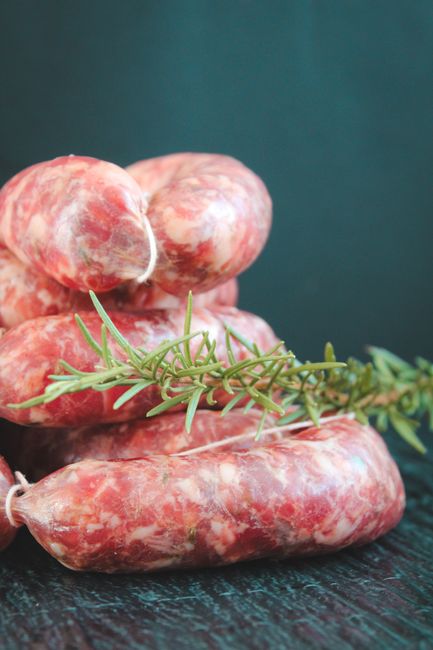
Crafting Homemade Sweet Italian Sausage: A Culinary Deep Dive into Mild and Hot Perfection
The allure of homemade Italian sausage, whether its mild, sweet embrace or its fiery, hot kick, lies in its unparalleled flavor and the satisfaction of creating it from scratch. Beyond the grocery store cellophane, lies a world of customization and superior taste, achievable with basic ingredients and a willingness to get your hands a little dirty. This article will guide you through the process of making both mild and hot sweet Italian sausage, covering ingredient selection, grinding, seasoning, casing, and crucial storage techniques. Understanding the nuances of fat content, spice levels, and the curing process (though we’ll focus on fresh sausage here) will empower you to create a truly artisanal product that elevates any dish.
The foundation of any great sausage is high-quality pork. For both mild and hot Italian sausage, a blend of pork shoulder (Boston butt) and pork belly is ideal. The shoulder provides the necessary meat for structure and flavor, while the belly contributes essential fat. Fat is not the enemy in sausage making; it’s the key to moisture, tenderness, and the rich mouthfeel that defines exceptional sausage. Aim for a pork blend that is approximately 20-30% fat. If your pork shoulder is lean, you may need to supplement with additional pork belly or even a small amount of pork fatback. For those seeking a leaner sausage, it’s crucial to understand that the texture and moisture retention will be compromised, potentially leading to a drier, crumbly product. When sourcing your pork, opt for fresh, never frozen, cuts from a reputable butcher. This ensures optimal quality and reduces the risk of freezer burn affecting the final taste and texture. Grinding your own pork is a significant advantage. Pre-ground pork often contains a higher percentage of trimmings and can be less consistently fatty. Grinding fresh cuts allows you complete control over the fat-to-meat ratio and the coarseness of the grind.
The grinding process itself is critical to the final texture of your sausage. You’ll need a meat grinder. Manual grinders are effective but labor-intensive. Electric grinders, particularly those with multiple grinding plates, offer greater convenience and speed. For Italian sausage, a medium grind is generally preferred, yielding a satisfying bite without being overly pasty. This typically corresponds to using the 1/4-inch (6mm) grinding plate. Some prefer a coarser grind (1/2-inch or 10mm plate) for a more rustic texture, and this is entirely a matter of personal preference. To achieve the best grind, the pork should be thoroughly chilled, almost frozen, before being passed through the grinder. This makes the meat firmer and easier to grind, preventing it from becoming mushy. You can grind the pork twice for a finer texture if desired, but for classic Italian sausage, a single medium grind is usually sufficient. Keep your grinding plates and grinder parts chilled in the freezer before use to further aid in a clean, efficient grind.
The heart of any Italian sausage lies in its seasoning. This is where the distinction between mild and hot truly emerges. For Sweet Italian Sausage (Mild), the flavor profile is characterized by its aromatic herbs and a gentle warmth. The core ingredients include:
- Salt: Essential for flavor and preservation. A common starting point is 1.5-2% of the total weight of the meat. For 5 pounds of pork, this would be approximately 1.2-1.5 ounces of salt. Use fine sea salt or kosher salt.
- Black Pepper: Freshly ground black pepper provides a classic savory note. Start with 1 teaspoon per pound of pork.
- Fennel Seed: This is the quintessential herb of Italian sausage. Its sweet, anise-like flavor is indispensable. Toasting the fennel seeds lightly in a dry pan before grinding them intensifies their aroma and flavor. Use 1-2 tablespoons of whole fennel seeds per pound of pork. Grind them just before adding to the meat.
- Garlic: Freshly minced garlic is crucial. Aim for 2-3 cloves per pound of pork.
- Sugar: A touch of sugar balances the savory and herbal notes and contributes to browning during cooking. 1-2 teaspoons of granulated sugar per pound of pork is a good starting point.
- Red Pepper Flakes (Optional, for a hint of warmth): Even in mild sausage, a tiny pinch of red pepper flakes can add subtle complexity without significant heat. ¼ teaspoon per pound is a very mild addition.
For Hot Italian Sausage, the key ingredient that differentiates it from its mild counterpart is a more generous application of chili peppers. The base seasonings remain similar, but the heat is amplified.
- Salt, Black Pepper, Fennel Seed, Garlic, and Sugar: Use the same proportions as for mild Italian sausage.
- Red Pepper Flakes: This is where the heat is generated. For a noticeably hot sausage, you’ll want to increase the red pepper flakes significantly. Start with 1-2 teaspoons per pound of pork, and adjust to your desired level of spiciness. You can also experiment with different types of chili flakes, such as Calabrian chili flakes, for a more nuanced heat.
- Cayenne Pepper (Optional): For an even bolder heat, a small amount of cayenne pepper can be added, typically ½ teaspoon per pound of pork, but use with caution.
It’s imperative to weigh your ingredients for accurate seasoning, especially salt. Using volumetric measurements for salt can lead to inconsistent results. Digital kitchen scales are invaluable for this process. When adding spices, grind your fennel seeds and black pepper just before mixing to maximize their aromatic compounds. Mince your garlic very finely or use a garlic press.
Mixing the ingredients thoroughly is paramount. Once your pork is ground, spread it out on a clean baking sheet or in a large bowl. Sprinkle your weighed seasonings evenly over the meat. Then, using your hands (chilled, if possible), gently work the seasonings into the meat. Avoid overmixing, which can lead to a tough, dense sausage. The goal is to distribute the spices evenly without developing the protein structure too much. A good technique is to gently toss and fold the meat until the seasonings are no longer visible as distinct particles. For the best flavor development, it’s recommended to chill the seasoned meat mixture for at least a few hours, or even overnight, allowing the flavors to meld and penetrate the pork. This resting period is a crucial step that significantly enhances the final taste.
The next step involves the choice between fresh sausage (cooked immediately) or stuffing into casings for longer storage and a more traditional presentation. For fresh sausage, simply form the seasoned meat into patties or loose meat for use in dishes like pasta sauces, omelets, or pizza toppings. If you opt for casings, you’ll need natural hog casings. These are readily available from butcher shops or online specialty stores. Before stuffing, the casings must be thoroughly rinsed and soaked in warm water to rehydrate them and remove any salt used for preservation. It’s also a good practice to test a small portion of your seasoned meat for flavor before stuffing by frying a small patty. This allows you to adjust the seasoning levels if necessary.
Stuffing the sausage into casings requires a sausage stuffer attachment for your meat grinder or a dedicated sausage stuffer. This process can be a bit messy but is rewarding. Once the casing is threaded onto the stuffer’s nozzle, begin feeding the seasoned meat into the stuffer. Apply gentle, consistent pressure to fill the casing evenly. Avoid overfilling, as this can cause the casings to burst during cooking. As you fill, twist the casing at regular intervals to create individual links. The size of these links is a matter of preference. For even cooking, try to keep the links consistent in size. If air pockets form, you can prick them with a sterilized needle and gently squeeze out the air. This helps prevent the sausage from exploding during cooking.
After stuffing, your fresh Italian sausage is ready to be cooked and enjoyed. If you are not cooking it immediately, proper storage is essential. Fresh, uncased sausage can be stored in an airtight container in the refrigerator for 2-3 days. If you’ve stuffed it into casings, it can typically be stored for 3-5 days in the refrigerator. For longer storage, freezing is the best option. Wrap the sausage links tightly in plastic wrap, then in foil or a freezer bag, removing as much air as possible to prevent freezer burn. Properly frozen sausage will maintain its quality for 2-3 months.
Cooking methods for homemade Italian sausage are diverse and depend on how you intend to use it. For links, pan-frying, grilling, or baking are all excellent options. Pan-frying over medium heat will yield a beautifully browned exterior and a juicy interior. Grilling imparts a smoky flavor and attractive char marks. Baking in the oven at 375°F (190°C) is a convenient method for cooking larger batches. When cooking, ensure the sausage reaches an internal temperature of 160°F (71°C) for safe consumption. The rendered fat from high-fat sausages can be saved and used for cooking vegetables or other dishes, adding a delicious porky depth of flavor.
Beyond simple grilling, homemade Italian sausage is incredibly versatile. It forms the backbone of classic dishes like pasta with sausage and peppers, sausage and broccoli rabe, or stuffed peppers. It can be crumbled into sauces, soups, or used as a pizza topping. The mild version is also excellent in breakfast dishes, while the hot version adds a welcome kick to any savory preparation. Experimentation is key; once you’ve mastered the basic recipe, don’t hesitate to adjust the spice levels, herb combinations, or even introduce other flavor enhancers like a splash of red wine or a pinch of nutmeg. The beauty of homemade sausage is its adaptability to your personal palate.
In conclusion, the process of crafting homemade sweet Italian sausage, whether mild or hot, is a rewarding culinary endeavor. By focusing on quality ingredients, understanding the role of fat and spices, and employing proper techniques for grinding, mixing, and stuffing, you can create a product that surpasses anything found on store shelves. The ability to control the flavor profile, spice level, and texture ensures a sausage that is perfectly tailored to your liking, ready to elevate a wide array of your favorite Italian-inspired dishes. Mastering this fundamental skill opens up a world of delicious possibilities in your kitchen.


