
Amazing Passover Chocolate Toffee Matzo

The Ultimate Guide to Passover Chocolate Toffee Matzo: A Decadent Tradition Reimagined
Passover chocolate toffee matzo isn’t just a dessert; it’s a culinary alchemical triumph, transforming humble matzo into a rich, complex confection that satisfies sweet cravings during a holiday often associated with dietary restrictions. This elegant treat bridges the gap between tradition and indulgence, offering a sophisticated yet accessible indulgence for Seders, family gatherings, and personal enjoyment throughout Passover. The magic lies in its simplicity: a base of crisp matzo, layered with the buttery crunch of homemade toffee, and finally, coated in a generous blanket of high-quality chocolate. The interplay of textures – the shattering crispness of the matzo, the chewy-but-firm bite of the toffee, and the smooth melt of the chocolate – creates a sensory experience that is undeniably captivating. Beyond its deliciousness, this recipe has become a beloved Passover staple for many, not only due to its adherence to kosher for Passover guidelines but also because of its inherent festive and celebratory nature. The vibrant colors, the satisfying crunch, and the luxurious flavors all contribute to an atmosphere of joy and abundance, making it the perfect centerpiece for any Passover dessert table. This comprehensive guide will delve into every aspect of creating and enjoying this remarkable confection, from understanding its Passover suitability to mastering the art of its preparation, exploring flavor variations, and offering tips for optimal enjoyment and storage.
Understanding Passover Suitability: Kosher for Passover and Ingredient Integrity
The primary concern when preparing any food for Passover is its adherence to kosher dietary laws. For Passover chocolate toffee matzo, this means meticulous attention to ingredient sourcing and preparation. Matzo itself is the cornerstone, and ensuring it is certified kosher for Passover is paramount. This certification guarantees that the matzo has been made in accordance with specific rabbinical guidelines, including limitations on leavening and the absence of chametz (leavened grains). Beyond the matzo, every other ingredient must also meet kosher for Passover standards.
Chocolate, often a source of complexity, requires careful selection. Many commercially available chocolates contain ingredients that are not kosher for Passover, such as corn syrup, certain emulsifiers, or flavorings derived from non-kosher sources. Therefore, it is essential to use chocolate that bears a reliable kosher for Passover certification. Look for stamps from reputable kosher certification agencies on the packaging. Dark chocolate is generally a safer bet, as it contains fewer additives, but milk and white chocolate can also be found with appropriate certifications.
Butter, a key component of the toffee, also needs to be kosher for Passover. This typically means ensuring it is pareve (neither dairy nor meat) or that it is from a dairy source that has been supervised for Passover. Sugar is generally acceptable, as are vanilla extract and any additional flavorings or additions. Nuts, if used, must also be certified kosher for Passover. The absence of kitniyot (legumes and grains not permitted on Passover for Ashkenazi Jews) is also a consideration for some households, though it does not typically affect the core ingredients of this recipe. The key is diligence in reading labels and, when in doubt, consulting with a knowledgeable kosher supervisor or rabbi. The integrity of the ingredients ensures that this delicious treat can be enjoyed by observant Jews throughout the Passover holiday without compromise.
The Art of the Toffee: Crafting the Perfect Buttery Crunch
The toffee layer is the heart of the chocolate toffee matzo, providing a decadent, caramel-like chew that perfectly complements the crisp matzo. Crafting excellent toffee requires precision and a good understanding of sugar crystallization. The fundamental ingredients are butter, sugar, and often corn syrup or water.
The process begins by melting the butter in a heavy-bottomed saucepan over medium heat. Once melted, the sugar is added, and the mixture is stirred until the sugar dissolves. Introducing a small amount of corn syrup or water can help prevent premature crystallization, ensuring a smoother texture. The crucial step is cooking the mixture to the correct temperature, a process best monitored with a candy thermometer. The target temperature for a firm but slightly yielding toffee is typically between 290°F and 310°F (143°C and 154°C), often referred to as the "firm ball" stage. Stirring is essential during this phase to prevent scorching, but over-stirring can also lead to unwanted crystallization. The aroma is also a good indicator: a rich, nutty caramel scent signifies progress.
Once the desired temperature is reached, the toffee is immediately poured over the prepared matzo base. Speed is of the essence here, as the toffee will begin to set quickly. The goal is to create an even, unbroken layer that will adhere to the matzo. Some recipes call for adding vanilla extract at the end of the cooking process, off the heat, to infuse its flavor without it evaporating. The toffee is then allowed to cool completely, becoming firm and delightfully brittle. This cooling period is critical for achieving the characteristic crunch. Patience is a virtue here; rushing the cooling process can result in a softer, chewier toffee than intended.
Mastering the Matzo Base: A Canvas for Confection
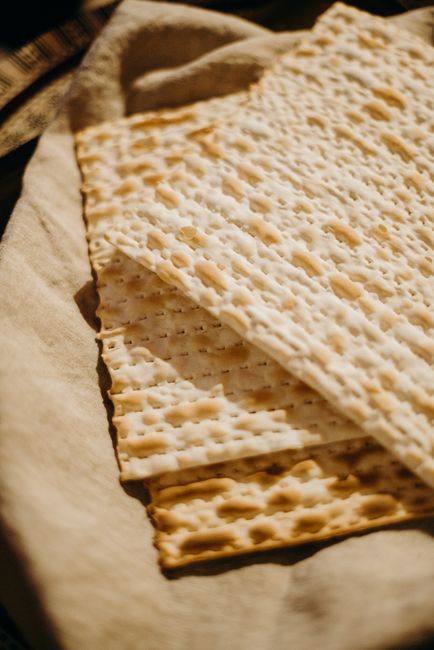
The matzo serves as the structural foundation and a crucial textural element of the chocolate toffee matzo. The choice of matzo can subtly influence the final outcome. While standard square matzo is most common and readily available, variations like round matzo or even thin matzo can be experimented with. The key is to ensure the matzo is fresh and crisp, as stale matzo will result in a less satisfying crunch.
Preparation of the matzo base involves lining a baking sheet with parchment paper or a silicone baking mat. This prevents sticking and makes for easy cleanup. The matzo sheets are then arranged on the prepared surface, ideally fitting snugly together to create a continuous surface for the toffee and chocolate. Some chefs prefer to slightly break larger pieces to fit, while others opt for whole sheets for a more dramatic presentation. For those who enjoy a finer crumb or a more integrated texture, lightly crushing some matzo pieces and pressing them together can also be an option, although this deviates from the classic layered approach.
The matzo’s inherent crispness is what provides that signature shattering bite when you sink your teeth into the finished product. It absorbs the buttery richness of the toffee and the sweetness of the chocolate, creating a harmonious blend of flavors and textures. The slight earthiness of the matzo also acts as a counterpoint to the intense sweetness of the other components, preventing the dessert from becoming cloying. The integrity of the matzo base is essential for the structural success of the entire confection.
The Chocolate Embrace: Coating for Perfection
The final, glorious layer is the chocolate coating. The quality and type of chocolate used significantly impact the overall flavor profile and aesthetic of the Passover chocolate toffee matzo. As previously emphasized, kosher for Passover certification is non-negotiable.
For a classic and deeply satisfying flavor, high-quality dark chocolate (60-75% cacao) is often preferred. Its slight bitterness cuts through the sweetness of the toffee and matzo, creating a balanced and sophisticated taste. Milk chocolate offers a sweeter, creamier experience, while white chocolate provides a buttery, vanilla-laced contrast. A combination of dark and milk chocolate can also be used for a more complex flavor profile.
Melting the chocolate is a delicate process. The most common and effective methods are either using a double boiler or microwaving in short intervals. When using a double boiler, a heatproof bowl is placed over a saucepan of simmering water, ensuring the bottom of the bowl does not touch the water. The chocolate is then placed in the bowl and stirred gently until smooth and fully melted. In the microwave, chocolate should be heated in 20-30 second bursts, stirring well after each interval. Overheating chocolate can cause it to seize and become grainy.
Once melted, the chocolate is poured over the cooled toffee and matzo base. It should be spread evenly with an offset spatula to ensure complete coverage, reaching all the nooks and crannies. Some recipes call for spreading the chocolate thinly, while others prefer a thicker, more substantial coating. The chocolate is then allowed to set. This can be done at room temperature, in the refrigerator (though this can sometimes lead to a duller finish), or in a cool, dry place. For a professional-looking finish, some chefs use tempered chocolate, which offers a superior sheen and snap, but this requires more advanced technique.
Flavor Enhancements and Creative Variations
While the classic Passover chocolate toffee matzo is a masterpiece in its own right, the beauty of this recipe lies in its adaptability. The base ingredients provide a neutral yet delicious canvas for a myriad of creative additions and flavor explorations, all while maintaining Passover suitability.
- Nuts: Chopped nuts are a popular and delightful addition. Pecans, walnuts, almonds, or even macadamia nuts, all certified kosher for Passover, add an extra layer of texture and nutty depth. They can be sprinkled over the toffee before it cools, or mixed into the chocolate before spreading.
- Sea Salt: A sprinkle of flaky sea salt over the chocolate before it sets provides a beautiful contrast to the sweetness, elevating the flavor profile and creating a gourmet touch.
- Spices: For a warming touch, consider incorporating cinnamon, nutmeg, or even a hint of chili powder into the toffee mixture or dusted over the chocolate. These spices are particularly appealing during cooler evenings or for those who enjoy a more complex flavor profile.
- Dried Fruits: Small, finely chopped dried fruits like cranberries, cherries, or apricots (ensure they are kosher for Passover and free of added sugars if desired) can add a chewy texture and a burst of tartness.
- Citrus Zest: The zest of an orange or lemon, added to the chocolate before melting, can impart a bright, refreshing aroma and subtle citrus notes that cut through the richness.
- Toffee Bits: For an intensified toffee flavor, some recipes suggest incorporating crushed toffee bits into the chocolate layer.
- Drizzles: Once the chocolate coating has set, a contrasting drizzle of melted white or dark chocolate can add visual appeal and an extra flavor dimension.
When introducing new ingredients, always ensure they are certified kosher for Passover and that their flavors complement the existing components. Experimentation is encouraged, leading to personalized variations that become cherished family recipes.
Serving and Storage: Preserving the Perfection
The enjoyment of Passover chocolate toffee matzo extends beyond its creation. Proper serving and storage techniques ensure its optimal flavor and texture are maintained.
For serving, the matzo is typically broken into irregular pieces or cut into squares or rectangles. This can be done once the chocolate has fully set. Serving at room temperature generally offers the best textural experience, allowing the toffee and chocolate to be slightly yielding. However, in warmer climates or during the summer months, a brief chill in the refrigerator before serving might be desirable.
Storage requires attention to prevent the matzo from becoming soggy and the chocolate from melting. Airtight containers are essential. Store the matzo at cool room temperature, away from direct sunlight and humidity. If refrigerating, ensure the container is well-sealed to prevent the absorption of odors. Properly stored, Passover chocolate toffee matzo can last for several days, although it is often devoured much sooner. Avoid stacking pieces too tightly, as this can cause them to stick together or break. Interleaving layers with parchment paper can be helpful.
The Enduring Appeal: A Passover Indulgence
Passover chocolate toffee matzo has transcended its status as a mere dessert; it has become a symbol of culinary innovation and celebratory tradition. It represents the ability to adapt beloved flavors and textures to meet specific dietary requirements, proving that restrictive holidays do not necessitate a compromise on indulgence. The crunch of the matzo, the buttery sweetness of the toffee, and the rich embrace of chocolate combine to create a truly unforgettable taste experience. Whether enjoyed at a formal Seder or as a personal treat during the week of Passover, this confection offers a moment of pure joy and sophisticated pleasure. Its inherent elegance, coupled with its adaptability for creative variations, ensures its continued popularity and its rightful place as a cherished Passover delight for generations to come. The process of making it, from carefully selecting kosher ingredients to mastering the delicate art of toffee making, becomes a ritual in itself, imbuing the finished product with a sense of love and tradition that is as satisfying as its delicious taste. It is a testament to the power of food to bring people together, to celebrate, and to create lasting memories, all while adhering to deeply held customs.


