
Philly Cheese Steak Dip

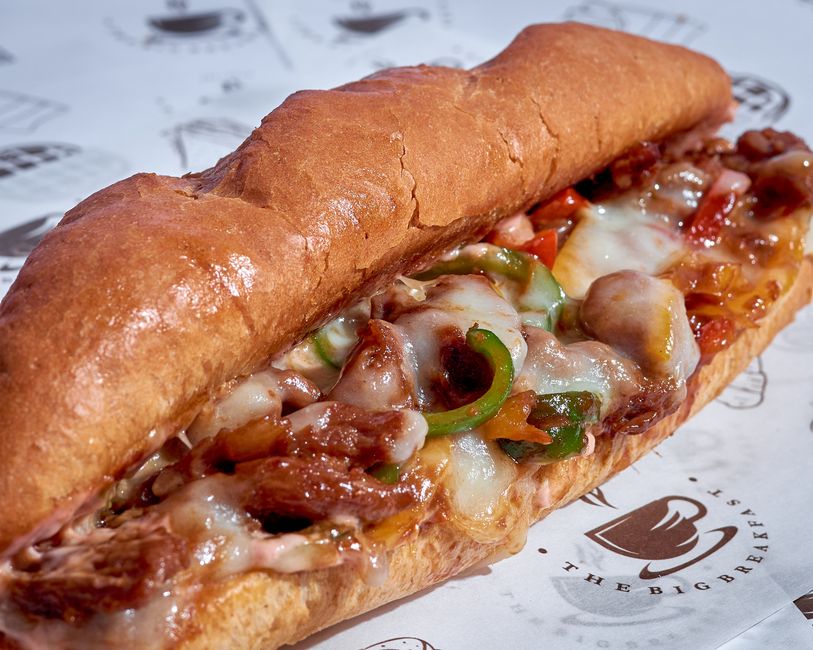
Philly Cheesesteak Dip: The Ultimate Crowd-Pleasing Appetizer
Philly cheesesteak dip is a sensational appetizer that captures the iconic flavors of the beloved Philadelphia cheesesteak in a warm, dippable, and utterly addictive format. This culinary creation takes the essential elements of the classic sandwich – tender steak, melted cheese, sautéed onions, and peppers – and transforms them into a creamy, savory dip perfect for any gathering, from casual game nights to more formal parties. Its popularity stems from its incredible flavor profile, ease of preparation, and its ability to evoke nostalgic comfort food sentiments for many. Unlike the individual nature of a traditional cheesesteak, the dip allows for communal enjoyment, making it a natural centerpiece for shared snacking. The fusion of savory, cheesy, and slightly sweet elements creates a complex yet harmonious taste that appeals to a wide range of palates.
The foundation of an exceptional Philly cheesesteak dip lies in the quality of its ingredients. The steak, ideally a thinly sliced ribeye or sirloin, provides a rich, beefy flavor that is both satisfying and luxurious. Sautéing the steak to a perfect tenderness, avoiding overcooking that can lead to toughness, is crucial. The sweetness of caramelized onions adds a depth of flavor that balances the savory steak, while bell peppers, often green, but sometimes a medley of colors for visual appeal and varied sweetness, contribute a slight crunch and fresh, vegetal notes. The cheese is paramount, with classic cheesesteak variations typically employing provolone and/or American cheese. These cheeses melt beautifully, creating a gooey, stringy consistency that defines the dip’s texture. Cream cheese acts as a binder and enriches the dip, providing a smooth, luxurious base. Mayonnaise or sour cream can also be incorporated for added creaminess and a subtle tang. Seasoning, including salt, black pepper, and sometimes a pinch of garlic powder or red pepper flakes for a hint of warmth, elevates the overall flavor profile. The goal is to replicate the essence of a cheesesteak without the bread, delivering all the same satisfying components in a shareable dip format.
Preparing Philly cheesesteak dip typically involves a multi-step process that ensures all the flavors meld together beautifully. The initial stage involves preparing the steak and vegetables. Thinly slicing the steak against the grain is essential for tenderness. The steak is then quickly sautéed in a hot pan with a touch of oil or butter until just browned. Overcrowding the pan should be avoided to ensure even cooking and prevent steaming. Simultaneously, or in a separate pan, thinly sliced onions and bell peppers are sautéed until softened and slightly caramelized. This caramelization process unlocks their natural sweetness and deepens their flavor. Once the steak and vegetables are cooked, they are typically chopped into smaller, bite-sized pieces for easy scooping with dippers. The creamy base is then prepared by combining softened cream cheese with mayonnaise or sour cream in a mixing bowl. The sautéed steak, onions, and peppers are then folded into this creamy mixture. The cheeses, whether shredded provolone, American cheese slices, or a combination, are then stirred in until they begin to melt and create a luscious, cohesive dip. Seasoning to taste with salt, pepper, and any desired optional spices is the final step before baking.
Baking is a critical stage in developing the rich, melty texture and deeply integrated flavors of Philly cheesesteak dip. The combined mixture is typically transferred to a baking dish, such as a cast-iron skillet, a ceramic gratin dish, or even a disposable foil pan, depending on the occasion and serving needs. The baking temperature and time can vary, but a common range is around 350-375°F (175-190°C) for 20-30 minutes. During this time, the cheeses fully melt, creating a gooey, bubbly surface, and the flavors meld and deepen. The dip should be heated through completely, with the edges often becoming slightly golden and crispy. Some recipes suggest topping the dip with extra cheese during the last few minutes of baking to achieve an even more decadent and visually appealing cheesy crust. The aroma that emanates from the oven during this process is an undeniable indicator of the deliciousness to come, a savory, cheesy perfume that will entice anyone nearby.
The serving aspect of Philly cheesesteak dip is as important as its preparation. The dip is best served hot, directly from the oven, when the cheese is at its most melty and gooey. This allows for the classic cheese pull that is so satisfying. A variety of dippers can accompany the dip, each offering a unique textural and flavor complement. The most traditional and arguably the most fitting dipper is crusty bread, such as baguette slices, French bread, or even small rolls, toasted or grilled to provide a sturdy base for scooping. Tortilla chips offer a classic, crunchy option, and their neutral flavor allows the dip to shine. Pretzels, particularly soft pretzels or pretzel bites, provide a salty counterpoint to the rich dip. Vegetable sticks, such as bell pepper strips, celery sticks, or carrot sticks, offer a healthier and refreshing alternative, adding a crisp texture and a touch of natural sweetness. Even potato chips can be a surprisingly effective dipper, offering a salty crunch. The key is to provide dippers that are sturdy enough to hold a generous portion of the dip without breaking and that complement the savory, cheesy flavors. Garnishes can further enhance the appeal and flavor of the dip. Freshly chopped parsley or chives add a burst of color and a fresh, herbaceous note. A sprinkle of red pepper flakes can provide a subtle heat for those who enjoy a little spice. A dollop of sour cream or a drizzle of sriracha can add another layer of complexity.
Variations on the classic Philly cheesesteak dip abound, catering to different tastes and dietary preferences. For a spicier kick, jalapeños or a pinch of cayenne pepper can be added to the sautéed vegetables or directly into the dip mixture. Mushroom lovers can incorporate sautéed mushrooms, which add an earthy depth and a meaty texture, further enhancing the savory profile. For those seeking a cheesier experience, a blend of cheeses like Gruyère, cheddar, or even a sharp provolone can be used in addition to or instead of the traditional provolone and American. Some recipes opt for a richer, more indulgent base by using a full block of cream cheese and a generous amount of mayonnaise. For a lighter version, Greek yogurt can be substituted for some of the cream cheese or mayonnaise, though this will alter the richness and texture. On the healthier side, turkey or chicken breast can be used instead of beef, or for a vegetarian option, finely chopped mushrooms can mimic the texture of steak. Vegan variations are also possible, utilizing plant-based cheeses, vegan cream cheese, and plant-based meat alternatives or more vegetables. The adaptability of Philly cheesesteak dip is one of its greatest strengths, allowing it to be customized to suit any occasion or dietary need.
The history of the Philly cheesesteak itself is a fascinating prelude to the existence of its dip counterpart. Originating in the 1930s in Philadelphia, the cheesesteak was born from the ingenuity of Pat Olivieri, a hot dog vendor who, according to legend, grilled beef and placed it on a long roll, attracting hungry taxi drivers with its aroma. The addition of cheese, often American or provolone, became a later development, solidifying the sandwich into the iconic dish it is today. The evolution to a dip is a natural progression of culinary innovation, taking a beloved flavor profile and reimagining it for a different serving style. This adaptation speaks to the enduring appeal of the cheesesteak’s core components – the savory beef, the sweet onions, the melted cheese, and the comforting nature of its preparation. The dip version offers a similar, if not amplified, sense of satisfaction, making it a beloved addition to the appetizer landscape.
Troubleshooting common issues in Philly cheesesteak dip preparation can ensure a consistently delicious outcome. A common problem is a dip that is too dry or too oily. If the dip is too dry, a little more mayonnaise, sour cream, or even a splash of beef broth can be added to achieve the desired consistency. Conversely, if the dip is too oily, it might indicate that the steak released too much fat during cooking or that too much oil was used. In such cases, carefully spooning off excess oil from the surface before baking or serving can help. Another potential issue is a dip that lacks flavor. This can usually be remedied by adjusting the salt and pepper, or by adding a pinch of garlic powder, onion powder, or a dash of Worcestershire sauce for an umami boost. Ensuring the onions are adequately caramelized is also key to developing sweetness and depth. Overcooked steak can result in a tough dip. To prevent this, the steak should be cooked quickly over high heat and not be over-agitated in the pan. When combining ingredients, it’s important to ensure the cream cheese is softened to avoid lumps and that the cheeses are thoroughly incorporated to achieve a smooth, melty texture.
The SEO potential of "Philly Cheesesteak Dip" is significant. This keyword is highly searched by individuals looking for recipes, party ideas, and comforting appetizers. By incorporating related keywords throughout the article such as "cheesesteak dip recipe," "easy appetizer," "crowd-pleasing dip," "melted cheese dip," "steak and cheese dip," "party food," and "game day recipes," the article can rank higher in search engine results. Long-tail keywords like "how to make philly cheesesteak dip without bread" or "vegetarian philly cheesesteak dip recipe" can also be integrated to capture more specific search queries. The structure of the article, with clear headings and subheadings, also aids SEO by making the content easily scannable for search engines and users alike. Discussing variations and serving suggestions further broadens the keyword reach, appealing to a wider audience with diverse needs and interests. The inherent popularity of the cheesesteak flavor profile ensures that any well-written and comprehensive article about its dip form will resonate with a large online audience seeking delicious and achievable recipes.
Nutritional considerations for Philly cheesesteak dip are important for those mindful of their intake. As a typically rich and indulgent appetizer, it is high in calories, fat, and sodium due to the steak, cheese, and creamy components. A standard serving can contribute a significant portion of daily recommended intake for these nutrients. However, it can be made slightly healthier through ingredient substitutions. Using leaner cuts of steak, opting for reduced-fat cream cheese or Greek yogurt, and incorporating a greater proportion of vegetables can help to mitigate some of the less healthy aspects. Portion control is also key. Serving the dip with a variety of vegetable sticks alongside traditional dippers can encourage healthier choices. While not a health food, in moderation, Philly cheesesteak dip can be enjoyed as a celebratory or occasional treat, appreciated for its immense flavor and comforting qualities. Understanding the nutritional breakdown allows consumers to make informed decisions about their consumption.
The cultural impact of the Philly cheesesteak is undeniable, and its dip derivative taps into that same nostalgic and comforting culinary heritage. The sandwich is a symbol of Philadelphia, a culinary icon that sparks regional pride and is a must-try for visitors. The dip carries that same association, bringing a taste of that iconic flavor to any kitchen or gathering, regardless of geographical location. It represents a fusion of tradition and innovation, taking a beloved classic and presenting it in a new, accessible, and highly shareable format. This adaptability is what makes many comfort foods endure, and the Philly cheesesteak dip is a prime example of this enduring appeal. Its presence on appetizer menus and at gatherings speaks to its widespread acceptance and its ability to evoke feelings of warmth, satisfaction, and shared enjoyment. The dip’s success is a testament to the enduring power of good food to bring people together and create memorable culinary experiences.


