
Chef Johns Chicken Paprikash

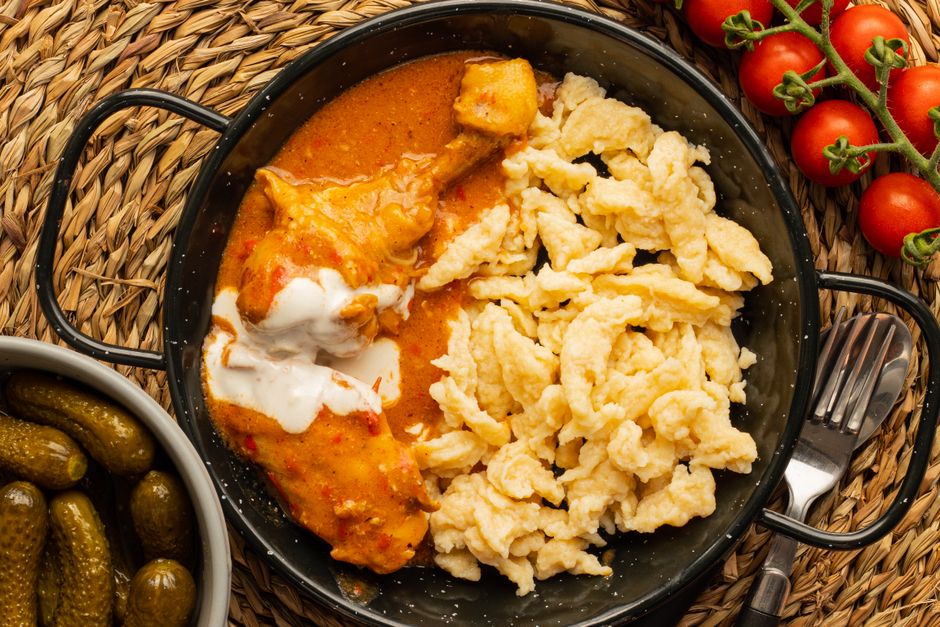
Chef John’s Chicken Paprikash: A Deep Dive into a Comfort Food Classic
Chef John’s Chicken Paprikash stands as a testament to the enduring appeal of simple, yet profoundly flavorful, Hungarian cuisine. This iconic dish, characterized by its rich, paprika-infused sauce and tender chicken, offers a deeply satisfying culinary experience. Understanding the nuances of its preparation, the key ingredients, and the cultural significance behind it is crucial for any home cook aiming to recreate this celebrated meal. This article will explore the foundational elements of Chef John’s approach to Chicken Paprikash, dissecting the recipe’s core components and providing insights for achieving authentic and delicious results.
The heart of any Chicken Paprikash lies in the quality and type of chicken used. Chef John often advocates for bone-in, skin-on chicken pieces, such as thighs and drumsticks. The bones impart a deeper flavor to the sauce during braising, while the skin, rendered crispy or left intact and braised, adds richness and a pleasant textural contrast. While skinless, boneless breasts can be used, they tend to cook faster and can become dry if overcooked, sacrificing some of the desirable depth of flavor. The initial searing of the chicken pieces is a critical step, building a foundation of Maillard reaction browning. This caramelization process, driven by the direct heat, unlocks complex savory notes that permeate the entire dish. Ensuring each piece is well-browned on all sides, without overcrowding the pan which would lead to steaming rather than searing, is paramount. This step is not merely cosmetic; it’s fundamental to developing the dish’s characteristic depth.
The soul of Chicken Paprikash is, undeniably, paprika. Chef John emphasizes the importance of using good quality Hungarian sweet paprika. This isn’t simply a spice; it’s the defining flavor profile. Hungarian paprikas are known for their vibrant color and nuanced sweetness, with subtle floral or smoky undertones depending on the specific variety and grind. Avoid generic "paprika" found in many Western supermarkets, which can be muted in flavor and color. The recipe typically calls for a generous amount of paprika, and its flavor develops and mellows during the slow cooking process. The technique of blooming the paprika is another key element. Briefly toasting the paprika in the rendered chicken fat and aromatics before adding liquid allows its fat-soluble compounds to release their full flavor and vibrant color. Overcooking paprika, however, can lead to a bitter taste, so a gentle sauté for a minute or two is usually sufficient. The color of the finished dish should be a rich, appetizing red-orange, a visual cue to its paprika-centric nature.
Beyond paprika, the aromatic base of Chef John’s Chicken Paprikash is crucial. This typically involves sautéed onions, and sometimes garlic. The onions are usually finely diced and cooked low and slow until translucent and slightly softened, releasing their natural sweetness without browning too intensely. This gentle sautéing allows them to meld seamlessly into the sauce. While garlic is not always a dominant component in traditional versions, its inclusion, often minced and added towards the end of the onion sauté, can provide an extra layer of savory complexity without overwhelming the paprika. The type and quantity of onions can influence the final sauce. Yellow onions are a common choice, offering a good balance of sweetness and pungency.
The liquid component of the sauce is what transforms the seared chicken and aromatics into a cohesive and comforting stew. Chef John’s recipes often call for a combination of chicken broth and sour cream. The chicken broth provides a savory base, adding moisture and helping to braise the chicken to tender perfection. The sour cream is the star player in achieving the characteristic creamy texture and tangy finish of Paprikash. It’s crucial to add the sour cream towards the end of the cooking process, typically tempered to prevent curdling. This tempering involves whisking a small amount of the hot sauce into the sour cream before gradually incorporating the enriched sour cream back into the main pot. This gradual heating of the sour cream ensures a smooth, velvety sauce that coats the chicken beautifully. The tanginess of the sour cream cuts through the richness of the sauce, providing a welcome counterpoint. Some variations might include a touch of tomato paste or purée, adding a subtle depth and acidity, though this is not always a staple in Chef John’s interpretation, which prioritizes the pure flavors of paprika and sour cream.
The cooking method is as important as the ingredients. Chicken Paprikash is a braise. This means cooking the chicken gently in liquid for an extended period, allowing the connective tissues to break down, resulting in incredibly tender meat. After searing the chicken and sautéing the aromatics, the paprika is bloomed, then the liquid (broth) is added. The chicken is returned to the pot, and the dish is simmered, covered, at a low temperature on the stovetop or in a moderate oven. The low and slow cooking process is non-negotiable for achieving the desired tenderness. Rushing the braise will result in tougher chicken and a less developed sauce. The sauce will naturally thicken as it reduces and the starches from the chicken and aromatics are released.
The finishing touches elevate Chef John’s Chicken Paprikash from good to exceptional. The incorporation of sour cream, as previously discussed, is a primary finishing step. Often, a final swirl of sour cream is added just before serving, creating beautiful marbled patterns on the surface of the dish. Fresh parsley, chopped and sprinkled over the top, adds a burst of freshness and a vibrant green contrast to the rich, reddish-orange sauce. Some chefs might add a touch of lemon juice to brighten the flavors, but this is usually a subtle addition. The key is to maintain the integrity of the paprika and sour cream flavors, allowing them to shine.
Serving Chicken Paprikash is as important as its preparation. It’s a dish meant to be enjoyed with accompaniments that can soak up the luscious sauce. Traditional pairings include nokedli (Hungarian spaetzle), egg noodles, or mashed potatoes. These starchy bases act as perfect vehicles for the rich, flavorful sauce. A simple side salad or pickled vegetables can also provide a refreshing contrast to the richness of the dish. The warmth and comforting nature of Chicken Paprikash make it an ideal meal for cooler weather, family gatherings, or any occasion calling for a hearty and satisfying meal.
Chef John’s approach to Chicken Paprikash, while rooted in tradition, often incorporates subtle refinements that make it particularly appealing to a modern palate. His emphasis on quality ingredients, precise technique, and an understanding of flavor development are evident in his interpretations. The dish is a masterclass in slow cooking, showcasing how simple ingredients can be transformed into something truly remarkable through careful preparation. The resulting dish is a harmonious blend of tender chicken, a velvety, paprika-infused sauce, and a subtle tang from the sour cream, creating a comforting and unforgettable culinary experience. Recreating this dish is not just about following a recipe; it’s about understanding the culinary philosophy behind it. By paying close attention to the browning of the chicken, the blooming of the paprika, the slow braising, and the careful incorporation of the sour cream, home cooks can effectively replicate the delicious essence of Chef John’s Chicken Paprikash, bringing a taste of Hungarian comfort to their own tables. The enduring popularity of this dish is a testament to its timeless appeal and the masterful way Chef John has presented it, making it accessible and achievable for cooks of all levels. The layered flavors, from the initial sear to the final creamy embrace, speak to a deep understanding of how to coax the best out of these fundamental ingredients, solidifying its place as a beloved classic.


