Puerto Rican Tostones Fried Plantains
Tostones: The Ultimate Guide to Puerto Rican Fried Plantains – Crispy, Savory, and Irresistible
Tostones, a cornerstone of Puerto Rican cuisine, are more than just fried plantains; they are a culinary icon, a testament to the island’s vibrant flavors, and a universally beloved snack and side dish. This dish, deceptively simple in its preparation, delivers an explosion of taste and texture – a crispy, golden exterior yielding to a soft, starchy interior. Understanding tostones involves delving into the selection of the right plantains, the precise technique of double-frying, and the myriad ways they are enjoyed. They are a fundamental element of Puerto Rican gastronomy, found on nearly every table, from casual backyard gatherings to elegant restaurant menus, embodying the spirit of comfort food with an island flair. Their versatility makes them a perfect accompaniment to virtually any main course, from savory meats and seafood to flavorful stews and rice dishes. Beyond their deliciousness, tostones represent a significant part of Puerto Rican culinary heritage, a dish passed down through generations, evolving slightly with regional variations but always retaining its essential character.
The key to achieving perfect tostones lies in the selection of the plantains themselves. For this dish, green, unripe plantains are paramount. These plantains are firm, starchy, and boast a mild, slightly bitter flavor that transforms beautifully through the frying process. Overripe plantains, with their inherent sweetness and softer texture, are unsuitable for tostones, as they will become overly mushy and sweet, losing the characteristic crispness and savory profile. When selecting green plantains, look for ones that are firm to the touch with no signs of yellowing or black spots. The skin should be a vibrant, unbroken green. It’s crucial to remember that the ripeness of the plantain directly impacts the final outcome. Too green might lead to a tougher texture, while even a hint of yellowing signals a shift towards sweetness that is not desired for authentic tostones. Many grocery stores carry plantains year-round, ensuring access to this essential ingredient. When preparing tostones, it is advisable to purchase them a few days in advance if they are excessively hard, allowing them to mellow slightly while remaining firmly green. The ideal plantain for tostones is one that is firm and yielding only with significant pressure, exhibiting a smooth, unblemished green peel.
The preparation of tostones involves a meticulous two-stage frying process, a technique that is the secret to their signature crunch. First, the green plantains are peeled, a process that can sometimes be a bit challenging due to their firm texture. The ends are typically cut off, and then a shallow slit is made lengthwise through the peel, allowing it to be gently pulled away. The plantains are then sliced into thick, uniform rounds, approximately 1 to 1.5 inches in thickness. These rounds are then deep-fried in hot oil, typically vegetable oil or canola oil, until they are lightly golden and slightly tender but not yet fully cooked. This initial fry softens the plantains, making them pliable for the next crucial step. The temperature of the oil for this first fry should be around 325°F (160°C). It is important not to overcrowd the pan, as this can lower the oil temperature and result in greasy tostones. Each batch should be fried for about 3-5 minutes, until the edges begin to show a pale gold hue. The plantain slices should be firm enough to handle but still yield slightly under gentle pressure.
Following the initial fry, the plantain rounds are removed from the oil and, while still warm, they are flattened. This is typically done using a tostonera, a specialized kitchen tool designed specifically for this purpose. If a tostonera is unavailable, the bottom of a sturdy glass or a small plate can be used. The plantain slices are placed between two pieces of parchment paper or plastic wrap and then pressed firmly to create thinner, disc-like shapes. This flattening increases the surface area of the plantain, which is critical for achieving maximum crispiness during the second frying stage. The pressure applied should be firm but not so aggressive that the plantain breaks apart. The goal is to create a disc that is roughly half its original thickness, ensuring an even cook and a satisfying crunch. This step, the "smashing," is what distinguishes tostones from simple fried plantains, transforming them into their iconic form. The flattened discs should be relatively uniform in thickness for optimal cooking.
The flattened plantain discs are then returned to the hot oil for a second, higher-temperature fry. This second fry is where the magic happens, transforming the pale discs into the beautifully golden, irresistibly crispy tostones that are so beloved. The oil temperature for this stage should be increased to approximately 350°F (175°C). This higher heat ensures that the exterior of the tostones crisps up rapidly while the interior cooks through to a tender, fluffy texture. The tostones are fried for another 2-3 minutes per side, or until they achieve a deep golden-brown color and a satisfying crispness. It is essential to monitor them closely during this second fry to prevent burning. Again, do not overcrowd the pan. The aim is to create a shatteringly crisp exterior that contrasts wonderfully with the soft, yielding interior. The visual cue is a rich, uniform golden-brown color, indicating that they are perfectly cooked. They should sound delightfully crisp when tapped.
Once fried to perfection, the tostones are removed from the oil and drained on paper towels to absorb any excess grease. This draining step is crucial for maintaining their crispiness. Traditionally, tostones are often seasoned immediately after the second fry while they are still hot. A sprinkle of salt is the most common and classic seasoning, enhancing the natural savory flavors of the plantain. However, variations in seasoning abound, reflecting the diverse palates and regional preferences across Puerto Rico and beyond. Some enjoy a touch of garlic powder, onion powder, or even a pinch of smoked paprika for added depth. For a spicier kick, a dash of cayenne pepper can be incorporated. The application of seasoning while hot ensures that it adheres well to the surface of the tostones. The choice of seasoning is a personal preference, but the classic salt application remains the most authentic and widely enjoyed.
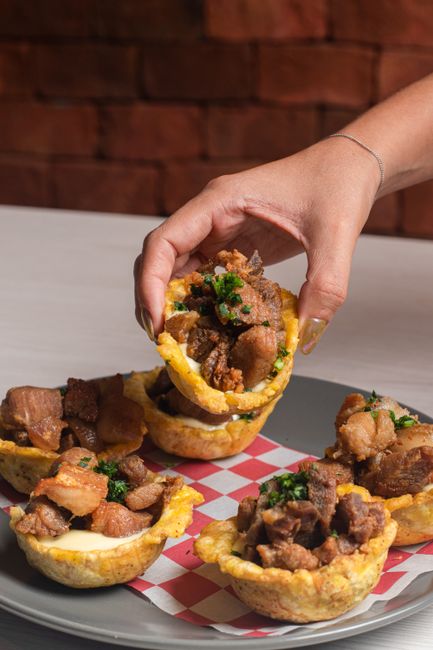
Tostones are incredibly versatile and can be enjoyed in numerous ways. As a standalone snack, they are a simple yet deeply satisfying indulgence. Their crispiness makes them perfect for dipping. Common accompaniments include a garlicky mojo sauce (a blend of olive oil, garlic, cilantro, and lime juice), a spicy ketchup, or a creamy aioli. However, their true culinary prowess shines when paired with main dishes. They are a quintessential side for lechon (roasted pork), pernil (slow-roasted pork shoulder), arroz con gandules (rice with pigeon peas), and a variety of seafood preparations like shrimp mofongo or grilled fish. They also feature prominently in dishes like plantain sandwiches or as a crispy base for various toppings. In some households, they are served as a breakfast item alongside eggs and sausage. Their adaptability makes them a culinary chameleon, fitting seamlessly into any meal occasion. The robust flavor profile of well-made tostones complements the richness of pork, the delicate nature of fish, and the savory notes of rice dishes, creating a harmonious dining experience.
The cultural significance of tostones in Puerto Rico cannot be overstated. They are a dish deeply embedded in the island’s identity, a symbol of home, family, and shared meals. From humble home kitchens to bustling food stalls, tostones are a constant presence, bringing people together and evoking a sense of comfort and belonging. They represent the resourceful use of a readily available staple ingredient, transforming a simple plantain into a culinary masterpiece. The process of making tostones is often a communal activity, with family members gathering to peel, slice, fry, and flatten, further cementing their role as a dish of connection. Their presence at celebrations, holidays, and everyday meals underscores their importance as a cultural touchstone. They are more than just food; they are a memory, a tradition, and a taste of Puerto Rico.
Variations of tostones exist, reflecting the diverse culinary landscape of Puerto Rico and its diaspora. While the classic preparation with green plantains is the most common, some regional adaptations might slightly alter the seasoning or the accompanying dipping sauces. For instance, in some areas, a hint of adobo seasoning might be incorporated into the salt mixture. The thickness of the plantain slices and the degree of flattening can also vary, leading to subtle differences in texture. However, the fundamental principle of double-frying remains constant, ensuring the signature crunch. Some modern interpretations might experiment with different oils for frying or introduce more contemporary spice blends, but these are departures from the traditional preparation. The essence of tostones, however, remains the perfectly executed double-fry of green plantain slices. These variations, while subtle, contribute to the rich tapestry of Puerto Rican culinary traditions, demonstrating the dish’s ability to adapt while retaining its core identity.
To achieve optimal crispiness and a delightful texture, several factors are crucial. Ensuring the plantains are sufficiently green is the first and most critical step. Using oil that is at the correct temperature for both frying stages is also essential. For the first fry, a moderate temperature is needed to cook the plantain through without browning it excessively. For the second fry, a higher temperature is vital to achieve that signature crispiness. Overcrowding the frying pan should be strictly avoided, as it leads to a lower oil temperature and results in greasy, soggy tostones. Draining the tostones thoroughly on paper towels immediately after frying helps to remove excess oil and maintain their crispness. Finally, seasoning the tostones while they are still hot allows the salt and any other desired seasonings to adhere properly to the surface, enhancing their flavor profile. These techniques, when meticulously followed, ensure a consistently delicious batch of tostones. The visual appeal is as important as the taste; perfectly fried tostones should have an even, golden-brown hue and a pronounced crispness that can be heard with each bite.
The health considerations associated with tostones are worth noting. As a deep-fried dish, they are inherently high in fat and calories. However, like many traditional foods, they can be enjoyed in moderation as part of a balanced diet. The use of good quality cooking oil and proper frying techniques can help minimize the absorption of excessive grease. Furthermore, the natural starchiness of the plantains provides a source of carbohydrates, and when served with nutrient-rich accompaniments like lean proteins or vegetable-based sauces, they can contribute to a more complete meal. Opting for healthier dipping sauces like a fresh salsa or a yogurt-based dip can also be a way to balance the dish. The enjoyment of tostones is about savoring a delicious cultural experience, and responsible consumption ensures that this pleasure can be sustained.
In conclusion, tostones are a culinary masterpiece of Puerto Rico, celebrated for their irresistible crispiness, savory flavor, and cultural significance. The meticulous process of selecting green plantains, the art of double-frying, and the simple yet effective seasoning combine to create a dish that is both comforting and addictive. Whether enjoyed as a humble snack, a flavorful side, or a versatile component of a larger meal, tostones embody the heart and soul of Puerto Rican cuisine. Their enduring popularity is a testament to their simple perfection and their ability to bring joy to tables across the globe, solidifying their status as an iconic and beloved food item. The sensory experience of biting into a perfectly executed toston – the satisfying crunch, followed by the soft, tender interior – is a culinary journey that resonates deeply with those who have tasted them.