
Pan Fried Chive Flowers

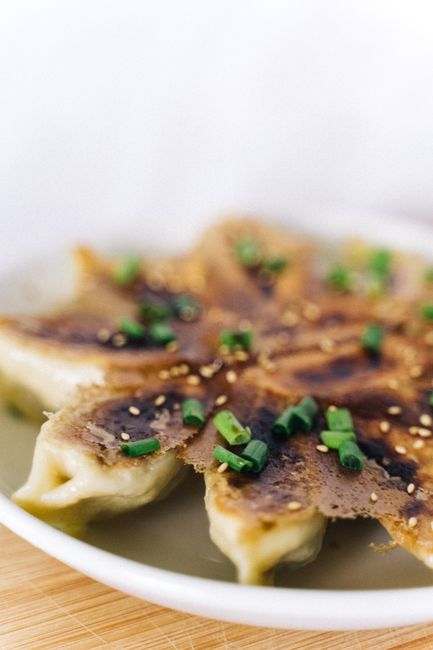
Pan-Fried Chive Flowers: An Elegant and Flavorful Foraging Delight
Pan-fried chive flowers offer a sophisticated yet accessible culinary experience, transforming a commonly overlooked garden or wild edible into a gourmet treat. Their delicate, oniony flavor, coupled with a subtle peppery bite, lends itself beautifully to simple preparations that highlight their natural essence. This article will delve into the nuances of harvesting, preparing, and cooking chive flowers to perfection, providing a comprehensive guide for home cooks and adventurous eaters alike. The nutritional benefits, potential culinary applications beyond simple pan-frying, and tips for sourcing and storage will also be explored, ensuring a thorough understanding of this versatile ingredient. Understanding the optimal stage for harvesting is paramount. Chive flowers, which emerge in late spring and early summer, are best picked when they are fully open but still firm and vibrant. Overripe flowers can become somewhat mushy and lose their appealing texture. Similarly, underripe buds may lack the full depth of flavor. A gentle tug should easily detach the flower head from the stalk. Foraging responsibly is crucial; always be certain of your identification if gathering wild chives, and ensure you are not picking from areas treated with pesticides or other harmful chemicals. Domesticated chive flowers, readily available from home gardens or farmers’ markets, offer a safe and readily accessible option.
The appeal of pan-fried chive flowers lies in their elegant simplicity and the way the cooking process enhances their inherent flavors. The heat gently wilts the petals, softening their texture while intensifying their subtle allium notes. A light crisping can also occur on the edges, providing a delightful textural contrast. The primary method involves a quick sauté in fat, typically butter or olive oil, to achieve this perfect balance. The goal is not to overcook them into a paste, but rather to coax out their delicate sweetness and mild pungency. This technique allows the chive flower to shine as a standalone appetizer, a flavorful garnish, or an integral component of a more complex dish. Seasoning is typically kept minimal to avoid overpowering the chive flower’s natural taste. A pinch of salt and freshly ground black pepper are often sufficient. However, the foundation of this preparation is the choice of cooking fat. Unsalted butter provides a rich, nutty depth that complements the chive flower’s sweetness beautifully. Browned butter, with its intensified nutty notes, elevates the dish even further, creating a more complex flavor profile. For a lighter, more Mediterranean-inspired option, extra virgin olive oil works exceptionally well, imparting its own fruity notes. The key is to use a fat that will not dominate, but rather enhance.
To prepare chive flowers for pan-frying, thorough rinsing is essential, especially for wild specimens, to remove any soil or debris. Gently pat them dry with a paper towel. Some chefs advocate for removing the pistils and stamens from the center of larger flowers, as these can sometimes impart a slightly bitter taste. However, for smaller, younger flowers, this step is often unnecessary and can be omitted for expediency. The overall size of the flower head can also influence cooking time. Larger blossoms may benefit from being halved or quartered, while smaller ones can be cooked whole. The decision to trim the stem is a matter of preference. Many enjoy the tender, young stems that are attached, while others prefer to remove them entirely, focusing solely on the flower heads. If the stems are tough, they should be discarded or reserved for another use, such as flavoring stocks. The texture of the chive flower is a critical element to consider during preparation. They are inherently delicate, and overhandling can lead to bruising and a loss of their appealing visual and textural qualities. Therefore, a gentle touch is paramount throughout the entire process, from harvesting to plating.
The pan-frying process itself is remarkably straightforward. A medium-high heat is ideal to ensure quick cooking and prevent the flowers from becoming waterlogged. Begin by melting your chosen fat in a skillet. Once the fat is shimmering (but not smoking), carefully add the prepared chive flowers in a single layer. Avoid overcrowding the pan, as this will steam the flowers rather than pan-fry them, leading to a less desirable texture and flavor. Cook for approximately 30 seconds to one minute per side, just until the petals begin to soften and lightly brown. The goal is to achieve a tender-crisp texture, not to fully wilt them into submission. As soon as they exhibit the desired tenderness and a hint of color, remove them from the pan immediately to prevent overcooking. The residual heat will continue to cook them slightly. Seasoning should be done just before serving. A sprinkle of flaky sea salt, such as Maldon, provides a satisfying crunch and enhances the natural sweetness of the chive flowers. A grind of fresh black pepper adds a subtle warmth and complexity. For those seeking an extra layer of flavor, a light drizzle of balsamic glaze or a touch of lemon zest can also be incorporated at the very end of the cooking process.
Beyond the simple pan-fried preparation, chive flowers offer a canvas for culinary creativity. Their delicate flavor makes them an excellent addition to various dishes. As a garnish, they elevate the visual appeal and taste of almost any savory preparation. Sprinkle them over salads, particularly those featuring soft cheeses or grilled vegetables. They are a natural pairing with eggs, whether scrambled, in an omelet, or as a vibrant topping for poached eggs. Their mild oniony notes complement the richness of cheese beautifully, making them a perfect addition to cheese boards or melted cheese dishes. Consider incorporating them into pasta dishes, stir-fries, or as a topping for roasted meats and fish. When added to sauces, they can impart a subtle yet distinct allium flavor that is less assertive than garlic or raw onion. For a truly elegant appetizer, consider stuffing small chive flowers with a mixture of cream cheese, herbs, and a hint of lemon zest, then lightly pan-frying them for a warm, creamy, and flavorful bite. The versatility of chive flowers extends to their use in infused oils and vinegars, where their flavor can be preserved and utilized over a longer period.
Nutritionally, chive flowers, like their leafy counterparts, are a good source of vitamins and minerals, albeit in smaller quantities due to their ephemeral nature. They contain vitamin C, vitamin K, and various antioxidants. Their distinct flavor comes from sulfur compounds, which are also believed to possess health-promoting properties. While not a significant source of macronutrients, they contribute positively to a balanced diet by adding flavor and micronutrients with minimal caloric intake. The fiber content is also a small but welcome addition. When pan-fried, the nutritional profile is largely retained, with the primary addition being the fat used in cooking. Opting for healthier fats like olive oil can further enhance the health benefits of this dish. Their low calorie count makes them an ideal addition for those mindful of their dietary intake, allowing for flavorful enhancement without significant caloric burden.
Sourcing chive flowers is generally straightforward for those with access to a garden or a readily available farmers’ market. If foraging, it is imperative to possess accurate identification skills to distinguish chives from toxic look-alike plants. Familiarize yourself with the distinctive round, hollow leaves of chives. Always obtain permission before foraging on private land and adhere to local regulations regarding wild harvesting. When purchasing from a market, look for vibrant, fully opened flowers that are free from wilting or discoloration. If harvesting from your own garden, trim them in the morning after the dew has evaporated for optimal freshness and flavor. Proper storage is key to maintaining their quality. Chive flowers are best used fresh, ideally within a day or two of harvesting. If storage is necessary, wrap them loosely in a damp paper towel and place them in a resealable plastic bag or an airtight container in the refrigerator. This will help to maintain their moisture and prevent them from drying out. For longer-term preservation, consider drying them or infusing them into oil or vinegar, although their delicate flavor is most pronounced when fresh.
The culinary journey of pan-fried chive flowers is one that rewards careful attention to detail and a willingness to explore the subtler flavors of nature. From the initial selection of the bloom to the final sprinkle of salt, each step contributes to a delightful sensory experience. The simplicity of the preparation belies the elegance of the final dish, making it a perfect choice for both everyday meals and special occasions. The visual appeal of the vibrant purple or pink blossoms, coupled with their unique, mild oniony taste, transforms simple ingredients into something extraordinary. Mastering the art of pan-frying chive flowers unlocks a new dimension in seasonal cooking, allowing for the appreciation of often-overlooked edible flowers. The subtle warmth and fragrance that emanate from the pan during cooking are testament to the power of simple, natural ingredients when treated with respect. This guide provides the foundational knowledge for enthusiasts to confidently prepare and enjoy this exquisite foraged delicacy, encouraging further experimentation and culinary exploration. The inherent fragility of chive flowers necessitates a delicate touch throughout the preparation and cooking process, ensuring their vibrant color and subtle flavor are preserved. This attention to detail is what elevates this dish from a mere ingredient to a culinary experience.


