
Whipped Coconut Cream Vegan Whipped Cream
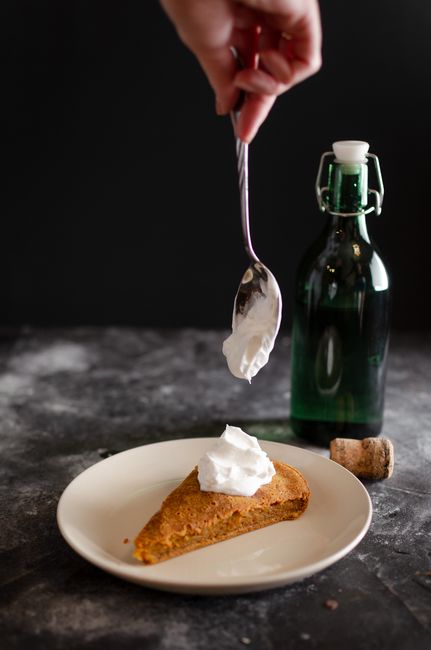
Whipped Coconut Cream: The Ultimate Guide to Dairy-Free Whipped Topping
Whipped coconut cream is a revelation for anyone seeking a luxurious, dairy-free alternative to traditional whipped cream. Its light, airy texture and subtle tropical flavor make it a versatile ingredient in countless sweet and savory applications. Unlike many other vegan whipped cream options that rely on artificial stabilizers and emulsifiers, whipped coconut cream boasts a simplicity rooted in its single, potent ingredient: full-fat coconut milk. This article will delve into the science behind achieving the perfect whip, explore various methods and tips for success, unlock its culinary potential, and address common troubleshooting scenarios, ensuring you can confidently create and utilize this delectable dairy-free topping.
The magic of whipped coconut cream lies in the unique properties of full-fat coconut milk. Coconut milk, particularly the canned variety, contains a significant percentage of saturated fat. When chilled, this fat solidifies, separating from the liquid portion. It is this solidified fat that, when whipped vigorously, traps air and transforms into a fluffy, stable topping. The key is to use coconut milk that has a high fat content – ideally 17% or more. Lower-fat varieties, often found in cartons or labeled as "light," will not solidify sufficiently to whip properly. The chilling process is paramount. The entire can of coconut milk, unopened, should be refrigerated for at least 12-24 hours, or even overnight. This allows ample time for the fat to coalesce and harden at the bottom of the can. Freezing the can for 30-60 minutes prior to scooping can further enhance its ability to separate and whip, though extreme freezing can sometimes make the fat too solid and brittle to incorporate smoothly.
Several methods exist for preparing whipped coconut cream, each with its nuances. The most straightforward approach involves carefully scooping the solidified cream from the top of the chilled can, leaving the watery liquid behind. This solid cream is then placed in a chilled bowl and whipped using an electric mixer (stand mixer or hand mixer) or a whisk. Begin on low speed to break down the solid mass, then gradually increase to medium-high speed. The whipping process can take anywhere from 3 to 10 minutes, depending on the brand of coconut milk, the temperature of your ingredients and equipment, and the desired consistency. As the cream whips, it will gradually lighten in color and increase in volume, transforming from a dense paste to a fluffy cloud. It’s crucial to avoid over-whipping, which can cause the fat to separate again, resulting in a greasy or curdled texture.
A slightly more advanced method incorporates the reserved liquid, known as coconut water, into the whipped cream. This can add a touch more lightness and a smoother texture. After scooping the solid cream, you can add a tablespoon or two of the reserved coconut water back into the bowl as you whip. This technique requires a bit more trial and error, as too much liquid can prevent proper whipping. The exact amount will vary based on the fat content of your coconut milk and how well it separated. Some recipes even suggest using the coconut water in other applications, such as smoothies or as a base for vegan broths, minimizing waste.
Sweetening and flavoring are essential aspects of creating truly delicious whipped coconut cream. Unsweetened whipped coconut cream has a neutral, slightly tropical flavor that can be appealing in certain savory contexts, but for dessert applications, a touch of sweetness is usually desired. Powdered sugar, also known as confectioners’ sugar or icing sugar, is the preferred sweetener. Its fine texture dissolves easily and contributes to a smooth consistency, avoiding the grittiness that granulated sugar can impart. Start with a small amount, typically 1-2 tablespoons per can, and add more to taste. Be mindful that powdered sugar also contains cornstarch, which can act as a mild stabilizer. Vanilla extract is the quintessential flavoring, adding warmth and depth. A teaspoon of pure vanilla extract is a good starting point. Other flavorings can be introduced, such as almond extract, a pinch of cinnamon, cocoa powder for a chocolate version, or even a swirl of fruit puree. When adding liquid flavorings, do so sparingly, as they can affect the stability of the whipped cream.
Achieving a stable, fluffy whipped coconut cream often hinges on specific techniques and considerations. Using chilled equipment is paramount. A chilled bowl and chilled whisk attachments for your mixer will help maintain the cold temperature of the coconut cream, which is crucial for the fat to remain solid and whip effectively. Some individuals even recommend chilling their whisk attachments in the freezer for 10-15 minutes beforehand. The ambient temperature of your kitchen can also play a role. On very warm days, the coconut cream may struggle to whip or remain stable. If this is the case, you might consider working in a cooler room or even placing the bowl of whipping cream over a larger bowl filled with ice.
For those who find consistent success elusive, stabilizers can be introduced. Agar-agar is a popular vegan gelatin substitute derived from seaweed. To use agar-agar, you would typically dissolve a small amount (e.g., 1/4 teaspoon) in a tablespoon of the reserved coconut water, heat it gently until dissolved, and then allow it to cool slightly before slowly incorporating it into the coconut cream as it whips. This creates a more robust and stable whipped cream that is less prone to collapsing. Tapioca starch or cornstarch can also be used as mild stabilizers, added directly to the cream before whipping. Start with a teaspoon and adjust as needed. These stabilizers will alter the texture slightly, making it a touch denser but significantly more resilient.
The culinary applications of whipped coconut cream are vast and varied, extending far beyond a simple topping for pies and cakes. It serves as an exceptional base for vegan frostings and fillings. When combined with melted vegan chocolate and a touch of sweetener, it transforms into a rich chocolate mousse or a decadent frosting. It can be incorporated into vegan cheesecakes, adding a creamy, tangy element. For a lighter option, it can be blended with fruit purees to create dairy-free sorbets or parfaits. In savory dishes, unsweetened whipped coconut cream can add a luxurious richness to curries, soups, and sauces, offering a creamy texture without dairy. It can also be used as a base for vegan dips and spreads. Its subtle sweetness and tropical undertones complement a wide range of flavors, from spicy to fruity.
Troubleshooting common issues with whipped coconut cream is an integral part of mastering this dairy-free delight. Perhaps the most frequent problem is that the coconut cream simply won’t whip. This is almost always due to a lack of sufficient fat in the coconut milk or inadequate chilling. Ensure you are using full-fat canned coconut milk with a fat percentage of 17% or higher, and that it has been chilled thoroughly for at least 12-24 hours. If it still doesn’t whip, try chilling it for longer or briefly freezing the can before scooping. Another common issue is that the whipped cream collapses or becomes watery. This often indicates over-whipping, where the fat globules have broken down too much, or the addition of too much liquid. If this happens, you can try to re-whip it on a low speed, and if it remains unstable, a small amount of a stabilizer like agar-agar or tapioca starch can be gently incorporated. Greasiness is another indicator of over-whipping. In this case, the cream may be difficult to salvage, but some have found success by chilling it thoroughly and then gently folding in a small amount of unsweetened coconut cream that hasn’t been whipped.
Storage of whipped coconut cream is important to maintain its quality. Ideally, it should be stored in an airtight container in the refrigerator. Due to its natural ingredients, it has a shorter shelf life than dairy-based whipped cream, typically lasting 3-5 days. As it sits, it may firm up considerably or even separate slightly. Before serving, a gentle re-whipping on low speed can often restore its fluffy texture. Freezing is also an option, though the texture may change upon thawing, becoming slightly icier. To freeze, spoon the whipped cream into individual portions or an airtight container. Thaw in the refrigerator overnight. For recipes where a very stable, firm whipped cream is needed, such as for piping intricate designs, relying on stabilizers like agar-agar is highly recommended.
The nutritional profile of whipped coconut cream is noteworthy. It is naturally cholesterol-free and lactose-free, making it an excellent option for individuals with dairy allergies or lactose intolerance. It is also a good source of medium-chain triglycerides (MCTs), a type of saturated fat that is metabolized differently by the body and is often associated with potential health benefits, though it’s important to consume it in moderation as it is calorie-dense. When sweetened with powdered sugar, the calorie and sugar content will increase, so it’s advisable to be mindful of portion sizes in the context of a balanced diet. Comparing it to traditional dairy whipped cream, which is often high in saturated fat and cholesterol, whipped coconut cream offers a comparable richness and mouthfeel with a different nutritional composition.
For those concerned about the environmental impact or ethical sourcing of coconut products, choosing brands that are certified fair trade or sustainably harvested can be a responsible decision. The production of coconuts can have environmental implications, and supporting ethical practices ensures a more responsible and equitable supply chain. Many brands are increasingly transparent about their sourcing and production methods, allowing consumers to make informed choices.
In conclusion, whipped coconut cream is a versatile, delicious, and valuable addition to any vegan or dairy-free kitchen. Understanding the fundamental principles of fat content, chilling, and whipping techniques is key to achieving consistent results. With a little practice and attention to detail, you can unlock its potential to elevate a wide array of desserts, beverages, and even savory dishes. From its simple preparation to its sophisticated applications, whipped coconut cream stands as a testament to the power of plant-based ingredients to deliver unparalleled flavor and texture. Experimentation with flavorings and stabilizers will further expand your repertoire, making this dairy-free marvel a staple in your culinary endeavors.





