Roasted Butternut Squash Cream Soup With Ginger
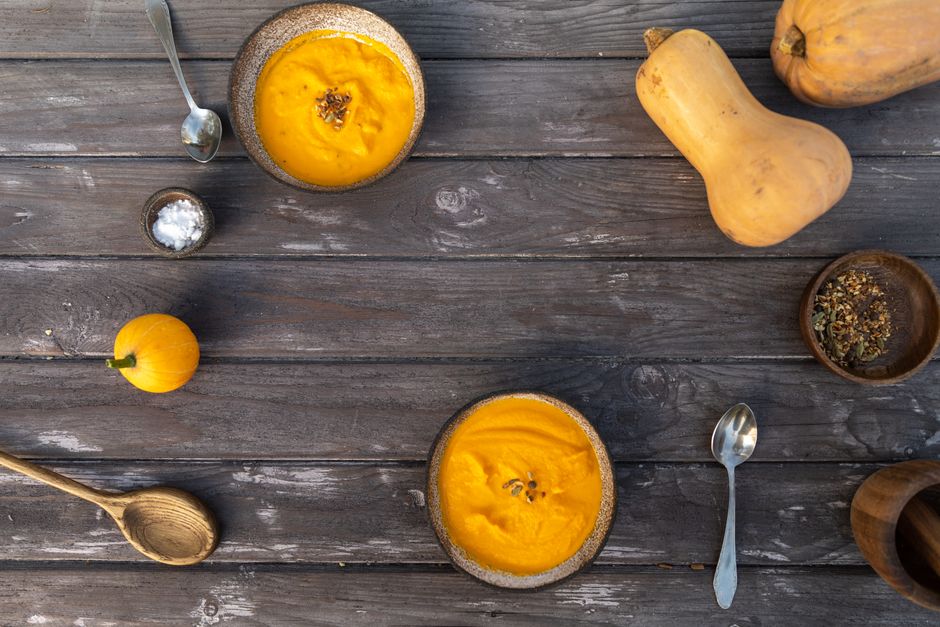
Roasted Butternut Squash Cream Soup with Ginger: A Flavorful and Nutritious Autumn Delight
The culinary landscape of autumn is often defined by its rich, warming flavors, and few ingredients embody this spirit as perfectly as butternut squash. Its naturally sweet, nutty profile, when roasted to caramelized perfection, forms the exquisite base for a luxurious and deeply satisfying soup. This article delves into the creation of a Roasted Butternut Squash Cream Soup with Ginger, exploring the transformative power of roasting, the vibrant kick of ginger, and the essential elements that elevate a simple soup into a sophisticated and nourishing dish. We will dissect the optimal roasting techniques, the strategic integration of aromatics, the nuances of achieving a creamy texture without excessive dairy, and the health benefits inherent in its core ingredients, all while providing actionable advice for home cooks seeking to master this seasonal masterpiece.
The cornerstone of this exceptional soup lies in the art of roasting butternut squash. Unlike boiling, which can dilute its inherent sweetness and impart a watery texture, roasting concentrates the sugars within the squash, caramelizing its natural starches and developing a complex, nutty depth of flavor. The process begins with selecting the finest butternut squash: look for firm, heavy fruits with smooth, unblemished skin. The color should be a rich, uniform tan, indicating ripeness. Once selected, the squash requires careful preparation. Halving it lengthwise exposes the fibrous seed cavity. This cavity should be thoroughly scooped out, discarding the seeds and any stringy pulp. A good roasting technique involves cutting the squash into uniform, manageable pieces, typically 1-2 inch cubes or wedges. This ensures even cooking. The squash is then tossed with a moderate amount of high-quality olive oil, a crucial element for facilitating browning and preventing sticking. Seasoning at this stage is fundamental; a generous sprinkle of sea salt and freshly cracked black pepper will draw out moisture and enhance the squash’s natural sweetness during the roasting process. The optimal roasting temperature for butternut squash is generally between 400°F (200°C) and 425°F (220°C). This high heat is essential for achieving those desirable caramelized edges and tender interiors. The squash should be spread in a single layer on a baking sheet lined with parchment paper for easy cleanup and to prevent sticking. Roasting time will vary depending on the size of the pieces and the oven, but typically falls within the 30-45 minute range. The squash is ready when it is fork-tender and exhibits noticeable browning and charring on the edges. This charring is not a sign of burning but rather a crucial contributor to the soup’s depth of flavor, adding a subtle smoky complexity. Avoid overcrowding the baking sheet, as this will lead to steaming rather than roasting, resulting in a less intense flavor.
The introduction of ginger elevates this soup from merely comforting to exhilaratingly vibrant. Ginger, with its potent, zesty, and slightly peppery notes, acts as a perfect counterpoint to the inherent sweetness of the butternut squash. It adds a layer of complexity and warmth that is particularly welcome during cooler months. The form of ginger used can influence its impact. Fresh ginger, grated or finely minced, offers the most potent and direct flavor. The amount of ginger should be adjusted to individual preference; a teaspoon or two of freshly grated ginger is a good starting point for a rich flavor without overwhelming the delicate squash. Consider incorporating the ginger during the sautéing of aromatics for a more nuanced integration. Alternatively, it can be added directly to the simmering broth, allowing its essence to infuse throughout the soup. Dried ground ginger can be used in a pinch, but its flavor is less bright and can sometimes introduce a slightly bitter note. When using fresh ginger, peeling it is often necessary, though for younger ginger, the skin can be thin enough to be left on after a thorough scrub. Grating ginger on a microplane grater is an efficient method for breaking down its fibrous structure and releasing its essential oils. The decision of when to introduce the ginger is also a strategic one. Sautéing it briefly with onions and garlic at the beginning of the soup-making process unlocks its volatile oils and mellows its raw pungency, allowing its warmth to permeate the other ingredients.
The texture of this soup is paramount to its luxurious appeal. A truly exceptional butternut squash cream soup possesses a silken, velvety consistency that coats the palate. Achieving this without relying solely on heavy cream is not only possible but often preferable for a lighter, more refined dish. The foundation for this creaminess is established during the initial stages of soup preparation. A mirepoix, the classic French culinary base of diced carrots, celery, and onions, provides a subtle sweetness, aromatic depth, and contributes to the overall body of the soup. Sautéing these vegetables in a bit of olive oil or butter until softened and translucent is the first step. The roasted butternut squash, having already undergone its flavor-intensifying transformation, is then added to the pot. Vegetable broth or chicken broth serves as the primary liquid component. The choice of broth significantly impacts the final flavor profile. A high-quality, low-sodium vegetable broth will allow the natural flavors of the squash and ginger to shine through, while a chicken broth can add a richer, more savory dimension. Simmering the vegetables and broth together allows the flavors to meld and deepen. The transformative step towards creaminess comes with the blending process. Immersion blenders are incredibly convenient for achieving a smooth texture directly in the pot. However, for the absolute smoothest, most restaurant-quality result, a high-powered countertop blender is recommended. When using a countertop blender, it is crucial to blend in batches and to avoid overfilling the blender jug. Venting the lid slightly and covering it with a towel can prevent steam buildup and potential accidents. For those seeking an even richer, more indulgent creaminess without significantly increasing the fat content, consider adding a splash of full-fat coconut milk or a dollop of Greek yogurt after blending. These alternatives offer a luxurious mouthfeel and a subtle tang that complements the sweetness of the squash. Another effective technique for adding body is to include a small, peeled and diced potato along with the squash and broth. Potatoes release starch as they cook and blend, contributing to a thicker, more satisfying texture.
Beyond its delightful flavor and texture, Roasted Butternut Squash Cream Soup with Ginger is a powerhouse of nutritional benefits. Butternut squash itself is an excellent source of beta-carotene, a potent antioxidant that the body converts into vitamin A. Vitamin A is vital for maintaining healthy vision, supporting immune function, and promoting skin health. It also provides a good amount of vitamin C, another essential antioxidant that aids in collagen production and immune defense. Furthermore, butternut squash contains dietary fiber, which is crucial for digestive health, satiety, and regulating blood sugar levels. The presence of minerals like potassium, important for blood pressure regulation, and manganese, involved in various metabolic processes, adds to its nutritional profile. Ginger, renowned for its medicinal properties, offers a wealth of health advantages. It is a well-known anti-inflammatory agent, which can help alleviate pain and reduce inflammation throughout the body. Its digestive benefits are widely recognized, as ginger can help soothe nausea, reduce bloating, and stimulate digestion. It also possesses antioxidant properties, contributing to cellular health and protection against free radical damage. The incorporation of healthy fats from olive oil, if used, contributes to nutrient absorption and provides essential fatty acids. When considering variations and additions, opt for nutrient-dense ingredients that enhance both flavor and health. For instance, a swirl of toasted pumpkin seeds or a sprinkle of fresh chives can add texture, visual appeal, and additional vitamins and minerals.
Optimizing the cooking process involves several key considerations. The quality of ingredients is foundational. Fresh, ripe butternut squash and vibrant, pungent ginger will naturally yield a superior flavor. High-quality broth, whether homemade or store-bought, is equally important. Pay attention to seasoning throughout the process. Taste and adjust salt and pepper as you go, ensuring a balanced flavor profile. Don’t underestimate the impact of aromatics. The sautéing of onions and garlic, and the brief sautéing of ginger, creates a flavor base that permeates the entire soup. Patience is a virtue in soup making. Allowing the ingredients to simmer and meld their flavors contributes significantly to the final depth of taste. Roasting the squash to a point of distinct caramelization is non-negotiable for achieving the signature flavor of this soup. Overcooking the squash during roasting can lead to a mushy texture and a less vibrant flavor. Conversely, under-roasting will result in a less concentrated sweetness and a less complex taste. When blending, ensure the soup is smooth enough to achieve the desired creamy texture. If it’s too thick, a little extra broth or water can be added to reach the perfect consistency. For those concerned about calorie count, consider using water instead of broth for a lighter version, though this will impact the flavor intensity. Using minimal olive oil for roasting and sautéing is also a strategy for calorie reduction.
Serving this Roasted Butternut Squash Cream Soup with Ginger presents numerous opportunities for culinary creativity and presentation. It stands magnificently on its own, a testament to its inherent deliciousness. However, a few thoughtful garnishes can elevate it further. A swirl of crème fraîche or a drizzle of good quality olive oil adds a touch of richness and visual appeal. Toasted pumpkin seeds (pepitas) provide a delightful textural contrast and a nutty crunch that complements the soup’s flavors. Fresh herbs, such as chives, parsley, or a sprig of thyme, offer a burst of freshness and a vibrant visual accent. For a spicier kick, a tiny pinch of red pepper flakes or a very fine julienne of fresh ginger can be added just before serving. The soup can be served hot, as is traditional for a warming autumn dish, or it can be chilled and served as a refreshing starter during warmer months. It pairs exceptionally well with crusty bread, a side salad, or as part of a larger multi-course meal. The vibrant orange hue of the soup makes it a visually appealing addition to any table, particularly during the fall season. Its versatility allows it to be a comforting weeknight meal or a sophisticated appetizer for entertaining guests.
In conclusion, Roasted Butternut Squash Cream Soup with Ginger is a celebrated dish that expertly balances sweetness, warmth, and aromatic complexity. The meticulous process of roasting butternut squash unlocks its inherent sugars and develops a deep, nutty flavor that forms the soul of the soup. The strategic inclusion of ginger provides a zesty, invigorating counterpoint, awakening the palate and adding a warming dimension. Achieving a luxuriously creamy texture is attainable through careful blending and the judicious use of ingredients, offering a delightful mouthfeel without necessarily resorting to excessive dairy. Beyond its sensory appeal, this soup is a nutritional powerhouse, brimming with vitamins, minerals, and antioxidants. By understanding the nuances of roasting, the impact of aromatics, and the principles of texture development, home cooks can consistently produce a truly exceptional Roasted Butternut Squash Cream Soup with Ginger, a dish that embodies the comforting spirit and abundant flavors of the autumn season. Mastering this recipe offers a rewarding culinary experience, yielding a soup that is both deeply satisfying and remarkably healthy.