
Cast Iron Pan Seared Steak Oven Finished

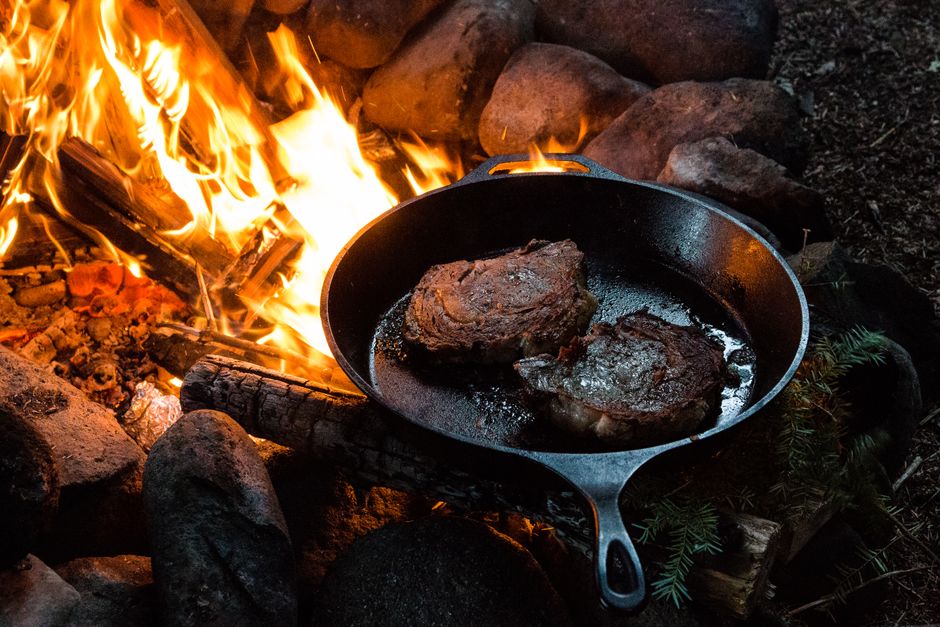
The Ultimate Cast Iron Pan-Seared, Oven-Finished Steak: Achieving Restaurant-Quality Results at Home
Achieving a perfect steak at home often feels like a culinary Everest, a daunting peak reserved for seasoned chefs and professionals with specialized equipment. However, the reality is far more accessible. The combination of a screaming-hot cast iron skillet and a controlled oven finish offers a two-pronged approach that guarantees a magnificent crust, a tender and juicy interior, and a depth of flavor that rivals any steakhouse. This method is not about complex techniques or obscure ingredients; it’s about understanding the fundamental principles of heat transfer and temperature control, executed with a humble yet powerful tool: the cast iron pan.
The magic of cast iron lies in its exceptional heat retention and distribution. Unlike thinner pans, cast iron heats up slowly but then holds that heat with incredible consistency. This is crucial for achieving a superior sear. When a steak hits a properly preheated cast iron surface, the Maillard reaction, the chemical process responsible for browning and developing complex savory flavors, kicks into high gear. This creates that sought-after deeply browned, almost caramelized exterior that is both visually appealing and intensely delicious. Without this intense, even heat, the steak would instead steam, resulting in a pale, unappetizing surface. Furthermore, cast iron’s ability to withstand extremely high temperatures without warping makes it ideal for the initial sear, allowing for a rapid and effective browning process before the steak is moved to the oven.
The oven-finishing component of this technique is equally vital for achieving precise doneness. While pan-searing can bring a steak close to your desired temperature, it’s challenging to cook it through evenly without overcooking the exterior. The oven provides a gentler, more consistent heat environment. By transferring the cast iron pan with the seared steak into a preheated oven, you allow the internal temperature of the steak to rise gradually and evenly. This prevents the outside from becoming tough and dry while the inside remains undercooked. The oven acts as a controlled environment, enabling you to cook the steak to your preferred level of doneness – from rare to well-done – with remarkable accuracy. This dual-cooking method is the secret to unlocking that perfect balance between a crispy, flavorful crust and a succulent, tender interior.
The success of this method hinges on selecting the right steak. While various cuts can benefit, thicker cuts are particularly well-suited for pan-searing and oven-finishing. Think prime cuts like ribeye, New York strip, porterhouse, or T-bone, ideally at least 1.5 to 2 inches thick. These substantial steaks have enough mass to withstand the initial high heat of the sear without cooking through too quickly, and they benefit most from the controlled oven finish to reach perfect internal temperature. Thinner steaks, while delicious, can overcook rapidly in the cast iron, negating the benefits of the oven finish. When choosing your steak, look for good marbling – the flecks of fat distributed throughout the muscle. This intramuscular fat melts during cooking, adding moisture, tenderness, and flavor, making the steak more forgiving and more enjoyable. Dry-aged steaks also offer an intensified beefy flavor and increased tenderness, though they are often more expensive.
Preparation is paramount before the sizzle even begins. Begin by bringing your steak to room temperature. This is a non-negotiable step. A cold steak hitting the hot pan will cook unevenly, with the outside overcooking before the inside reaches the desired temperature. Allow your steak to sit out on a wire rack for at least 30 minutes, and up to an hour for very thick cuts, before cooking. This allows the internal temperature to equalize, promoting more even cooking. Pat the steak thoroughly dry with paper towels. Moisture is the enemy of a good sear; it steams the steak rather than searing it. Removing all surface moisture is critical for achieving that beautiful, crispy crust.
Seasoning should be simple but effective. Generous amounts of coarse sea salt and freshly cracked black pepper are all you truly need for a high-quality steak. Apply the salt just before cooking to prevent it from drawing out too much moisture. For an extra layer of flavor, some chefs advocate salting the steak an hour or even overnight in advance, allowing the salt to penetrate the meat and reabsorb some of the released moisture, leading to a more seasoned interior. However, for a quick and effective method, seasoning right before cooking is perfectly acceptable and yields excellent results.
Preheating your cast iron skillet is perhaps the most crucial step in the entire process. Place your cast iron skillet on the stovetop over medium-high heat. Allow it to heat up for at least 5-10 minutes. You’re looking for the pan to be visibly smoking slightly. A common misconception is to add oil too early. Instead, wait until the pan is screaming hot and then add a high-smoke-point oil, such as grapeseed, canola, or avocado oil. You only need a thin layer; the oil should shimmer but not burn. The pan needs to be hot enough to instantly sizzle and develop a crust on the steak.
Gently place the seasoned steak into the preheated skillet. You should hear an immediate and aggressive sizzle. Avoid moving the steak for the first 2-3 minutes. This allows the crust to form without disruption. You can then flip the steak and sear the other side for another 2-3 minutes, again resisting the urge to move it. For thicker cuts, you will also want to sear the edges of the steak, holding it with tongs to expose each side to the hot cast iron for about 30-60 seconds. During this searing phase, you can also add aromatics like garlic cloves, sprigs of rosemary or thyme, and a knob of butter to the pan. As the butter melts and the aromatics infuse, spoon the melted butter and herb mixture over the steak. This process, known as basting, adds incredible flavor and moisture.
While the steak is searing, preheat your oven to 400-425°F (200-220°C). The specific temperature will depend on your oven and the thickness of your steak, but a moderate-high heat is ideal. Once both sides of the steak have a beautiful brown crust and any desired basting is complete, carefully transfer the entire cast iron skillet (with the steak) into the preheated oven. The skillet will be extremely hot, so always use oven mitts.
The oven-finishing time will vary significantly based on the thickness of your steak and your desired level of doneness. Using an instant-read meat thermometer is the most accurate way to gauge doneness. Insert the thermometer into the thickest part of the steak, avoiding any bone.
Here’s a general guideline for internal temperatures:
- Rare: 120-125°F (49-52°C)
- Medium-Rare: 130-135°F (54-57°C)
- Medium: 140-145°F (60-63°C)
- Medium-Well: 150-155°F (66-68°C)
- Well-Done: 160°F+ (71°C+)
For a 1.5-inch thick steak, a typical oven-finishing time might range from 4-8 minutes for medium-rare, but this is highly variable. It’s always better to err on the side of caution and check the temperature frequently. You can always put the steak back in the oven for a few more minutes if it’s not quite there yet.
Once the steak reaches your desired internal temperature, remove the cast iron skillet from the oven. The steak should have a beautiful, even crust and a perfectly cooked interior. The juices should be flowing, and the aroma should be intoxicating. However, the cooking process isn’t quite finished. Resting the steak is as critical as the searing and oven-finishing. Transfer the steak from the cast iron skillet to a clean cutting board or a plate. Tent it loosely with aluminum foil. Allow the steak to rest for at least 5-10 minutes. This crucial resting period allows the juices that have been pushed to the surface during cooking to redistribute throughout the meat. If you cut into the steak immediately, all those delicious juices will run out onto the plate, resulting in a drier steak.
After resting, slice the steak against the grain. This breaks up the muscle fibers, making the meat more tender and easier to chew. Serve immediately and enjoy the fruits of your labor. This cast iron pan-seared, oven-finished steak method, when executed with attention to detail, delivers an unparalleled dining experience, transforming a simple cut of beef into a culinary masterpiece. Mastering this technique will elevate your home cooking and impress even the most discerning palates.


