Miso Soup With Shiitake Mushrooms
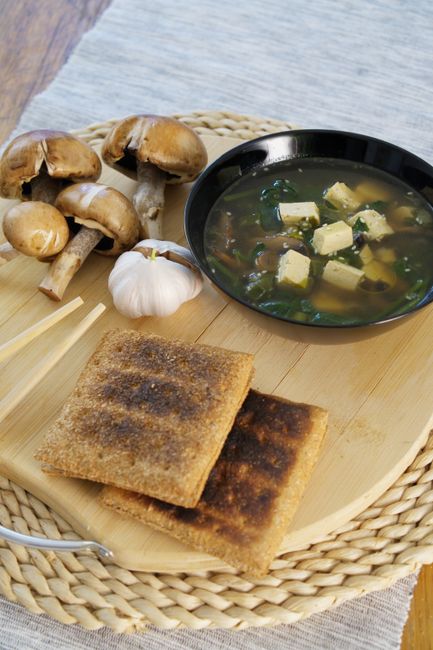
Umami Bomb: Unlocking the Health and Culinary Secrets of Shiitake Mushroom Miso Soup
Shiitake mushroom miso soup represents a sophisticated synergy of flavor and nutrition, a cornerstone of Japanese cuisine elevated by the earthy depth of shiitake mushrooms. This humble yet potent broth transcends simple sustenance, offering a rich tapestry of umami, a complex interplay of savory notes that awakens the palate and delivers a substantial nutritional payload. At its core, the soup is a testament to the power of fermented ingredients and the profound health benefits derived from carefully selected fungi. Miso, the fermented soybean paste, acts as the foundational flavor and probiotic powerhouse, while shiitake mushrooms contribute not only a distinctive, meaty texture and intense savoriness but also a remarkable array of bioactive compounds. The marriage of these two ingredients creates a dish that is both deeply satisfying and remarkably beneficial for overall well-being. Beyond its deliciousness, this soup is a gateway to understanding the principles of Japanese culinary harmony, where simple ingredients are transformed into complex, health-promoting dishes. Exploring the intricacies of its preparation, the science behind its benefits, and its versatility in the kitchen reveals why shiitake mushroom miso soup has earned its esteemed place in both traditional and modern gastronomy.
The nutritional profile of shiitake mushroom miso soup is exceptionally robust, a direct consequence of its two primary components. Miso, a fermented soybean paste, is a rich source of protein, essential amino acids, and a spectrum of B vitamins, including B12, which is particularly noteworthy for its presence in a plant-based food. The fermentation process that transforms soybeans into miso also cultivates beneficial probiotics, akin to those found in yogurt and sauerkraut. These live microorganisms play a crucial role in supporting a healthy gut microbiome, which is increasingly recognized as vital for immune function, nutrient absorption, and even mental well-being. Furthermore, miso contains significant amounts of minerals such as manganese, copper, and zinc, which are critical for various bodily processes, including enzyme function and antioxidant defense.
Shiitake mushrooms, botanically classified as Lentinula edodes, are not merely a flavorful addition but a nutritional powerhouse in their own right. They are renowned for their high content of B vitamins, including riboflavin (B2), niacin (B3), pantothenic acid (B5), and pyridoxine (B6), all of which are essential for energy metabolism. Shiitakes are also a good source of selenium, a potent antioxidant that plays a role in thyroid health and immune response. Perhaps their most celebrated nutritional contribution lies in their polysaccharides, particularly lentinan and beta-glucans. These complex carbohydrates have garnered significant scientific interest for their immune-modulating properties. Studies suggest that these compounds can stimulate the activity of various immune cells, such as macrophages and T-cells, thereby enhancing the body’s ability to fight off infections and potentially deter the growth of abnormal cells. Additionally, shiitake mushrooms offer a unique source of vitamin D when exposed to UV light during their growth or post-harvest processing, a nutrient vital for bone health and immune regulation. The combination of these elements within a single soup creates a synergistic effect, amplifying its health benefits.
The culinary art of creating shiitake mushroom miso soup is a study in balanced flavors and textures, emphasizing the inherent qualities of each ingredient. The foundation is always miso, with varieties ranging from the milder, sweeter white miso (shiro miso) to the robust, saltier red miso (aka miso). The choice of miso significantly impacts the final flavor profile, with white miso lending a delicate sweetness and red miso imparting a deeper, more savory depth. To create the dashi, the traditional Japanese broth base, dried kombu (kelp) and katsuobushi (dried bonito flakes) are typically simmered. For a vegetarian or vegan iteration, shiitake mushrooms themselves can contribute significantly to the dashi’s umami, often replacing or complementing katsuobushi. Fresh shiitake mushrooms are crucial. Their stems, while tougher, can be used to infuse the dashi with additional flavor before being discarded. The caps are then sliced to achieve a pleasant, slightly chewy texture that complements the softer components of the soup. Other common additions that enhance the flavor and visual appeal include silken tofu, which adds a creamy texture, and thinly sliced scallions or chives for a fresh, sharp counterpoint. Wakame, a type of edible seaweed, is another frequent inclusion, offering a slightly salty taste and a tender, slippery texture. The careful layering of these elements, from the simmering of the dashi to the gentle incorporation of miso at the end of the cooking process to preserve its probiotic integrity, is key to achieving an authentic and delicious result.
Beyond its immediate gustatory pleasure, shiitake mushroom miso soup offers a compelling array of health benefits that extend to various physiological systems. The probiotic content of miso is a primary driver of its gut health advantages. A balanced gut microbiome is essential for efficient digestion, optimal nutrient absorption, and the regulation of inflammatory responses. By fostering the growth of beneficial bacteria, miso can help alleviate digestive discomfort, improve bowel regularity, and strengthen the gut barrier, which is crucial for preventing the entry of harmful pathogens into the bloodstream.
The immune-boosting properties of shiitake mushrooms are largely attributed to their rich concentration of polysaccharides, particularly beta-glucans and lentinan. These compounds have been extensively studied for their ability to modulate the immune system. They can prime immune cells, such as natural killer cells and macrophages, making them more effective at identifying and neutralizing foreign invaders like viruses and bacteria. Research has also explored the potential of these compounds in supporting the body’s defense against more complex threats, with some studies indicating a role in the management of certain chronic conditions. Furthermore, the selenium present in shiitakes acts as a potent antioxidant, neutralizing harmful free radicals that can damage cells and contribute to aging and disease. This antioxidant capacity, combined with the immune-modulating effects of the polysaccharides, creates a powerful synergistic defense mechanism within the body.
The cardiovascular benefits associated with regular consumption of shiitake mushroom miso soup are also noteworthy. The soluble fiber found in both miso and shiitake mushrooms can help lower cholesterol levels by binding to cholesterol in the digestive tract and preventing its absorption. Moreover, certain compounds within shiitake mushrooms, such as eritadenine, have demonstrated a capacity to reduce blood pressure, further contributing to cardiovascular health. The antioxidants present also play a protective role by preventing the oxidation of LDL cholesterol, a key step in the development of atherosclerosis. The overall impact of this soup on cardiovascular health is therefore multifaceted, addressing key risk factors through its diverse nutritional composition.
The impact of shiitake mushroom miso soup on energy levels and cognitive function is another area of significant interest. The B vitamins abundant in both ingredients are crucial cofactors in energy metabolism, helping the body convert food into usable energy. Deficiencies in B vitamins can lead to fatigue and a general lack of vitality. By providing a readily available source of these essential vitamins, the soup can contribute to sustained energy levels throughout the day. Furthermore, the complex carbohydrates in miso and shiitake mushrooms provide a slow, steady release of glucose, the brain’s primary fuel source, which can help maintain focus and cognitive clarity. Emerging research also suggests a connection between gut health and brain function, a concept known as the gut-brain axis. The probiotics in miso, by promoting a healthy gut microbiome, may indirectly influence mood and cognitive performance.
Beyond these core benefits, shiitake mushroom miso soup can play a supporting role in other aspects of health. Its mineral content, including zinc and copper, is essential for maintaining healthy skin and supporting wound healing. The anti-inflammatory properties, stemming from the antioxidants and certain bioactive compounds, can help mitigate chronic inflammation, a contributing factor in a wide range of diseases. For those managing their weight, the soup offers a low-calorie, nutrient-dense option that can promote satiety, helping to curb overeating. The complex flavors also contribute to a sense of satisfaction, making it a truly wholesome and guilt-free meal option.
The versatility of shiitake mushroom miso soup extends far beyond its traditional preparation, making it adaptable to various dietary needs and culinary preferences. For individuals following a vegan diet, the use of kombu and shiitake mushrooms for dashi, along with vegetable broths, ensures a deeply flavorful and satisfying base. Tofu and a variety of vegetables like spinach, bok choy, or carrots can be incorporated to enhance nutritional value and textural interest. Gluten-free individuals should opt for miso varieties made without barley or other gluten-containing grains, as some traditional misos may contain these ingredients. Tamari-based miso or specific gluten-free miso brands are readily available. The soup also serves as an excellent base for incorporating other nutrient-rich ingredients. Adding edamame can boost protein content, while a sprinkle of toasted sesame seeds or a drizzle of chili oil can introduce new flavor dimensions. For a more substantial meal, the soup can be served over brown rice or quinoa, transforming it into a hearty and complete dish. Leftovers can be refrigerated and gently reheated, though it’s advisable to add the miso towards the end of the reheating process to preserve its beneficial probiotic cultures. The inherent depth of flavor allows for creative experimentation, making it a staple that can be endlessly reinvented to suit evolving tastes and dietary requirements.
In conclusion, shiitake mushroom miso soup is far more than a simple broth; it is a culinary and nutritional powerhouse. Its rich umami flavor profile, derived from the synergistic combination of fermented soybeans and earthy shiitake mushrooms, offers a deeply satisfying sensory experience. Simultaneously, its impressive nutritional density provides a broad spectrum of health benefits, from bolstering the immune system and supporting cardiovascular health to promoting gut well-being and enhancing energy levels. The meticulous preparation, emphasizing the preservation of probiotic integrity and the nuanced layering of flavors, is a testament to the elegance of Japanese cuisine. As dietary landscapes evolve, the adaptability of shiitake mushroom miso soup to various needs, including vegan and gluten-free options, ensures its continued relevance and popularity. This soup stands as a prime example of how simple, whole ingredients, when thoughtfully combined, can yield a dish that is both profoundly delicious and remarkably beneficial, making it an indispensable addition to any health-conscious and flavor-seeking diet.