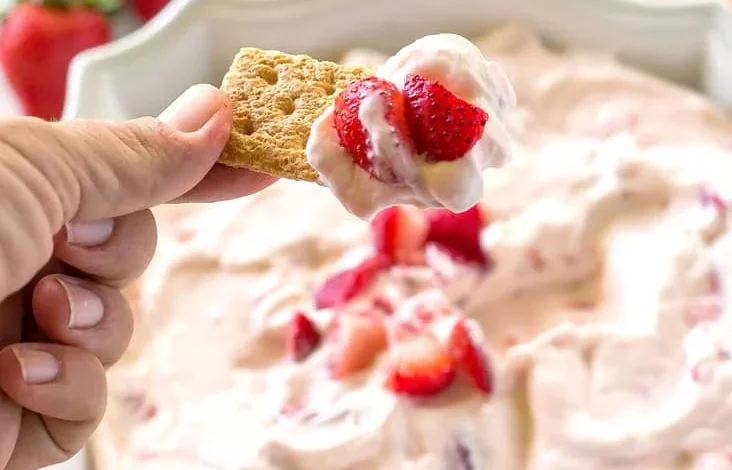
Culinary experts and home economists are observing a significant shift in seasonal dessert trends, characterized by the rise of "deconstructed" confectionery items that prioritize convenience, texture, and temperature regulation. At the forefront of this movement is the Strawberry Cheesecake Dip, a recipe that has gained substantial traction as a staple for summer gatherings and high-heat environments. This dish represents a departure from traditional baked cheesecades, opting instead for a chilled, whipped consistency that combines the structural elements of a classic dessert—crust, filling, and fruit topping—into a versatile, interactive format.
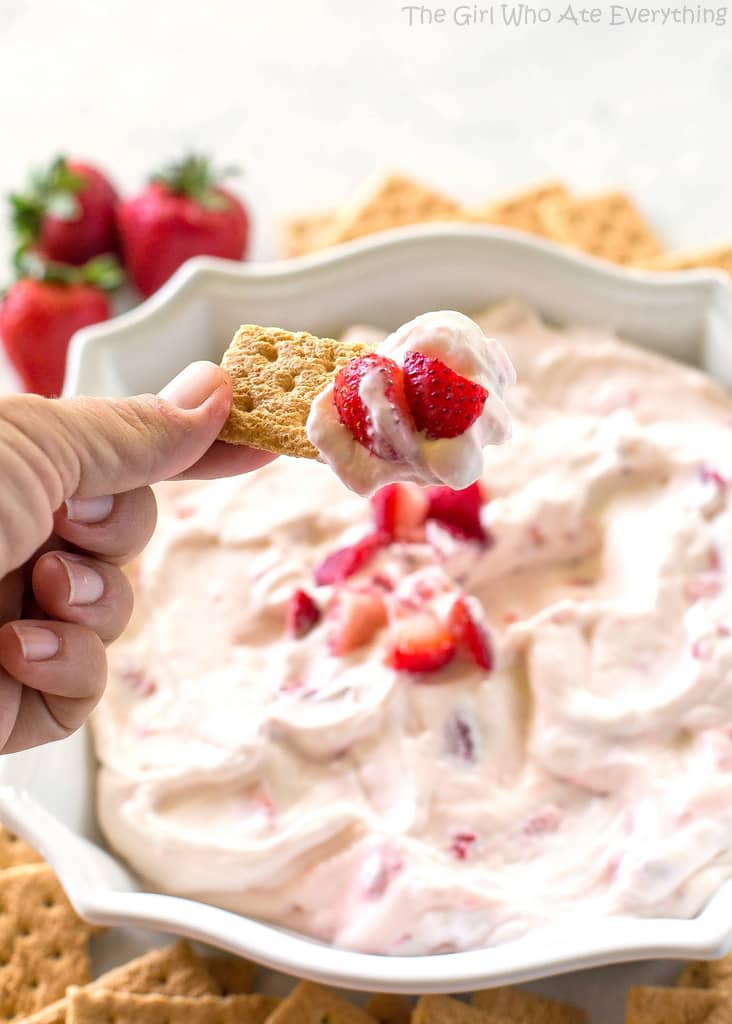
As temperatures rise across the Northern Hemisphere, the demand for no-bake alternatives has surged, reflecting broader consumer preferences for recipes that require minimal kitchen heat and maximum portability. The Strawberry Cheesecake Dip utilizes a base of sweetened cream cheese integrated with fresh strawberries and folded whipped cream, served alongside graham crackers to simulate the traditional crust experience. This evolution of the cheesecake highlights a growing intersection between casual dining and gourmet flavor profiles.
Technical Analysis of the Deconstructed Dessert Format
The Strawberry Cheesecake Dip is fundamentally an exercise in emulsification and aeration. Unlike a standard New York-style cheesecake, which relies on eggs and oven-based coagulation to achieve its density, this dip utilizes the mechanical aeration of heavy cream to provide volume and a light mouthfeel. The process involves folding fresh whipped cream into a stabilized mixture of cream cheese and fruit. This technique ensures that the air bubbles trapped within the cream are maintained, preventing the dip from becoming overly dense or cloying.
From a culinary standpoint, the use of fresh strawberries provides a necessary acidity that cuts through the high fat content of the dairy components. When the fruit is incorporated directly into the cream cheese mixture, it undergoes a slight maceration process, releasing natural sugars and juices that further flavor the base. The inclusion of graham crackers as a dipping medium serves a dual purpose: it provides the "crunch" factor traditionally found in a butter-bound crust and acts as a delivery vehicle for the soft dip, making the dessert suitable for communal consumption.
Historical Evolution and Cultural Context
The history of the cheesecake dates back to ancient Greece, with records suggesting it was served to athletes during the first Olympic Games in 776 B.C. for its high energy content. Over the centuries, the dish evolved from a simple mixture of flour, wheat, honey, and cheese into the various regional iterations known today, such as the ricotta-based Italian version or the dense, cream-cheese-heavy American style popularized in the early 20th century.
The "dip" variation of the cheesecake is a modern sociocultural phenomenon that aligns with the "snackification" of the American diet. As formal sit-down meals give way to grazing and appetizers-as-entrees, desserts have followed suit. The Strawberry Cheesecake Dip reflects a cultural move toward shared experiences. The act of dipping a cracker into a communal bowl mirrors the social dynamics of summer outdoor activities, where food is often consumed in informal settings, such as backyards or poolside environments.
Economic Factors in the Berry and Dairy Sectors
The popularity of fruit-based dips is inextricably linked to the seasonal availability and economic health of the strawberry and dairy industries. According to data from the United States Department of Agriculture (USDA), California and Florida remain the primary producers of strawberries in the U.S., with California accounting for nearly 90% of the domestic crop. The peak harvest season, which spans from late spring through summer, creates a surplus of fresh berries, driving down retail prices and encouraging the development of strawberry-centric recipes.
Simultaneously, the cream cheese market has seen steady growth, with a projected compound annual growth rate (CAGR) of approximately 4.5% over the next five years. This growth is driven by the versatility of the product in both sweet and savory applications. The Strawberry Cheesecake Dip represents a high-value utilization of these commodities, combining perishable produce with stable dairy fats to create a product with high consumer appeal.
Sociocultural Observations and Domestic Integration
The integration of the Strawberry Cheesecake Dip into the domestic routine is often associated with the specific sensory markers of summer. Homeowners and families frequently report that the preparation of such chilled desserts coincides with traditional cooling rituals. For many, the auditory backdrop of summer—such as the operation of garden hoses and the activity of water-based recreation—provides a psychological context for the consumption of cold dairy products.
In regions experiencing extreme heatwaves, where temperatures can reach or exceed 100 degrees Fahrenheit, the psychological and physiological relief provided by chilled desserts cannot be understated. The Strawberry Cheesecake Dip, requiring no oven time, prevents additional thermal load on the household environment. This practical benefit, combined with the nostalgia of summer play—symbolized by the widespread use of water balloons and outdoor trampolines—positions the dish as more than a recipe; it is a component of a larger seasonal lifestyle.
Comparative Ingredient Analysis: Fresh vs. Synthetic
A point of contention within the culinary community regarding this specific recipe is the choice between fresh whipped cream and stabilized vegetable-oil-based toppings, such as Cool Whip. While the latter offers greater stability and a longer shelf life due to the presence of emulsifiers and gums, culinary purists and health-conscious consumers increasingly advocate for fresh whipped cream.
Fresh whipped cream, derived from heavy bovine milk, offers a superior flavor profile and a cleaner "label," meaning it lacks the hydrogenated fats and artificial flavorings found in many frozen toppings. However, from a structural perspective, fresh cream is more prone to syneresis—the weeping of liquid—and deflation over time. Expert recommendations suggest that if fresh cream is used, the dip should be consumed within 24 hours to maintain its intended texture. This debate mirrors a broader industry trend toward "clean eating," where consumers are willing to sacrifice convenience for ingredient transparency.
Food Safety and Storage Protocols
Given that the Strawberry Cheesecake Dip is a dairy-based product often served in outdoor summer settings, food safety is a critical consideration. The United States Food and Drug Administration (FDA) stipulates that perishable foods, particularly those containing cream cheese and whipped cream, should not be left at room temperature for more than two hours. In temperatures exceeding 90 degrees Fahrenheit, this window narrows to one hour.
To mitigate the risk of foodborne illness, food safety experts recommend serving the dip in a "bowl-in-ice" configuration, where the serving vessel is nested within a larger container filled with ice. This ensures the mixture remains below the danger zone (40°F to 140°F) where bacteria such as Listeria and Salmonella can rapidly proliferate. Additionally, the inclusion of fresh fruit introduces moisture, which can accelerate spoilage if the product is not properly refrigerated.
Broader Impact and Future Implications
The success of the Strawberry Cheesecake Dip points toward a future where "interactive eating" becomes a standard for dessert service. The move away from plated, static portions toward customizable, dip-based formats allows for greater flexibility in dietary management and portion control. Furthermore, it allows for the incorporation of diverse "dippers," ranging from traditional graham crackers to gluten-free biscuits or even additional slices of firm fruit like apples.
From a commercial perspective, restaurant chains and catering services are increasingly adopting these deconstructed formats to reduce labor costs associated with intricate plating and to appeal to the "Instagrammable" nature of communal food. The visual appeal of vibrant red strawberries folded into white, airy cream provides a high level of aesthetic value that performs well on social media platforms, further driving the recipe’s viral potential.
Conclusion
The Strawberry Cheesecake Dip stands as a quintessential example of modern culinary adaptation. By distilling the essence of a complex, baked dessert into a simplified, chilled format, it addresses the practical needs of the contemporary consumer while honoring the flavor profiles of traditional confectionery. As the food industry continues to evolve in response to climate trends, economic shifts, and changing social behaviors, the deconstructed dessert is likely to remain a permanent fixture of the seasonal culinary landscape. Whether viewed through the lens of economic commodity trends or the simple joy of a summer backyard gathering, the dip represents a successful fusion of form, function, and flavor.