The Hawaiian Cheese Ball Recipe and the Evolution of the American Holiday Appetizer

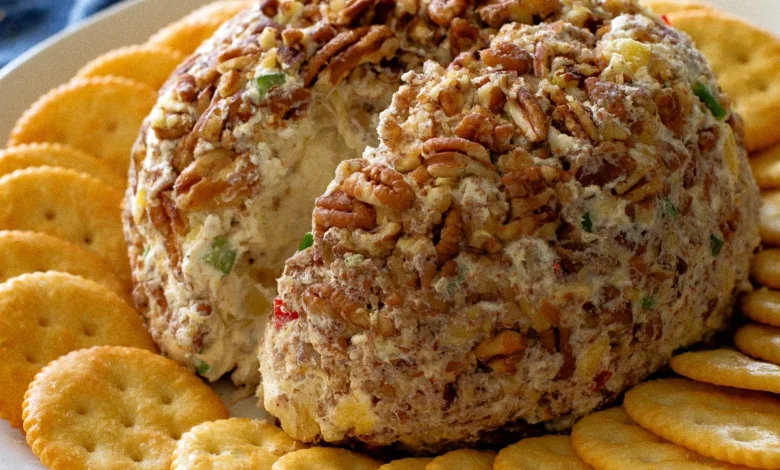
The Hawaiian Cheese Ball has emerged as a quintessential fixture in the landscape of American communal dining, representing a unique intersection of mid-century culinary trends and modern holiday traditions. Defined by its core components of cream cheese, crushed pineapple, green onions, and bell peppers, this appetizer serves as a primary example of the "sweet and savory" flavor profile that gained prominence in the United States during the mid-20th century. While often categorized as a "vintage" or "retro" dish, its persistent presence at social gatherings—ranging from bridal showers and Bunko parties to Thanksgiving and Christmas celebrations—indicates a lasting appeal that transcends mere nostalgia.
The Composition and Culinary Profile of the Hawaiian Cheese Ball
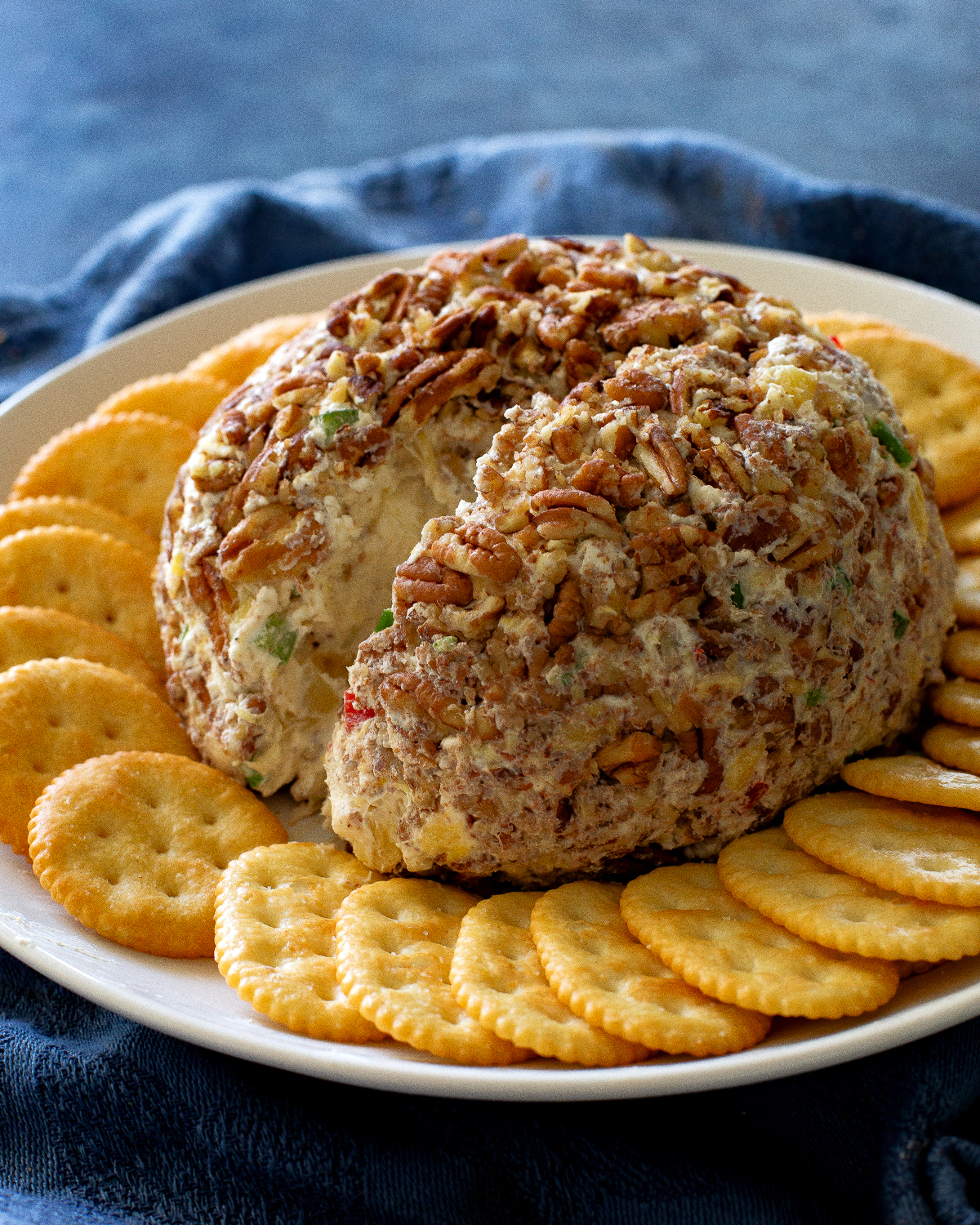
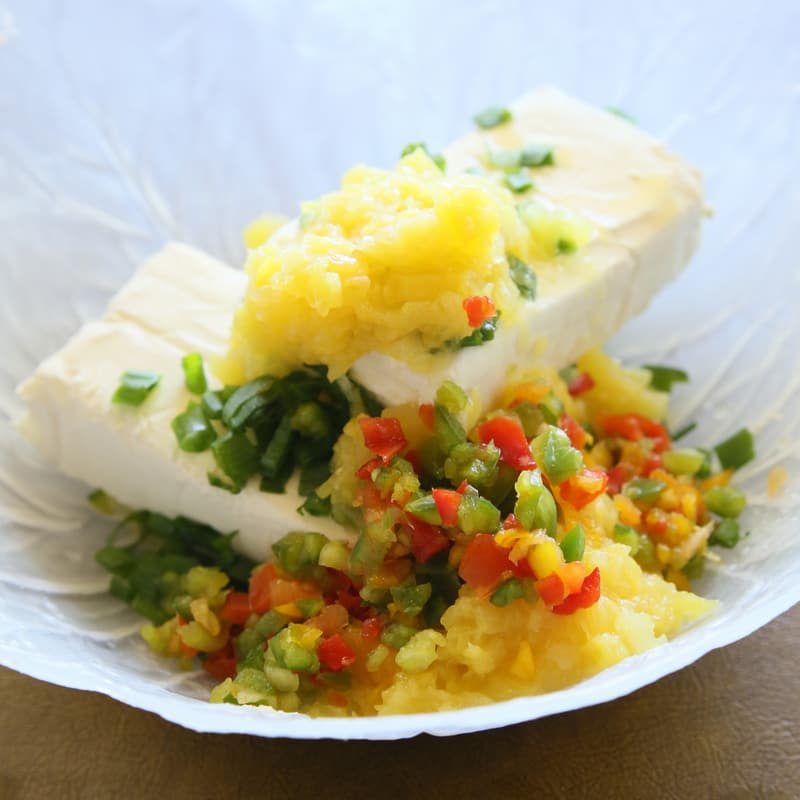
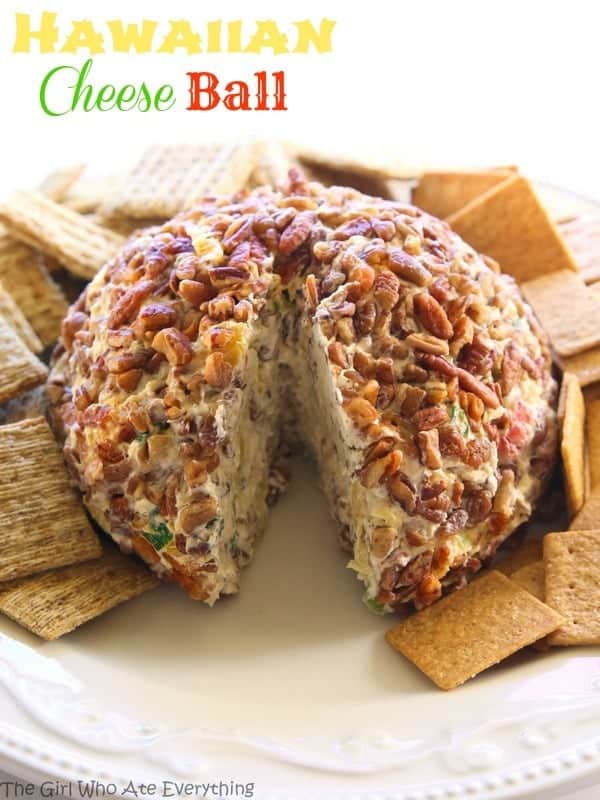
The structural integrity and flavor complexity of the Hawaiian Cheese Ball rely on a precise balance of textures and tastes. At its base, the dish utilizes softened cream cheese, a versatile dairy product that provides the necessary fat content and structural density to hold various inclusions. The integration of crushed pineapple introduces a bright acidity and natural sweetness, a hallmark of the "Hawaiian" branding that became popular in American kitchens following the statehood of Hawaii in 1959.
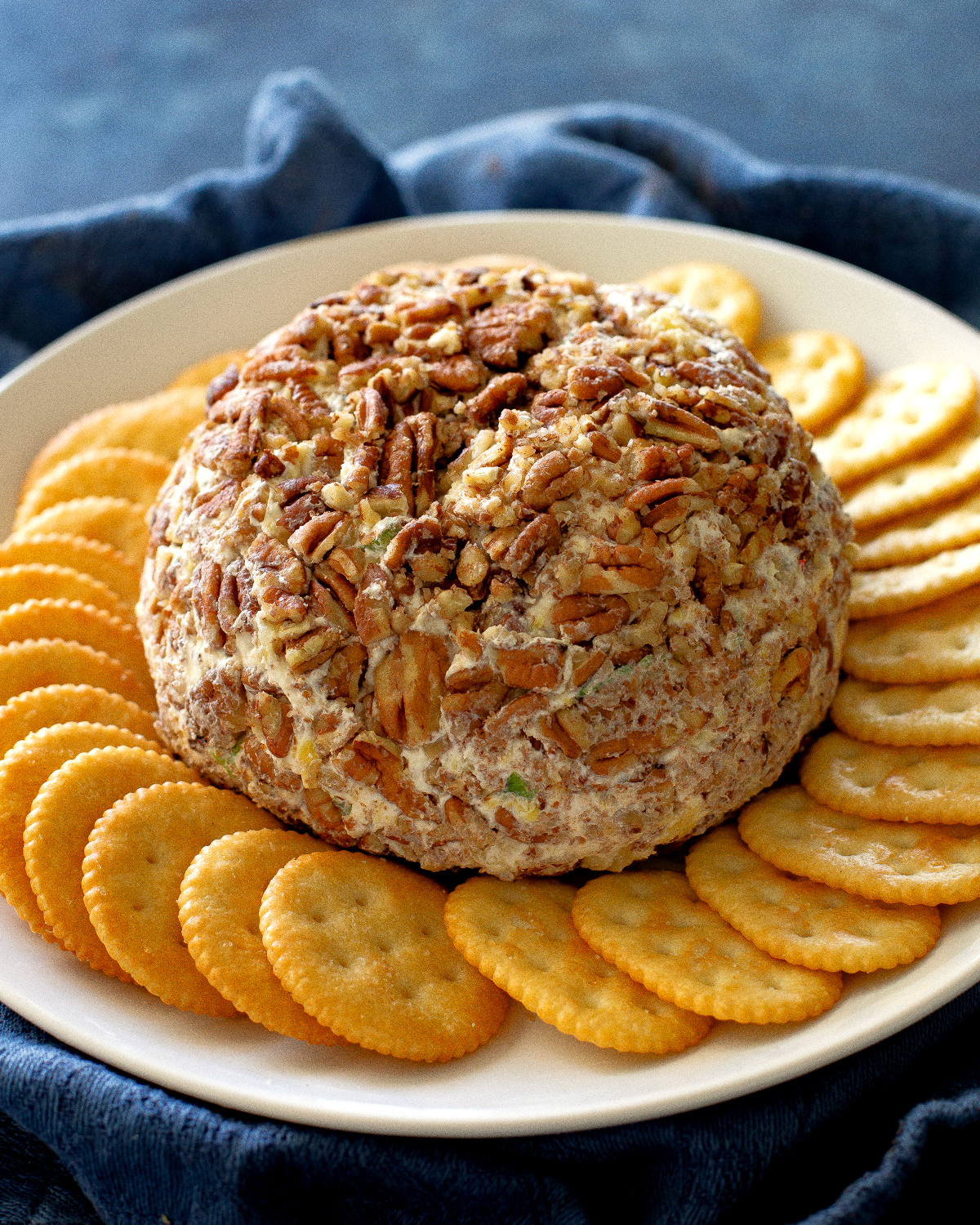
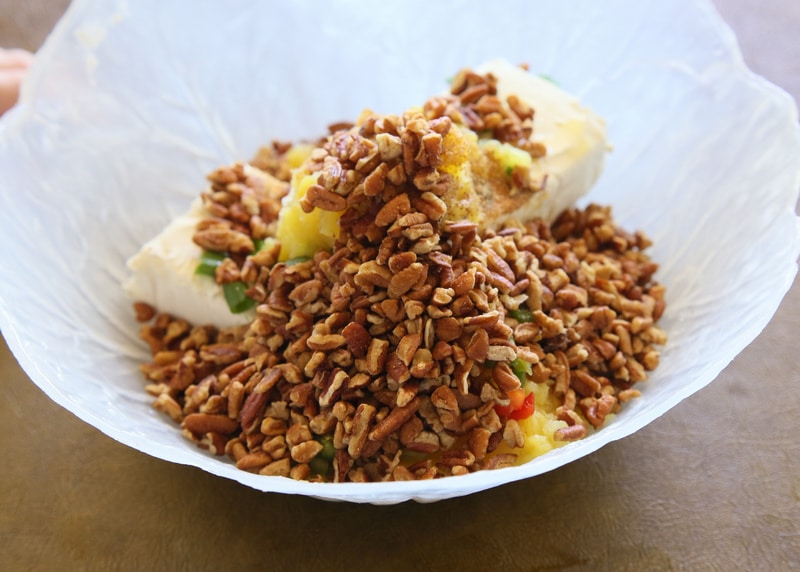
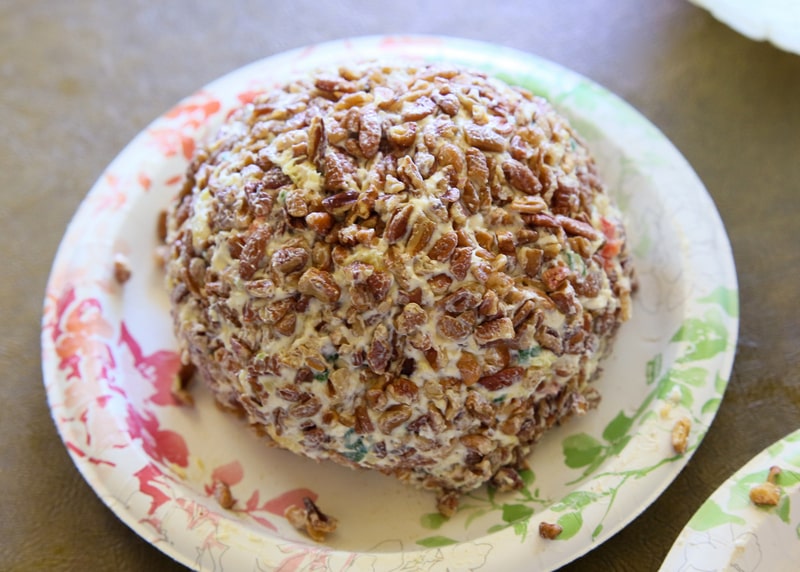
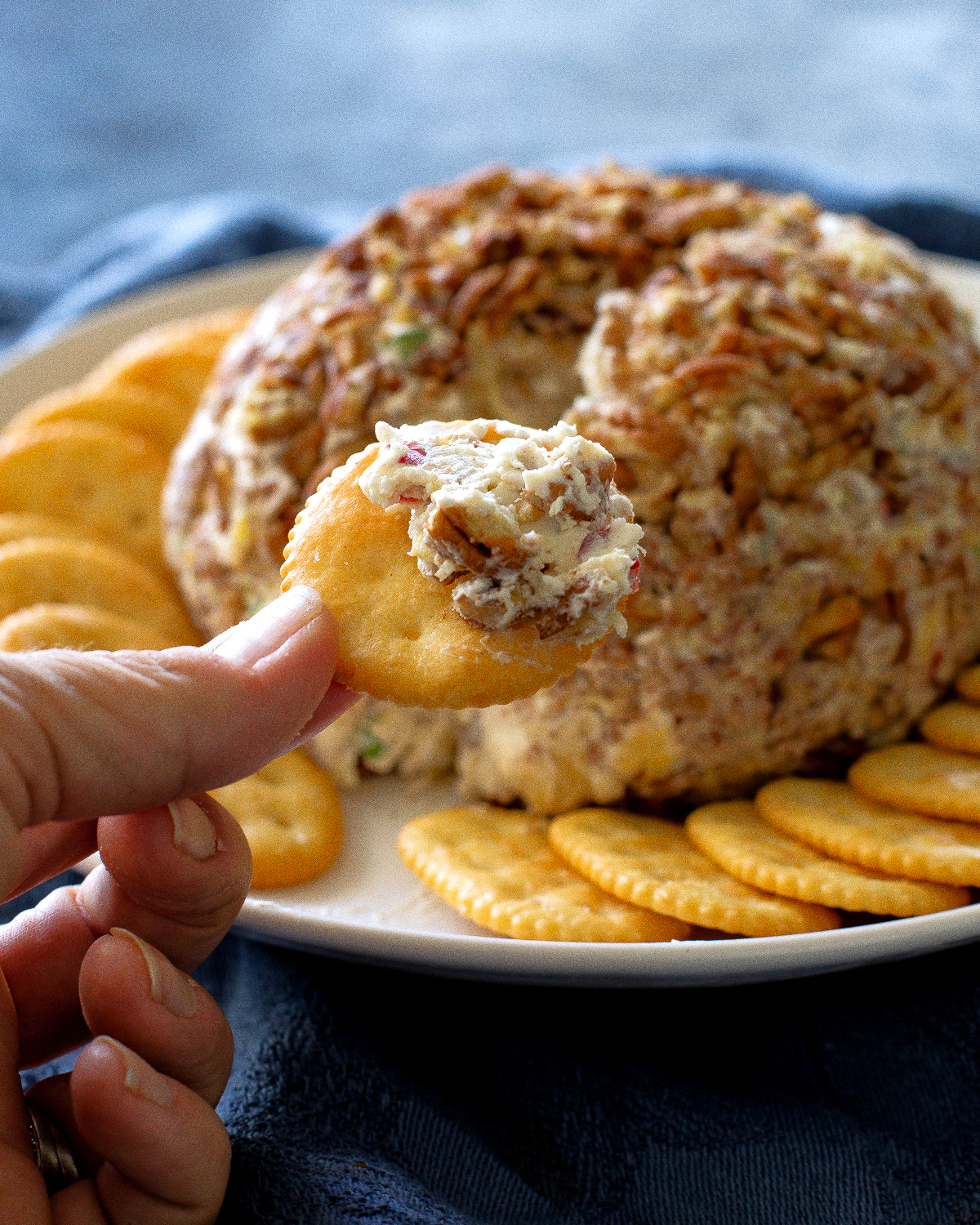
To counter the sweetness of the fruit and the richness of the cheese, the recipe incorporates finely chopped green onions and bell peppers. Culinary experts note that the use of red and green bell peppers is not merely for flavor but serves a strategic aesthetic purpose during the winter holiday season. The inclusion of these colors transforms the appetizer into a festive centerpiece, aligning with the traditional color palette of Christmas. The final element, chopped pecans, serves a dual role: half of the nuts are folded into the mixture for internal crunch, while the remainder is used as an external coating. This exterior layer prevents the cheese from sticking to serving utensils and adds a toasted, earthy finish to each bite.
Historical Context: The Rise of the American Cheese Ball
The lineage of the cheese ball in American gastronomy is both long and storied. While legend suggests that a 1,235-pound cheese ball was presented to President Thomas Jefferson in 1801, the modern iteration—composed of cream cheese and various seasonings—is largely a product of the post-World War II era. As refrigeration became a standard feature in American homes and the industrial production of cream cheese was streamlined by companies like Kraft, the "party ball" became a symbol of middle-class hospitality.
The specific "Hawaiian" variation gained traction during the 1960s and 1970s, a period characterized by an obsession with "Tiki culture" and tropical ingredients. During this era, the addition of canned pineapple to savory dishes was viewed as a sophisticated, "exotic" touch. Recipes for Hawaiian cheese balls were frequently circulated through community cookbooks and bridal showers, as evidenced by the history of this specific version, which was gifted to a bride named Alice years ago. This method of transmission—from friend to friend, generation to generation—has preserved the dish as a "vintage" staple that continues to appear on contemporary tables.
Data and Market Trends in Holiday Appetizers
The resurgence of the cheese ball is supported by broader trends in the food and beverage industry. According to market research data, sales of cream cheese and specialty cheeses typically see a 30% to 40% increase during the fourth quarter of the fiscal year, driven by holiday hosting requirements. Furthermore, the "retro-food" movement has seen a significant uptick in digital engagement. Analysis of social media platforms and recipe databases indicates that searches for "vintage appetizers" and "retro holiday recipes" have grown steadily over the last five years, as younger generations seek out "tried and true" comfort foods that offer a sense of domestic stability.
The pecan industry also benefits from the seasonal popularity of such dishes. As a native North American nut, the pecan is heavily associated with holiday baking and snacking. Trade data from organizations such as the American Pecan Council suggests that the integration of nuts into savory appetizers is a key driver for domestic consumption during the months of November and December.
Social Dynamics and the "Crowd-Pleaser" Phenomenon
The Hawaiian Cheese Ball is frequently described as a "crowd-pleaser," a term that, in a journalistic context, refers to a dish with a high degree of social utility. In settings like Bunko parties—a popular social dice game that emphasizes communal snacking—the ease of consumption is paramount. The cheese ball allows for "grazing," a style of eating that facilitates conversation and social interaction.
Unlike more formal plated appetizers, the cheese ball is served with a variety of crackers, such as Triscuits, Wheat Thins, or Ritz. This versatility allows guests to customize their experience based on their preference for saltiness or texture. From a sociological perspective, the cheese ball represents a "leveling" of the culinary field; it is a dish that is accessible, easy to prepare in advance, and generally well-received by diverse age groups, from children to those who remember the recipe from its mid-century heyday.
Timeline of Preparation and Presentation
For the modern host, the Hawaiian Cheese Ball offers logistical advantages that contribute to its enduring popularity. The chronology of preparation is as follows:
- Softening and Mixing: The cream cheese must be brought to room temperature to ensure a smooth incorporation of the drained pineapple and finely diced vegetables.
- Chilling: Once formed into a sphere, the mixture requires a period of refrigeration. This allows the fats to re-solidify and the flavors of the onion and pepper to meld with the dairy.
- Coating: The final application of pecans is performed just before serving to ensure the nuts remain crisp and do not absorb excess moisture from the cheese.
- Service: The dish is typically presented on a platter surrounded by a curated selection of crackers, often acting as a bridge between the heavier courses of a holiday meal.
Broader Implications for Modern Culinary Traditions
The continued relevance of the Hawaiian Cheese Ball reflects a broader shift in American food culture away from the hyper-minimalism of the early 2000s and back toward "maximalist" hosting. As home cooks look for ways to make their gatherings feel festive and abundant, the visual impact of a well-crafted cheese ball provides a centerpiece that is both decorative and edible.
Furthermore, the "vintage" nature of the recipe serves as a form of cultural continuity. In an era where digital recipes are fleeting, the "Alice Isom bridal shower" provenance of this recipe highlights the importance of culinary heritage. It suggests that despite the rapid evolution of food trends—from molecular gastronomy to the "charcuterie board" craze—there remains a fundamental desire for dishes that evoke a sense of history and community.
Economic and Practical Analysis
From an economic standpoint, the Hawaiian Cheese Ball is a cost-effective solution for large-scale entertaining. The primary ingredients—cream cheese, canned pineapple, and seasonal vegetables—are relatively inexpensive and widely available at standard grocery retailers. This makes the dish an attractive option for "potluck" style events where the goal is to provide a high-volume, high-impact contribution without the expense associated with premium proteins or rare ingredients.
In conclusion, the Hawaiian Cheese Ball is more than a simple combination of fruit and dairy. It is a culinary artifact that tells the story of American mid-century aspirations, the evolution of social hosting, and the cyclical nature of food trends. As it continues to appear at holiday parties and family gatherings, it reinforces the idea that some flavors are timeless, precisely because they are tied to the shared experiences of celebration and community. Whether served at a 1970s bridal shower or a 2024 Christmas dinner, the Hawaiian Cheese Ball remains a testament to the power of simple, effective, and festive cooking.