
Spaetzle And Chicken Soup

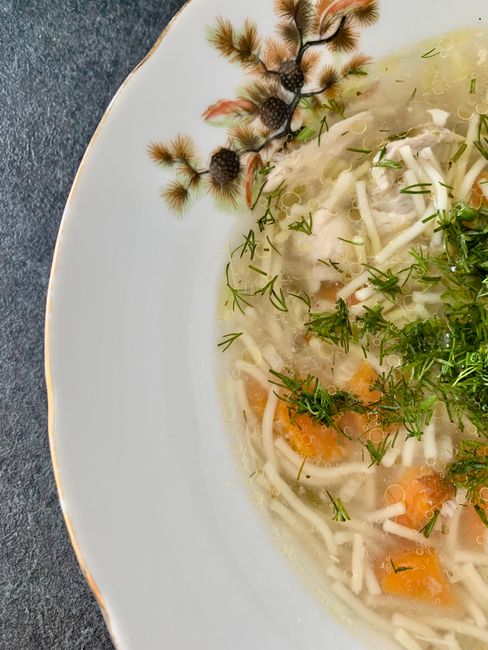
Spaetzle and Chicken Soup: A Comforting Classic
Spaetzle and chicken soup represent a deeply satisfying and enduring culinary combination, particularly prevalent in German and Central European traditions. This dish is more than just sustenance; it’s an emblem of home, warmth, and nourishment. The inherent simplicity of its core components – tender chicken, flavorful broth, and yielding, irregular spaetzle noodles – belies a complex interplay of textures and tastes that can be both grounding and uplifting. Understanding the nuances of each element, from the ideal chicken for broth to the techniques for achieving perfect spaetzle, is key to unlocking the full potential of this comforting classic. The appeal lies in its versatility, easily adaptable to individual preferences and dietary needs, while always retaining its soul-soothing essence. This article will delve into the essential aspects of preparing and appreciating spaetzle and chicken soup, providing insights for both novice cooks and seasoned enthusiasts seeking to master this beloved dish.
The foundation of exceptional spaetzle and chicken soup lies in the quality of the chicken and the careful construction of the broth. For the soup base, a whole chicken or chicken pieces with bones and skin are paramount. These provide gelatin and connective tissues that break down during simmering, yielding a richer, more viscous broth. Dark meat cuts like thighs and drumsticks contribute a deeper flavor profile compared to solely relying on breast meat, which can become dry and less flavorful during extended cooking. The process begins with searing the chicken pieces, a crucial step that caramelizes the exterior, adding a layer of roasted depth to the broth. This is typically followed by a long, slow simmer with aromatics. Common additions include mirepoix – a combination of roughly chopped onions, carrots, and celery – garlic, bay leaves, peppercorns, and fresh herbs like parsley and thyme. The key is low heat and patience, allowing the flavors to meld and the chicken to become fall-apart tender. Skimming off any impurities that rise to the surface during simmering is essential for achieving a clear, clean-tasting broth. After several hours, the chicken is removed, the meat shredded, and the broth strained to remove solids. This foundational broth, imbued with the essence of chicken and aromatics, is the liquid heart of the dish.
Spaetzle, often referred to as German egg noodles, are a distinctive and essential component of this soup. Their unique, irregular shape and tender yet slightly chewy texture are achieved through a special batter and a unique cooking method. The spaetzle batter typically consists of all-purpose flour, eggs, milk (or water), and salt. The ratio of these ingredients is critical; too much flour results in stiff spaetzle, while too much liquid creates a batter that’s difficult to manage. The key to a good spaetzle batter is a firm, yet pliable consistency, similar to a thick pancake batter. Some recipes incorporate a touch of nutmeg, adding a subtle warmth that complements the savory soup. The magic of spaetzle preparation lies in the "spaetzle maker." This can range from a specialized spaetzle press (similar to a potato ricer), a spaetzle board and scraper, or even a colander with large holes. The batter is forced through these openings directly into simmering, salted water. As the spaetzle cook, they float to the surface. They are then quickly scooped out with a slotted spoon. Overcooking spaetzle can lead to a mushy texture, so it’s crucial to cook them in batches and remove them promptly once they float. Some cooks prefer to lightly pan-fry the cooked spaetzle in butter for a slightly crispier exterior and enhanced flavor, especially when serving them as a side dish, though for soup, they are typically added directly from the simmering water.
The assembly of spaetzle and chicken soup is a process of bringing these meticulously prepared components together to create a harmonious dish. Once the chicken broth is strained and the chicken is shredded, it’s returned to the pot. The shredded chicken is then reintegrated into the broth, alongside any additional vegetables that may have been cooked separately or added directly to the soup. Common additions include diced carrots, celery, and sometimes peas or leeks, which contribute sweetness, texture, and visual appeal. The spaetzle, cooked separately as described above, are then either added directly to the soup in the final moments of cooking, allowing them to absorb some of the broth’s flavor, or served alongside in a separate bowl for individuals to add to their soup at will. This latter method is often preferred to prevent the spaetzle from becoming overly saturated and potentially breaking down in the hot broth if left to sit for too long. Seasoning is a final, critical step. The broth is tasted and adjusted with salt and freshly ground black pepper. Freshly chopped parsley or chives are typically used as a garnish, adding a burst of freshness and color that elevates the visual appeal and aroma of the finished soup. The warmth and aroma emanating from a bowl of spaetzle and chicken soup are instantly recognizable and inviting.
Variations and enhancements to the basic spaetzle and chicken soup recipe abound, reflecting regional differences and personal culinary preferences. In some parts of Germany, the soup might include a greater variety of root vegetables like parsnips or turnips, adding earthy sweetness. Others might opt for a creamier broth, achieved by incorporating a touch of heavy cream or milk into the finished soup, or by emulsifying some of the rendered chicken fat back into the broth. For a heartier meal, some recipes call for pearl barley or rice to be simmered in the broth alongside the vegetables, adding an additional layer of texture and substance. Herbs play a significant role in customization. While parsley and thyme are common, rosemary, sage, or even a touch of marjoram can lend different aromatic profiles. For a spicier kick, a pinch of red pepper flakes or a swirl of hot sauce can be incorporated. Those seeking a richer, more complex flavor might consider adding a splash of white wine to the broth during the simmering process, which can deglaze the pan and add a subtle acidity. For a vegetarian or vegan adaptation, vegetable broth replaces chicken broth, and plant-based proteins like tofu or legumes can be used in place of chicken. The spaetzle itself can also be modified. Spinach can be pureed and added to the batter for vibrant green spaetzle, or whole wheat flour can be substituted for a portion of the all-purpose flour for a nuttier flavor and increased fiber content. The fundamental structure of spaetzle and chicken soup remains consistent, but the canvas is ripe for individual expression.
The nutritional profile of spaetzle and chicken soup is generally favorable, making it a wholesome choice for a meal. Chicken, a lean protein source, provides essential amino acids and is a good source of B vitamins, important for energy metabolism. The broth itself, when made from scratch with bones, is rich in collagen and minerals. Vegetables like carrots and celery contribute dietary fiber, vitamins (such as Vitamin A and K), and antioxidants. While flour-based spaetzle contribute carbohydrates for energy, they are typically consumed in moderate portions within the soup. The overall fat content can be controlled by skimming excess fat from the broth. For those monitoring sodium intake, using low-sodium broth or adjusting salt levels accordingly is recommended. The dish offers a good balance of macronutrients – protein, carbohydrates, and some healthy fats – and is particularly effective at promoting satiety due to the protein and fiber content. When prepared with whole ingredients and without excessive amounts of added fat or sodium, it stands as a nutritious and satisfying meal option. Its warming properties also make it an excellent choice for individuals feeling unwell, as the hydration and readily available nutrients can aid recovery.
The cultural significance and historical context of spaetzle and chicken soup further underscore its enduring appeal. Spaetzle’s origins are often debated, with some attributing its creation to the Swabian region of southwestern Germany, while others suggest influences from Italian pasta-making traditions. Regardless of its precise genesis, spaetzle quickly became a staple throughout German-speaking countries and beyond, particularly in regions with a strong agricultural heritage. Chicken soup, in its various forms, has been a universally recognized remedy and comfort food for centuries, transcending geographical and cultural boundaries. The combination of these two elements likely arose from the practicalities of home cooking: utilizing readily available ingredients like chicken and flour to create a nourishing and economical meal. The tradition of serving this soup during colder months, or when someone is feeling under the weather, highlights its role as a symbol of care and hospitality. It’s a dish that evokes memories of family gatherings, grandmother’s kitchen, and the simple pleasures of a well-prepared meal. The presence of spaetzle elevates the humble chicken soup, transforming it into a more substantial and distinct culinary experience that continues to be cherished and passed down through generations. Its widespread popularity speaks to its inherent ability to provide comfort, nourishment, and a sense of tradition.


