Overnight French Toast Bake
Overnight French Toast Bake: The Ultimate Make-Ahead Breakfast and Brunch Solution
The overnight French toast bake stands as a culinary marvel, a breakfast and brunch game-changer designed for maximum flavor with minimal morning effort. This recipe transcends the traditional stovetop method by allowing the bread to soak overnight in a rich, custard-like mixture, resulting in an unbelievably tender, custardy interior and a beautifully golden, slightly crisp exterior. Unlike its single-serving counterpart, the bake is inherently suited for feeding a crowd, making it an ideal choice for holiday brunches, weekend gatherings, or simply for ensuring delicious breakfasts throughout the week. The beauty of the overnight preparation lies in its simplicity: a few minutes of assembly the night before unlocks a world of effortless indulgence the following morning. This guide will delve deep into every aspect of creating the perfect overnight French toast bake, from selecting the ideal bread and crafting the impeccable custard to exploring a myriad of customizable flavor variations and essential baking techniques.
The foundation of any exceptional overnight French toast bake is the bread. Not all breads are created equal when it comes to absorbing liquid and achieving that desired custardy texture. Stale or day-old bread is paramount. Freshly baked, soft bread will likely disintegrate during the overnight soak, leading to a mushy and unappealing result. The ideal candidates are dense, slightly dry breads that have had at least 24 hours to stale. Challah, brioche, and French bread are the quintessential choices due to their rich egg content and airy yet sturdy crumb. These breads readily soak up the custard without becoming overly soggy. For a slightly heartier or more rustic flavor profile, consider using sourdough, Italian bread, or even a dense whole wheat bread. Sourdough, in particular, adds a pleasant tang that complements sweet toppings beautifully. The key is to have bread with a good structure that can withstand the prolonged soaking period. When cubing or tearing the bread, aim for pieces that are roughly 1-inch in size. Smaller pieces may over-absorb and become too soft, while larger pieces might not fully hydrate, leaving some dry spots. The amount of bread needed will depend on the size of your baking dish, but generally, a 9×13 inch baking dish will require about 10-12 cups of cubed bread.
The custard is the soul of the French toast bake, transforming simple bread into a luxurious breakfast treat. A well-balanced custard is crucial for both flavor and texture. The classic ratio involves eggs, milk, and sugar, but the magic lies in the proportions and the addition of enriching ingredients. For a standard 9×13 inch bake, a base of 6-8 large eggs is usually sufficient. The liquid component is typically whole milk, which provides a creamy richness. However, you can also experiment with half-and-half or even heavy cream for an even more decadent custard. Non-dairy alternatives like almond milk, soy milk, or oat milk can be used, but be aware that they may alter the flavor and richness profile. The sweetness of the custard can be adjusted to your preference, but a good starting point is around 1/2 cup of granulated sugar. For added depth of flavor and a more complex sweetness, consider using brown sugar, maple syrup, or a combination. Vanilla extract is non-negotiable, infusing the custard with its warm, aromatic notes. Aim for 1-2 teaspoons of good quality vanilla extract. Beyond the basics, several additions can elevate the custard. A pinch of ground cinnamon is a classic pairing, adding warmth and spice. Nutmeg, cardamom, or even a touch of ginger can introduce more nuanced flavors. For a truly indulgent experience, consider adding a tablespoon or two of melted butter or a splash of heavy cream directly into the custard mixture. This will contribute to a richer, more tender final product. Whisking the ingredients thoroughly is essential to ensure the eggs are fully incorporated and no streaks of raw egg remain.
The "overnight" aspect of this recipe is where its true brilliance lies. This crucial resting period allows the bread to fully absorb the custard, ensuring every bite is saturated with flavor and boasts an impossibly tender, almost pudding-like texture. After assembling the French toast bake in your chosen baking dish, cover it tightly with plastic wrap. It’s important to press the plastic wrap directly onto the surface of the bread mixture to prevent air from getting in and drying out the top layer. Then, refrigerate the dish for at least 8 hours, or preferably overnight. The longer the soak, the more saturated and tender the bread will become. This extended soaking period is what differentiates it from a standard French toast preparation and is the secret to its signature custardy consistency. When ready to bake, remove the dish from the refrigerator and allow it to sit at room temperature for about 20-30 minutes. This brief tempering period helps to ensure more even cooking.
Baking the overnight French toast bake requires attention to temperature and time to achieve that perfect balance of a cooked custard and a golden-brown crust. Preheat your oven to 350°F (175°C). Place the baking dish on a baking sheet. This serves a dual purpose: it catches any potential drips or overflows, keeping your oven clean, and it helps to promote more even heat distribution. The baking time will vary depending on the depth of your dish and the specific bread used, but generally, a 9×13 inch bake will take between 40 to 50 minutes. You’ll know it’s done when the top is beautifully golden brown, the edges are set, and the center is firm but still slightly jiggly. A knife inserted into the center should come out clean or with moist crumbs attached, but not wet batter. If the top is browning too quickly before the center is cooked, you can loosely tent the dish with aluminum foil.
Customization is where the overnight French toast bake truly shines, allowing for endless flavor profiles to suit any palate or occasion. Fruity variations are incredibly popular. Before pouring the custard over the bread, layer in fresh or frozen berries (blueberries, raspberries, strawberries), sliced apples, pears, or even diced peaches. For a touch of warmth, toss the fruit with a little cinnamon and a teaspoon of sugar. Chocolate lovers can rejoice by adding chocolate chips, mini chocolate chunks, or even a drizzle of melted chocolate into the bread mixture before baking. A sprinkle of cocoa powder in the custard itself can further enhance the chocolatey experience. Nutty additions like chopped pecans, walnuts, or almonds provide delightful crunch and earthy flavor. Toasting the nuts before adding them will intensify their flavor. For a more refined and autumnal taste, consider incorporating spices like cinnamon, nutmeg, cloves, and ginger into both the bread and the custard. A touch of orange zest can add a bright, zesty note. For a savory twist, omit the sugar from the custard and incorporate ingredients like shredded cheese (cheddar, Gruyère), cooked bacon or sausage crumbles, spinach, or sautéed mushrooms and onions. A sprinkle of fresh herbs like chives or parsley can finish off a savory bake beautifully.
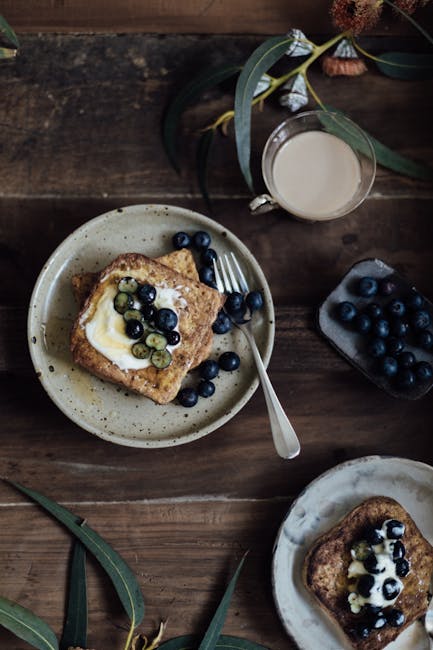
Serving the overnight French toast bake is as much about the toppings as it is about the bake itself. The classic accompaniments remain timeless for a reason. Warm maple syrup is the quintessential pairing, its sweet, woody notes complementing the rich custard perfectly. A dusting of powdered sugar adds a touch of elegance and sweetness. Fresh berries, whether a simple scattering or a more elaborate fruit compote, provide a burst of freshness and vibrant color. Whipped cream or a dollop of Greek yogurt offers a creamy contrast. For those who enjoy a little crunch, a sprinkle of toasted nuts or granola is a welcome addition. Consider a drizzle of caramel sauce or chocolate ganache for a truly decadent experience. For savory bakes, a dollop of sour cream, a sprinkle of fresh chives, or even a side of crispy bacon or sausage can elevate the dish.
When it comes to making ahead, the overnight French toast bake is a champion. The entire assembly process, from cubing the bread to whisking the custard and layering it all together, can be done the night before. This is its primary selling point. Once assembled and refrigerated, it can typically be stored for up to 2-3 days. This makes it incredibly convenient for busy mornings or for preparing for guests well in advance. When you’re ready to bake, simply remove it from the refrigerator and proceed with the baking instructions. If you’re making it further in advance, you can also freeze the assembled, unbaked French toast bake. Ensure it is tightly wrapped in plastic wrap and then aluminum foil. When ready to bake from frozen, remove the foil and plastic wrap, cover with aluminum foil, and bake at a slightly lower temperature (around 325°F or 160°C) for a longer period, adding about 15-20 minutes to the baking time. Uncover for the last 20-30 minutes to allow browning.
Troubleshooting common issues ensures a consistently delicious outcome. Mushy French toast is often a result of using fresh bread or over-soaking. Ensure your bread is stale, and if you find it’s consistently too soft, reduce the soaking time slightly. Dry spots can occur if the bread wasn’t fully submerged in the custard or if the plastic wrap didn’t create a tight seal. Ensure even saturation and a good seal. Uneven browning can be addressed by using a baking sheet and tenting with foil if necessary. A custard that doesn’t set usually indicates not enough eggs or insufficient baking time. Ensure you are using enough eggs and bake until the center is firm. For those with dietary restrictions, the recipe is highly adaptable. Gluten-free bread can be used, though the texture may differ slightly. For dairy-free options, plant-based milks and butter alternatives work well. Sugar substitutes can also be employed.
The overnight French toast bake is more than just a recipe; it’s a strategy for stress-free, delicious mornings. Its inherent make-ahead nature liberates you from morning prep, allowing you to savor a gourmet breakfast with minimal effort. The adaptability of the core recipe means it can be tailored to any preference, from classic cinnamon-sweet to bold and savory. Mastering the basics of bread selection, custard consistency, and proper baking will unlock a world of breakfast and brunch possibilities, establishing the overnight French toast bake as a staple in any culinary repertoire. The sheer joy of waking up to a pre-made, aromatic dish that promises a delightful start to the day is unparalleled, making this recipe a true kitchen hero.