The Abundant Harvest: A Parisian Baker’s Ode to Summer Fruits and the Art of the Galette

Summer has long been celebrated as a season of unparalleled culinary bounty, and for bakers, it represents a cherished period of vibrant flavors and accessible ingredients. In Paris, the bustling markets transform into a cornucopia of nature’s finest offerings, a spectacle that deeply resonates with those who understand the magic of transforming fresh produce into delectable creations. This season, particularly, has been marked by an abundance of stone fruits, from the succulent peaches and nectarines to the jewel-toned cherries and plums. As the summer progresses, this plentiful supply not only brings joy to the palate but also contributes to a more favorable price point, allowing enthusiasts to procure and preserve these fleeting treasures.
The Allure of the Producer’s Market
A cornerstone of the Parisian culinary landscape is the direct connection between consumers and producers. For bakers like David Lebovitz, a prominent figure in the world of pastry and author, seeking out "producteurs" – vendors who cultivate the very food they sell – is a summer ritual. These dedicated individuals bring an authentic taste of the season to the market, offering a curated selection of fruits at their peak. Among the most anticipated finds are the Reine Claude and mirabelle plums, their sweet and tart profiles a hallmark of late summer. Then there are the cherries, often presented in a dazzling array of varieties, each with its unique character. The markets also showcase plump melons, their fragrance wafting from a distance, signaling their ripeness and sweetness. Tender figs, with their delicate texture and rich flavor, and fresh apricots, bursting with sunshine, complete this idyllic picture of summer’s harvest.
The Sweet Deal of Imperfect Produce
Beyond the inherent beauty of pristine produce, there’s a particular charm in the "imperfect" or surplus fruits that find their way to market. These often represent a baker’s secret weapon, offering exceptional quality at a reduced cost. Traditionally, vendors might group slightly bruised or overripe cherries in baskets, marketing them as "for clafoutis" – a polite euphemism for "for baking." This practice, born out of a desire to minimize waste and cater to the needs of home bakers, ensures that even fruits that might not meet the strict aesthetic standards for fresh consumption can still be appreciated for their flavor. While there might be occasional shifts in market personnel, the tradition of offering these slightly imperfect gems at a discount persists, a testament to the enduring spirit of culinary resourcefulness. This year, despite a perceived turnover in some vendor staff, the replacements have continued this welcome practice, making quality fruit accessible for all.
A Baker’s Bounty: The Apricot Accumulation
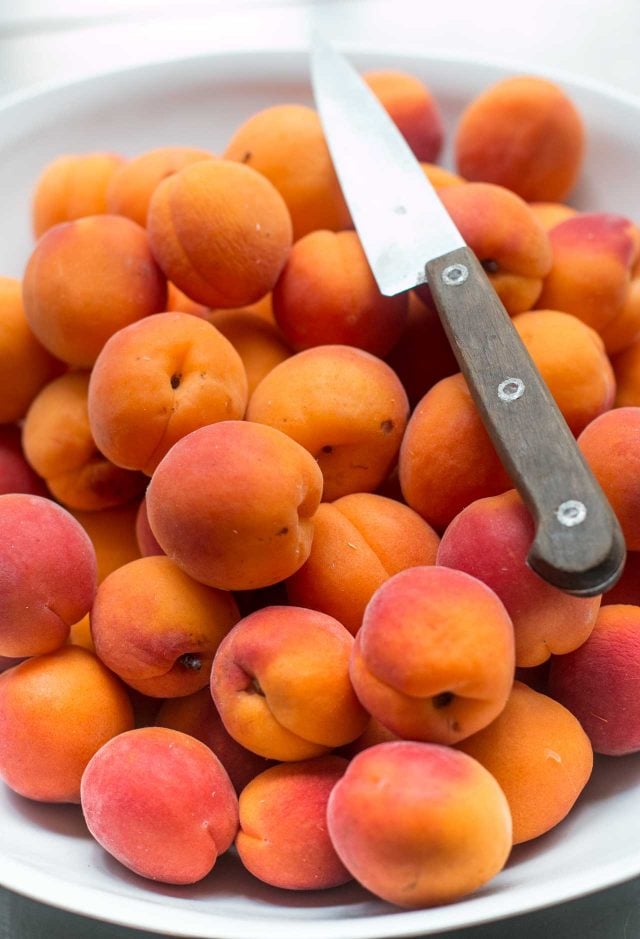
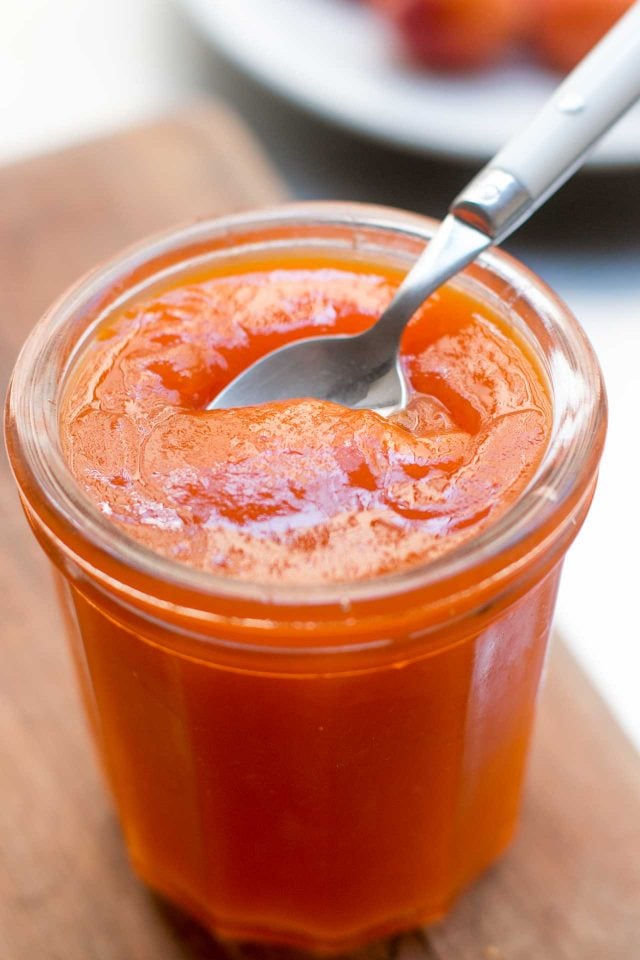
The recent weeks have seen an extraordinary abundance of fresh apricots, a particular highlight for many market-goers. Reports indicate that small crates of these sun-kissed fruits have been offered at remarkably attractive prices, around €5 for three kilograms, translating to approximately one dollar per pound. This exceptional value has led some, like Lebovitz, to engage in what can only be described as "fruit hoarding," driven by a passion for preservation and a desire to capture the essence of summer. The initial purchase of apricots, intended for making apricot jam, quickly escalated. With a personal penchant for making jam – a process that involves meticulous cleaning and preparation after each batch – the allure of such a plentiful and affordable ingredient proved irresistible. This led to multiple return trips to the market, resulting in the acquisition of several additional cases of fresh apricots. This dedication to stocking up underscores a deep appreciation for seasonal produce and the desire to extend its enjoyment beyond its ephemeral peak.
The Art of the Galette: Managing Juices and Flavors
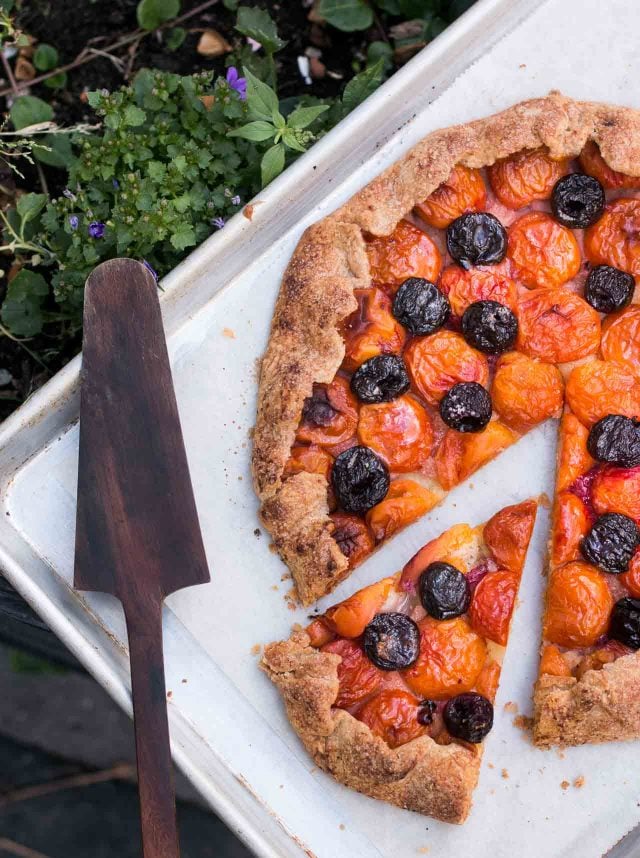
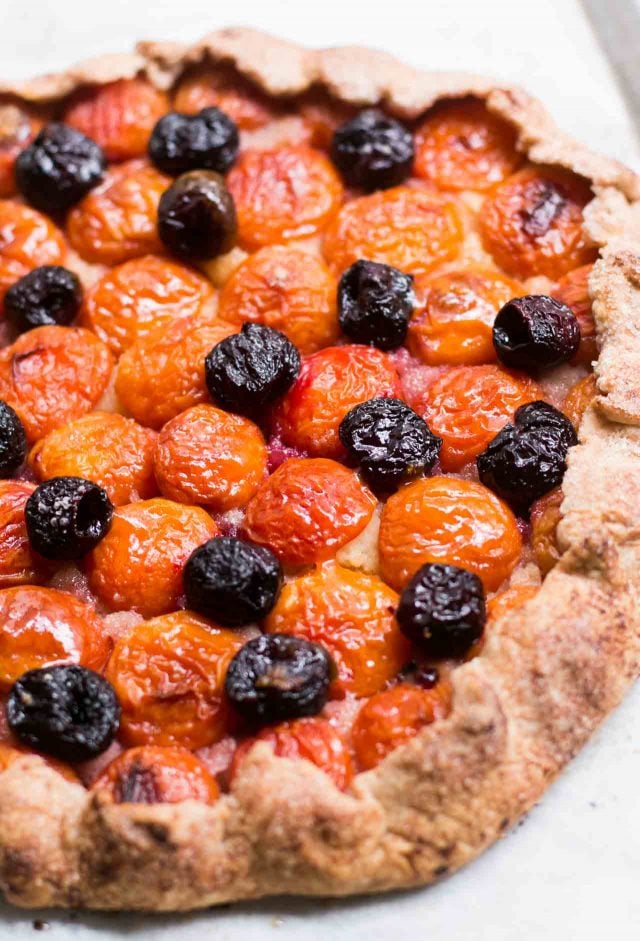
With an abundance of apricots at hand, the creative impulse to transform them into a delightful baked good becomes paramount. The apricot galette, a rustic, free-form tart, emerges as a perfect canvas for these sweet fruits. However, baking with stone fruits, especially apricots, often presents a challenge: the potential for excess juice to ooze out during the baking process. This is a well-known phenomenon, and experienced bakers develop strategies to manage this moisture.
During his tenure at Chez Panisse, Lebovitz recalls a specially formulated mixture, affectionately nicknamed "Moon Dust" and humorously re-christened "Lunar Lint" by him. This concoction was a blend of flour, almond meal, sugar, and crushed amaretti cookies. The purpose of this mixture was to absorb any excess juices, preventing the tart’s bottom crust from becoming soggy and ensuring a crisp, delightful texture. This technique is particularly valuable for fruits like apricots, which are known for their juicy disposition.
The Amaretti Conundrum and Creative Solutions
The inclusion of amaretti cookies in the "Lunar Lint" mixture adds a unique dimension of flavor and texture. These traditional Italian almond biscuits, with their delicate crunch and subtle almond essence, are a baker’s delight. However, their availability can be somewhat inconsistent, especially in Paris on a Sunday when most shops are closed. This logistical hurdle often necessitates pre-planning or finding suitable alternatives.
Lebovitz humorously notes his own tendency to snack on amaretti when kept readily available, making it difficult to reserve them for baking purposes. While he offers a recipe for homemade amaretti in his acclaimed cookbook, "Ready for Dessert," the demands of jam-making and subsequent cleanup left little time for such an undertaking. This practical consideration highlights the balancing act bakers often perform between achieving artisanal perfection and managing time constraints. In the absence of readily available amaretti, creative substitutions become essential.
The Enduring Appeal of Frangipane
The galette, while inherently delicious with just fruit, can be elevated to new heights with the addition of frangipane, a classic almond cream filling. This rich, flavorful layer not only complements the fruit but also serves a crucial functional purpose. As Lebovitz observes, the frangipane acts as a barrier, absorbing excess fruit juices and safeguarding the crispness of the tart’s bottom crust. This is especially beneficial when working with fruits known for their high moisture content.
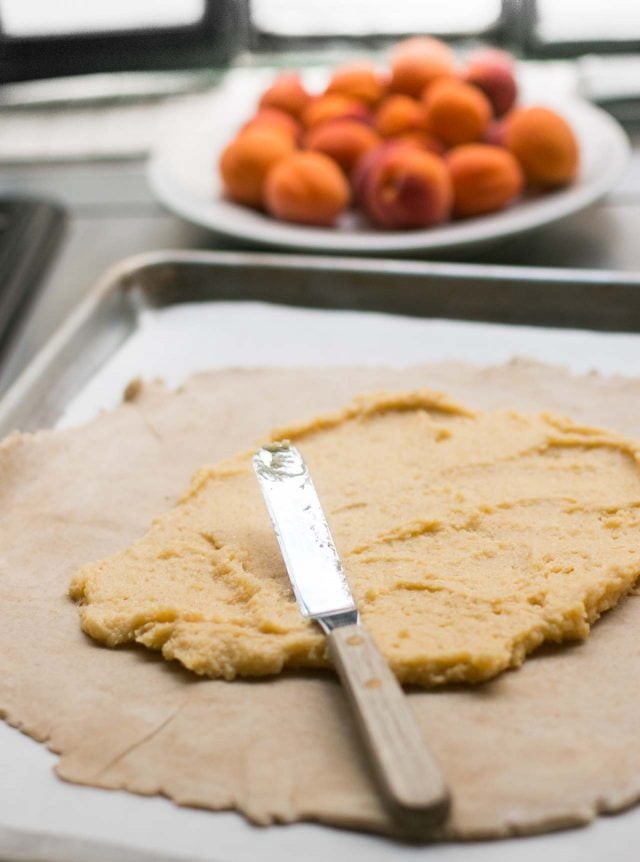
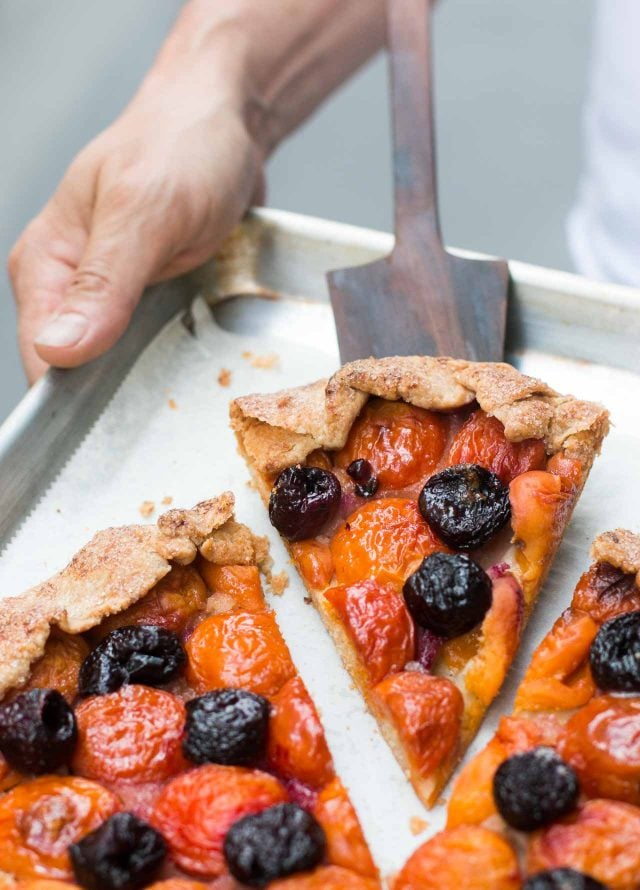
The frangipane itself is a simple yet elegant preparation, typically made with ground almonds, butter, sugar, and eggs. Its nutty depth and subtle sweetness create a harmonious counterpoint to the tartness of the fruit, enhancing the overall flavor profile. The combination of apricots and cherries, enhanced by this almond cream, was described by guests as a "sick" combination, a slang term that, while perhaps not traditionally culinary, effectively conveys a sense of exceptional delight and deliciousness. From a more traditional perspective, the French would describe such a combination as "chouette," meaning "owl," a term that conveys charm and cleverness.
Adapting the Galette for All Seasons and Palates
The beauty of the galette lies in its versatility. While the current season celebrates stone fruits like apricots and cherries, the recipe can be adapted to incorporate a wide array of fruits as they come into season. Figs, pears, and apples are excellent candidates for fall and winter variations. The key is to select fruits that are ripe and flavorful, and to adjust the preparation based on their moisture content.
For those who prefer to omit the frangipane, or if it’s not readily available, alternative methods exist to ensure a crisp crust. Sprinkling the bottom of the tart dough with crumbled cookies, nuts, or flour can provide a similar moisture-absorbing effect. Alternatively, tossing particularly juicy fruits in a teaspoon or two of cornstarch can help to thicken their natural juices. However, Lebovitz firmly advocates for the inclusion of frangipane, citing its superior contribution to both flavor and texture.
Enhancing the Crust and Flavor Profile
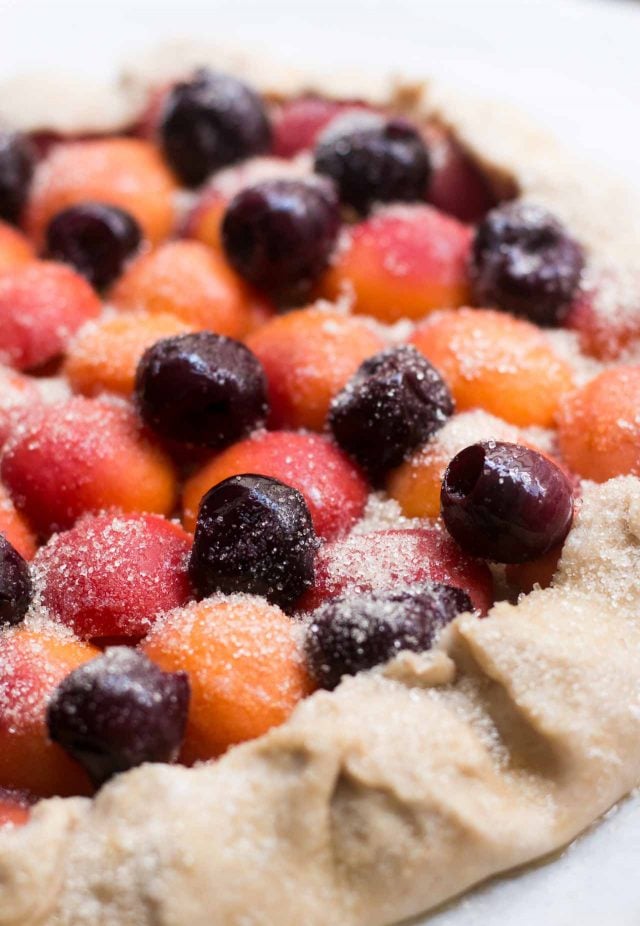
The final touch on a galette often involves a sprinkle of sugar just before baking. Lebovitz specifically mentions using organic cane sugar, noting its coarser texture and tendency to resist melting as easily as granulated sugar. This results in delightful, crackly crystals on the crust, adding an extra layer of textural interest and visual appeal. While regular granulated sugar is a perfectly acceptable substitute, the subtle crunch of cane sugar is a detail that elevates the finished product.
An update to the recipe acknowledges a reader’s observation that ground almonds can sometimes lack sufficient flavor. To address this, the addition of almond extract is suggested, with the caveat to err on the side of a slightly stronger flavor, as it will mellow during baking. This thoughtful consideration demonstrates a commitment to refining recipes based on practical feedback and culinary nuance.
Serving and Storage Recommendations
The versatility of the galette extends to its serving suggestions. While it is often enjoyed on its own, a dollop of crème fraîche, a spoonful of sabayon (zabaglione), or a cloud of softly whipped cream can provide an additional layer of indulgence. For those seeking a more traditional pairing, compatible ice creams such as vanilla, crème fraîche, or even a noyau-flavored ice cream (a liqueur made from apricot kernels) can be a delightful accompaniment. The recipe itself draws inspiration from Lebovitz’s own cookbooks, "The Perfect Scoop" and "My Paris Kitchen," which offer detailed recipes for these complementary desserts.
Regarding storage, the galette dough can be prepared up to two days in advance and refrigerated, or frozen for up to two months, offering flexibility for bakers. However, the tart itself is best savored on the day it is made. While it remains enjoyable on the second day, the freshness and crispness of the crust are at their peak when consumed shortly after baking. This emphasis on immediate enjoyment underscores the ephemeral nature of freshly baked goods and the pleasure derived from experiencing them at their very best.