The Evolution of Homemade Strawberry Ice Cream and the Resurgence of Artisanal Summer Confections

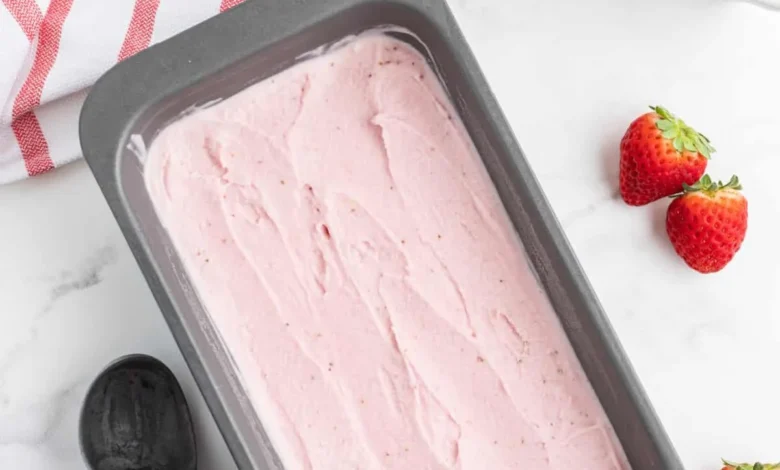
The culinary landscape of American summer desserts is currently witnessing a significant shift as consumers increasingly pivot away from mass-produced, synthetically flavored frozen goods in favor of artisanal, fruit-forward alternatives. At the center of this movement is the resurgence of authentic strawberry ice cream, a perennial favorite that relies on the integrity of fresh produce rather than chemical additives. Unlike the ubiquitous "strawberry-flavored" products found in commercial supermarket aisles, which often utilize esters and artificial dyes to mimic the profile of the fruit, the authentic preparation of strawberry ice cream emphasizes a high-fruit-to-cream ratio and a minimalist ingredient list. This return to traditional methods reflects a broader societal trend toward clean-label eating and the preservation of seasonal culinary heritage.
Historical Context and the Presidential Influence
The history of strawberry ice cream in the United States is inextricably linked to the early days of the American presidency. While ice cream was a luxury enjoyed by the European elite throughout the 18th century, it gained significant cultural traction in the fledgling United States through the efforts of the Founding Fathers and their families. Historical records indicate that George Washington spent approximately $200—a small fortune at the time—on ice cream during the summer of 1790. However, it was First Lady Dolley Madison who is widely credited with elevating strawberry ice cream to a position of national prominence.
In 1813, during the inauguration banquet of President James Madison, the First Lady served a magnificent dish of strawberry ice cream. At the time, the creation of such a dessert was a feat of logistics and labor. It required ice harvested from frozen ponds during the winter and stored in insulated ice houses, as well as the manual labor of hand-cranking a pot-in-tub freezer. The use of fresh strawberries signaled both wealth and a celebration of local agriculture, setting a precedent for the dessert’s association with high-status summer gatherings. Since that 1813 debut, strawberry ice cream has remained a staple of American celebrations, eventually becoming one of the "big three" flavors alongside vanilla and chocolate.
The Technical Composition of Authentic Strawberry Ice Cream
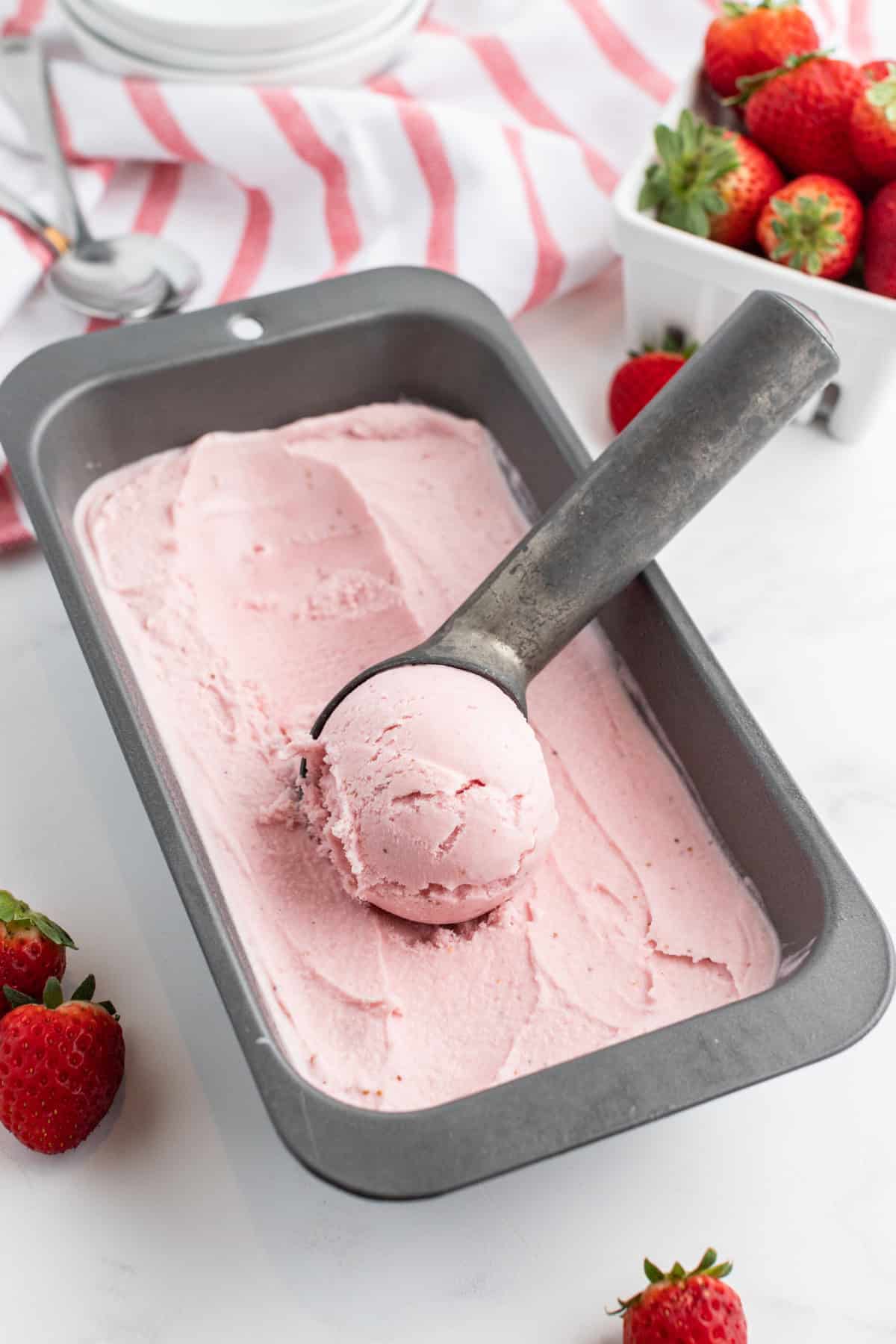
To understand why homemade varieties are currently outperforming commercial brands in blind taste tests, one must examine the chemical and structural composition of the dessert. Professional-grade homemade strawberry ice cream generally falls into the category of "Philadelphia-style" ice cream, which is characterized by the absence of eggs. Unlike French-style ice cream, which utilizes a cooked egg-yolk custard base to provide richness and stability, Philadelphia-style focuses on the purity of the dairy and the vibrancy of the fruit.
The technical challenge of using real strawberries lies in their high water content. Strawberries are approximately 91% water, which can lead to the formation of undesirable ice crystals during the freezing process. To mitigate this, culinary experts recommend macerating the fruit or blending it directly into the base to ensure a more homogenous distribution of solids. The recipe profile for a standard high-quality batch includes a caloric density of approximately 188 kcal per half-cup serving, with a macronutrient breakdown of 13 grams of fat and 17 grams of carbohydrates. This balance ensures a mouthfeel that is rich and "scoopable" without the cloying heaviness associated with high-overrun industrial products.
Chronology of the Production Process
The creation of a superior strawberry ice cream follows a rigorous timeline designed to maximize flavor extraction and minimize crystallization.
- Fruit Preparation and Maceration: Fresh strawberries are hulled and cleaned. In professional settings, this often involves a brief period of macerating the berries in sugar to draw out moisture and intensify the natural juices.
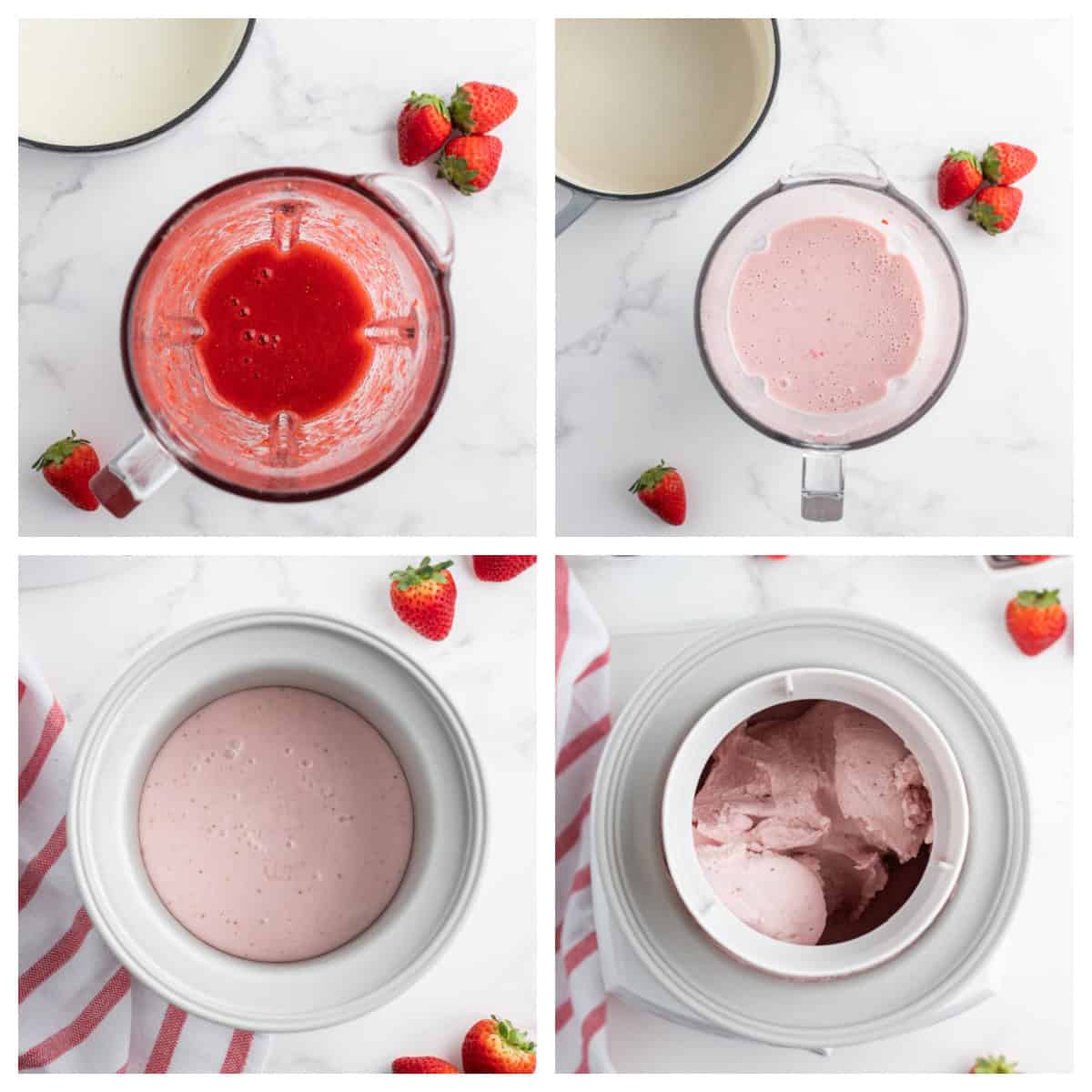
- Base Heating: A mixture of heavy cream, milk, and sugar is heated briefly. This step is not intended to cook the dairy, but rather to ensure that the sugars are fully dissolved and that the proteins in the milk are slightly denatured, which aids in creating a smoother texture.
- Integration: The strawberry mixture is blended with the cooled dairy base. Blending the fruit into the base, rather than simply adding chunks, provides a consistent flavor profile throughout the batch.
- The Critical Chilling Phase: The most vital step in the chronology is the maturation of the base. Experts recommend chilling the mixture for a minimum of eight hours, though an overnight rest is preferred. This allows the fat globules in the cream to crystallize and the proteins to hydrate, which results in a significantly smoother churn and a more stable final product.
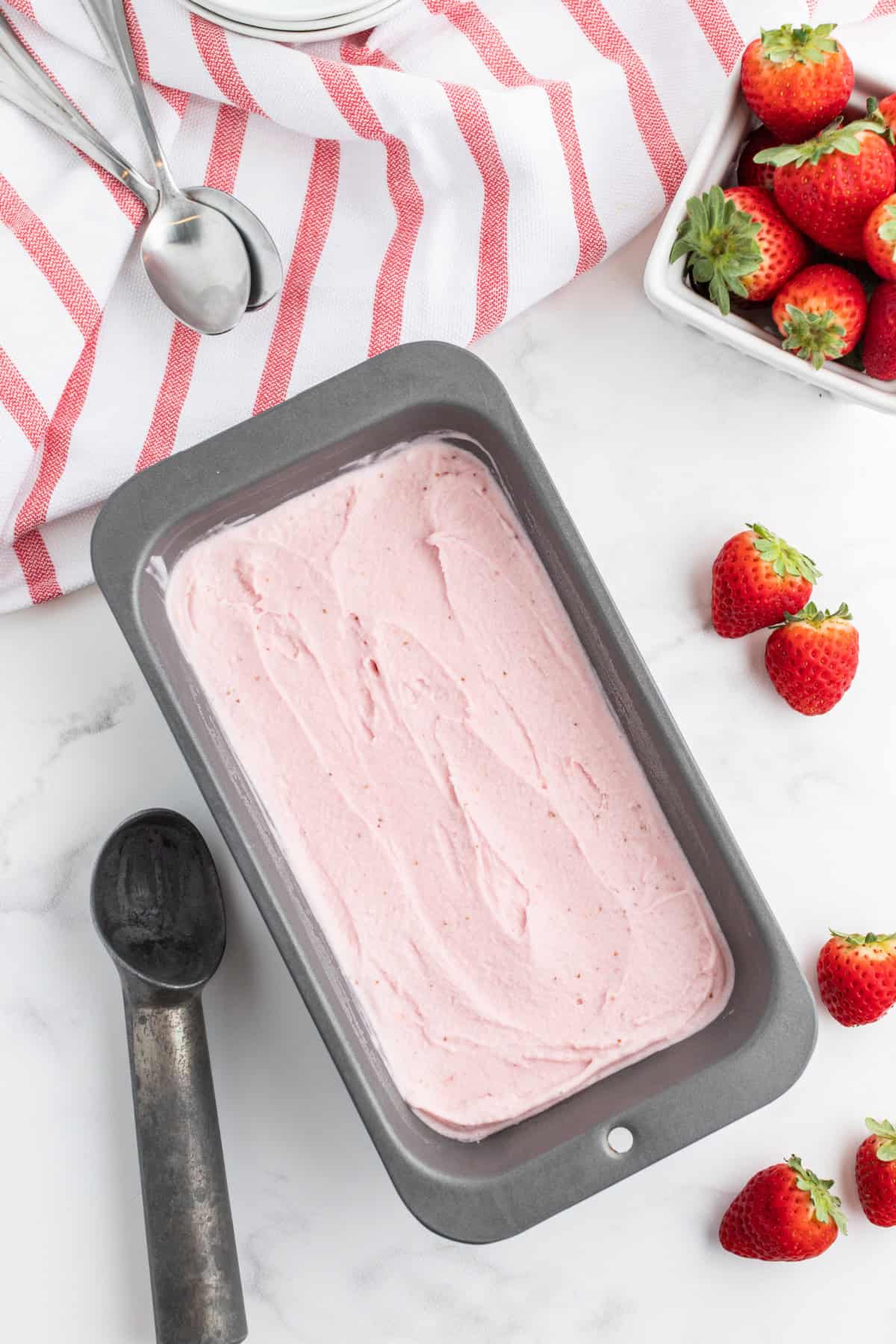
- Churning and Hardening: The chilled base is processed in an ice cream maker, where air is incorporated (a process known as overrun). The final product is then transferred to a cold container for "hardening" in the freezer, a process that typically takes several hours to reach the ideal serving consistency.
Agricultural Impact and Seasonal Sourcing
The quality of strawberry ice cream is inherently dependent on the state of the global strawberry market. In the United States, California and Florida are the primary producers, accounting for over 95% of the national output. According to data from the USDA, the peak season for strawberries spans from late spring through early summer, which coincides with the highest consumer demand for frozen desserts.
The shift toward using real fruit in ice cream has positive implications for domestic agriculture. As artisanal ice cream makers and home cooks seek out "real" ingredients, there is a heightened demand for high-quality, ripe berries that might otherwise be rejected by supermarkets for minor aesthetic imperfections. Furthermore, the use of fresh strawberries provides a nutritional profile that artificial versions cannot replicate, including significant amounts of Vitamin C (16 mg per serving) and essential antioxidants like anthocyanins, which give the berries their red pigment.
Industry Analysis: The "Clean Label" Movement
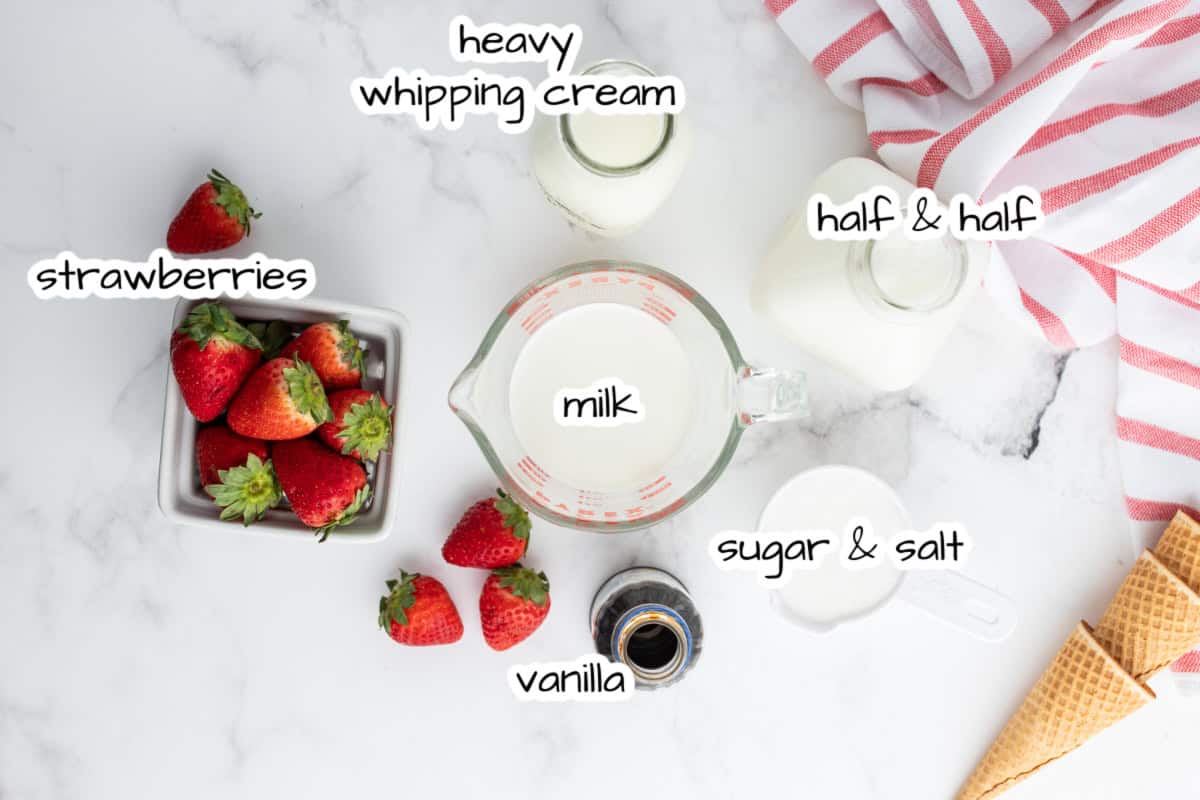
Market research indicates that the "premium" and "super-premium" ice cream segments are currently the fastest-growing sectors in the frozen dessert industry. Consumers are increasingly scrutinizing labels for stabilizers such as guar gum, carrageenan, and polysorbate 80. The simplicity of the homemade strawberry ice cream recipe—consisting of little more than cream, milk, sugar, and fruit—aligns perfectly with the "clean label" movement.
Industry analysts suggest that the pandemic-era surge in home cooking has permanently altered consumer expectations. Having experienced the superior flavor of a heated dairy base and real fruit integration, many consumers find the "icy" and "foamy" texture of budget-friendly store brands to be unpalatable. This has forced commercial manufacturers to rethink their formulations, with several major brands recently launching "simply natural" lines that attempt to mimic the homemade experience.
Broader Implications for Culinary Culture
The continued popularity of strawberry ice cream serves as a barometer for broader cultural values regarding tradition and social connection. As noted in culinary sociological studies, ice cream is rarely consumed in isolation; it is a "social dessert" typically served at communal events such as backyard barbecues, Independence Day celebrations, and family dinners.
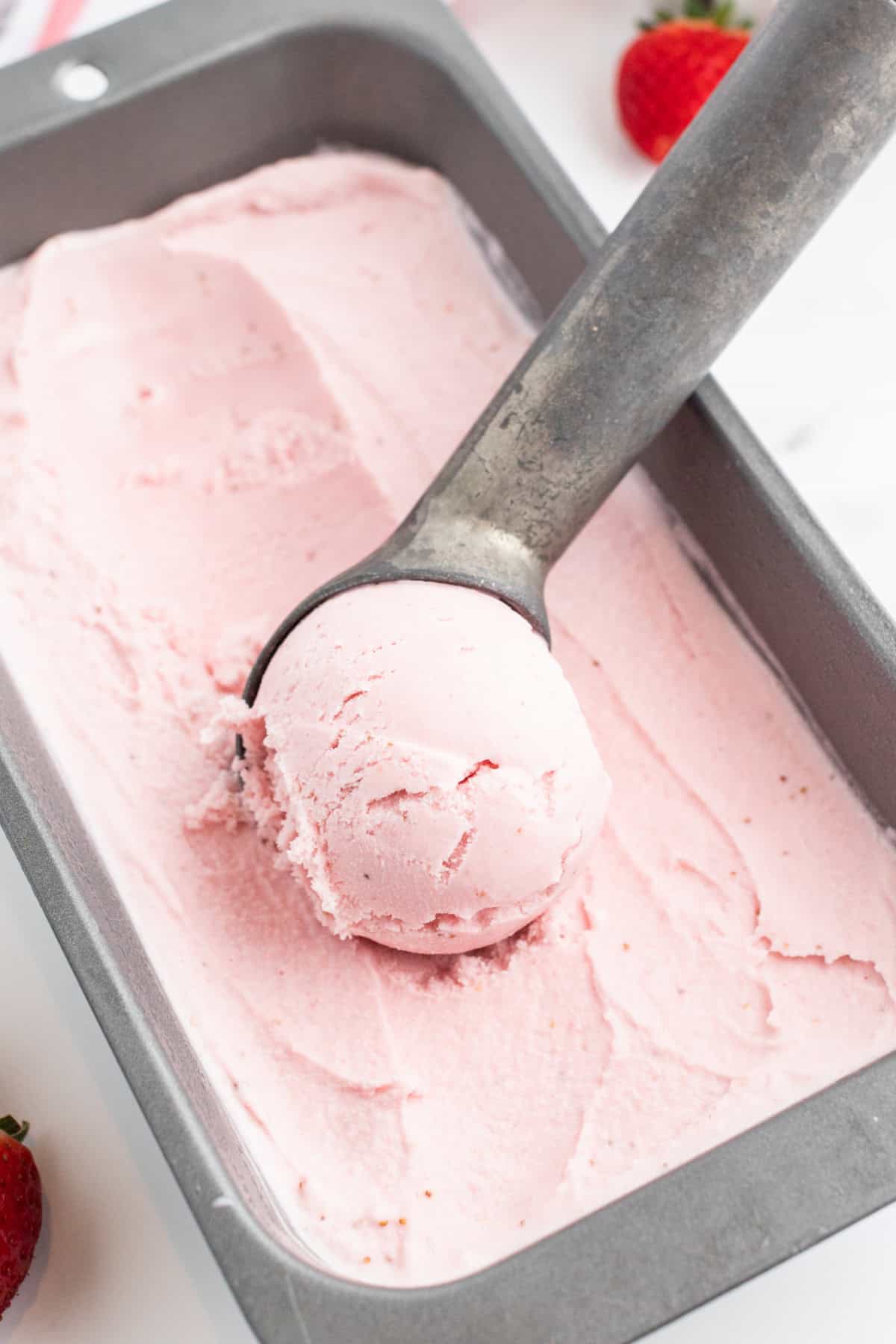
The act of making ice cream at home is also seen as a form of "slow food" activism. In an era of instant gratification and ultra-processed convenience, the 8-to-25-hour process required to produce a single batch of real strawberry ice cream is a deliberate choice to prioritize quality over speed. This patience is rewarded with a product that offers a "clean, bright" finish and a natural sweetness that reflects the specific terroir of the strawberries used.
Furthermore, the versatility of the strawberry ice cream base allows for numerous artisanal variations. Culinary professionals often experiment with additions such as balsamic vinegar reductions to enhance the acidity of the fruit, or the inclusion of cheesecake bits and croissant pudding to create complex textures. These innovations continue to drive the evolution of the flavor, ensuring its relevance for future generations.
Conclusion: The Future of the Frozen Dessert Market
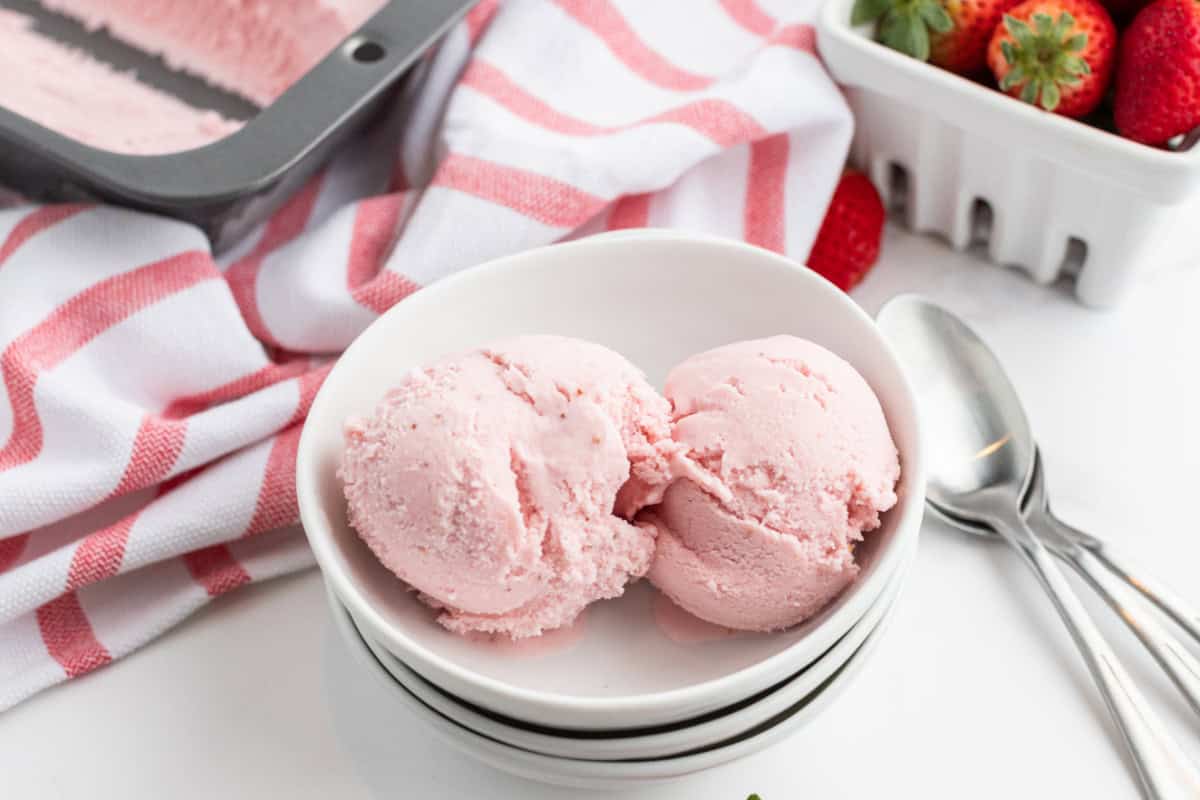
As the food industry moves toward 2026 and beyond, the emphasis on "real" ingredients is expected to intensify. The case of strawberry ice cream illustrates a wider truth in the culinary world: technology and chemistry, while useful for shelf-life and cost-reduction, are often poor substitutes for the synergy of fresh fruit and high-quality dairy. By adhering to the principles of proper base chilling and fruit integration, both professional chefs and home enthusiasts are preserving a legacy that began in the Madison White House and continues to define the American summer experience. The resurgence of authentic strawberry ice cream is not merely a nostalgic trend; it is a calculated return to quality that reflects a more informed and health-conscious consumer base.